.png?w=1400&h=1400)
.png?w=1200&h=1200)
.png?w=1000&h=1000)
.png?w=1400&h=1400)
.jpeg?w=800&h=800)
.jpeg?w=800&h=800)
-0.jpeg?w=800&h=800)
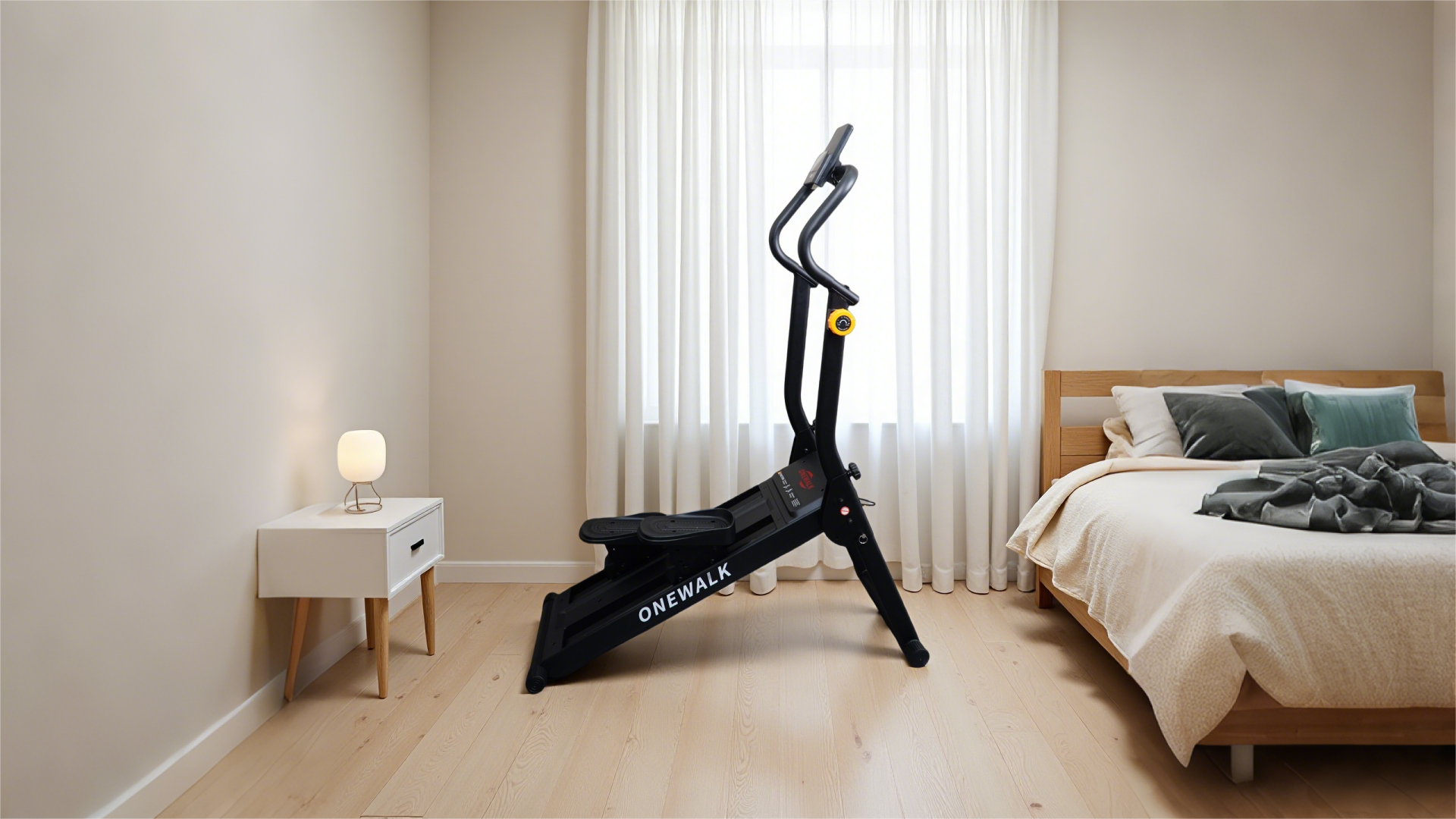
Climbing stairs is one of those things we all do—whether at home, at work, or when the elevator is just taking too long. But did you know this everyday activity can become a powerful form of exercise that strengthens your body, protects your joints, and supports heart health?
Whether you're using a machine like the Stair Climber or simply climbing real stairs, stair workouts are an effective and accessible form of cardio and strength training. For those looking to burn fat, build muscle, or improve endurance, the Stair‑Climber Benefits will be very important.
We’ll explore what makes stair climbing such a unique and versatile workout—especially when performed consistently.
The Key Takeaways
-
Stair climbing is a low‑impact, weight-bearing exercise suitable for beginners and older adults.
-
The Stair‑Climber Benefits include improved cardiovascular health, calorie burning, muscle strengthening, better balance, and support for bone density.
-
Whether you're using a Stair Master/ Stiar Climber or taking the stairs at home, the movement pattern remains functionally beneficial.
-
With proper form and consistency, stair climbing can support long-term physical resilience and overall well-being.
What Is a Stair Climber?
So, if you want to use or buy a stair climber, you need to know what is a stair climber at the first?
A Stair‑Climber is a fitness machine that mimics the motion of walking up a flight of stairs. There are typically 2 types:
-
Stepper Climber machines with foot pedals that move up and down independently.
-
Stairmills (like the StairMaster) with rotating steps, creating the feeling of an endless staircase.
Most machines offer adjustable resistance levels and allow you to scale the intensity of your workout, whether you're new to fitness or a seasoned athlete.
Home Stair Climber Machine For Sale Under 20% Off, Buy Now!
.png?w=1440&h=1440)
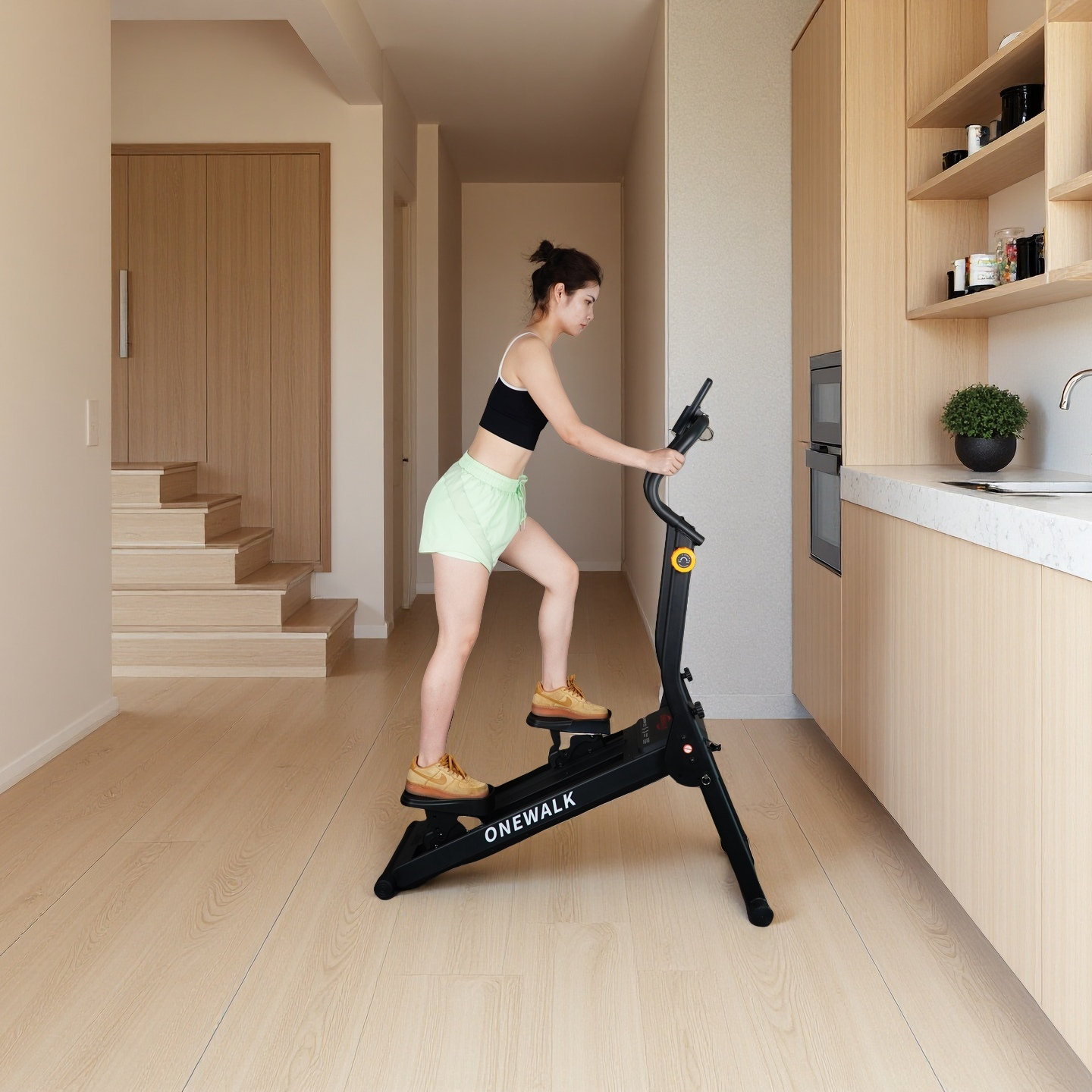
1. It’s a Low‑Impact, Joint‑Friendly Cardio Option
Many cardio exercises like running, jumping, or high-intensity interval training (HIIT) place repetitive stress on your joints—especially the knees and hips. That’s where Stair‑Climber Benefits shine: the movement is low impact, meaning it reduces joint strain while still challenging your cardiovascular and muscular systems.
The constant upward motion avoids jarring contact with the ground, making it a better option for those with joint sensitivities, mild arthritis, or people recovering from lower-limb injuries (with medical clearance).
2. It Burns Calories More Efficiently Than You Think
A common misconception is that stair climbing is only a leg workout. But it’s actually an intense cardiovascular exercise that engages multiple large muscle groups—meaning it demands more energy and burns calories faster than you might expect.
-
A 155-pound person can burn 260–300+ calories in 30 minutes on a StairMaster, depending on pace and intensity.
-
In comparison, walking briskly may burn around 150–180 calories in the same time.
The more muscle you engage (especially glutes, quads, hamstrings, and calves), the higher the calorie output. That makes stair workouts a highly effective option for fat loss or managing weight over time.
3. Builds Strength and Endurance in the Same Time
Stair climbing is a rare workout that blends cardio and resistance training into one simple movement. Each step forces your lower body muscles to lift your entire body weight vertically, activating:
-
Glutes (your main hip extenders)
-
Quads and hamstrings (thigh muscles)
-
Calves (stabilizers and propellers)
-
Core (for balance and posture control)
This upward movement creates both concentric (shortening) and eccentric (lengthening) contractions, building muscular endurance while enhancing strength. Over time, it improves muscle tone, particularly in the legs and glutes, and may support metabolic health.
4. Great for Cardiovascular Health and Longevity
Any activity that raises your heart rate and keeps it elevated supports heart health—and stair climbing is no exception. When done regularly, it:
-
Lowers blood pressure
-
Improves circulation
-
Reduces LDL (“bad”) cholesterol
-
Increases aerobic capacity (VO₂ max)
According to a study published in the European Journal of Preventive Cardiology, even short stair-climbing intervals during the day can improve heart fitness. And when done consistently on a Stair‑Climber or StairMaster, it offers a structured, time-efficient cardio routine that’s easy to monitor and track.
5. Improves Balance, Core Stability, and Coordination
Unlike many cardio machines where you’re seated or supported (like stationary bikes), the Stair‑Climber requires full-body coordination. You’re constantly shifting your weight from one leg to the other, engaging your core, ankles, hips, and spinal stabilizers to stay upright and balanced.
This builds proprioception—your body’s ability to sense where it is in space. Over time, this can reduce your risk of falls and injury, particularly valuable for older adults.
Climbing stairs also mimics real-life activities (e.g., walking up steps, standing from a seated position), making it one of the most functional exercises you can do.
6. Supports Bone Density and Joint Health
One of the most overlooked Stair‑Climber Benefits is its impact on your skeletal system. Because it's a weight-bearing exercise (you’re resisting gravity with every step), it stimulates your bones to become stronger—much like muscles.
According to the National Osteoporosis Foundation, weight-bearing activities help maintain or even improve bone mineral density in adults, which can reduce the risk of osteoporosis and age-related fractures.
This makes stair climbing a valuable long-term investment in your physical independence.
7. You Don’t Need a Gym to Reap the Rewards
The beauty of stair climbing is in its accessibility. If you don’t have access to a stair machine, you can still experience nearly all the Stair‑Climber Benefits using regular stairs:
-
Try climbing flights at home, work, or public parks.
-
Add intervals by walking quickly up, slowly down.
-
For more intensity, carry light weights or skip steps (with control).
Additionally, newer Stair‑Climber machines offer connected workout options, digital coaching, and heart-rate tracking—making the process more enjoyable and motivating.
Getting Started: Safe and Effective Stair Workouts
Starting a stair workout routine is simple—but safety and consistency matter.
Tips for beginners:
-
Start with 5–10 minutes, 2–3 times per week.
-
Use handrails or sidebars for stability as you build strength.
-
Focus on posture: Keep your back tall and avoid leaning too far forward.
-
Breathe steadily and engage your core throughout.
-
Increase time and intensity gradually—add 1–2 minutes per session weekly.
-
Combine with rest days or lighter activity to avoid overuse.
As with any new routine, consult a healthcare provider if you have existing joint issues, cardiovascular concerns, or mobility limitations.
FAQ: Your Stair Climber Questions Answered
Is stair climbing good for fat loss?
Yes—because it burns calories efficiently and uses large muscle groups, it's a powerful tool for fat loss. Combined with proper nutrition, it supports sustainable body composition changes.
Does stair climbing bulk the legs?
It tones and strengthens the legs, but won’t "bulk" them. Hypertrophy (muscle growth) depends on intensity and genetics. Most people notice leaner, firmer thighs and glutes with regular stair work.
Can I use a StairMaster every day?
You can, provided your body tolerates it and you vary intensity. But even 3–4 sessions per week offer noticeable Stair‑Climber Benefits for health, fitness, and endurance.
What muscles does the StairMaster work?
Primarily glutes, quads, hamstrings, calves, and your core. The intensity depends on your posture, step depth, and resistance.
From helping you burn calories and tone your legs to supporting your heart and bones, the Stair‑Climber Benefits are extensive—and often underrated. Whether you’re using a StairMaster in the gym , use the stair climber or climbing steps at home, you’re building real-world strength, balance, and resilience with every step.
.png?w=1400&h=1400)
.jpeg?w=1400&h=1400)
.jpeg?w=4000&h=4000)
.jpeg?w=4000&h=4000)
.jpeg?w=2560&h=2560)

.jpeg?w=800&h=800)
.jpeg?w=743&h=743)