.png?w=1400&h=1400)
.png?w=1200&h=1200)
.png?w=1000&h=1000)
.png?w=1400&h=1400)
.jpeg?w=800&h=800)
.jpeg?w=800&h=800)
-0.jpeg?w=800&h=800)
In today’s sedentary lifestyle, more and more people struggle with tight lower backs, reduced spinal rotation, and stiffness caused by long hours of sitting or repetitive posture. Even light daily activities — turning to look over the shoulder, reaching for something behind you, lifting groceries, or bending to pick up a child — may become uncomfortable or painful. Traditional stretching or yoga helps, but many people lack consistency, proper technique, or the time to maintain a routine.
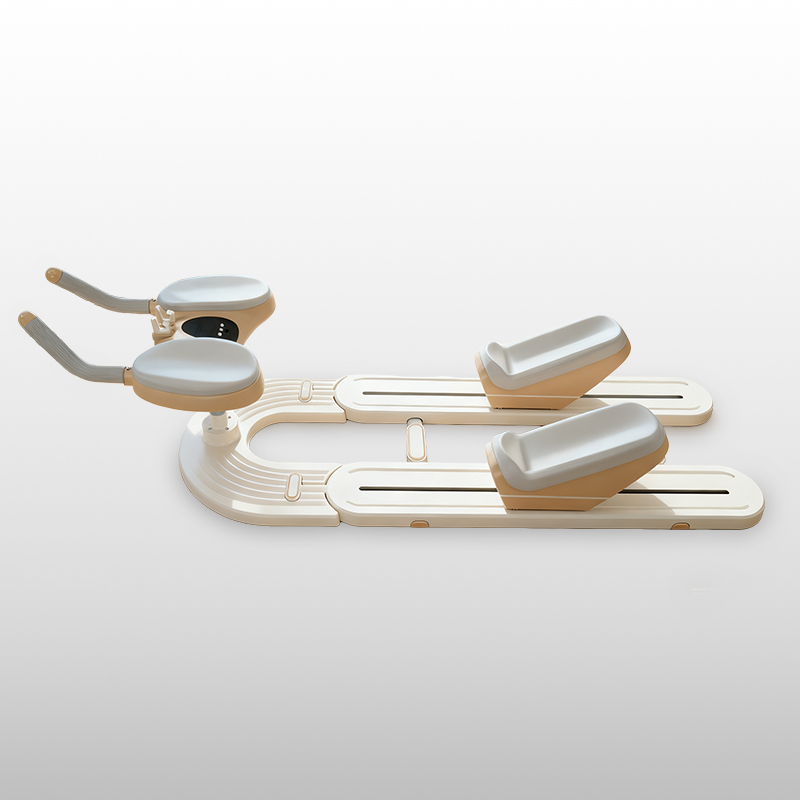
That’s where the Spine Twist & Stretch Trainer becomes extremely useful: it offers a guided, safe, low-impact way to restore spinal mobility, improve lumbar flexibility, and relieve back tension — all from the convenience of your home. It’s compact, beginner-friendly, and ideal for daily use.
This article delves into why spinal mobility matters, how this trainer supports safe twisting, daily routines you can follow, who benefits most, common caveats, and how to build a sustainable back-care habit.
Why Spinal Mobility Matters — and Why We Lose It
The Hidden Costs of Sedentary Life & Poor Posture
Modern life often involves long hours seated — at desks, in cars, on couches. Over time, this leads to:
-
Tight hips and hip flexors, reducing pelvic mobility.
-
Weak deep core and spinal-stabilizing muscles (like multifidus, transverse abdominis).
-
Loss of thoracic (upper-/mid-spine) and lumbar rotational range.
-
Muscular imbalance: overused hip flexors + under-used glutes/low back stabilizers.
-
Compensatory tension in lower back, glutes, hamstrings, and surrounding soft tissues.
As a result, many people experience stiffness, limited torso rotation, lower-back discomfort, and reduced functional mobility (twisting, bending, reaching).
Why Mobility, Not Just Strength, Is Key
Strength training alone often emphasizes linear movements (squat, hinge, press) but neglects rotational mobility — a natural movement plane our spine was built for. Regular controlled rotation helps maintain flexibility, joint health, and proper posture. Research shows twisting and spinal-mobility exercises can help counteract stiffness, relieve muscle tension, and improve overall spinal function.
Without mobility work, even strong muscles can contribute to rigidity. Flexibility + stability + mobility = healthy spine.
What the Spine Twist & Stretch Trainer Offers
Design & Mechanics: Guided, Safe, Supportive
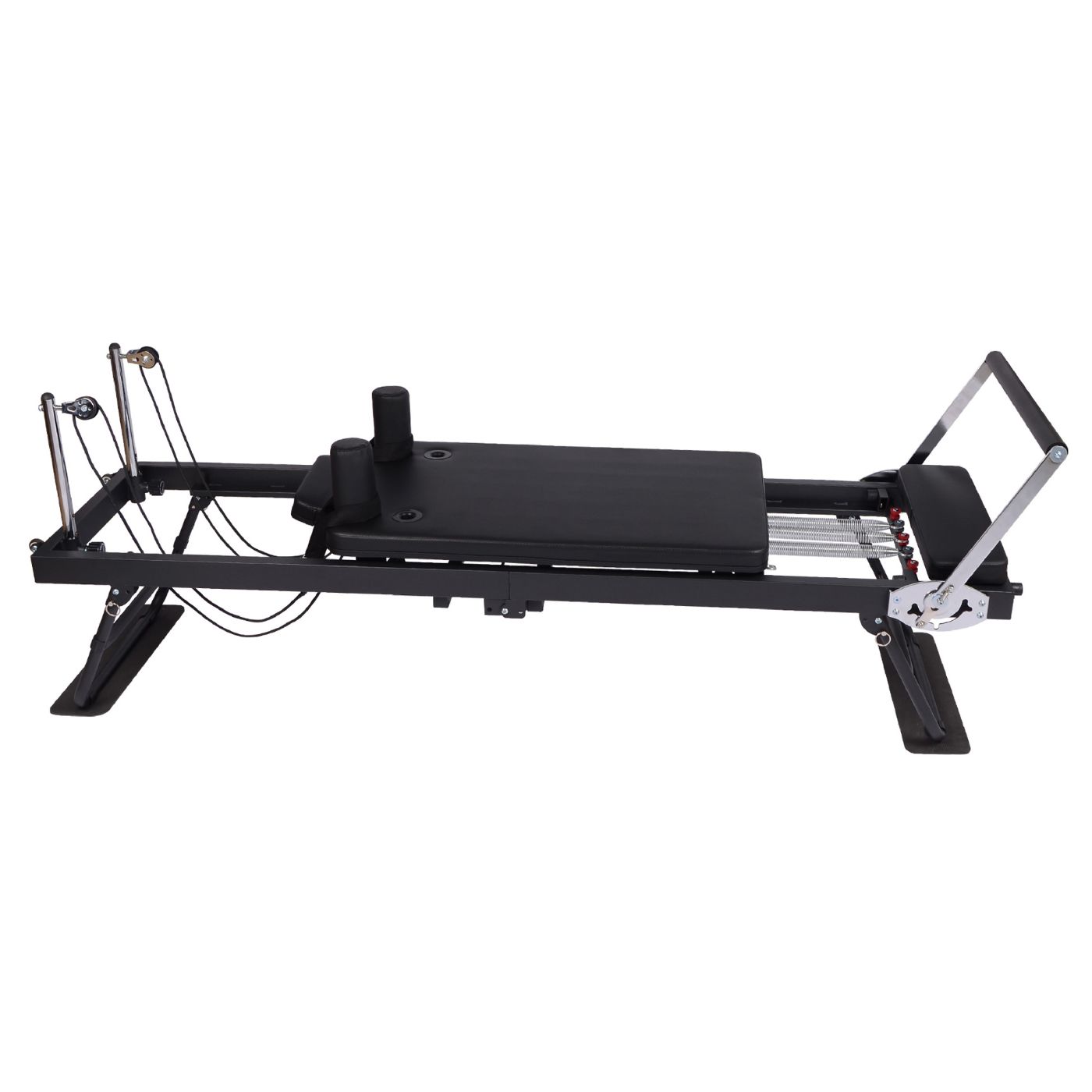
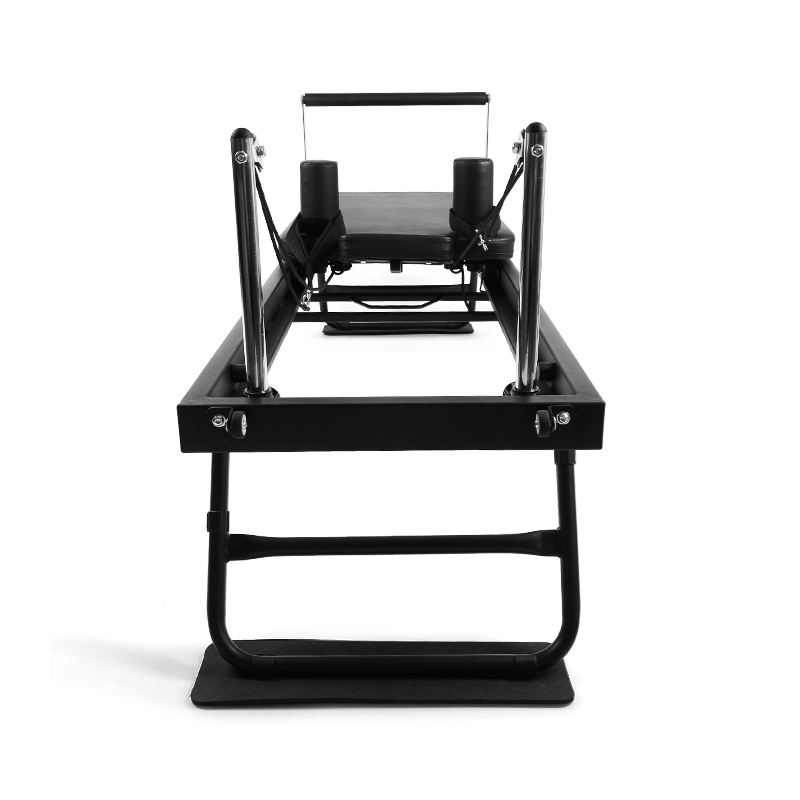
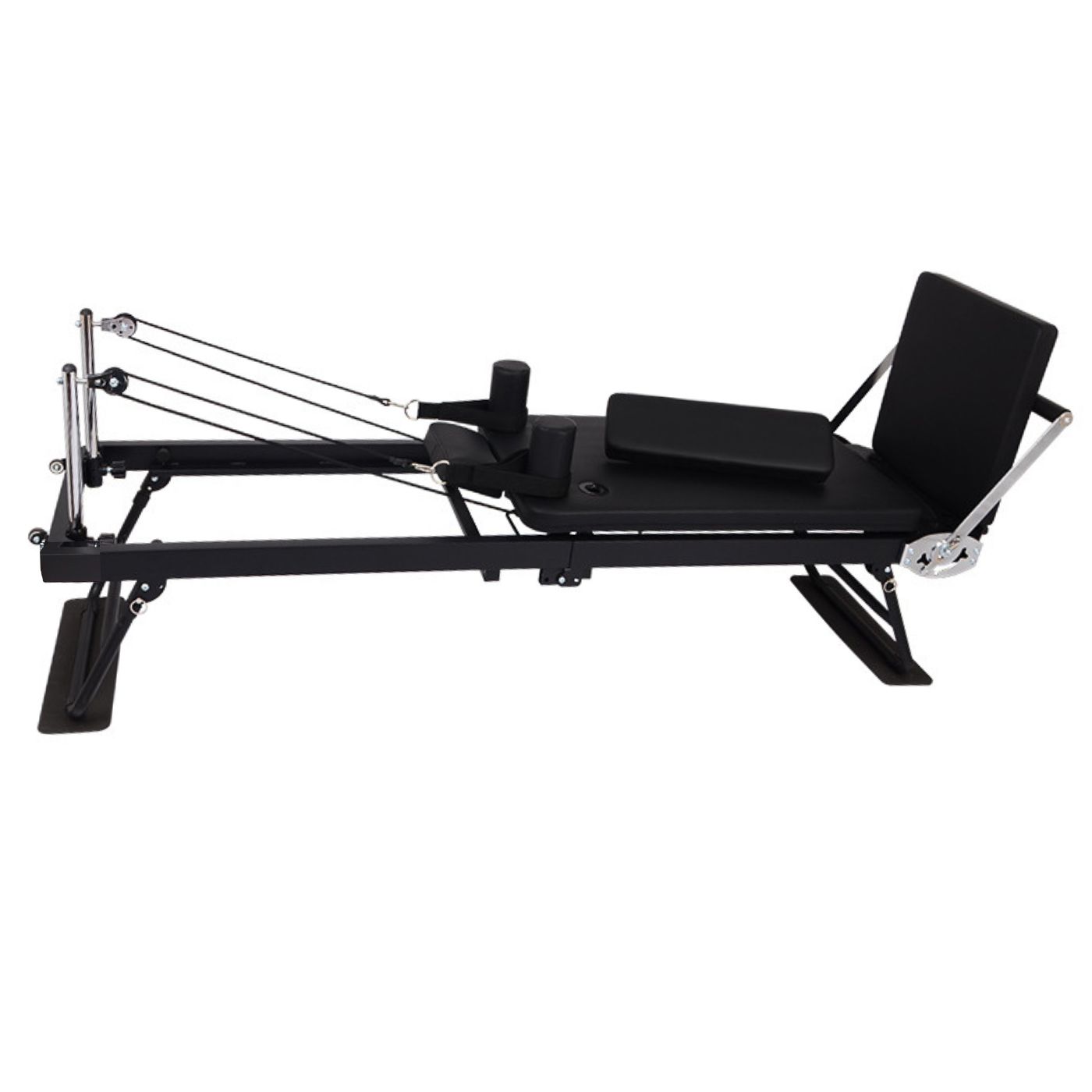
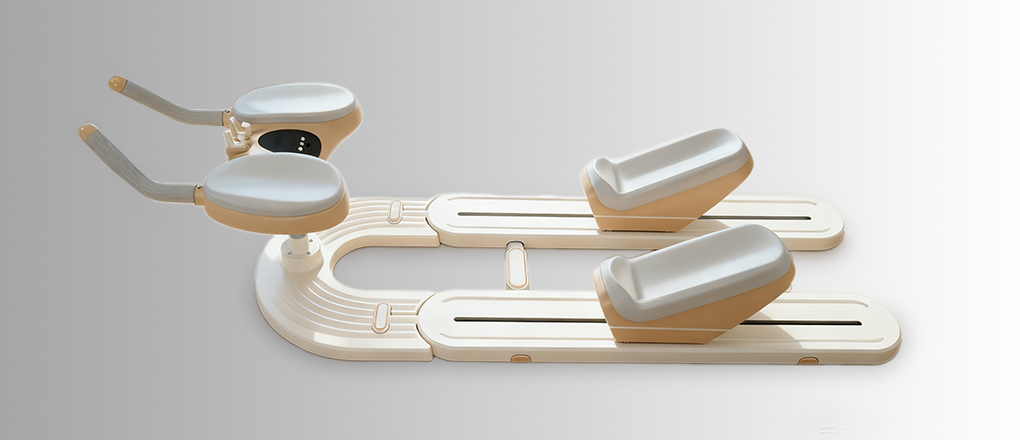
The Spine Twist & Stretch Trainer is more than a yoga mat or free-body stretch — it’s a structured mobility device built to guide your body through controlled spinal rotations while supporting vulnerable areas (hips, knees, pelvis). Key design aspects:
-
Padded knee/elbow or forearm supports — reducing pressure on joints.
-
Stable base and steel + ABS frame — ensures secure use without tipping or instability.
-
Ergonomic handles / grips for balance and control.
-
Built-in timer and phone holder — makes guided sessions, video follow-along, and consistency easier.
-
Detachable / compact build — easy storage and home-friendly footprint.
-
Load capacity ~100 kg — suitable for most adults.
Rather than relying on muscle strength or balance, the device supports posture and alignment, enabling rotation from thoracic/lumbar regions with minimized risk — ideal for mobility, maintenance, rehab, or daily wellness.
Benefits Over Free-Form Twisting Exercises
Free twisting (like seated/spinal-twist yoga poses) can be beneficial — but they depend heavily on body awareness, flexibility, and proper form. Incorrect twisting (over-rotation, compensatory pelvic movement, forced range) can strain discs or facet joints. backpainsolution.org+2National Spine Health Foundation+2
With the trainer, the support and guided motion reduce these risks, helping you:
-
Achieve safer, consistent spinal rotation.
-
Avoid compensatory movements or over-twisting.
-
Build a sustainable, low-risk mobility habit.
Who Should Use It — and Who Should Be Cautious
Great Candidates
-
Office workers, remote workers — sitting many hours a day.
-
People with recurring stiffness, limited torso rotation, or low back tightness.
-
Middle-aged / older adults needing gentle low-impact mobility work.
-
Pilates/yoga practitioners seeking enhanced spinal rotation training.
-
People wanting to improve posture, reduce daily fatigue, or prevent stiffness.
-
Fitness beginners wanting a safe home-based mobility tool.
Cautions / When to Consult a Professional
-
Individuals with diagnosed severe disc herniation, spinal instability, osteoporosis, or serious spinal pathology.
-
Those experiencing sharp pain, radiating nerve symptoms (sciatica), or neurological signs.
-
Users who cannot maintain neutral pelvis posture — improper use may worsen issues.
-
People unsure about their spinal health — advisable to get medical clearance first.
Sample Usage Routines — From Daily Maintenance to Deep Mobility
Below are progressive routines you can follow depending on your experience, schedule, and goals. Each session requires minimal time, making daily consistency realistic.
Daily Maintenance Routine (5–8 minutes)
Purpose: Reduce stiffness, improve rotation range, build habit.
-
Warm-up (1 min): gentle standing side-bends or hip circles.
-
Main set (4–5 min): Supported twists — slow, controlled, 15–20 reps alternating sides. Keep movement range gentle, avoid forcing.
-
Cool-down (1–2 min): Deep breathing + gentle hip or spinal stretch (cat-cow, child’s pose).
Daily or 5×/week — for long-term mobility care.
Posture & Flexibility Routine (10–15 minutes)**
Purpose: Increase thoracic and lumbar rotation, relieve tension after long sitting.
-
Warm-up (2 min): dynamic torso twists (standing or seated), gentle hip mobility.
-
Primary (8–10 min):
-
3 sets of 10 slow controlled twists per side, pause 1–2s at end range, return slowly.
-
2 end-range holds per side (15 seconds), focus on deep exhale and feeling the stretch.
-
-
Finish (1–2 min): deep breathing, spine elongation.
Do 2–4 times per week, especially after long sedentary periods or heavy sitting day.
Mobility & Core Stability Routine (15–20 minutes)
Purpose: Combine spinal mobility with core activation, posture correction.
-
Warm-up (3 min): dynamic thoracic mobilization (e.g. seated rotations, arm circles).
-
Main set (12–15 min):
-
4 sets of 8–12 controlled twists with slow tempo (focus on control, not speed).
-
At each rep, engage deep core (belly gently braced), maintain neutral pelvis.
-
Add optional core follow-up: dead-bug or bird-dog 5 mins after twist session.
-
-
Cool-down (1–2 min): gentle spinal stretch, deep breathing.
Ideal for people combining mobility with strength or posture work, or for those recovering from back stiffness.
What to Expect — Typical Benefits Over Time
| Period | Common Results / Feedback |
|---|---|
| After ~1 week (3–5 sessions) | Slightly easier torso rotation, reduced stiffness, more comfort when twisting/bending |
| 2–4 weeks | Noticeable increase in mobility, less lower-back tightness, improved posture when sitting/standing |
| 4–8 weeks | Sustainable spinal mobility, core activation sense, better ease in daily movements (reaching, twisting), less discomfort after long sitting |
| Long-term (months) | Enhanced spinal health, prevention of stiffness accumulation, improved functional mobility, better posture and reduced risk of chronic tension |
Common Mistakes & How to Avoid Them
-
Forcing full range immediately — Instead, start with gentle rotation and progress gradually.
-
Twisting from pelvis / hips instead of thorax — Keep pelvis stable; twist through torso.
-
Holding breath or shallow breathing — Use deep, controlled exhale on twist to allow muscles to relax.
-
Neglecting core activation — Bracing abdominal deep core (transverse abdominis) helps protect spine during twist.
-
Overdoing frequency without recovery — Even mobility work benefits from rest; listen to your body.
Integrating with Other Practices — For a Balanced Spine & Body
For best results, combine the Spine Twist & Stretch Trainer routines with complementary practices:
-
Hip mobility & hip flexor stretching — helps relieve tension around pelvis, supports spine alignment.
-
Core stability exercises — e.g. planks, dead-bug, bird-dog; supports vertebrae and reduces load on discs.
-
Regular walking or light cardio — improves circulation, supports spinal disc health.
-
Posture awareness practices — ergonomics at desk, standing breaks, lumbar support during sitting.
-
Flexibility & thoracic mobility work — including gentle side-bends, cat-cow, thoracic openers.
By treating spine health holistically (mobility + strength + posture), you maximize long-term benefit and minimize risk.
Why This Device Is Worth It — Compared to Free Stretching or No Tool
| Compared Option | Pros | Cons / Limitations |
|---|---|---|
| Free stretching (floor / yoga) | Very accessible, no equipment cost | Requires awareness, consistency; risk of poor form; limited support for lumbar rotation |
| No mobility work | No time / effort needed | Risk of stiffness, reduced flexibility, chronic tension or posture deterioration |
| Spine Twist & Stretch Trainer | Guided, supported, repeatable; low-impact; easy to use; suitable for home; quick sessions | Not a replacement for medical treatment; not for acute spinal pathology; capacity/load limits |
For many people — especially office workers, older adults, or those with limited flexibility — the trainer offers a safe, user-friendly bridge between doing nothing and intensive therapeutic stretching or gym training.
Who Should Be Cautious / Avoid Heavy Use
Spinal rotation is beneficial — but not always — especially if:
-
You have acute disc herniation, spinal instability, serious degeneration, or prior spinal surgery.
-
You feel radiating nerve pain, numbness, or tingling during rotation.
-
You cannot maintain neutral pelvis posture or core control.
-
You attempt to “force” full rotation too quickly without gradual progression.
In these cases, consult a qualified physical therapist or spine specialist. Some experts warn that twisting under load or without proper control can stress discs and facet joints.
How to Get Started — Simple Buy & Use Checklist
-
Ensure you have space ~ 125 × 50 cm for device setup — enough clearance for safe movement.
-
Confirm weight limit suits your body weight (max ~100 kg).
-
Read manual carefully; assemble securely.
-
Start with short sessions (5–8 min), minimal range, gradually progress.
-
Use deep breathing; avoid jerky or fast motion.
-
Keep a log — track rotation range, perceived stiffness, comfort, pain (if any).
-
Combine with core and hip mobility exercises for balanced spinal health.
Daily Spine Care Made Simple
For many people, “healthy spine” doesn’t require heavy lifting or hours at the gym — what matters is consistency, control, and thoughtful movement. The Spine Twist & Stretch Trainer offers an accessible, low-impact, home-friendly way to reclaim spinal mobility, reduce tension, and support long-term posture and comfort.
If you spend long hours sitting, struggle with back stiffness, or want a sustainable mobility habit, this trainer can become the core of your daily back care routine. Paired with breathing, core stability, and good posture habits — you can build healthy spinal mobility into your everyday life.
.png?w=1400&h=1400)
.jpeg?w=1400&h=1400)
.jpeg?w=4000&h=4000)
.jpeg?w=4000&h=4000)
.jpeg?w=2560&h=2560)
.jpeg?w=800&h=800)
.jpeg?w=743&h=743)