.png?w=1400&h=1400)
.png?w=1200&h=1200)
.png?w=1000&h=1000)
.png?w=1400&h=1400)
.jpeg?w=800&h=800)
.jpeg?w=800&h=800)
-0.jpeg?w=800&h=800)
Why Women Need Better Back Care, Not Harder Workouts
For years, women have been told that “more cardio,” “more core workouts,” or “more stretching classes” are the keys to a better body. But if you talk to real women today—professionals, mothers, creators, trainers—one theme keeps appearing again and again:
“My back feels tight.”
“My waist feels compressed.”
“My posture looks worse when I’m tired.”
“My core feels weak even though I work out often.”
And yet, most solutions are not built for women’s bodies or women’s schedules. Long gym sessions aren't sustainable, yoga sometimes doesn’t target deeper structural issues, and heavy resistance training can be intimidating or inconsistent.
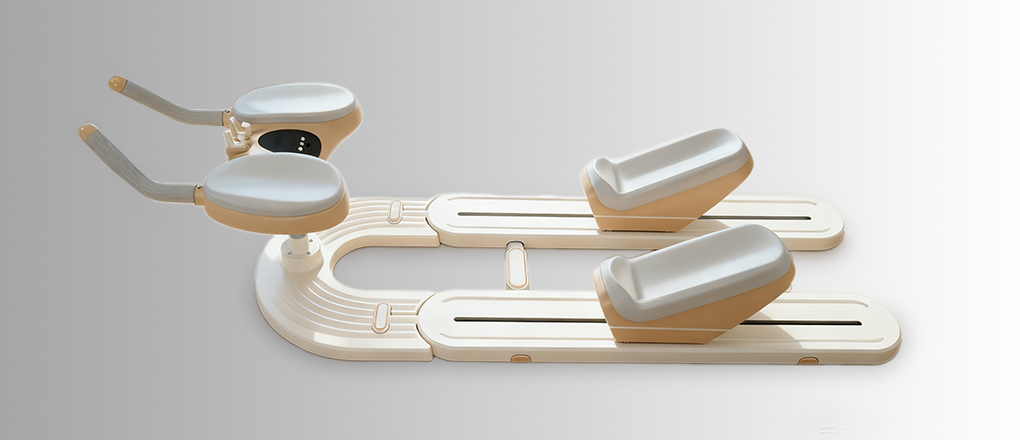
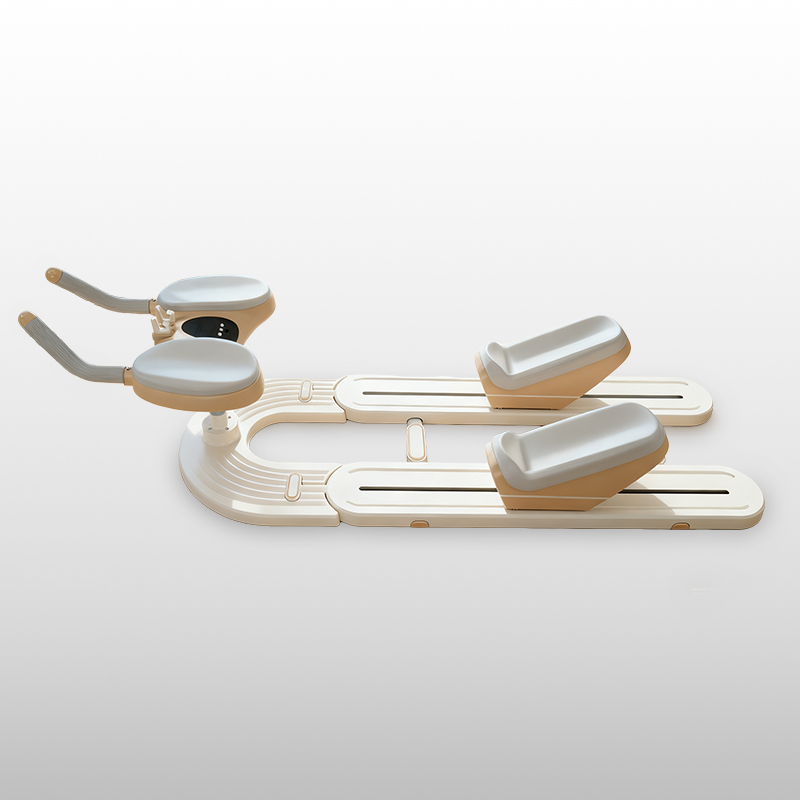
This is the exact gap that the Spine Twist & Stretch Trainer fills.
This compact home device focuses on what most workouts ignore:
-
Back rotation
-
Spinal decompression
-
Core activation without impact
-
Waistline shaping through mobility + control
-
Stress relief
-
Daily posture improvement
And here is the part most women love:
It works through a gentle kneeling position with elbow support—no pressure on the knees, no twisting the lower back the wrong way, and no balance struggles.
This blog will walk you through how women can use this trainer to unlock a healthier spine, a stronger core, a more defined waist, and a calmer daily life—without pain, fear, or intense workouts.
The Real Pain Women Experience: Why Back & Waist Discomfort Is So Common
Even if you’re active, even if you're fit, even if you have a healthy weight…
Back issues still show up. Why? Because women experience unique daily stresses on the spine that most fitness tools don’t address.
Below are the most common female-specific patterns that lead to stiffness, poor posture, and core weakness.
1. Long Hours Sitting or Standing (Office, Makeup Work, Nursing, Teaching)
Women spend hours in jobs that silently damage posture:
-
leaning forward toward a laptop
-
sitting with one shoulder slightly elevated
-
bending the neck down while using a phone
-
standing long hours behind a counter
-
carrying trays, documents, or tools
-
looking slightly down for precision work
These micro-stresses build up over weeks and months.
The result:
Upper-back tightness, lower-back fatigue, stiff ribcage rotation, and a noticeably compressed waistline appearance.
Women often describe this as:
-
“My back feels locked.”
-
“I can’t twist naturally anymore.”
-
“My ribcage feels tight.”
The Spine Twist & Stretch Trainer directly targets this exact stiffness pattern.
2. Stress-Related Tension
Women carry stress differently than men. Research shows women tend to internalize mental load through upper-body tension—especially in:
-
thoracic spine
-
ribcage
-
shoulders
-
neck
-
diaphragm area
When stress accumulates, mobility decreases.
When mobility decreases, breathing becomes shallow.
When breathing becomes shallow, stress increases again.
It turns into a cycle.
One of the strongest advantages of the trainer is that controlled twisting + chest opening + ribcage expansion helps break this stress pattern in just minutes.
3. Weak Deep-Core Muscles (Even if You Do Ab Workouts!)
Many women do the following exercises:
-
crunches
-
planks
-
leg raises
-
ab machines
-
ab wheels
-
Pilates
-
yoga core flows
But these exercises mainly target the surface abdominal muscles.
The deeper stabilizing muscles—especially the multifidus along the spine—often remain undertrained.
These muscles are responsible for:
-
spinal stability
-
waist shaping through posture
-
preventing lower-back pain
-
controlling pelvic rotation
-
improving balance
-
enhancing daily movement confidence
The Spine Twist & Stretch Trainer activates these deep muscles naturally during rotation and stretch.
This is why women often feel:
-
“My waist feels lifted.”
-
“My posture looks straighter instantly.”
-
“My back feels lighter.”
Even after the first session.
4. Hormonal Factors & Back Sensitivity
Women experience hormonal fluctuations across:
-
menstrual cycles
-
pregnancy and postpartum
-
perimenopause and menopause
These can temporarily weaken ligaments, affect muscle stiffness, and create additional tension or sensitivity in:
-
lower back
-
hips
-
pelvis
-
ribcage
This trainer is especially beneficial because it provides gentle, controlled, non-impact mobility that adapts to hormonal changes without forcing the body into painful ranges.
5. The Aesthetic Pressure: Waistline, Posture, and Confidence
Let’s be honest.
Most women want:
-
a more defined waist
-
a confident upright posture
-
a slimmer silhouette
-
less visible back rounding
-
a longer, more elegant upper body line
But traditional fitness doesn’t always help with these goals.
The trainer improves appearance not by burning calories, but by improving:
-
ribcage flexibility
-
spinal length
-
rotation quality
-
posture lift
-
core activation
A mobile spine is a more aesthetically balanced spine.
This is why dancers and Pilates practitioners always look “elongated.”
This machine gives similar benefits without requiring years of training.
Why Women Benefit More From Controlled Spinal Rotation Than From Traditional Core Workouts
Women often chase core strength through intensity:
-
fast HIIT
-
aggressive ab programs
-
hard-to-maintain Pilates classes
-
crunch challenges
-
side-plank challenges
But intensity does not equal effectiveness.
The spine, especially the thoracic spine, needs rotation—not just resistance.
Here’s why rotational mobility is the missing piece of most women’s routines.
1. The Female Ribcage Responds Better to Mobility Than Compression
Crunches compress the ribcage downward.
HIIT tightens the hip flexors.
Heavy lifting loads the lumbar spine.
But women typically hold stiffness in the upper and mid-back (T4–T12 area).
This is exactly where rotation is meant to happen.
When the thoracic spine is stiff:
-
posture compresses
-
the waist looks wider
-
lower back compensates
-
breathing becomes shallow
-
core activation becomes weaker
-
back pain becomes more frequent
Rotation fixes all of this.
2. Controlled Twisting Activates the Deep-Core System
Deep-core muscles like:
-
multifidus
-
transverse abdominis
-
internal obliques
-
deep erectors
are not activated through crunches.
They activate through:
rotation + stability + breathing
which is exactly the movement pattern this trainer is built for.
Women who use the trainer frequently report:
-
“My waist feels more curved.”
-
“My lower back feels supported when I walk.”
-
“I feel stronger with less effort.”
Because these deeper muscles finally wake up.
3. Rotation Helps Reduce Belly & Waist Bloating Appearance
Not fat.
Not weight.
Not water.
Stiff ribcage + weak deep-core muscles make the waist look thicker.
This trainer helps:
-
open the ribs
-
decompress the spine
-
activate the waist rotators
-
reduce compression in the lower back
Women often describe the effect as:
-
“I feel taller.”
-
“My waist feels tighter.”
-
“My midsection feels more structured.”
It’s not just a fitness tool — it’s a posture and waist-sculpting tool.
4. Gentle Rotation Helps Reduce PMS, Stress Tension & Shoulder Tightness
Women often hold emotional and stress tension in:
-
traps
-
upper back
-
ribs
-
diaphragm
When the mid-back is tight, breathing is restricted.
When breathing is restricted, PMS tension and stress feel worse.
Using the trainer for just 3–5 minutes helps:
-
open the chest
-
release tight ribs
-
deepen breathing
-
relieve shoulder tension
-
reduce emotional stress stored in the body
It’s both mobility and therapy.
How the Spine Twist & Stretch Trainer Is Designed Perfectly for Women
This tool may look simple, but the design is deeply intentional—especially for women’s comfort and joint safety.
Below is the biomechanical breakdown of why women love this device.
1. Kneeling + Elbow Support = Zero Lower-Back Compression
Many women experience pain when trying to rotate standing or sitting.
Kneeling eliminates:
-
lumbar load
-
hip compression
-
pelvic misalignment
-
accidental lower-back over-rotation
Elbow support stabilizes the upper body so the twist is safe and natural.
2. Guided Track Prevents “Wrong Twisting” That Hurts Women’s Lower Backs
Women often compensate by twisting from the lower back instead of the ribcage.
The guided track forces the body to rotate correctly:
movement originates from the thoracic spine, not the lumbar spine
This is what makes the device safe for:
-
office workers
-
postpartum women
-
women with minor back tension
-
women who dislike high-impact exercises
-
seniors or beginners
3. Adjustable Handle Height Fits Women of All Sizes
Women vary widely in:
-
torso length
-
shoulder width
-
arm length
-
chest positioning
The height-adjustable elbow platform is essential for comfortable alignment.
4. Soft Cable Handles Provide Stability Without Overloading the Joints
Women often have:
-
smaller wrist joints
-
more flexible ligaments
-
lower natural joint stiffness
The soft handles allow control without requiring large gripping force, reducing strain on wrists and elbows.
5. Smooth Sliding Motion Supports Rhythmic, Controlled Movement
Rhythmic movement is especially beneficial for women’s bodies:
-
improves blood flow
-
reduces stress
-
regulates breathing
-
activates stabilizing muscles
-
eases tension stored in the spine
This is why most women describe the trainer as:
-
“Surprisingly relaxing.”
-
“Gentle but very effective.”
-
“Feels like a moving massage.”
How Women Actually Use the Spine Twist & Stretch Trainer in Real Life
1. The “Morning Reset” Routine
For many women—especially those in corporate jobs or busy households—the morning begins with a stiff back and tight hips. Before coffee, before checking emails, before waking the kids—just 3–5 minutes of gentle twisting becomes a physical and mental reset.
-
30 seconds left twist
-
30 seconds right twist
-
1 minute deep breathing while holding the end range
-
1 minute slow gliding to warm the spine
-
30 seconds posture alignment stretch
Women describe this morning ritual as:
“like opening a door inside my back that was stuck the whole night.”
The benefit?
You start your day taller, lighter, clearer—and free from the morning stiffness that normally follows you into the afternoon.
2. The “Desk Relief” Protocol
Women working remotely or in offices often suffer from mid-back tightness, shoulder rounding, and tension headaches. The kneeling posture of the machine creates a natural spinal lengthening effect that undoes hours of sitting.
Typical “Desk Relief” pattern:
-
Kneeling on the platform relaxes hip flexors (tight from sitting)
-
Elbow support unloads neck muscles
-
Rotational stretch opens the ribs
-
Sliding motion activates core stabilizers without strain
After 2–3 minutes, blood flow increases and breathing expands.
Women often say:
“It feels like someone ironed the tightness out of my back.”
3. The “Evening Recovery” Routine
While men may train harder in the gym, women often work harder across multiple emotional and physical roles during the day. Evening twisting becomes a form of emotional decompression.
-
Release stress stored in the back
-
Slow the nervous system
-
Reduce lower-back pressure from standing or walking
-
Prepare the body for deeper sleep
The motion is slow, fluid, therapeutic—more like a moving meditation than an exercise.
Why Women Respond Better to Spinal Mobility Training Than Men
This is one of the most important discoveries:
women benefit more noticeably and more quickly from controlled spinal rotation.
Here’s why:
1. Women Naturally Carry More Tension in the Thoracic Spine
Between prolonged sitting, emotional load, and multitasking stress, the upper back becomes the storage center for tension.
Twisting helps:
-
Unload the rib cage
-
Improve diaphragmatic breathing
-
Reduce shoulder rounding
-
Release knots around the shoulder blades
2. Women Show Faster Neuromuscular Adaptation
Research shows that women build skilled movement patterns more quickly than men, especially when movements are slow, coordinated, and proprioceptive.
This means:
-
Better posture improvements
-
Faster core engagement
-
More precise rotational control
-
Less risk of compensatory movement
3. Women Gain a Larger Boost in Daily Comfort
Women tend to feel physical discomfort earlier and more intensely than men—hip stiffness, lower-back pressure, middle-back soreness, rib tightness.
After consistent twisting, women report:
-
better sleep
-
less menstrual-related back tension
-
reduced headaches
-
improved breathing comfort
-
easier walking and standing
Body Confidence & Mind Connection: The Hidden Benefits Women Don’t Talk About Publicly
Many mobility brands focus only on muscles and joints. But women tell a different story:
Twisting opens emotional space.
1. Feeling Lighter Inside Your Body
A stiff back makes you feel compressed, heavy, overwhelmed. When women begin twisting every day, they say things like:
-
“My mood lifted.”
-
“I felt space in my chest.”
-
“I breathe deeper.”
-
“I feel more like myself.”
This isn’t placebo—thoracic rotation frees the ribs to expand more effectively, reducing emotional pressure.
2. Reconnecting With Your Feminine Movement
Twisting is a rotational, fluid, spiral motion—deeply connected to feminine biomechanics.
Women describe it as:
-
graceful
-
calming
-
empowering
-
grounding
Unlike heavy strength training, this movement is rooted in curves, flow, and rhythm instead of force.
3. Stress Release Without High-Impact Exercise
Women often carry emotional stress in the torso and diaphragm.
Twisting + deep breathing = nervous system reset.
This reduces:
-
anxiety
-
emotional fatigue
-
burnout
-
muscle guarding
The Female-Specific Benefits Traditional Fitness Ignores
1. Waistline Definition Through Rotation
The external obliques get activated deeply without crunching or bending.
Women often notice:
-
firmer waist
-
more sculpted midsection
-
better posture (which visually slims the torso)
2. Better Hip Mobility for Daily Life
From sitting, pregnancy, or hormones, women frequently have tight hip flexors.
Kneeling on the machine passively stretches the hips while twisting activates the obliques, making the lower torso feel more fluid.
3. More Comfortable Lower-Back Function
Weak deep-core stabilizers + tight hips = lower-back pain.
This trainer fixes both simultaneously.
Women report:
-
decreased tension during menstruation
-
easier bending and lifting
-
less discomfort after long commutes
-
smoother walking posture
FAQ
Q1. Is the Spine Twist & Stretch Trainer safe for daily use?
Yes. Its movement is low-impact and designed for controlled spinal rotation.
Q2. Will this help with back tightness caused by long sitting?
Absolutely. Thoracic rotation and rib expansion directly counteract desk posture stiffness.
Q3. Do I need upper-body strength to use it?
No. The elbow support carries your upper-body weight.
Q4. Can it help with waistline shaping?
Yes. The obliques are activated deeply during rotation, contributing to a toned waist.
Q5. How long until I feel results?
Most women feel relief after the first session and see posture/waistline changes within 14–21 days.
.png?w=1400&h=1400)
.jpeg?w=1400&h=1400)
.jpeg?w=4000&h=4000)
.jpeg?w=4000&h=4000)
.jpeg?w=2560&h=2560)
.jpeg?w=800&h=800)
.jpeg?w=743&h=743)