.png?w=1400&h=1400)
.png?w=1200&h=1200)
.png?w=1000&h=1000)
.png?w=1400&h=1400)
.jpeg?w=800&h=800)
.jpeg?w=800&h=800)
-0.jpeg?w=800&h=800)
Why Joint-Friendly Workouts Matter
Many people want to keep healthy through the fitness workout such as jogging, running or another exercises. But they will worry about the high-intensity exercise will hurt their knees or joints—especially as they get older. High-impact exercises like running can be tough on the body.
Luckily, there’s a smarter way to stay active: the stair climber. This machine gives you a strong cardio workout without putting too much stress on your knees, hips, or ankles. It’s a great option for older adults, people with arthritis, or anyone recovering from injury.
In this article, we’ll explain:
-
Why low-impact workouts are important for joint health
-
How stair climbers protect your knees
-
Scientific benefits of stair climbing
-
How to use a stair climber safely at home
-
Tips to see real fitness results—without pain
What Does "Low-Impact" Mean in Exercise?
Low-impact workouts are types of exercise that put less pressure on your joints. They’re easier on your body than jumping, running, or fast-paced sports. Examples include walking, swimming, cycling, and stair climbing.
Doctors and fitness experts often recommend low-impact workouts for:
-
Seniors over 50
-
People with knee, hip, or ankle pain
-
Anyone with joint injuries or arthritis
-
People new to exercise or coming back after a break
But “low impact” doesn’t mean “low results.” In fact, some low-impact workouts—like stair climbing—can burn more calories than running, especially if you stay consistent and use the right form.
Why Joint Health Declines Over Time
As we age, our joints naturally wear down. Cartilage gets thinner. Muscles weaken. Our range of motion decreases. This leads to:
-
Knee pain when walking or climbing stairs
-
Stiff hips or ankles
-
Increased risk of falls
-
Slower recovery after workouts
Regular movement helps. But not all exercise is created equal.
High-impact workouts may make things worse. Low-impact training like using a stair climber helps you stay strong without adding pressure to already tired joints.
Why the Stair Climber Is Different
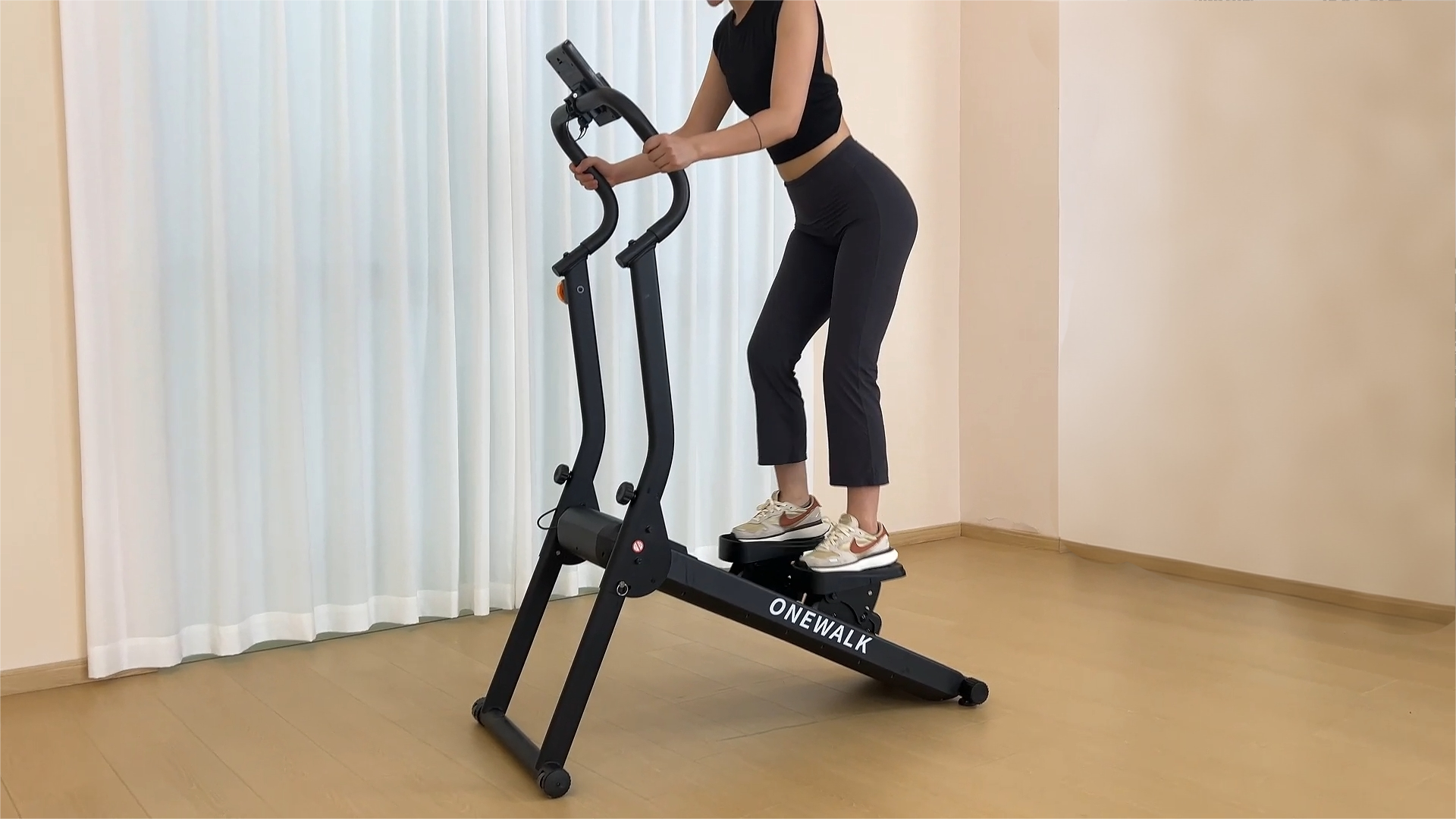
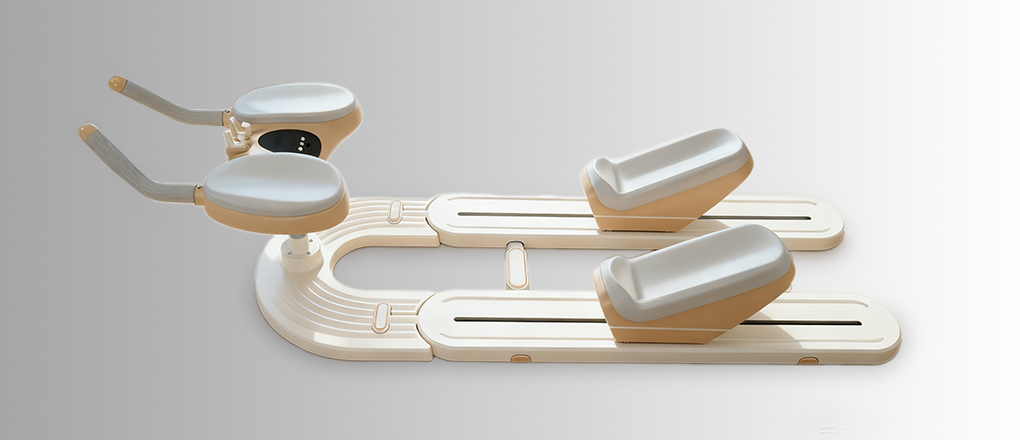
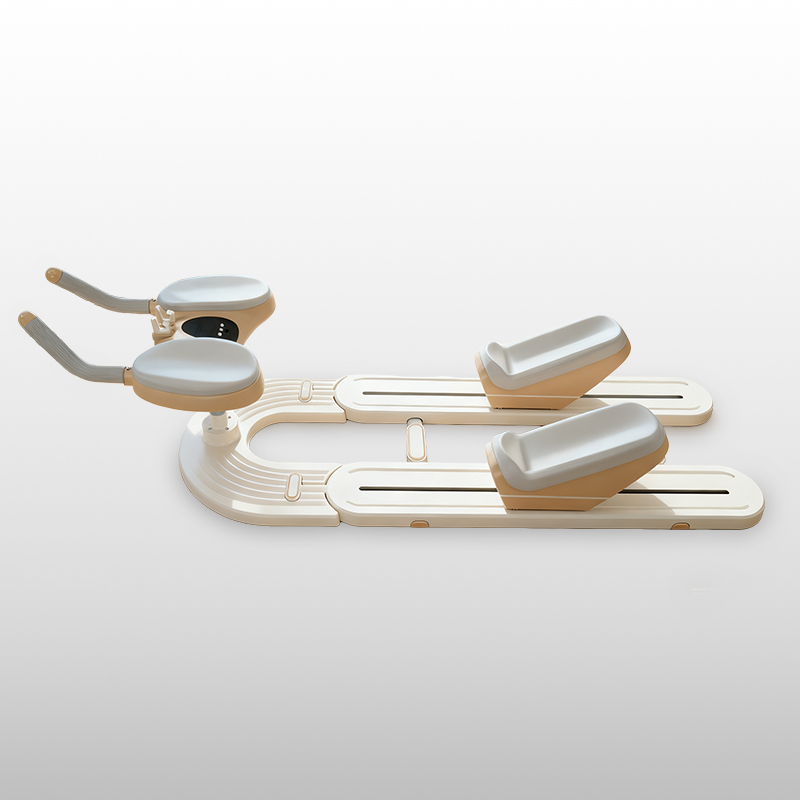
A stair climber is a cardio machine that mimics the movement of walking up stairs. It has two pedals that move up and down. Some models have handrails; others are compact and designed for home use.
Knee-Friendly
Stair climbers don’t involve jumping or running, so they are gentler on the knees than treadmills or HIIT workouts. You use your muscles—not your joints—to create resistance.
Full-Leg Activation
You work your glutes, thighs, calves, and hamstrings all at once. Stronger muscles around your knees mean better support and less pain over time.
Cardio + Strength Together
Most machines are either cardio (like a bike) or strength (like squats). Stair climbers combine both. You get a strong heart workout and muscle toning in one.
Low Impact, High Results
You can burn between 180–260 calories in 30 minutes depending on your pace. That’s similar to jogging—but with far less strain on your joints.
Perfect for Home Use
Many home stair climbers are compact and foldable. They take up less space than treadmills or elliptical machines.
Science Backs It Up: Stair Climbing for Joint Health
Studies show stair climbing helps improve:
-
Balance and coordination in older adults
-
Bone density, lowering the risk of osteoporosis
-
Knee stability by strengthening the surrounding muscles
-
Arthritis symptoms through gentle, daily movement
A 2021 study in the Journal of Sports Science & Medicine found that regular stair climbing improved lower-body strength and reduced joint pain in older adults over 60 after just 8 weeks.
Another study showed that stair workouts increased functional mobility (like walking, standing, climbing stairs) in seniors without adding joint stress.
How to Use a Stair Climber Safely
Step 1: Warm Up First
Spend 3–5 minutes stretching your legs, hips, and back before stepping onto the machine. Gentle leg swings or ankle rolls are great.
Step 2: Start Slow
Set the resistance to a low level when starting out. Focus on form—keep your feet flat, shoulders back, and hands lightly on the rails (don’t lean).
Step 3: Focus on Full Steps
Don’t just tap your toes. Step fully through the heel to engage your glutes and reduce pressure on your knees.
Step 4: Short Sessions Work
Start with 5–10 minutes if you're a beginner. Gradually increase time as your strength and stamina improve.
Step 5: Rest and Recover
Don’t push through pain. Take rest days if your joints feel sore or tired.
Common Mistakes That Can Hurt Your Knees
Mistake 1: Bouncing on Your Toes
When you push off only with your toes and bounce with each step, you create unnecessary impact on your knees. This might feel like you're being more active, but in reality, it increases pressure on the joints — especially the kneecaps. Over time, this habit can lead to discomfort or worsen existing knee problems. Instead, plant your whole foot flat on the pedal to better distribute the force and protect your joints.
Mistake 2: Leaning Forward Too Much
Many people lean too far forward while climbing, especially when they get tired. While it might feel easier in the moment, this poor posture shifts the load to your lower back, which isn’t built to handle constant pressure in that position. It can lead to tightness, pain, or even strain in the lumbar area. A better approach is to stay upright with your chest open and shoulders relaxed. This helps your core stay engaged and your spine supported.
Mistake 3: Gripping the Handrails Too Tightly
Holding the handrails for balance is okay, but clutching them tightly or leaning on them for support reduces how much your muscles work — especially your legs, glutes, and core. It also throws off your natural posture. A light grip or just tapping the rails with your fingers is enough to help you stay steady without taking away the benefits of the workout. The less you rely on the rails, the more your body works — safely.
Mistake 4: Going Too Fast, Too Soon
It’s tempting to crank up the speed to get a harder workout, but starting too fast — especially if you're new or dealing with joint issues — increases your risk of falls, fatigue, or joint strain. Your muscles need time to warm up and adjust. Moving too quickly before your body is ready also makes it harder to maintain proper form. Begin at a steady, moderate pace, focusing on good posture and smooth motion. Once you build endurance, you can safely increase speed or resistance.
Why the Stair Climber Is Ideal for Seniors
Many seniors avoid exercise because they fear falling or getting hurt. A stair climber gives them a safe, stable, and easy way to stay active at home.
Benefits for older adults include:
-
Low risk of falling (you stay in place)
-
Better balance and muscle coordination
-
Improved heart and lung health
-
Less stiffness in knees and hips
-
Boosted confidence and independence
If you're over 50, even 10–15 minutes a day can make a big difference.
Can Stair Climbers Help with Weight Loss Without Joint Pain?
Yes! Stair climbing burns a high number of calories while keeping your joints safe. For example:
-
A 150-pound person can burn 200–250 calories in 30 minutes
-
Done 3 times a week, that’s 600–750 calories weekly
-
Combined with healthy eating, that can lead to steady, healthy fat loss
More importantly, you’ll preserve muscle mass, which supports the joints and boosts metabolism.
.png?w=800&h=800)
.png?w=800&h=800)
Why Jusai’s Home Stair Climber Is a Great Pick
If you’re looking for a stair climber that’s quiet, compact, and joint-friendly, the Jusai Home Stair Climber is worth a look. It’s designed for people who:
-
Want an easy way to stay fit at home
-
Need low-impact cardio options
-
Live in small apartments or shared spaces
-
Care about knee health and safety
Top Features:
-
Adjustable resistance levels
-
Smooth, quiet motion
-
Built-in safety handles
-
Space-saving design
-
Suitable for seniors, beginners, and rehab users
You don’t need a gym membership. Just step on for 10–15 minutes a day and feel the change.
FAQs: Stair Climber for Joint Health
Q: Can I use a stair climber if I have bad knees?
Yes, but start slowly. Always talk to your doctor first if you have serious knee issues. Many people find it more comfortable than walking or running.
Q: How many times per week should I use it?
Start with 2–3 sessions per week. As you feel stronger, move to 4–5 sessions for best results.
Q: Is it better than walking?
Both are good. But stair climbing gives more muscle engagement and burns more calories in less time, with less impact than walking on hard pavement.
Q: What’s the best time to use it?
Any time you can fit it into your day! Many people prefer morning to boost energy, but after work is fine too.
Smarter Fitness, Healthier Joints
If you're looking for a safe, effective, and easy way to stay fit without harming your knees, the stair climber is a smart choice. It's low-impact, joint-friendly, and gives real results—even in just a few short sessions per week.
With the right machine and a gentle routine, you can protect your joints, stay mobile, and feel strong at any age.
Whether you’re new to exercise, dealing with joint pain, or simply want a workout that’s kind to your body—a stair climber may be the solution you’ve been waiting for.
.png?w=1400&h=1400)
.jpeg?w=1400&h=1400)
.jpeg?w=4000&h=4000)
.jpeg?w=4000&h=4000)
.jpeg?w=2560&h=2560)

.jpeg?w=800&h=800)
.jpeg?w=743&h=743)