.png?w=1400&h=1400)
.png?w=1200&h=1200)
.png?w=1000&h=1000)
.png?w=1400&h=1400)
.jpeg?w=800&h=800)
.jpeg?w=800&h=800)
-0.jpeg?w=800&h=800)
.png?w=1920&h=1080)
Reformer Pilates is one of the most powerful and versatile forms of exercise for improving posture, core strength, balance, and flexibility. Traditionally done in a professional studio, Reformer Pilates relies on a specialized piece of equipment—the Pilates Reformer. But in today’s world of home workouts and virtual fitness, more people are asking: Can I do Reformer Pilates at home?
The answer is yes—and you have multiple options to make it work, whether you want to buy a reformer, build your own, or adapt exercises with alternative equipment.
In this blog, we’ll explore how to successfully do Reformer Pilates at home, what you’ll need, your options for equipment, and expert tips to stay safe and motivated.
What Is Reformer Pilates?
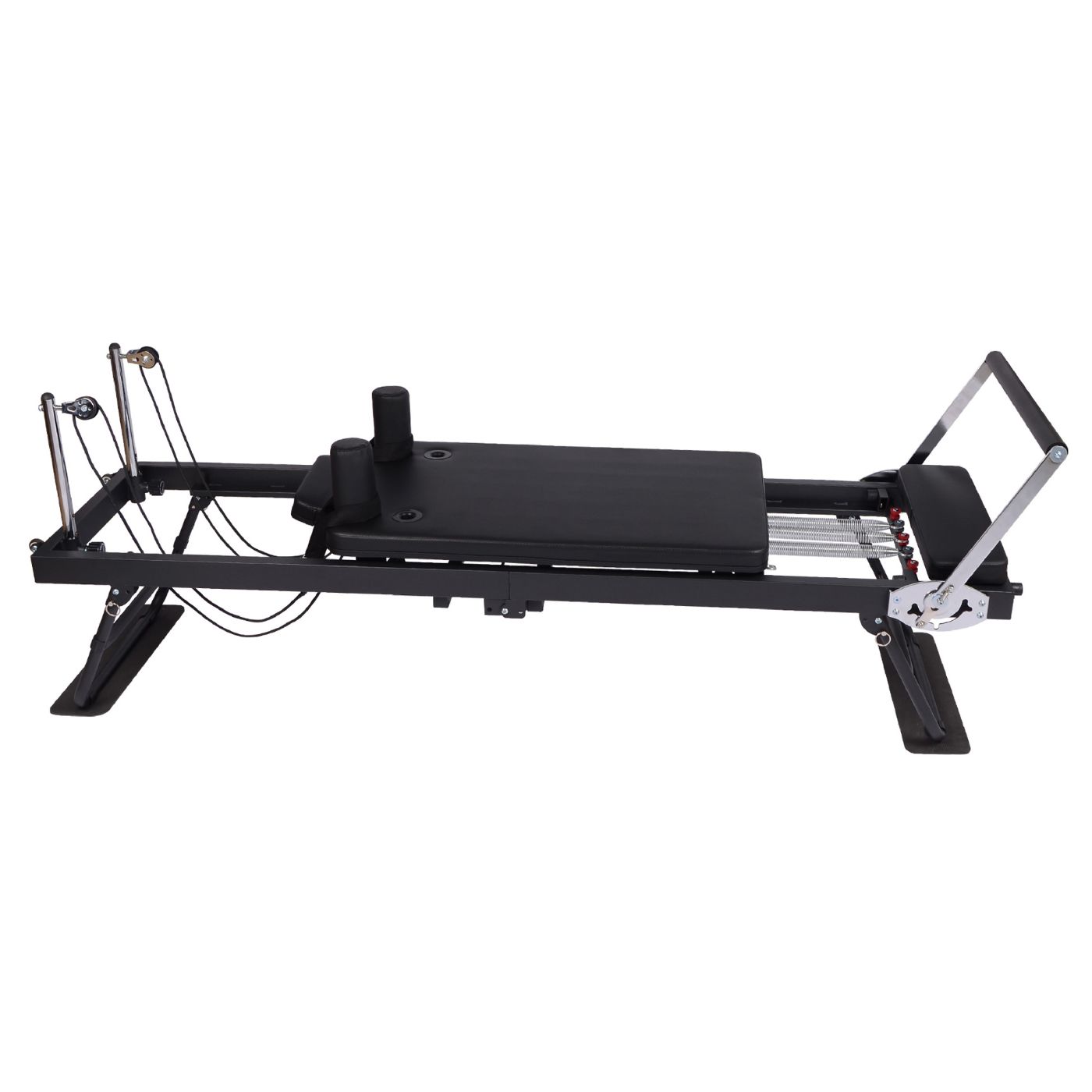
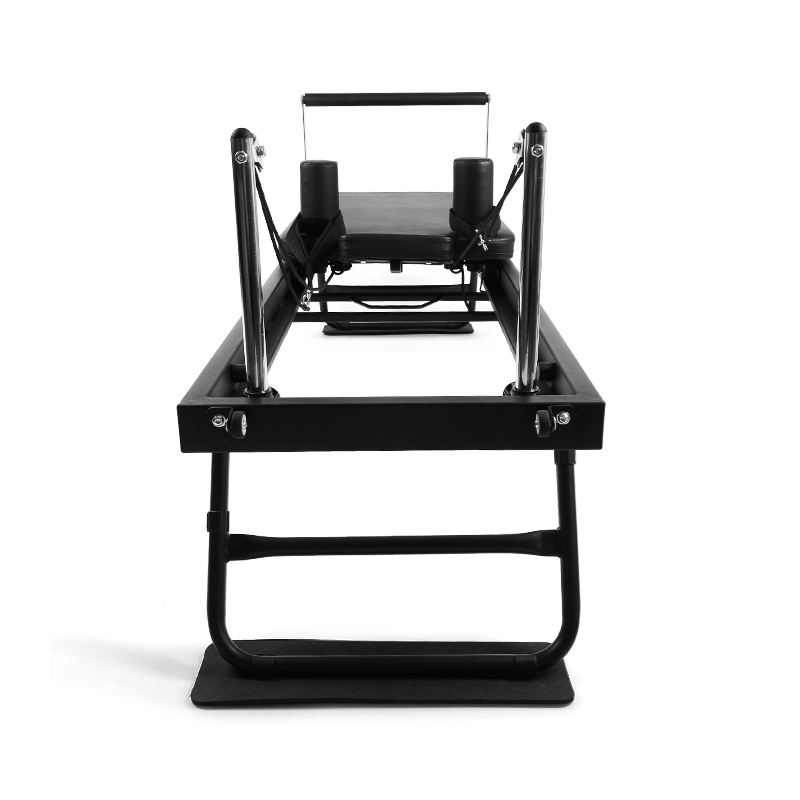
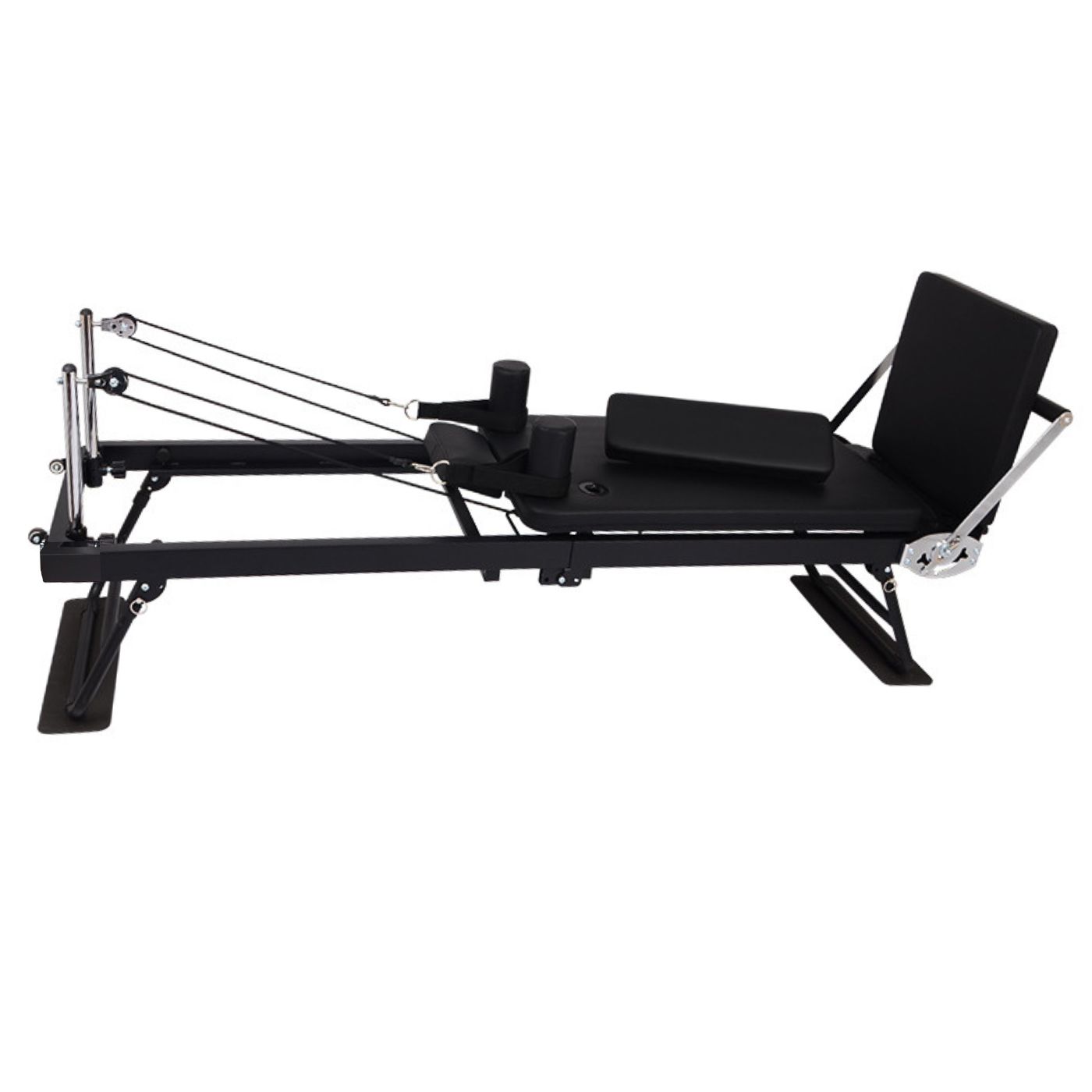
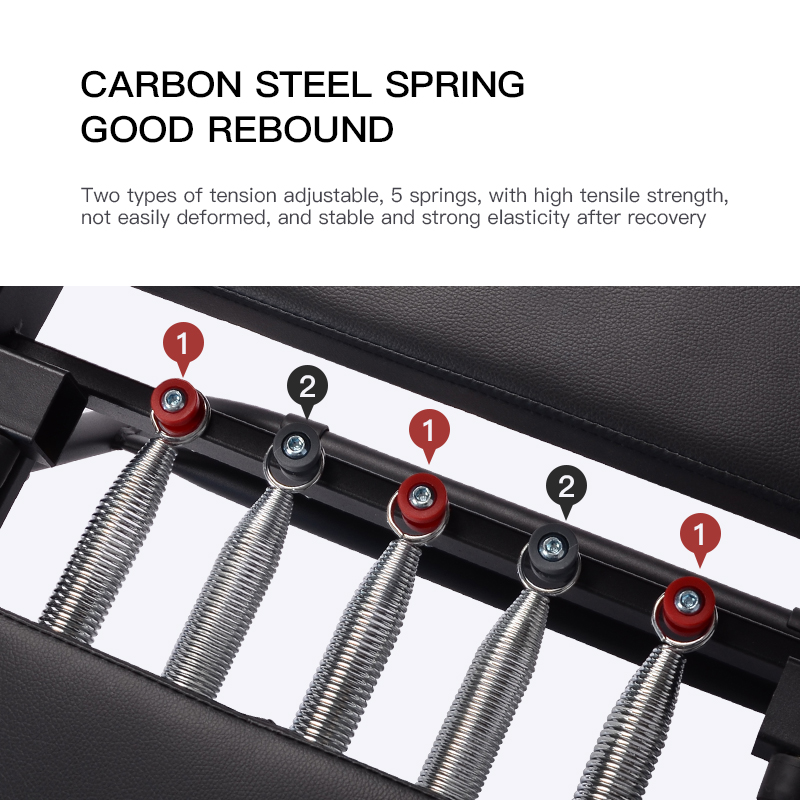
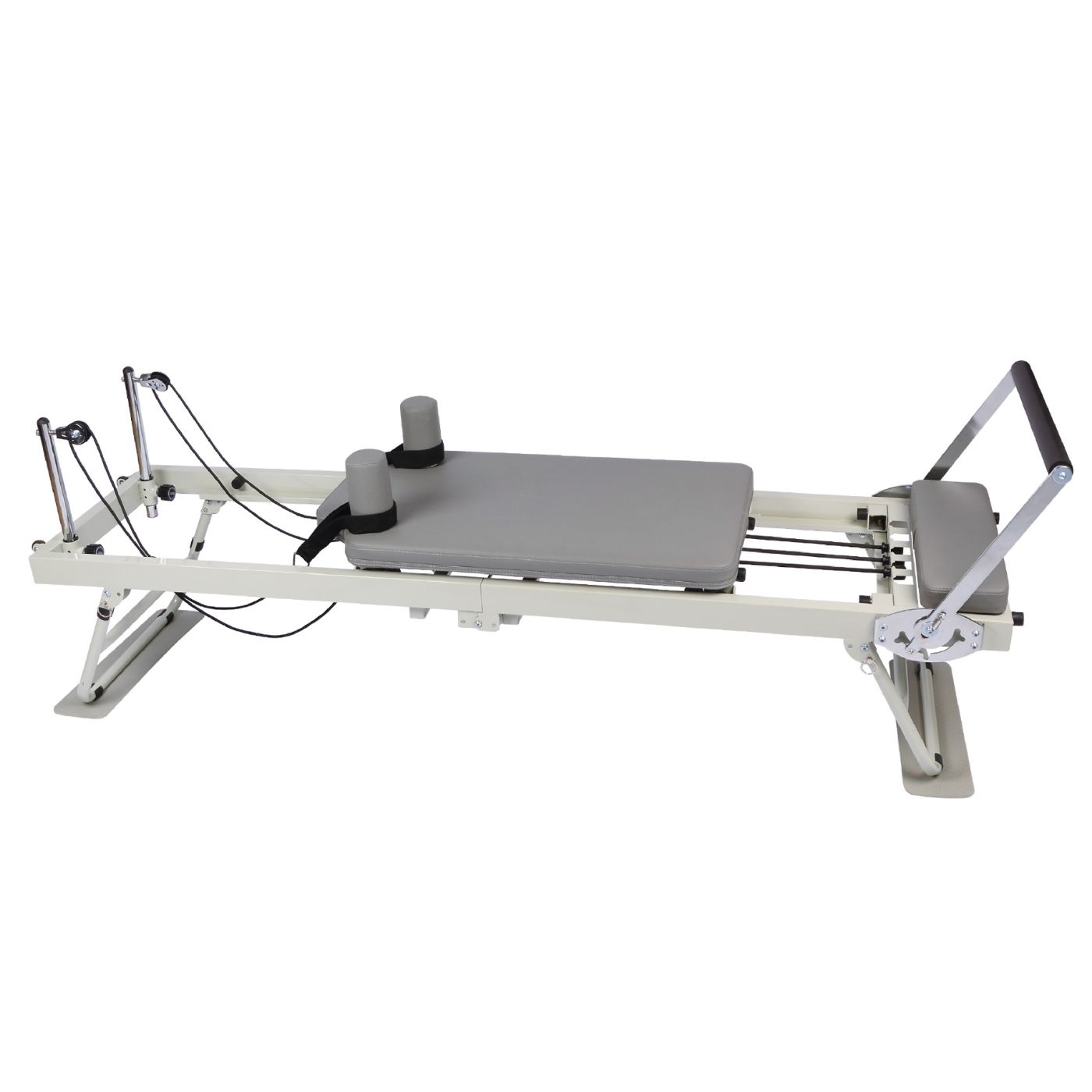
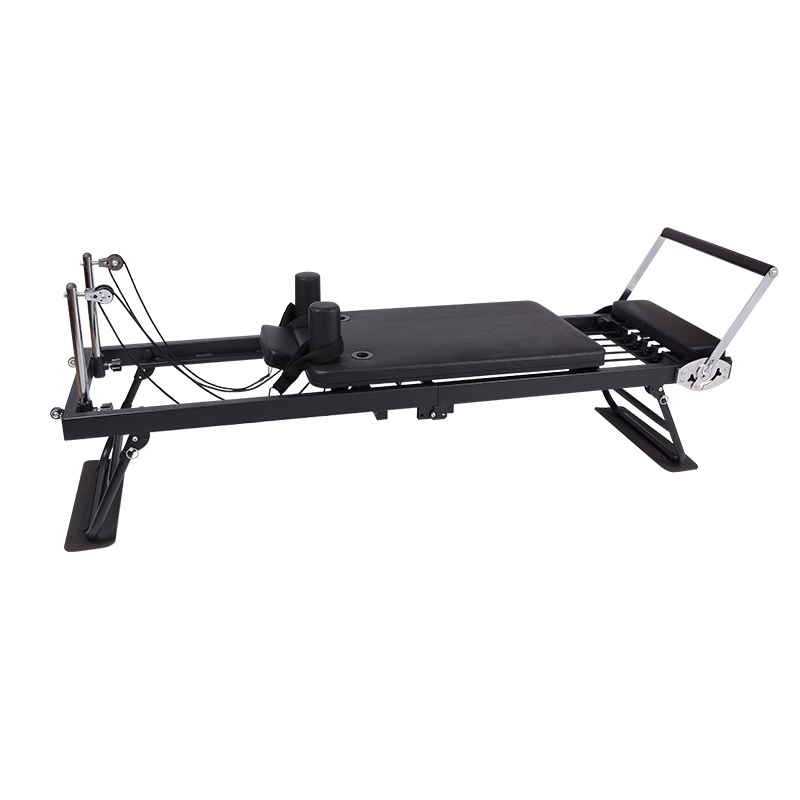
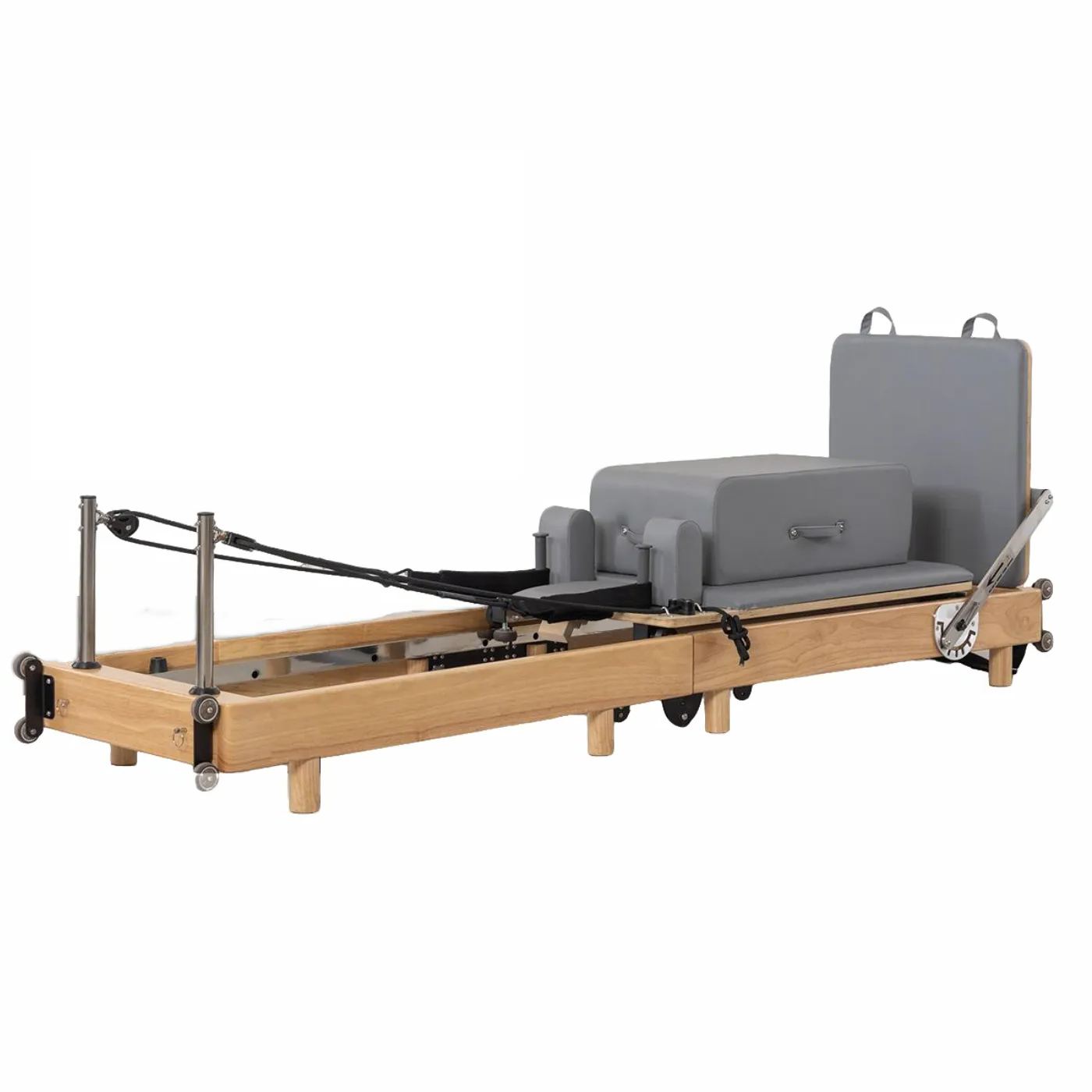
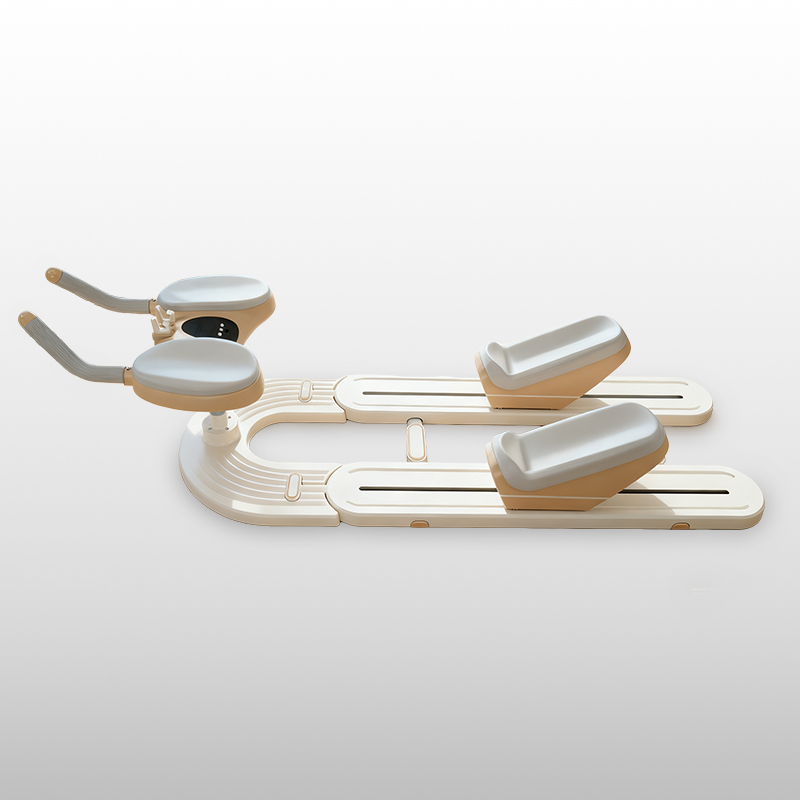
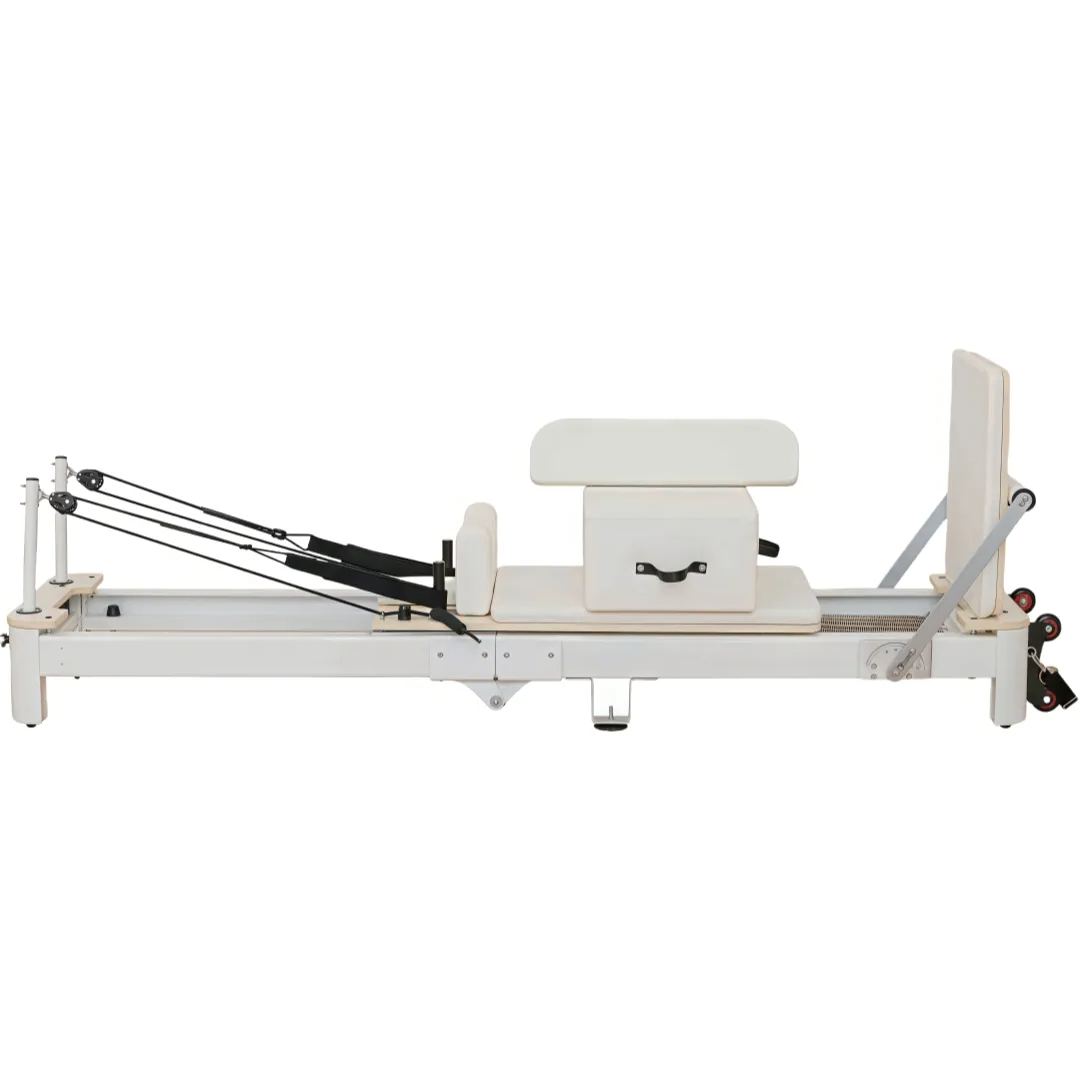
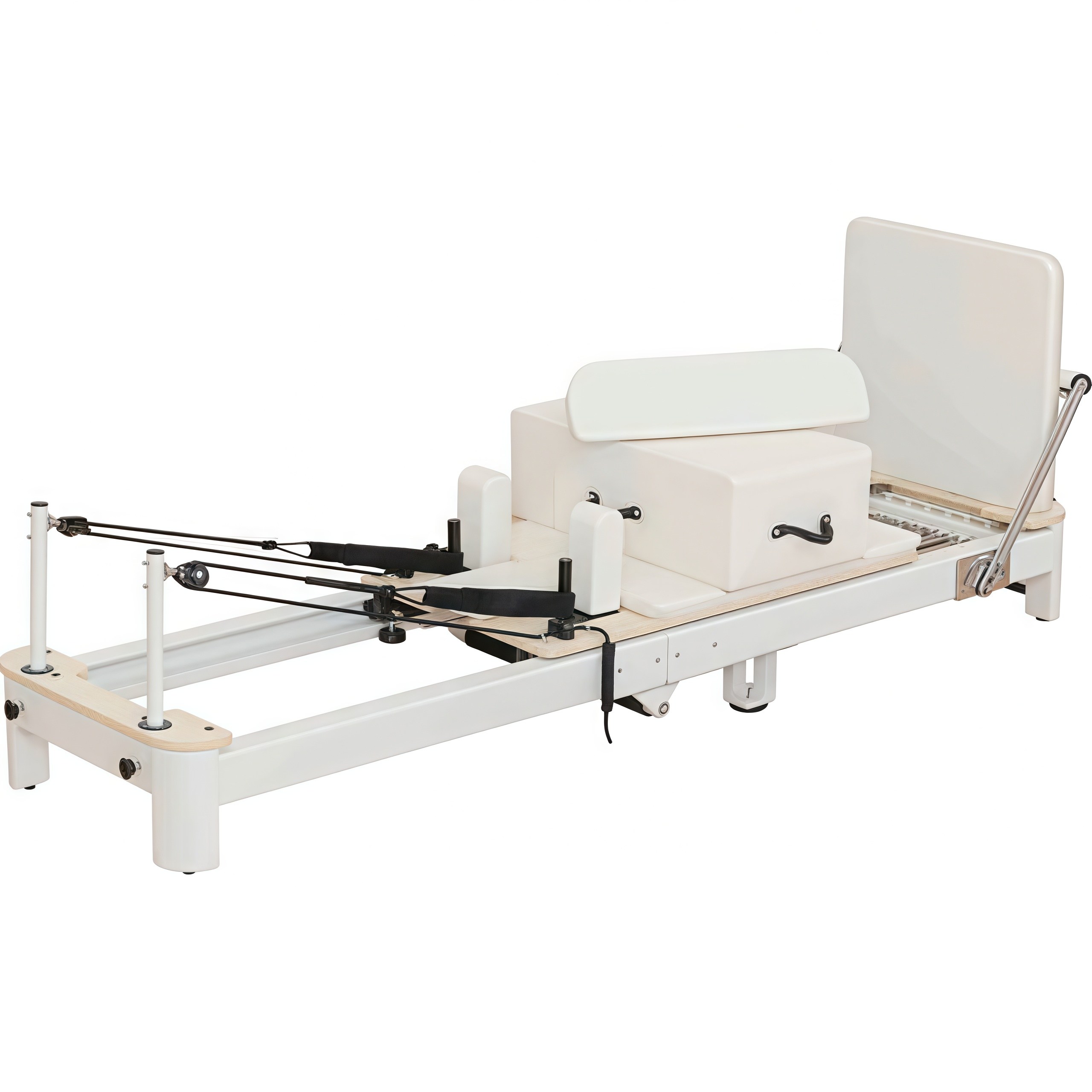
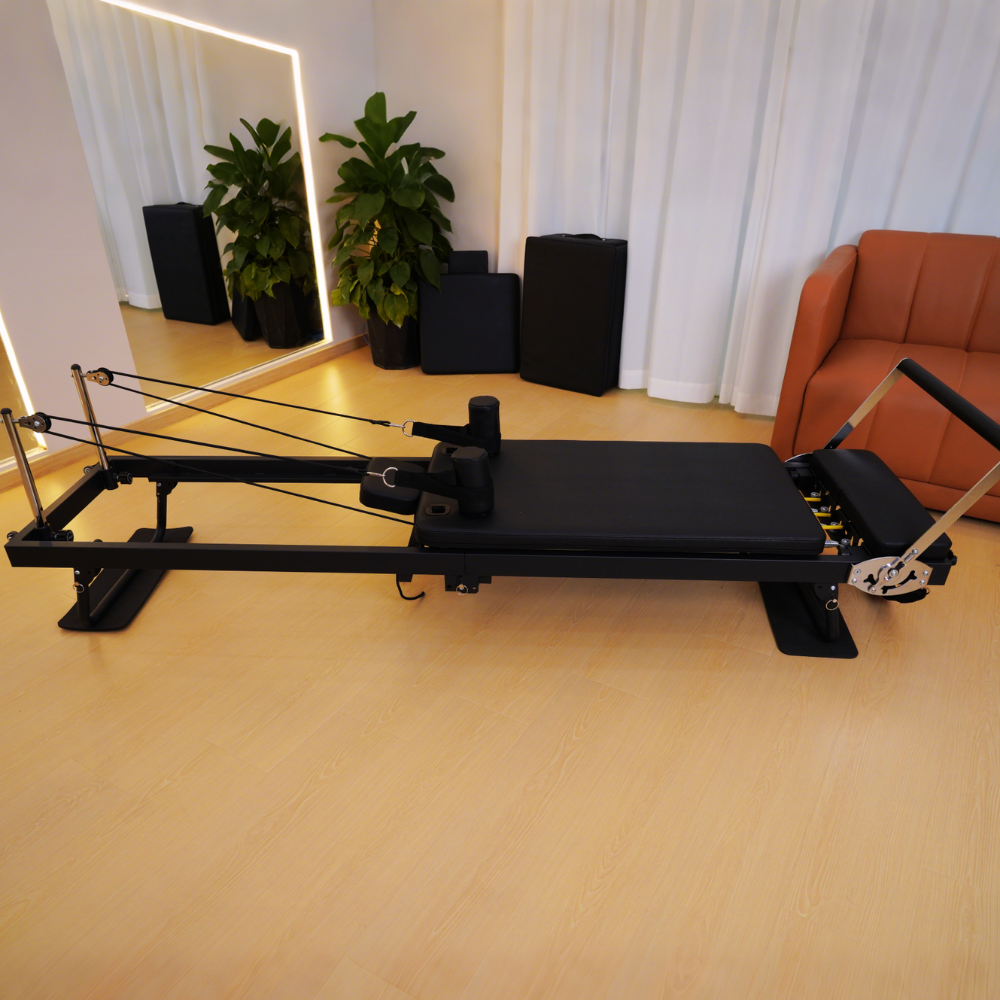
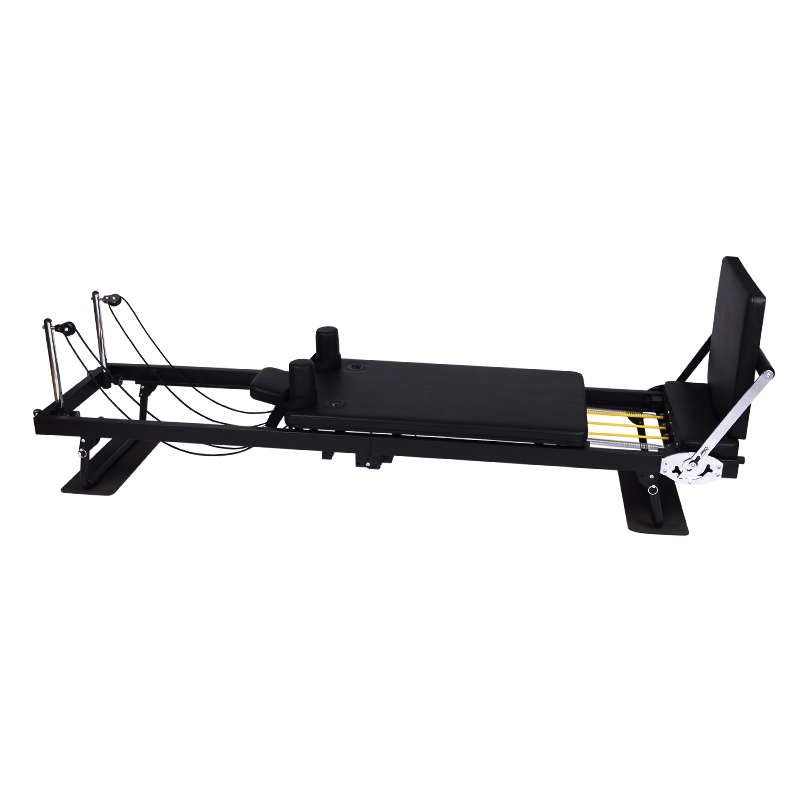
Reformer Pilates uses a piece of equipment called a Pilates Reformer machine, which consists of a sliding carriage, adjustable springs for resistance, pulleys, a foot bar, and often shoulder rests. You lie, kneel, sit, or stand on the carriage while performing controlled exercises that target your full body.
What makes it unique is the constant resistance and support the machine provides. This makes exercises both low-impact and highly effective, especially for those recovering from injuries, managing back pain, or looking to improve alignment and core control.
Example exercises:
-
Footwork series (lying on your back, pressing the carriage with your feet)
-
Leg circles with straps
-
Long stretch (plank variation with moving carriage)
-
Arm work with pulleys while seated or kneeling
Did you know? Reformer Pilates is popular among dancers, athletes, and physical therapists because of its ability to tone muscles without bulk, and correct muscular imbalances.
Can I Do Reformer Pilates at Home Without the Machine?
Yes, you can still experience many of the benefits of Reformer Pilates even if you don’t have the machine. By using household items or affordable fitness tools, you can replicate reformer-style workouts and build strength, flexibility, and control.
Here are a few creative and budget-friendly ways to get started:
1. Use Resistance Bands Instead of Springs
Resistance bands are a fantastic substitute for the reformer’s springs. You can anchor them to doors, furniture legs, or even ceiling hooks to create resistance in various directions.
Types of bands to use:
-
Long loop resistance bands for legs and arms
-
Tubing bands with handles for pushing and pulling exercises
-
Mini bands for glute and thigh work
Try this at home:
Attach long bands to the bottom of a door and mimic the footwork series lying on a mat. Or use handles to replicate seated arm pulls and rows.
2. Use Sliders or a Pilates Core Wheel
The moving carriage of a reformer can be replicated using gliding discs or furniture sliders. These allow you to perform dynamic, flowing movements that challenge your stability and core control.
Best surfaces:
-
Sliders on carpet
-
Gliding discs on hardwood or tile
-
Towels on smooth floors
Example exercise:
Try kneeling pikes: place your hands on the floor, knees on sliders, and slide your knees in and out like a reformer exercise. It's a great way to challenge your abdominals without needing a machine.
3. Try a Mini Reformer or Portable Pilates Machines
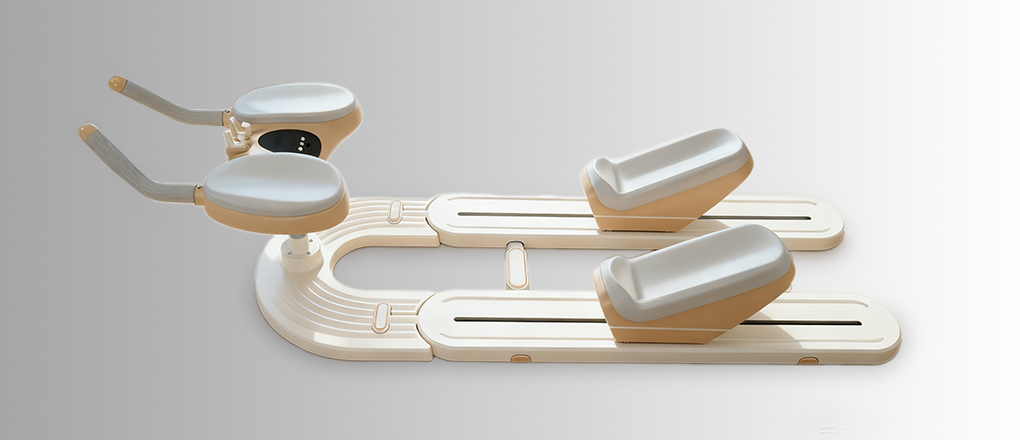
If you’re not ready to buy a full-size reformer, consider compact reformer alternatives designed for small spaces. These offer spring resistance, a sliding platform, and adjustable straps—just like studio machines, but more affordable and space-saving.
Popular compact options include:
-
AeroPilates Reformer 287
-
Merrithew At Home SPX®
Why it works:
These machines are perfect for apartment dwellers, beginners, or anyone who wants a semi-professional experience without studio prices or space requirements.
Want a Full Reformer at Home? Here's What to Know
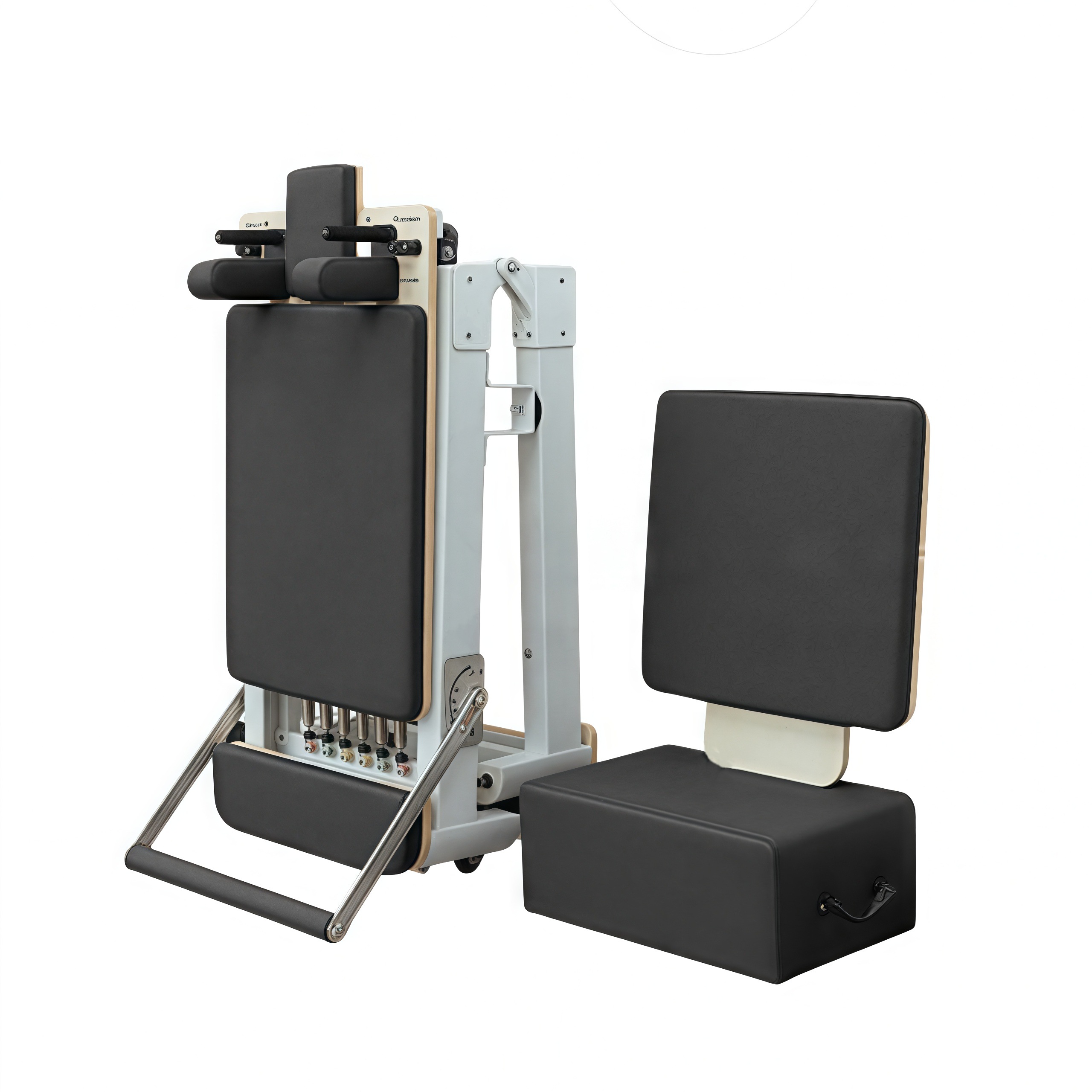
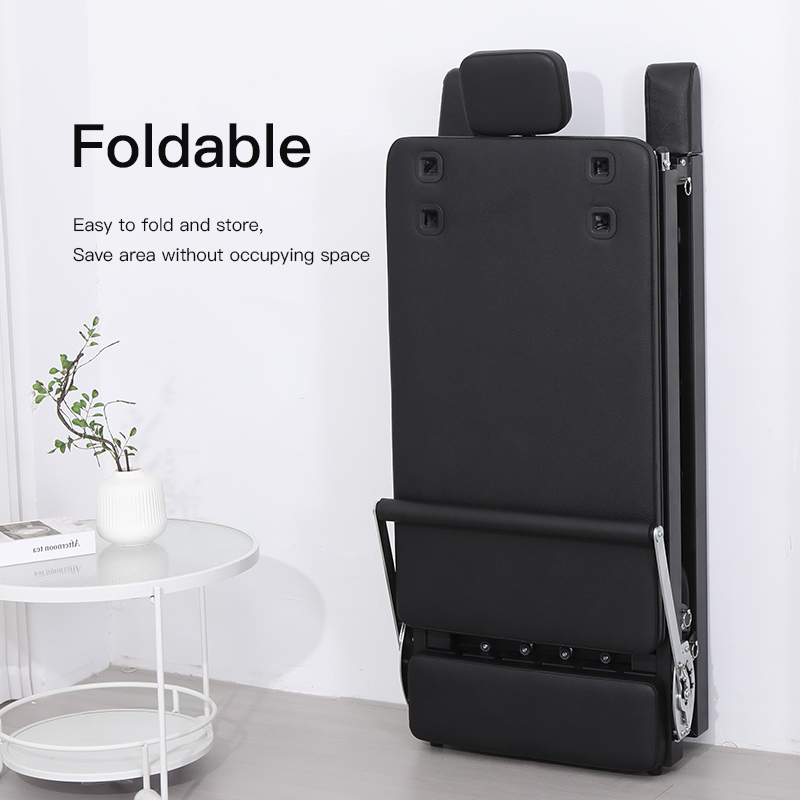
If you're serious about long-term Reformer Pilates and want the full experience, investing in your own Pilates reformer for home use can be an excellent decision. Many companies now offer reformers that are designed specifically for home use—foldable, portable, or with sleek modern designs.
What to Consider Before Buying:
-
Space: A standard reformer is around 7–8 feet long and 2 feet wide. Make sure you have enough floor space, preferably near a wall or window for safety.
-
Budget: Entry-level reformers start at about $500, while studio-grade machines can go over $4000.
-
Features: Look for adjustable spring resistance, removable shoulder rests, comfortable padding, and sturdy foot bars.
Recommended Home Reformer Models:
-
Balanced Body Allegro Reformer – Studio-quality with wheels and optional tower
-
Merrithew SPX Max Plus™ – High-end with vertical frame for more versatility
-
AeroPilates Reformer Pro XP 556 – Affordable with cardio rebounder add-on
Tip: Some companies offer installment plans, so you don’t have to pay all at once.
Can I Build a DIY Pilates Reformer?
Yes—you can build your own Pilates reformer at home if you’re handy with tools and enjoy DIY projects. While it may not have the polish of a commercial machine, a homemade reformer can still provide solid functionality for at-home workouts.
Basic Components:
-
Wooden or metal frame
-
Sliding board with caster wheels
-
Resistance bands or springs
-
Foot bar made from PVC pipe or metal
-
Handles or straps using climbing rope or yoga bands
Example: One creative builder used an old twin bed frame, added wheels and a plywood carriage, attached garage door springs for resistance, and wrapped the handles with yoga mat grips. The total cost was under $150.
Safety first: Make sure everything is secure and stable before use. DIY equipment should be tested and adjusted carefully.
Can I Access Reformer Pilates Classes at Home?
Yes! Thanks to the rise of digital fitness, you can take online Reformer Pilates classes from the comfort of your home—whether you're using a real reformer or adapting with resistance bands and sliders.
Top Online Platforms:
-
Pilates Anytime – Offers hundreds of Reformer classes at every level
-
Alo Moves – Known for beautiful, guided Pilates and yoga sessions
-
YouTube – Free channels like Trifecta Pilates and Gone Adventuring provide high-quality reformer workouts
-
The Balanced Life with Robin Long – Great for beginners and busy moms
Pro tip: Choose classes that include clear verbal cues and camera angles, so you can follow safely and effectively.
Benefits of Doing Reformer Pilates at Home
✔️ Saves time and money – No commuting or class fees
✔️ Flexible scheduling – Workout any time of day
✔️ More comfort and privacy – Especially great for beginners
✔️ Consistency – Easier to stay on track when it’s right in your living room
✔️ Customizable setup – Adapt equipment and exercises to your body and needs
Bonus: Having your own machine encourages long-term health habits and opens up the option to involve your family in your fitness journey.
Final Thoughts
So, can you do Reformer Pilates at home?
Absolutely. Whether you use a real reformer, a compact version, clever DIY alternatives, or basic tools like resistance bands and sliders—you can build a consistent and effective Pilates practice right at home.
The key is to start with what you have, stay committed to your goals, and adjust as your needs evolve. With the right tools and a little creativity, your home can become a space of movement, strength, and transformation.
Frequently Searched Keywords Used in This Blog:
-
can I do Reformer Pilates at home
-
Reformer Pilates at home
-
Pilates reformer for home use
-
compact Pilates machines
-
DIY Pilates reformer
-
home Pilates equipment
-
online Pilates reformer classes
.png?w=1400&h=1400)
.jpeg?w=1400&h=1400)
.jpeg?w=4000&h=4000)
.jpeg?w=4000&h=4000)
.jpeg?w=2560&h=2560)
.jpeg?w=800&h=800)
.jpeg?w=743&h=743)