.png?w=1400&h=1400)
.png?w=1200&h=1200)
.png?w=1000&h=1000)
.png?w=1400&h=1400)
.jpeg?w=800&h=800)
.jpeg?w=800&h=800)
-0.jpeg?w=800&h=800)
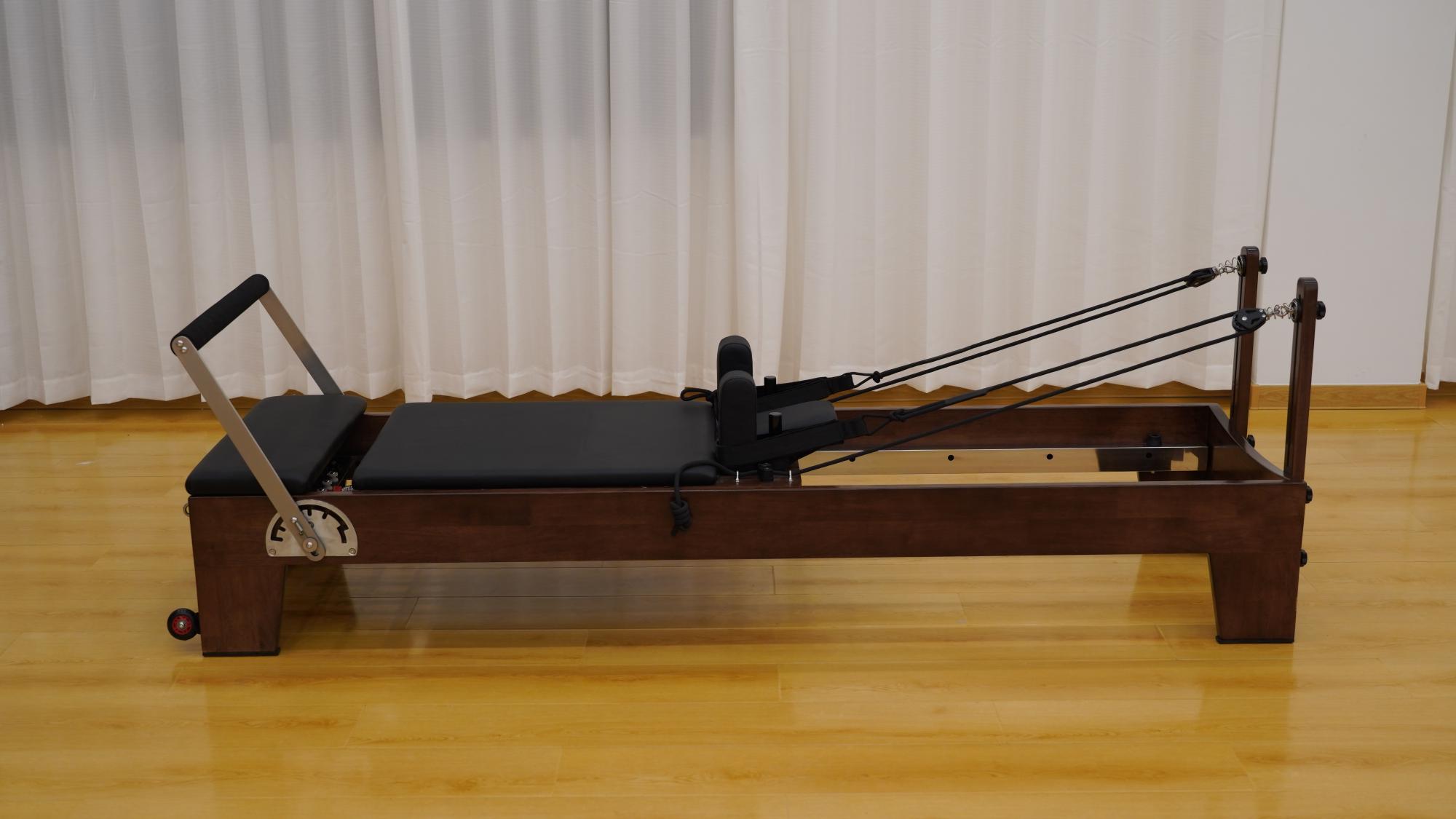
“I promised myself I will go 2 times a week, and go twice to the gym to complement. But something I did not like on the attitude is that the instructor was slightly angry that I wanted to change the resistance . She would not accept my idea that I can get muscle hypertrophy from Pilates. It sounds like an outdated idea. Hypertrophy comes from muscle tension for time, and actually when I calculated the resistance possible and torque , it could be very challenging for the muscles ! For example a hip extension with all the springs attached might be as challenging as a 100kg Romanian deadlifts . But Pilates actually gives you more variation possibility and I think it will actually have less stress on your back .”
Recently, I stumbled across a Reddit thread that sparked my curiosity. A user was asking: “Is it possible to build real muscle with Reformer Pilates?” What followed was a rich discussion — one full of personal anecdotes, debate, and honest takes.
1. Reformer Pilates Is More Than Just Stretching
When people known "Pilates," especially “Reformer Pilates,” may think about the slow, elegant movements and lots of core work on a sliding carriage. But they cannot associate with building muscle or getting stronger. But then again, not everything about fitness should come with sweat-drenched shirts and heavy barbells.
This blog is inspired by that question and aims to answer it thoroughly. If you've ever wondered whether those graceful Pilates moves can lead to muscle hypertrophy — real, noticeable muscle growth — then keep reading.
We’ll break it down using:
-
Real-life stories from Pilates practitioners
-
Insights from research
-
Comparisons with traditional strength training
-
Practical takeaways for your own workout journey
Let’s dive in.
2. What Is Muscle Hypertrophy Anyway?
The fact is that muscle hypertrophy is the process by which your muscle fibers grow larger in response to stress — usually from resistance or weight-bearing activity.
There are two main types:
-
Myofibrillar hypertrophy (growth of contractile parts of the muscle; think strength and density)
-
Sarcoplasmic hypertrophy (growth of fluid and glycogen storage; think size and shape)
To achieve either kind, your muscles need:
-
Mechanical tension: Force applied over time (lifting heavy things)
-
Metabolic stress: The “burn” you feel when reps get tough
-
Muscle damage: Microtears from overload, followed by repair and growth
Traditionally, all of this happens in the gym with barbells, dumbbells, and machines. But what about the Reformer?
3. What Makes Reformer Pilates Effective
Reformer Pilates uses a sliding board (the carriage) attached to adjustable springs, along with straps, pulleys, and bars. It was invented by Joseph Pilates, initially to help injured soldiers regain strength without strain.
Here’s what makes it different:
-
Spring resistance provides constant tension, unlike gravity-based weights that have rest points.
-
The carriage moves in multiple directions, recruiting stabilizer muscles.
-
Most exercises are low-impact, ideal for joints and recovery.
-
Movements are often slower and more controlled, focusing on precision and breathing.
This makes Reformer Pilates a powerhouse for core strength, mobility, and postural alignment. But can it grow muscle?
4. When Build Muscle, You Should know
Let’s get something out of the way: Yes, you absolutely can build muscle with Reformer Pilates — especially if you’re:
-
A beginner with little resistance training background
-
Coming back from injury or inactivity
-
Looking to increase muscle tone and strength endurance
-
Focusing on smaller, often neglected muscles (like deep core or glute medius)
Why it can make sense?
1) Progressive Resistance Is Built-In
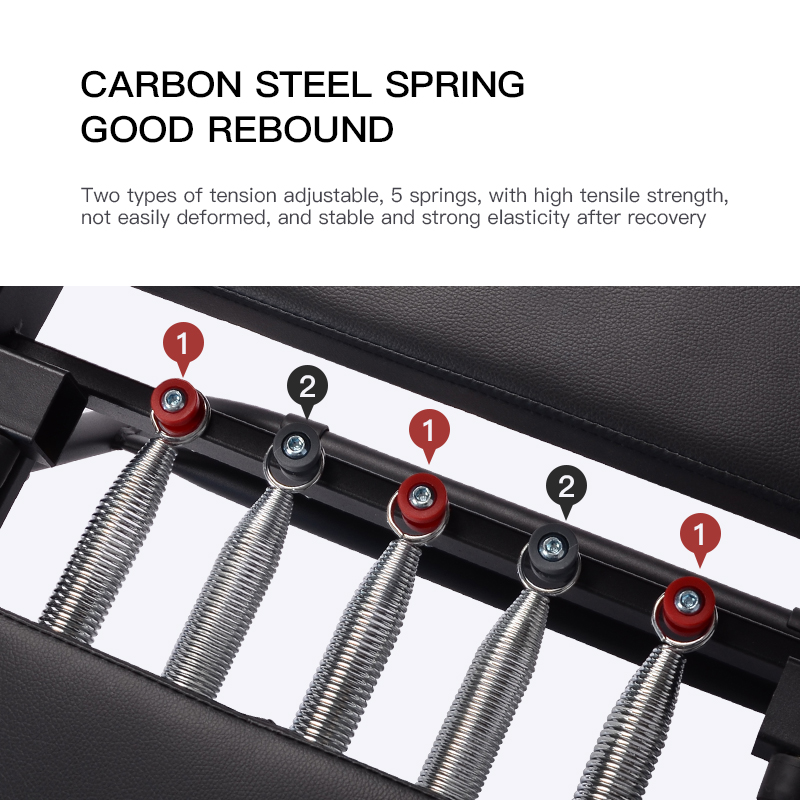
The Reformer uses springs ranging from light to heavy (often color-coded). You can progressively increase resistance, just like lifting heavier dumbbells. Some advanced practitioners even use accessories like ankle weights or resistance loops for added load.
Example from one of JuSai Members:
Carla, a 38-year-old office worker, had never lifted weights but did Reformer Pilates twice a week for 6 months. By the end, she could do full tricep presses with 2 heavy springs and hold pike positions without shaking. Her arms, abs, and glutes looked noticeably more sculpted — without ever stepping foot in a gym.
2) High Time Under Tension (TUT)
Hypertrophy thrives on time under tension. Pilates emphasizes slow, controlled movement, often with holds or pulses. That “burn” you feel in your thighs after 20 slow leg circles? That’s metabolic stress, one of the keys to muscle growth.
Example from one of JuSai Members:
Try holding a side split on the Reformer with just one red spring. After 30 seconds, your inner thighs scream. It’s the kind of fatigue that builds muscle endurance and shape.
3) Focus on Smaller, Stabilizing Muscles
Reformer Pilates hits the small muscles most people ignore in traditional training. These muscles (like the transversus abdominis, rotator cuff, and hip stabilizers) help with posture, alignment, and joint health — and yes, they grow too.
Example from one of JuSai Members:
Matt, a 45-year-old runner, noticed fewer IT band issues and visible core definition after incorporating Pilates twice weekly alongside his weightlifting. His deadlift got stronger, not weaker.
5. Why Pilates Isn’t Bodybuilding?
Now let’s be honest: Reformer Pilates won’t make you look like a bodybuilder, and it’s not designed to.
Here’s why:
1) Spring Resistance Has Limits
While adjustable, springs max out far sooner than a barbell. Once you reach a certain strength threshold, your muscles adapt — and without heavier stimulus, they stop growing.
You might tone, define, and strengthen — but dramatic hypertrophy (think thick quads or bulging biceps) requires more load than most Reformers provide.
2) Lower Recruitment of Type II Muscle Fibers
Heavy resistance training recruits Type II fibers — fast-twitch fibers responsible for explosive power and size. Pilates targets Type I fibers more: slow-twitch, endurance-focused fibers that improve tone and stamina, but not size.
3) Lack of Mechanical Overload
Pilates focuses on quality over quantity. But for hypertrophy, you sometimes need to push to failure, grinding through reps until your muscles give out. Pilates rarely takes you there — and intentionally so, since it prioritizes form, breath, and control.
6. So Who Is Reformer Pilates Best For?
Not everyone wants to bulk up. For many people, the goal is to feel strong, move pain-free, and look leaner — not to add inches to their arms.
Here’s who benefits the most from Reformer Pilates for muscle development:
- Beginners
- Women Seeking a Toned Physique
- Athletes Needing Cross-Training
- People Recovering From Injury
- Seniors or Those With Limited Mobility
7. How to Maximize Muscle Gains in Reformer Pilates
So you want results. Here’s how to train smarter:
1) Use Heavier Springs Than You Think
Don’t be afraid of the heavy springs. That shaking? That’s growth.
2) Slow Down the Reps
Focus on eccentric (lengthening) movement. It boosts hypertrophy more than concentric alone.
3) Add Pauses and Pulses
Hold positions for 5–10 seconds or pulse at the end range. This increases time under tension.
4) Add Load If Needed
Use ankle weights, dumbbells, or resistance bands if your studio allows.
5) Train Consistently
3–4 sessions per week over 10–12 weeks will bring visible changes.
6) Complement with Protein and Recovery
Your body needs protein to build muscle. Post-class nutrition and sleep matter.
8. Reformer vs. Weights — Should You Choose One?
You don't have to make the choice, you can choose both of them. Think of them as tools, not rivals. Here is some example you can consider:
| Goal | Best Tool |
|---|---|
| Functional strength | Reformer Pilates |
| Muscle mass increase | Traditional weightlifting |
| Injury prevention | Pilates |
| Explosive power | Weights |
| Core & stability | Pilates |
| Aesthetic tone | Both (ideal combo) |
Pro Tip:
Do Pilates on Monday and Thursday, lift weights Tuesday and Friday. Walk or stretch on weekends. That’s a bulletproof weekly split for strength, tone, and balance.
9. How to Choose Your Pilates Reformer For Home
1) Quality & Durability
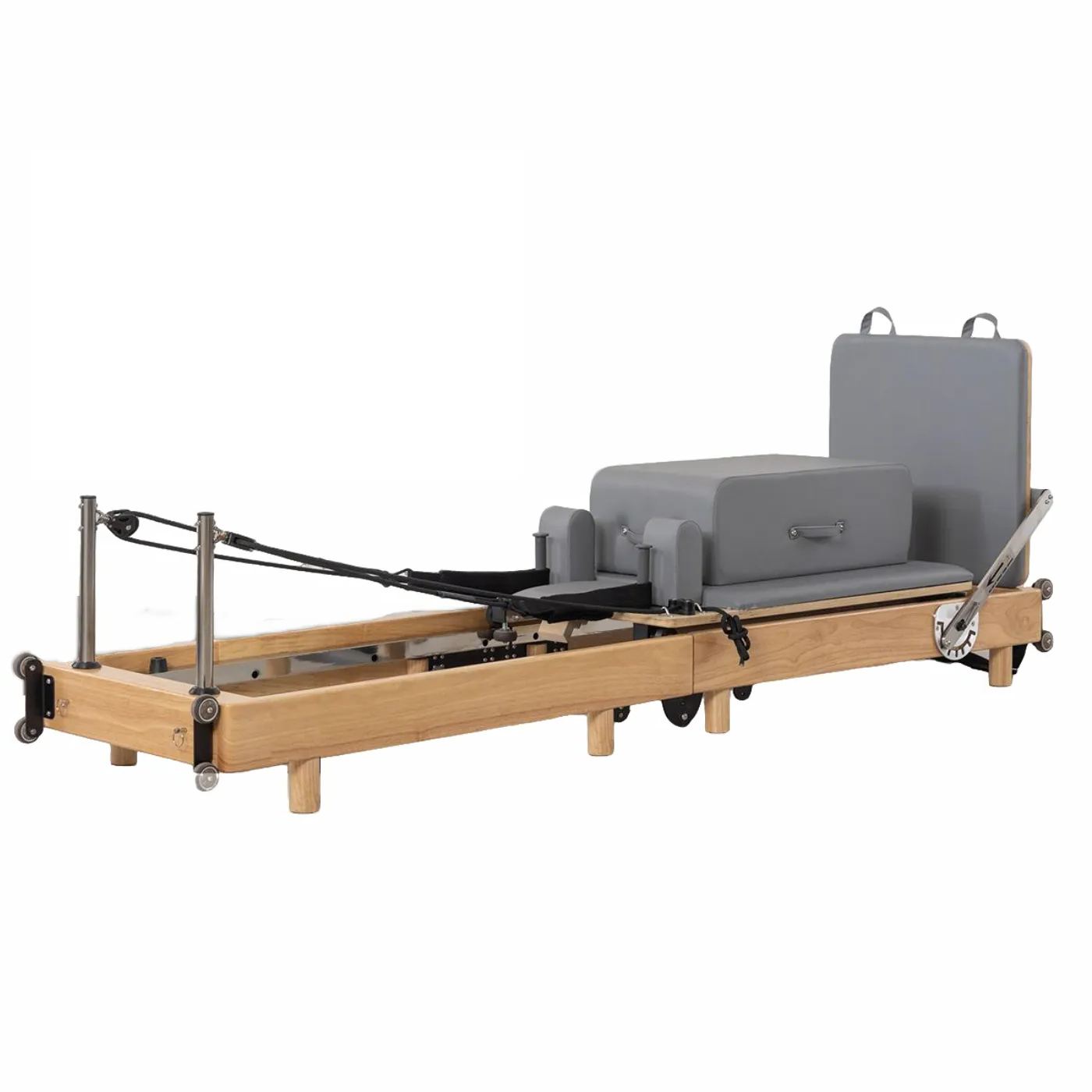
Choose a Reformer made from strong, long-lasting materials like steel or hardwood. Look for solid frames, quality springs, and sturdy construction to ensure safety, stability, and long-term performance.
2) Customization
A good Reformer should offer adjustable resistance, straps, and bed height/length to suit different users. Some models also allow color and padding customization—great for personal or studio branding.
3) Space-Saving Design
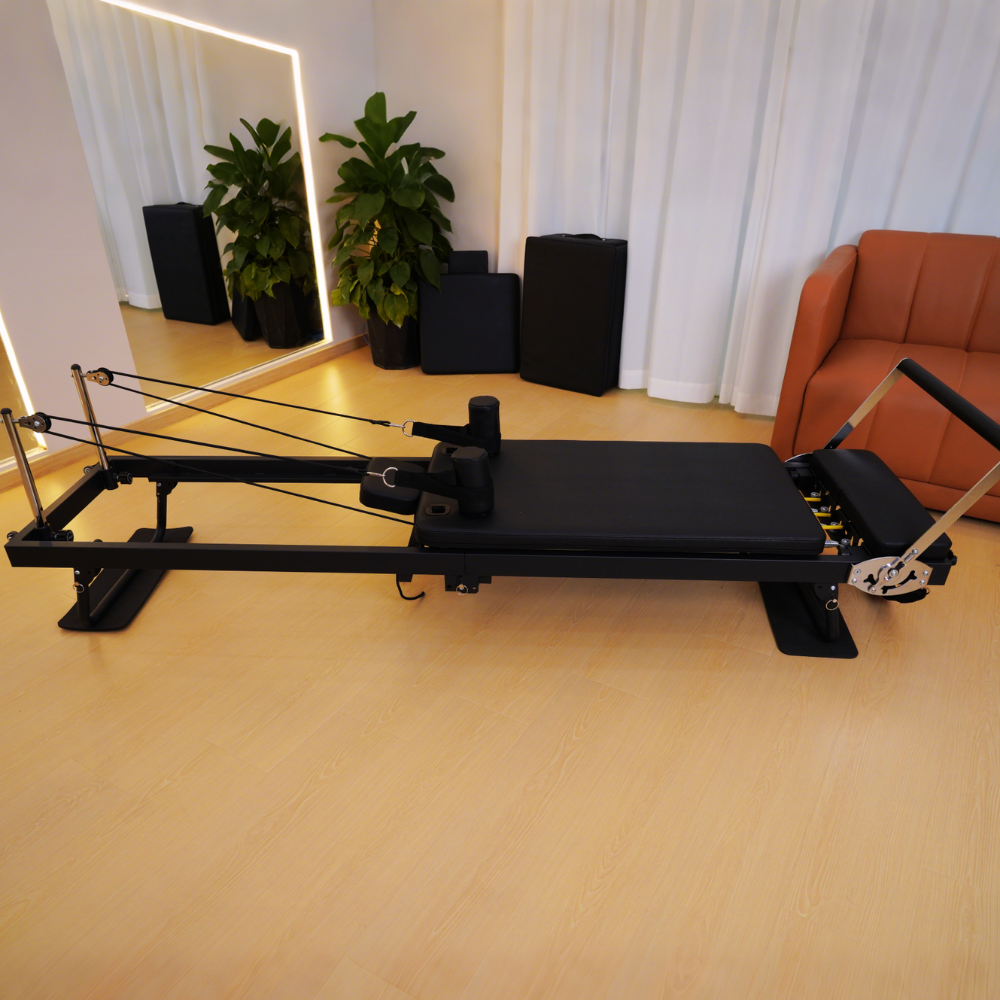
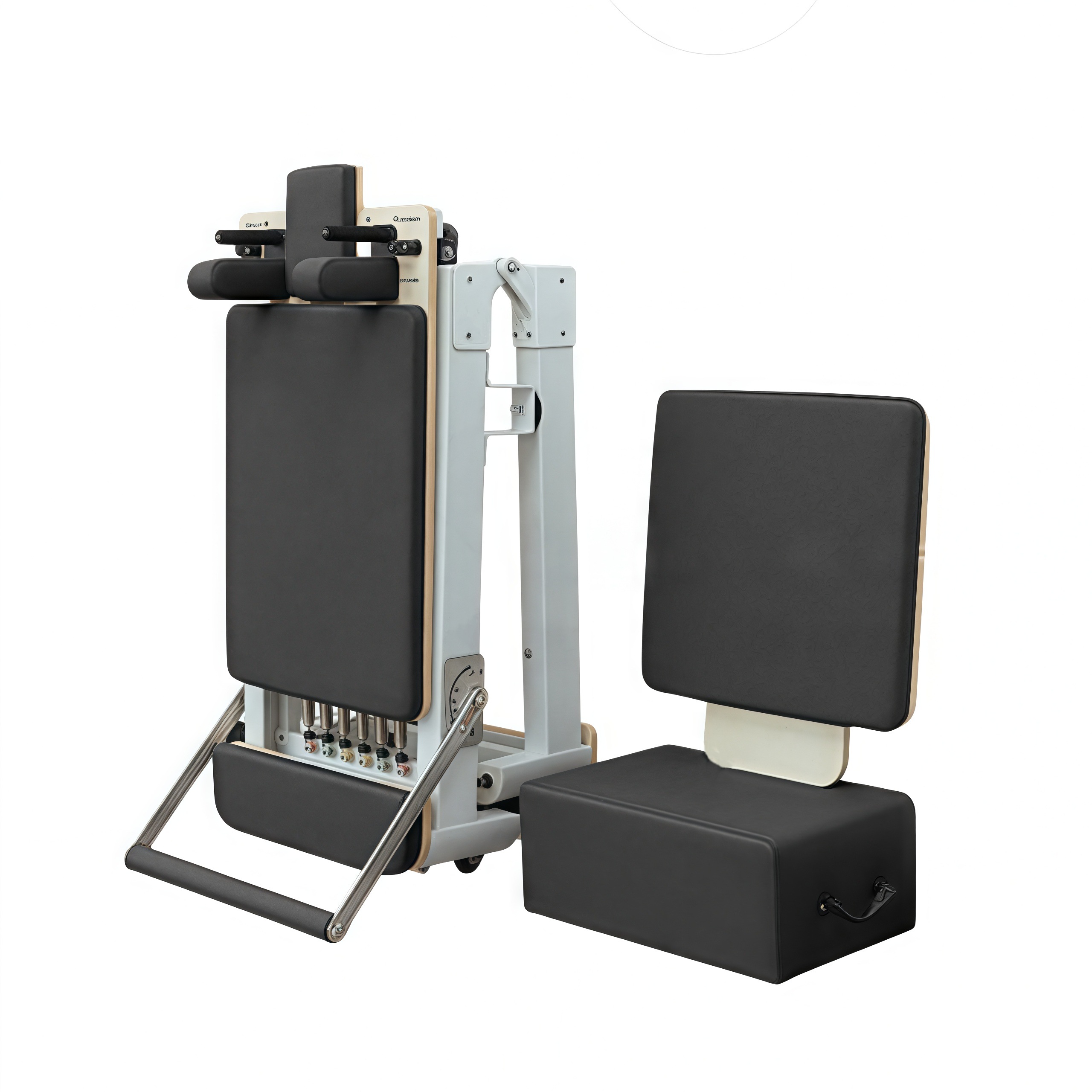
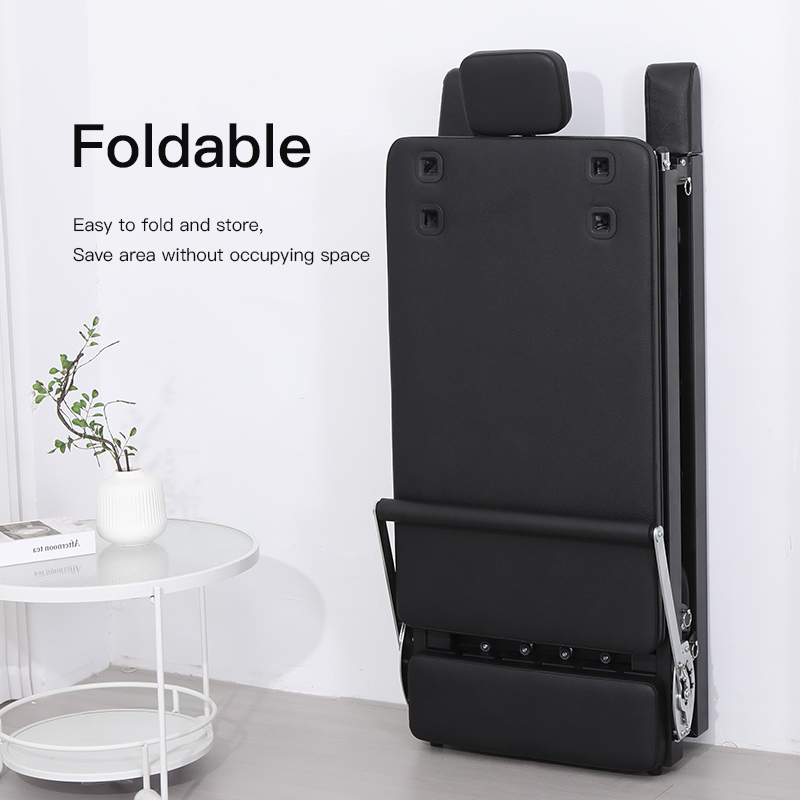
If space is limited, consider foldable or compact Reformers. Look for models with built-in wheels for easy storage without sacrificing functionality.
4) Warranty & Support
Go with a brand that offers solid warranty coverage on the frame, springs, and upholstery. Responsive customer service is also a must for peace of mind and long-term support.
5) Budget
Reformers range from a few hundred to over $10,000. Determine which features matter most to you—such as build quality, accessories, or adjustability—and choose a model that balances value with your fitness needs and budget.
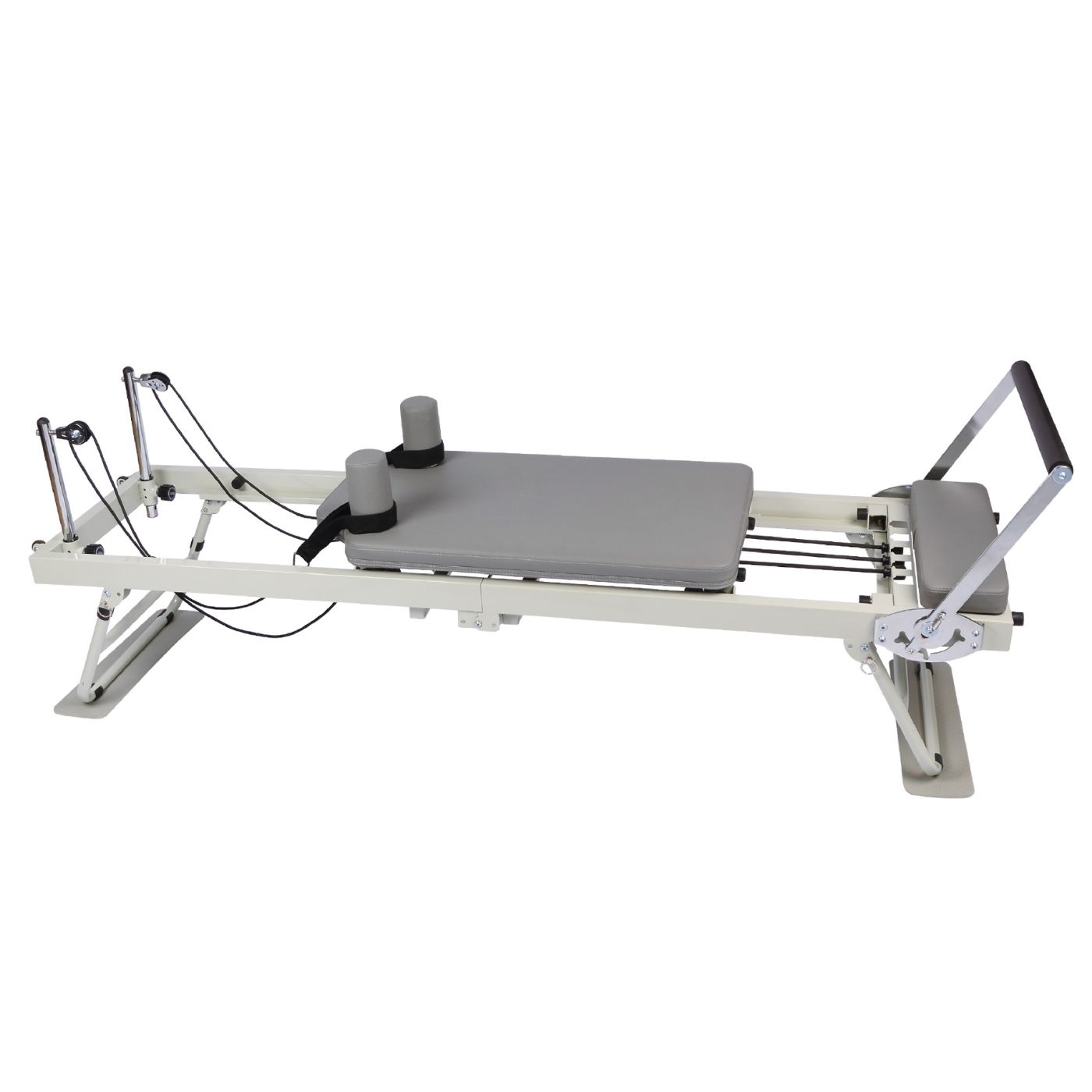
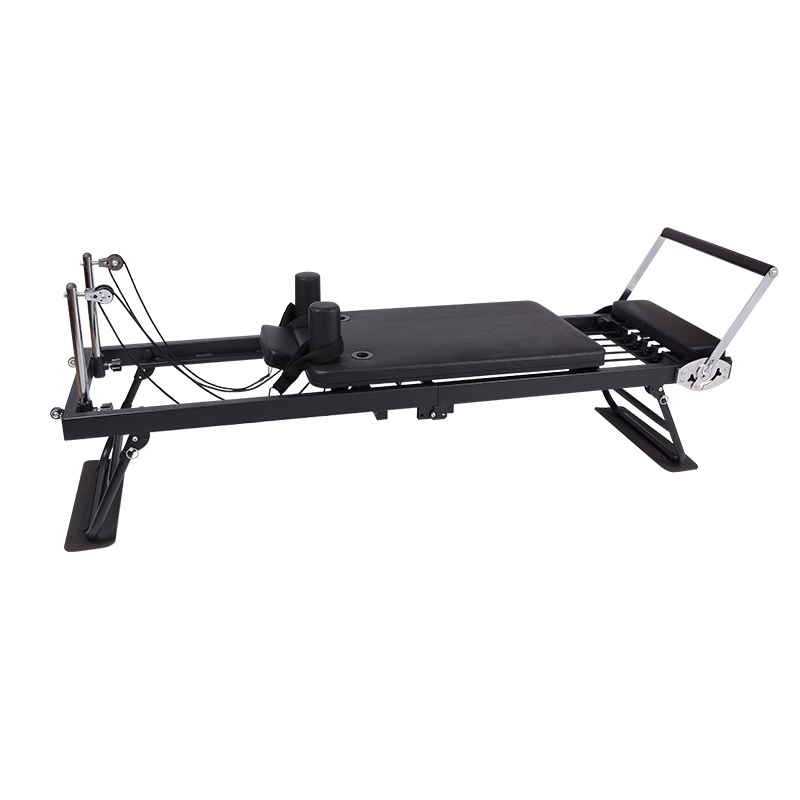
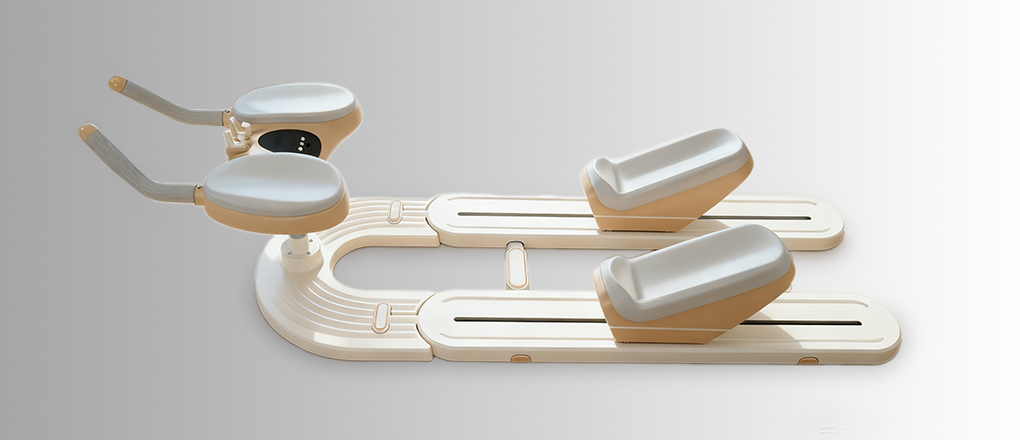
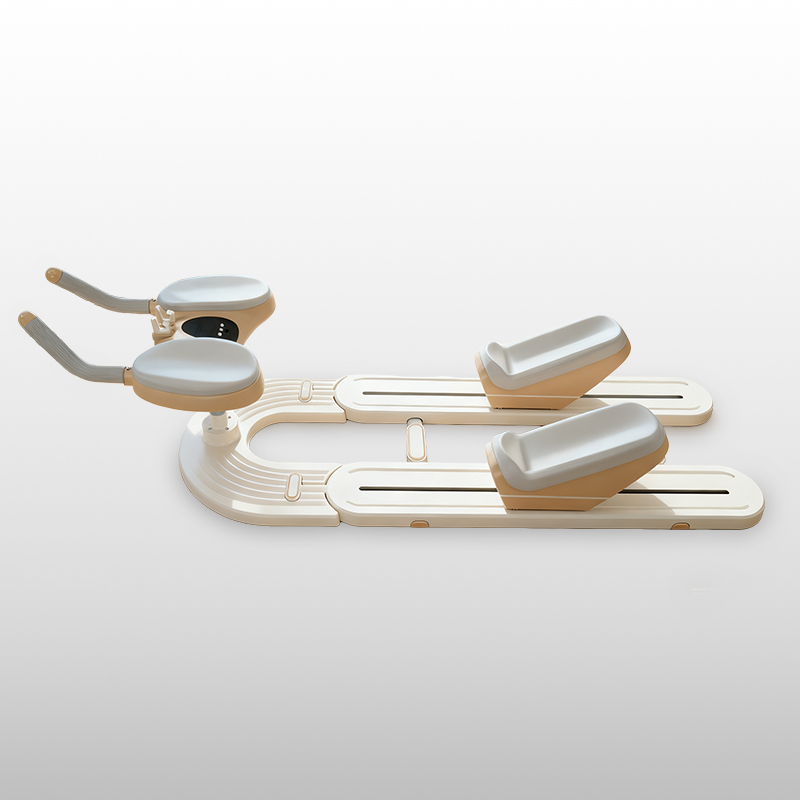
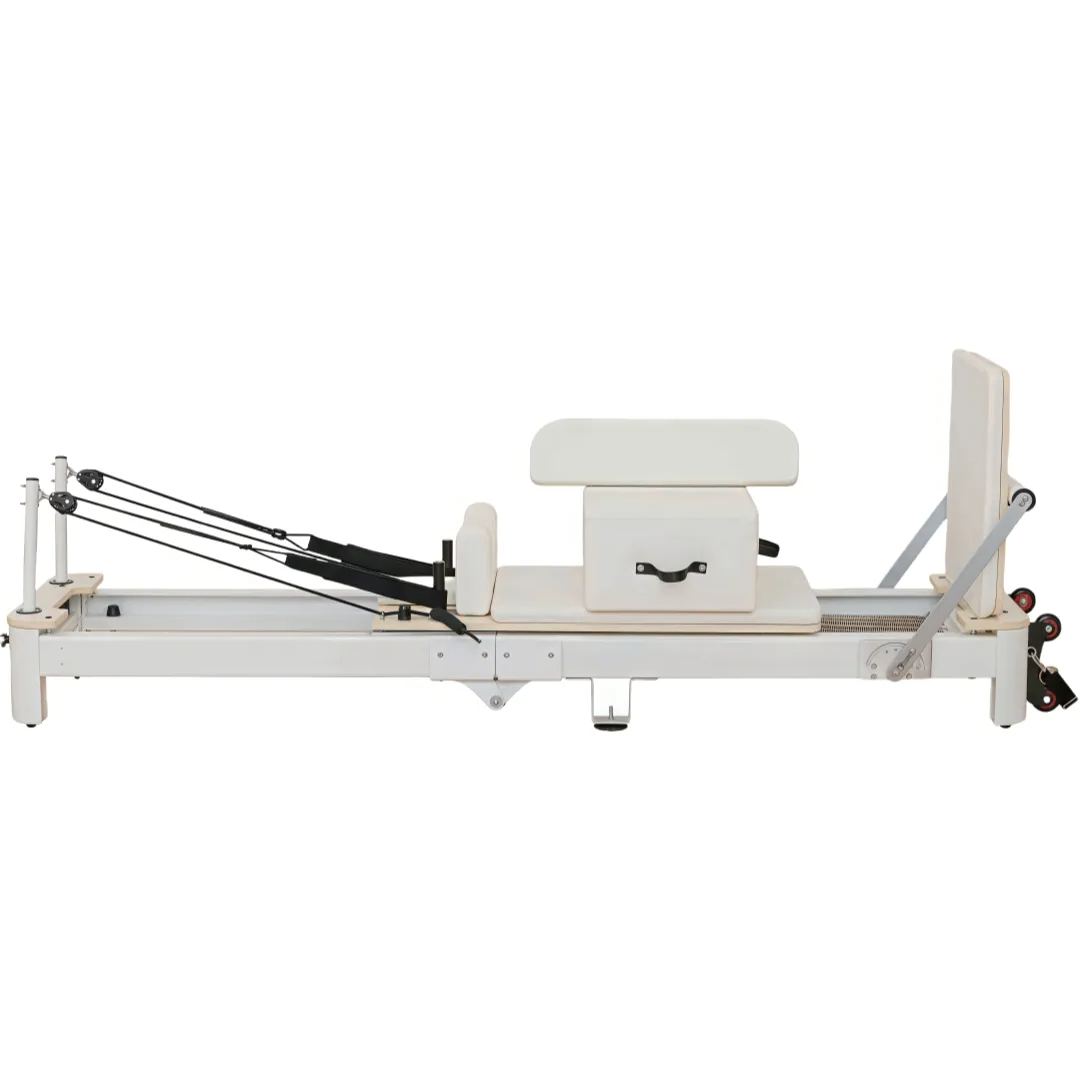
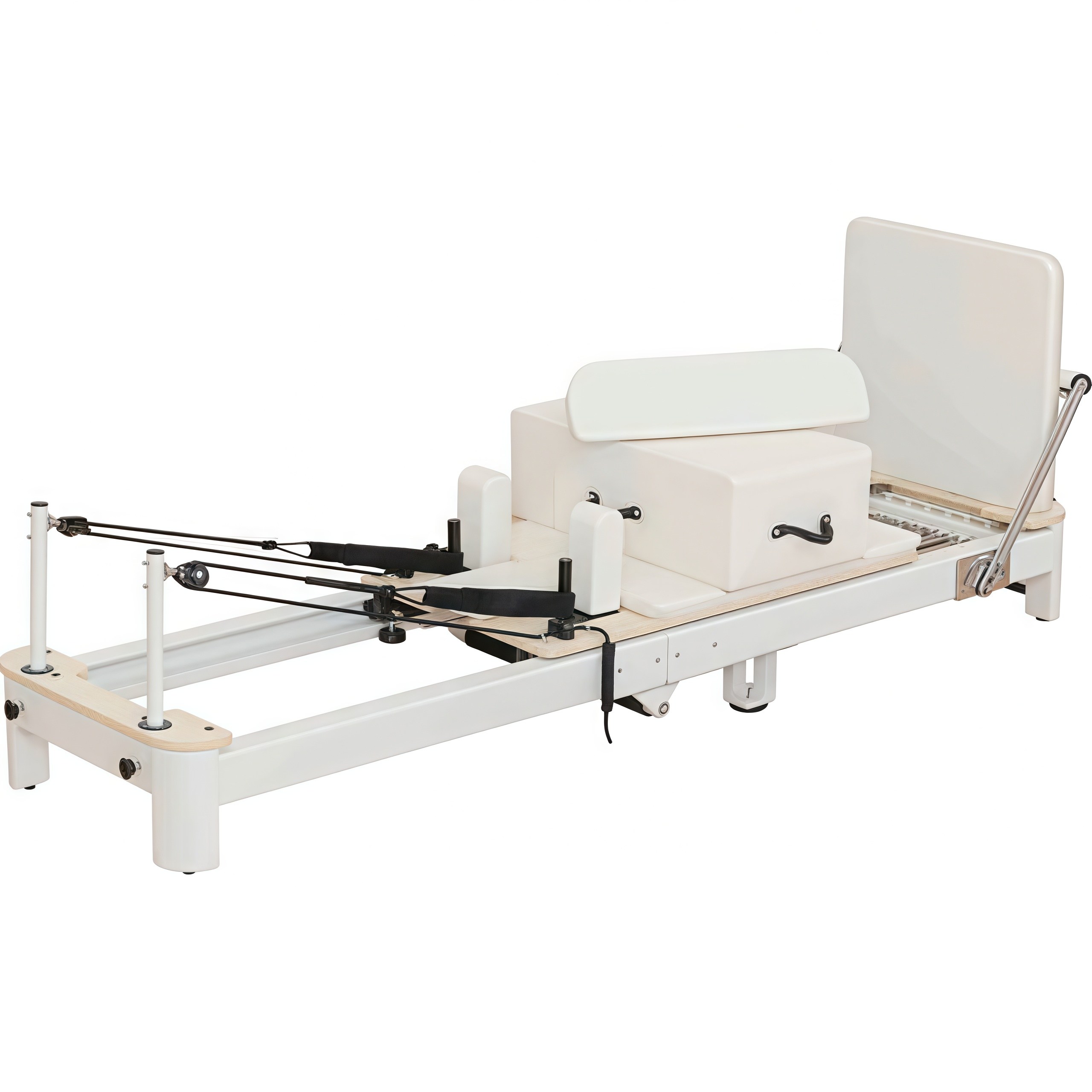
JusaiSports Pilates Reformer For Home Use
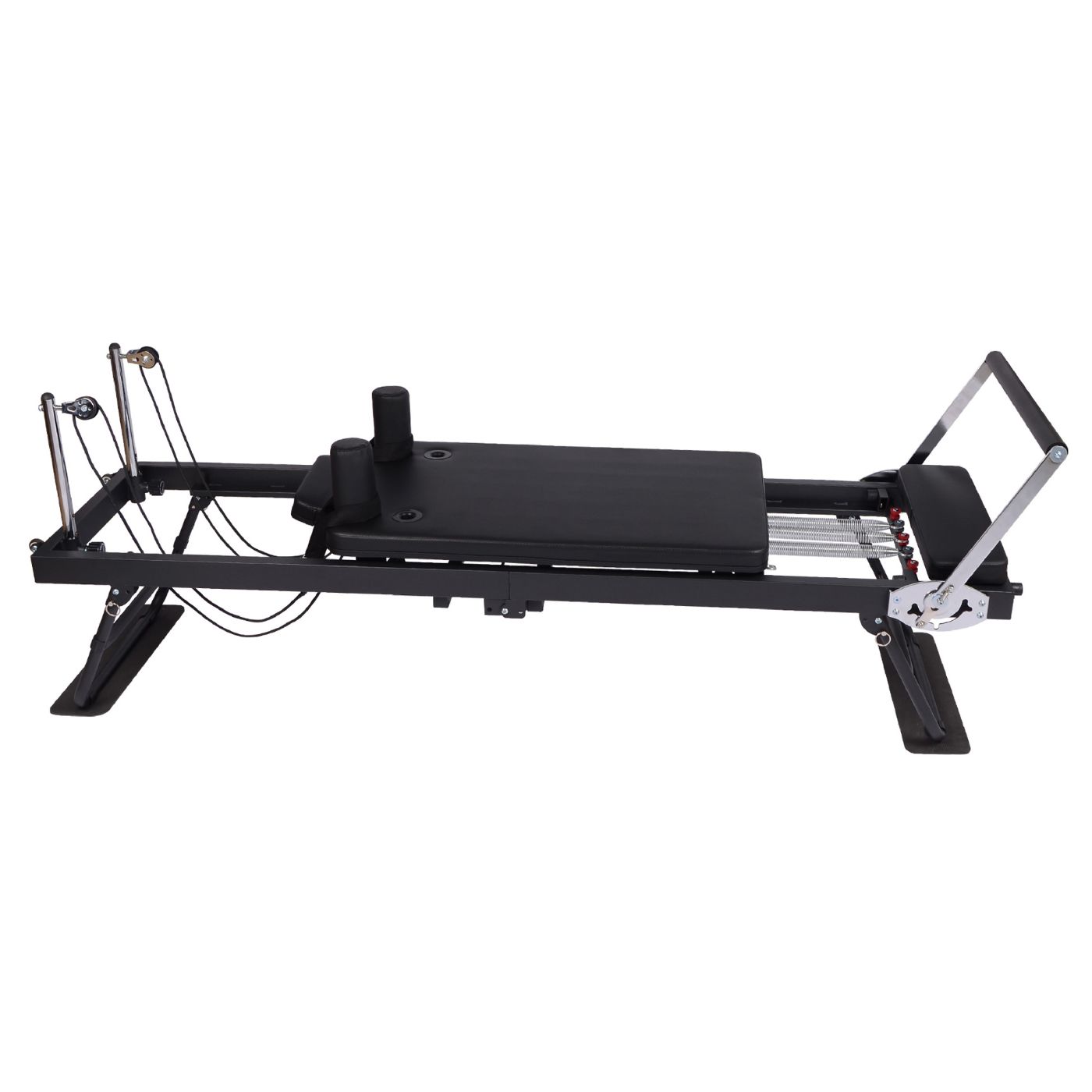
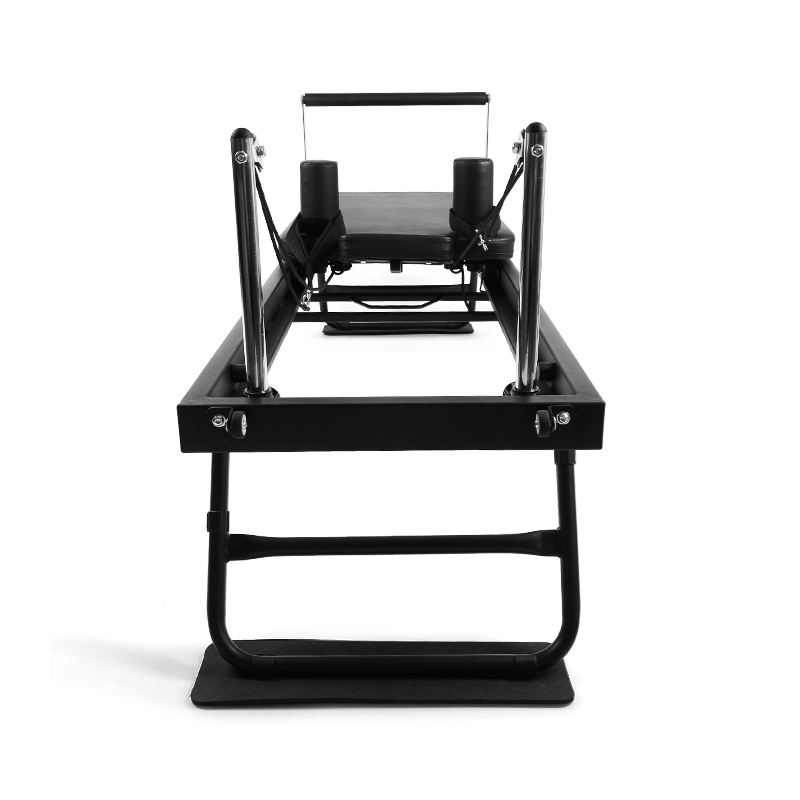
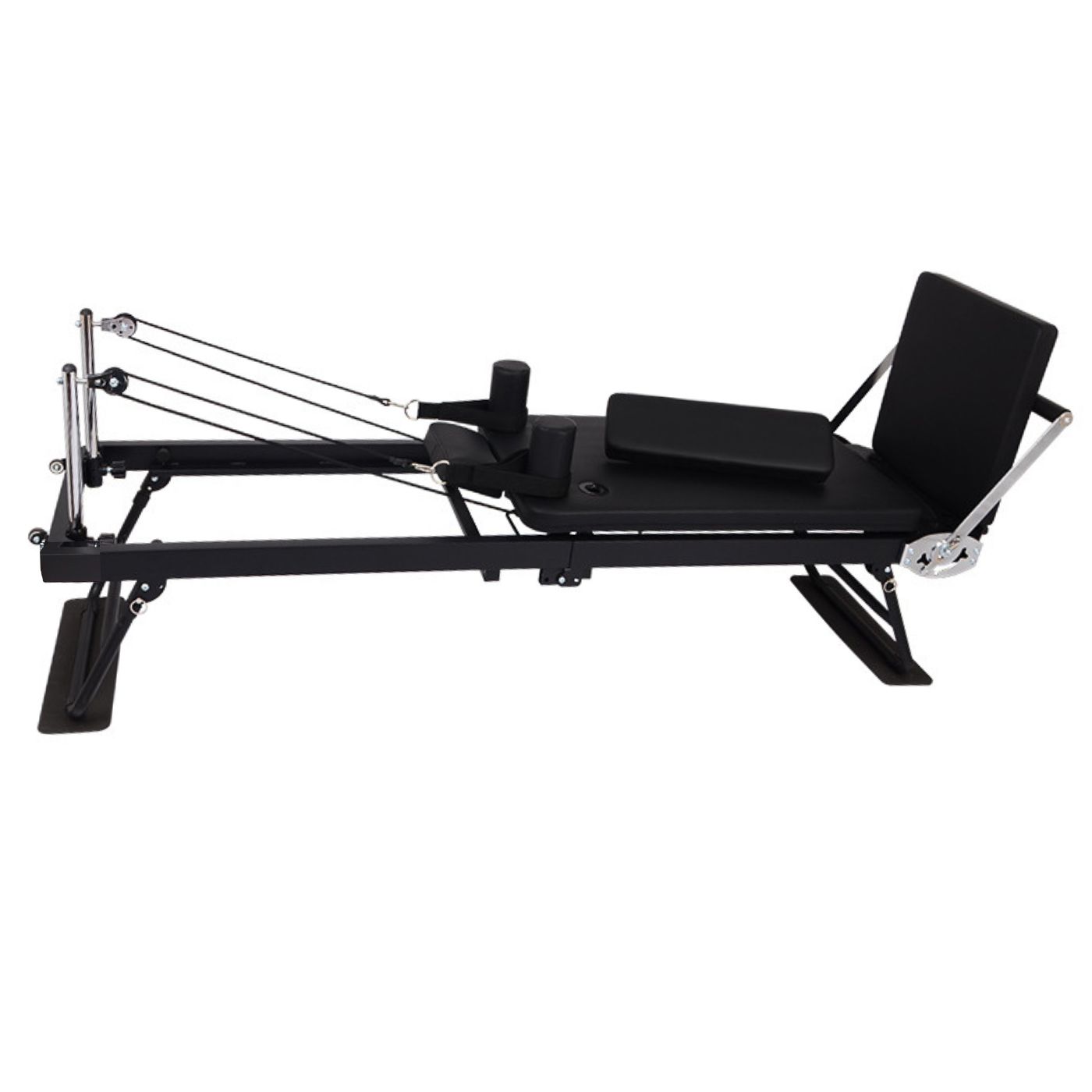
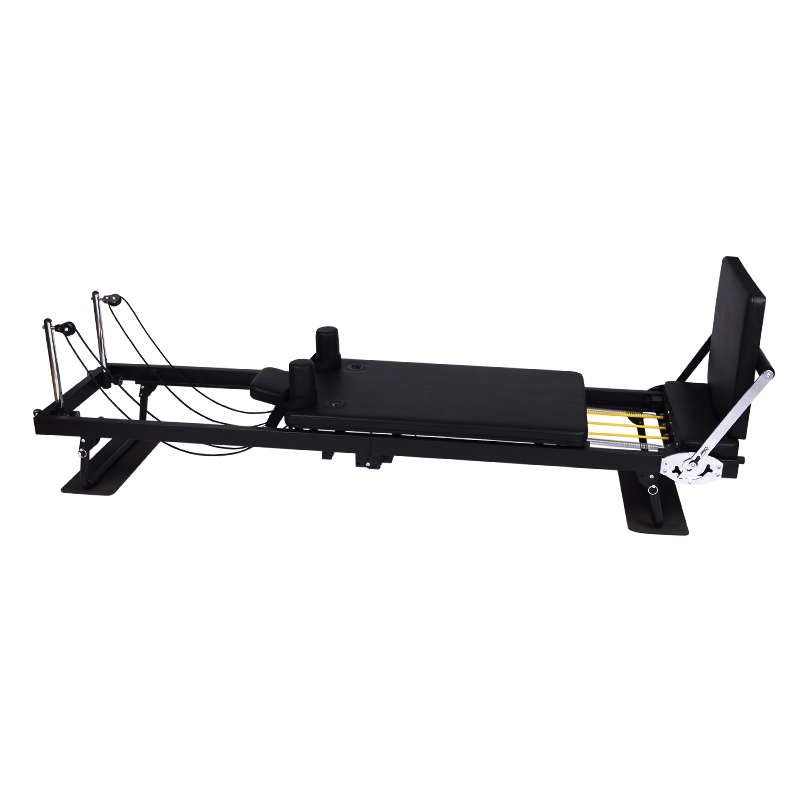
If you’re searching for a reformer that doesn’t break the bank but still delivers studio-like performance, the JusaiSports Foldable Pilates Reformer is a top contender.
Key Highlights of JusaiSports Foldable Reformer:
-
Affordable Price: Designed to be budget-friendly without compromising function. It’s ideal for first-time reformer buyers or families looking for shared fitness solutions.
-
High-Quality Materials: Crafted with durable alloy frames and smooth-glide tracks, the JusaiSports model is built for everyday use. High-density foam padding and an adjustable headrest ensure comfort for users of all heights and fitness levels.
-
Space-Saving Design: The reformer folds in seconds and can be stored upright or horizontally. Integrated wheels allow for easy transport from room to room.
-
Adjustable Resistance: With a customizable spring system, you can scale your workouts from gentle rehabilitation to full-body toning.
-
User-Friendly Assembly: No tools or special skills required — most users have it ready to go in under 30 minutes.
-
Versatility: Suitable for beginners, seniors, and advanced practitioners alike. Compatible with standard reformer accessories like jumpboards, foot bars, and resistance loops.
Whether you're an experienced Pilates enthusiast or just starting your wellness journey, JusaiSports offers a practical and dependable entry point into reformer training.
.png?w=1400&h=1400)
.jpeg?w=1400&h=1400)
.jpeg?w=4000&h=4000)
.jpeg?w=4000&h=4000)
.jpeg?w=2560&h=2560)
.jpeg?w=800&h=800)
.jpeg?w=743&h=743)