.png?w=1400&h=1400)
.png?w=1200&h=1200)
.png?w=1000&h=1000)
.png?w=1400&h=1400)
.jpeg?w=800&h=800)
.jpeg?w=800&h=800)
-0.jpeg?w=800&h=800)
(1).jpg?w=2000&h=1125)
In the modern world, most of us spend hours hunched over laptops, phones, or sitting at desks. The result? Poor posture and chronic back pain. According to global health studies, more than 70% of adults experience back discomfort at some point in their lives, with poor posture being one of the leading contributors.
.jpeg?w=678&h=666)
.jpeg?w=612&h=641)
You don’t need an expensive gym membership, bulky reformer machines, or constant chiropractic appointments to start improving your posture and reducing back pain. One compact, versatile solution is the Pilates Board.
This article explores how a Pilates Board can target poor posture, strengthen your back and core, and provide natural relief from discomfort. You’ll also learn step-by-step exercises you can do at home and tips for using the JuSai 6-in-1 Portable Pilates Board safely and effectively.
Why Poor Posture Causes Back Pain
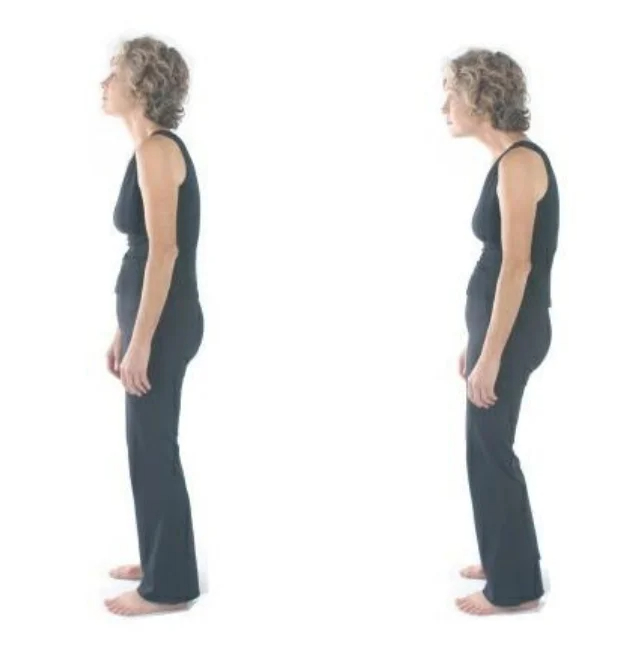
Before jumping into the solution, it’s important to understand the problem. Poor posture places uneven pressure on the spine and surrounding muscles. Over time, this leads to:
-
Rounded shoulders (forward head posture from looking at screens)
-
Weakened core muscles (slouched sitting weakens deep stabilizers)
-
Tight hip flexors (sitting shortens these muscles, pulling the pelvis out of alignment)
-
Lower back strain (lumbar spine compensates for imbalances above and below)
In short, poor posture creates a chain reaction of muscular imbalances that stress the spine. Pilates directly addresses this by focusing on alignment, strength, and controlled movement.
(1).jpg?w=2000&h=1124)
Why Choose a Pilates Board for Back Health?
There are many ways to strengthen your core and improve posture—yoga, weight training, stretching. But the Pilates Board offers unique advantages:
-
Low Impact, Spine-Friendly
Pilates movements emphasize slow, controlled actions that protect the back while strengthening muscles. -
Full-Body Alignment Training
Unlike isolated exercises, Pilates integrates breathing, posture, and core control in every movement. -
Stability with Resistance
The Pilates Board combines a stable platform with resistance bands, making it beginner-friendly but still effective. -
Portable and Space-Saving
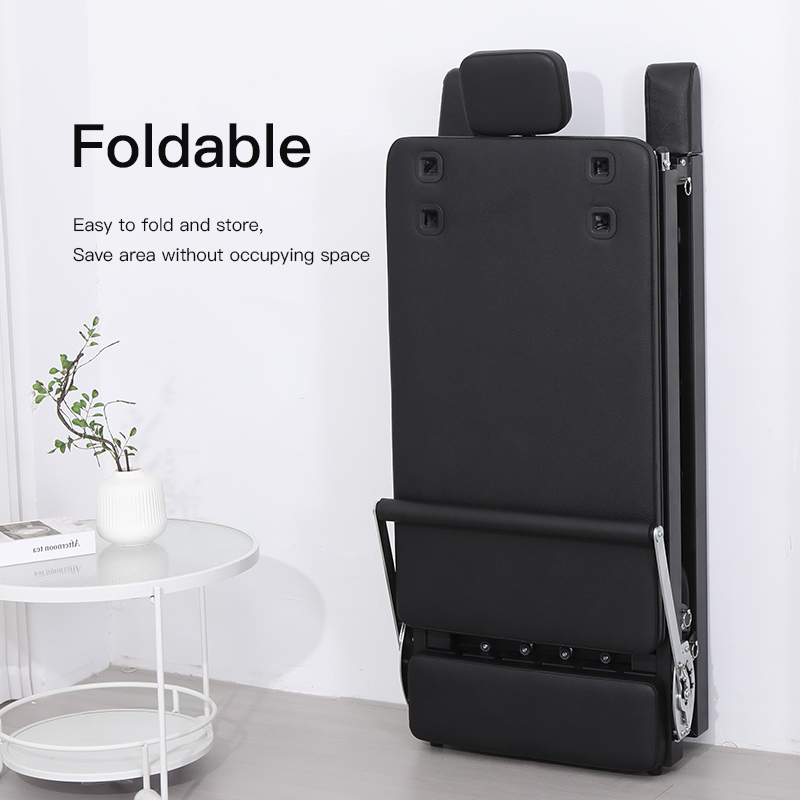
You don’t need a reformer or studio. With a foldable board, you can work out in your living room, bedroom, or even office. -
Progressive Training
Suitable for all levels—from those with mild back pain to fitness enthusiasts looking to reinforce posture.
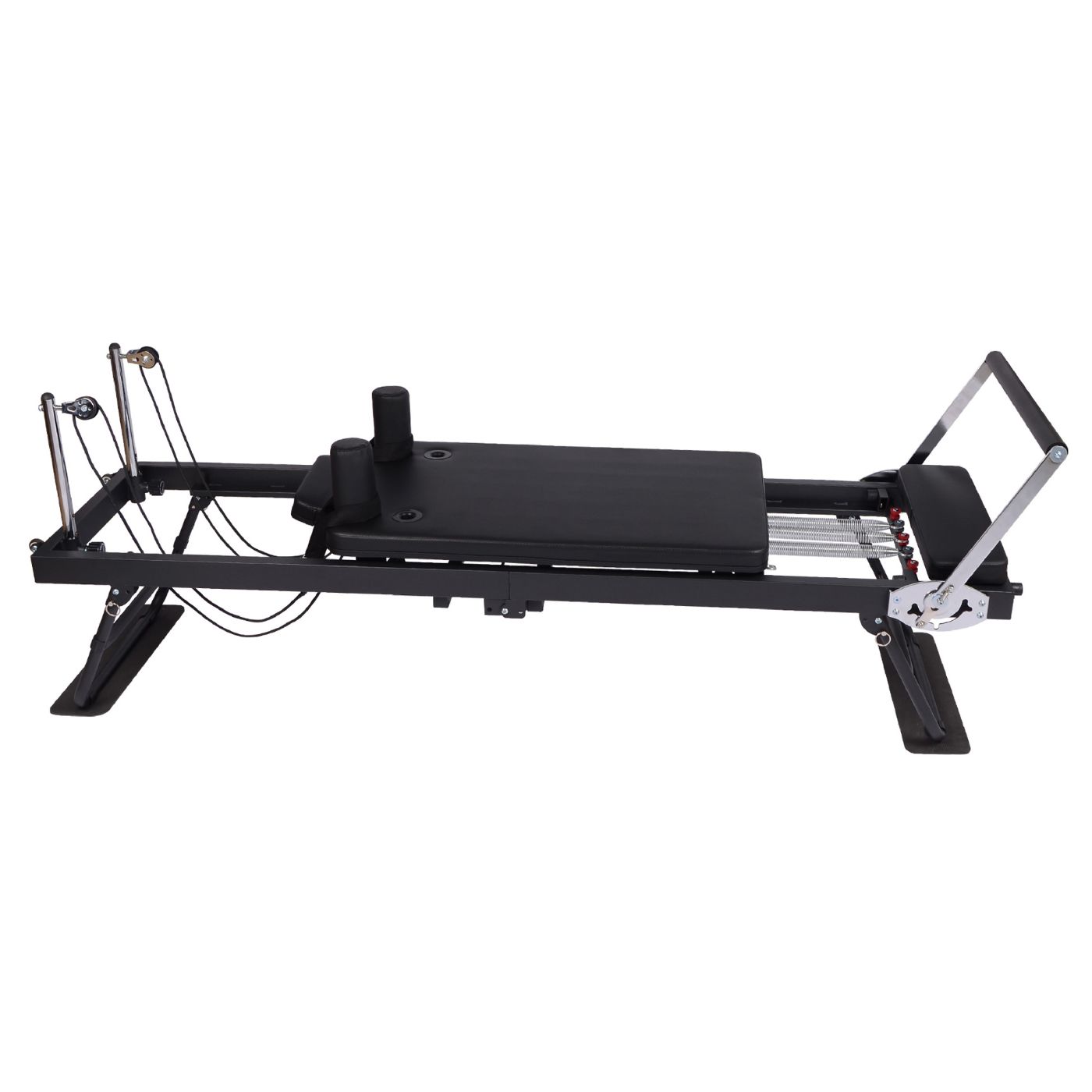
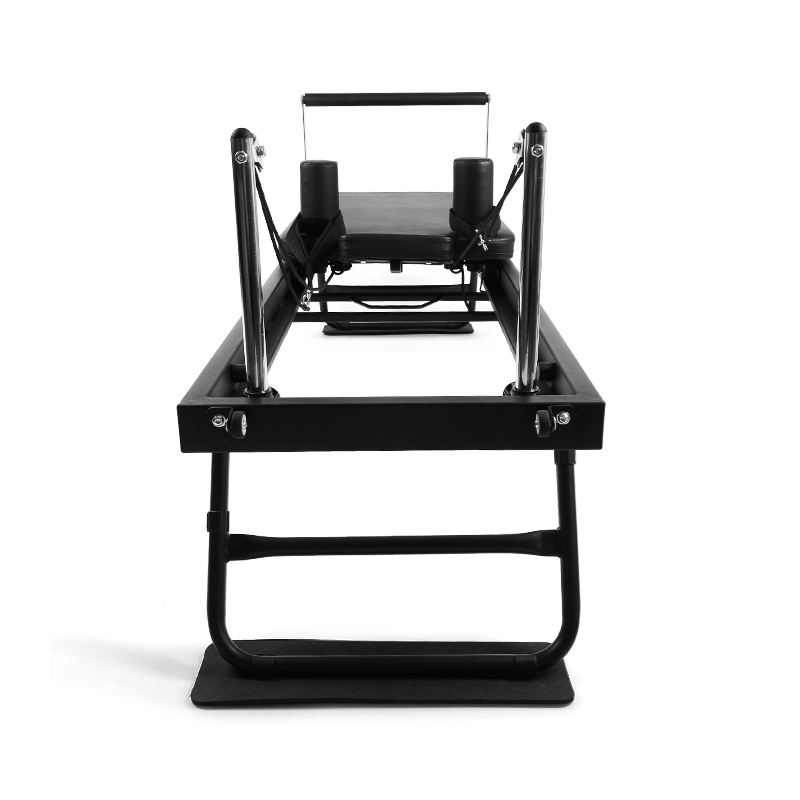
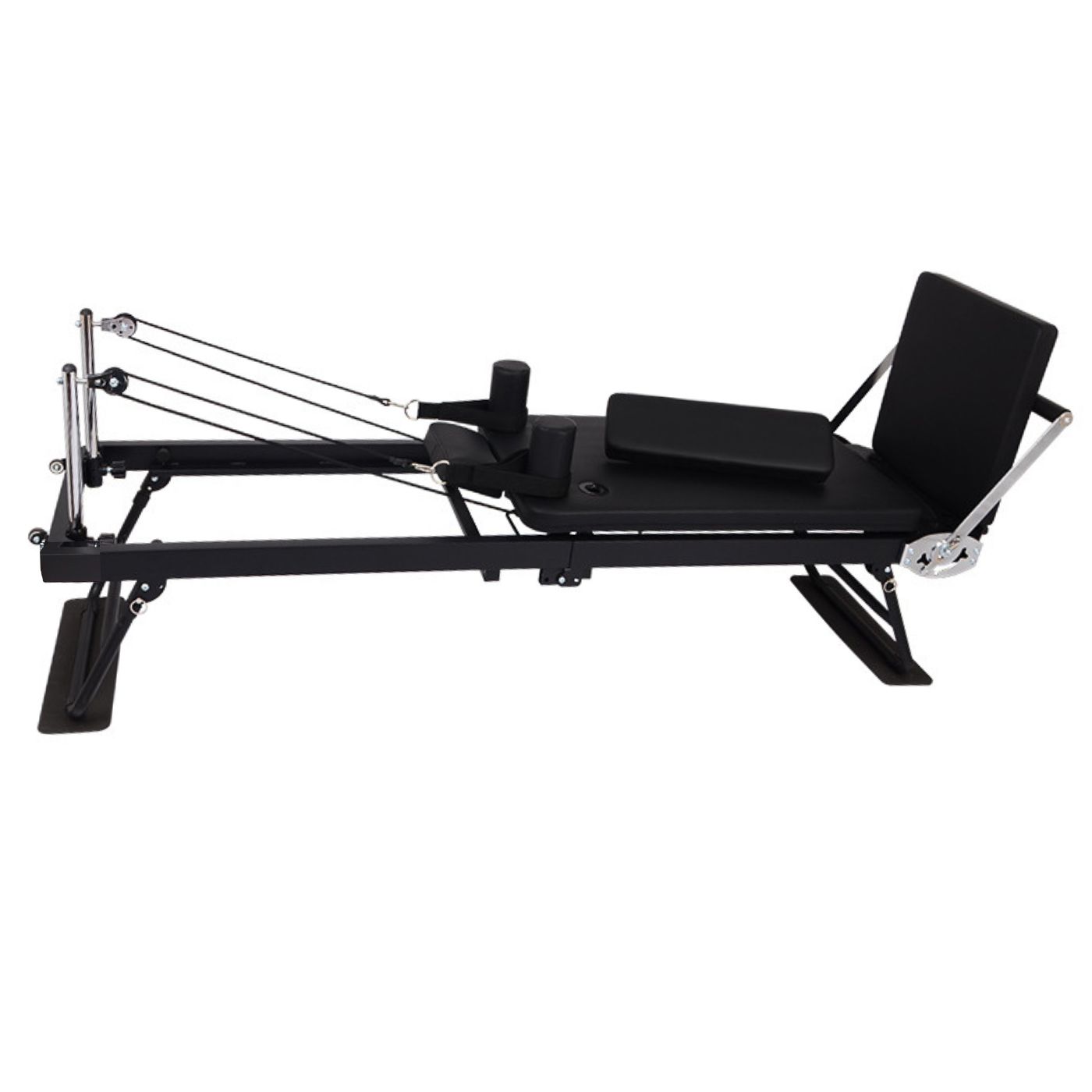
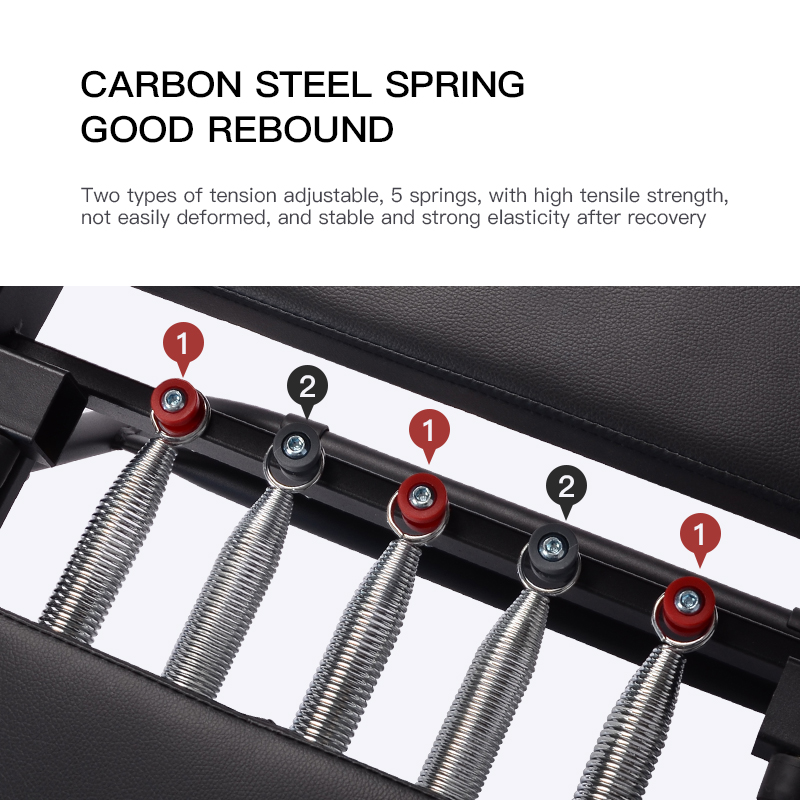
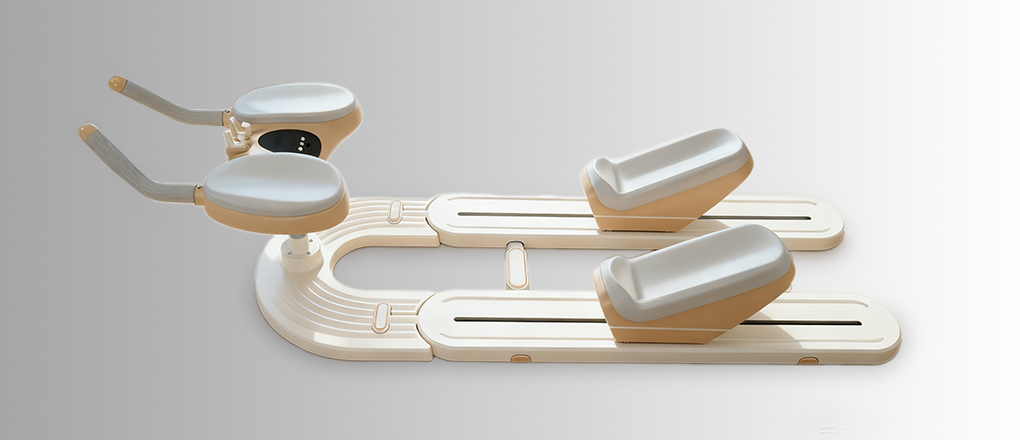
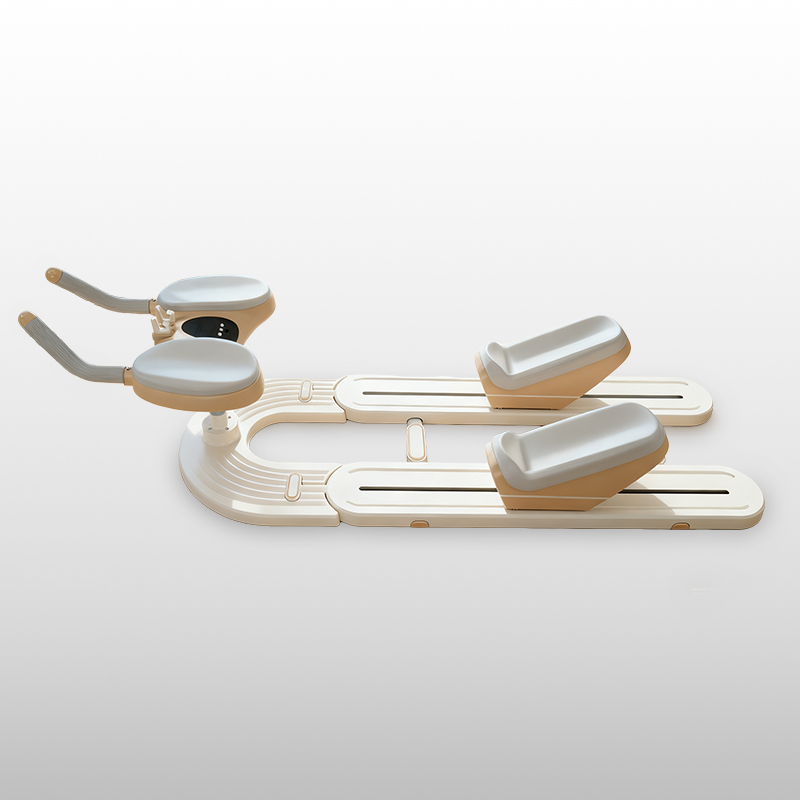
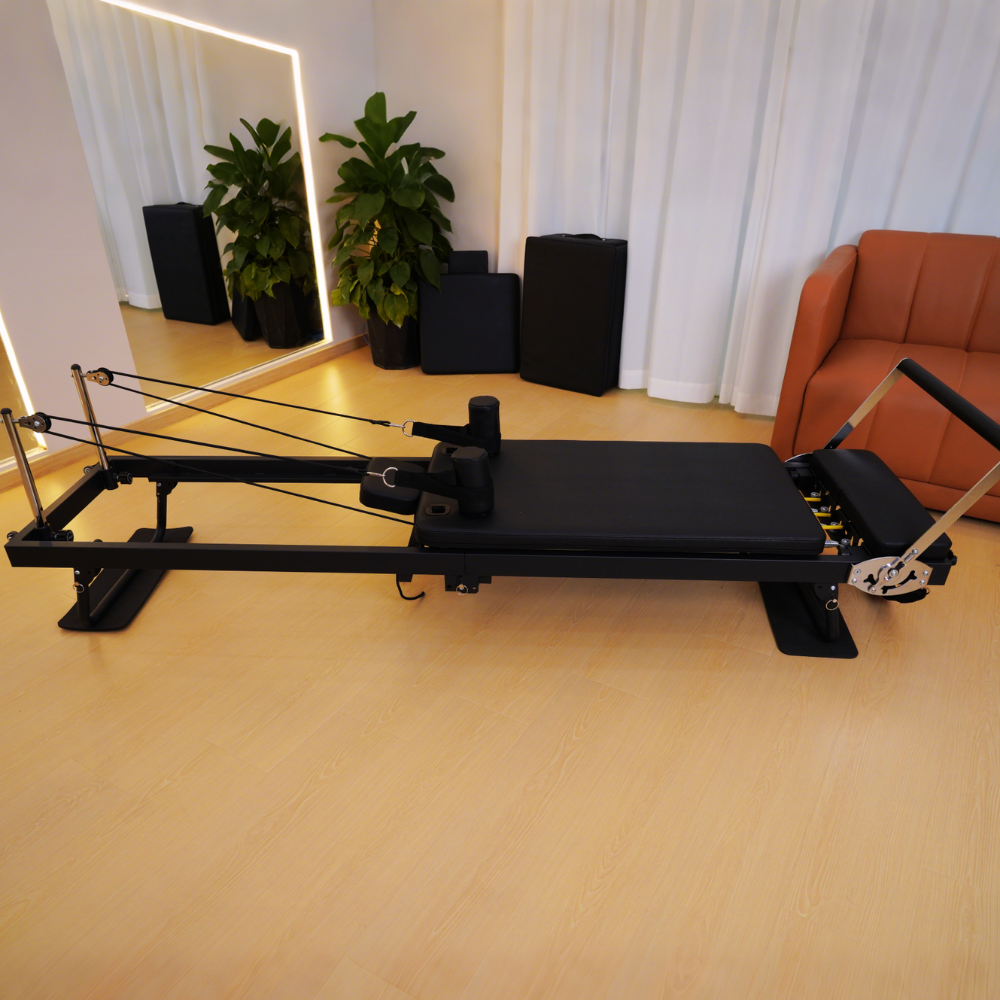
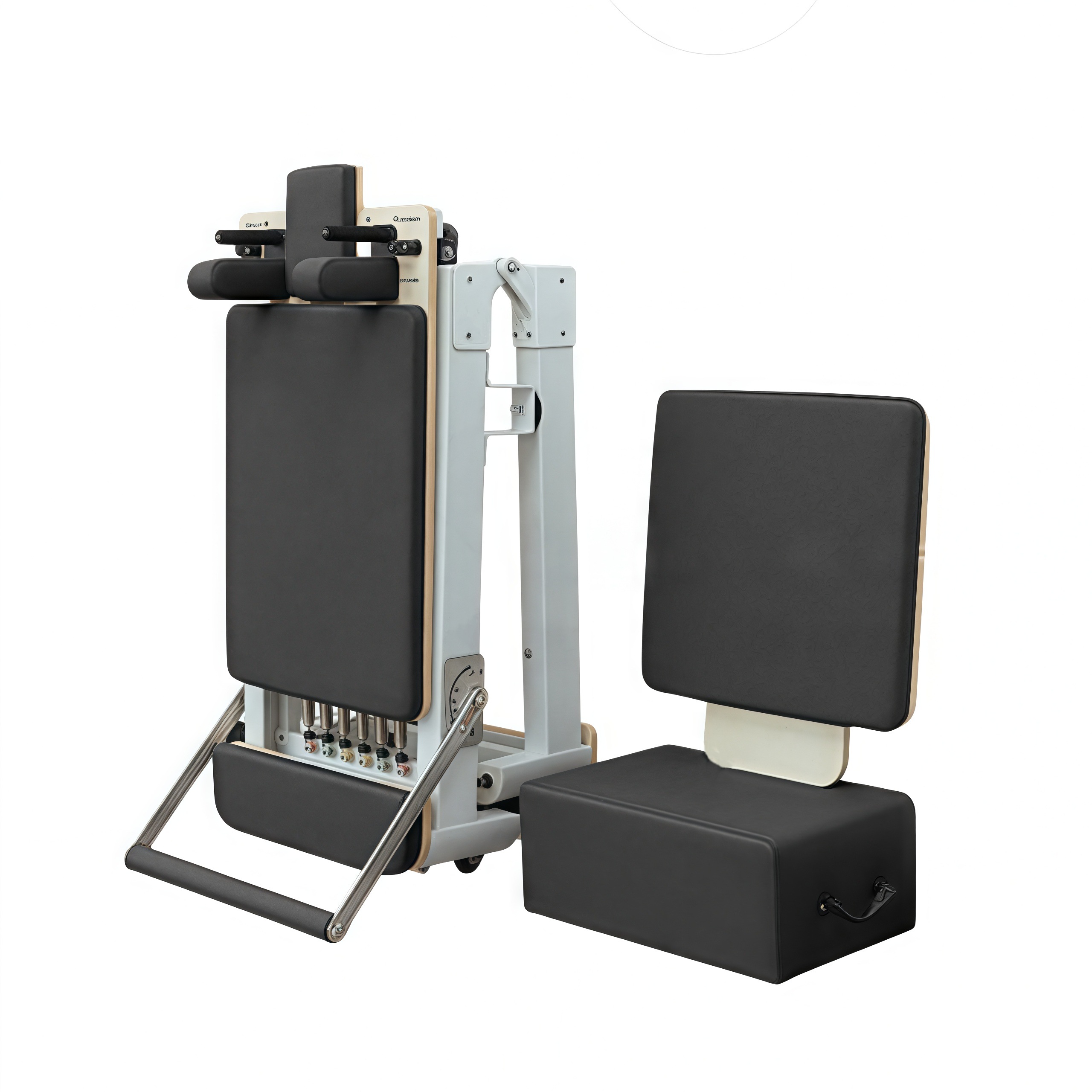
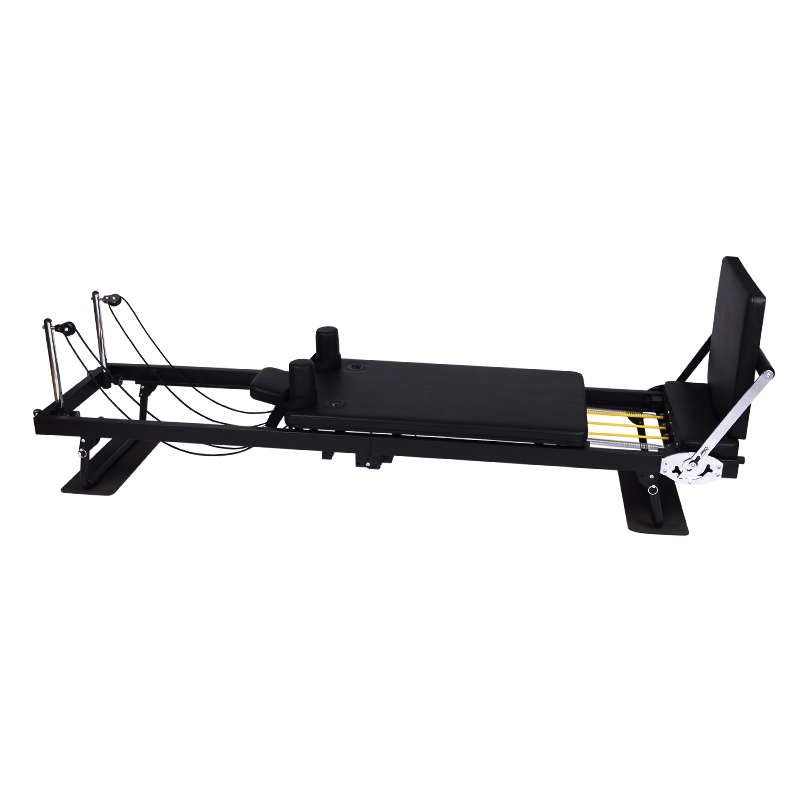
The JuSai 6-in-1 Portable Pilates Board is particularly effective because it includes multiple resistance options, adjustable settings, and a foldable design that works for both gentle rehab-style training and more advanced core strengthening.
Key Benefits of Pilates Board Training for Posture and Back Pain
1. Strengthening the Core
Your core muscles (transverse abdominis, multifidus, pelvic floor, and obliques) are the natural corset for your spine. A weak core is one of the biggest causes of back pain. Pilates movements on the board directly engage these deep stabilizers.
2. Restoring Spinal Alignment
Many exercises on the board focus on neutral spine position—teaching your body to hold the spine in a safe, natural curve instead of exaggerated arching or slouching.
3. Improving Flexibility
The board allows you to gently stretch tight muscles like hamstrings, hip flexors, and chest muscles, which often contribute to poor posture.
4. Reducing Muscle Imbalances
Pilates trains both sides of the body equally, correcting dominance patterns where one side is stronger than the other.
5. Promoting Mind-Body Awareness
Through controlled breathing and precise movement, you become more aware of how you sit, stand, and move—translating into better posture in daily life.
Step-by-Step Pilates Board Exercises for Posture and Back Pain
The following exercises are tailored for the JuSai 6-in-1 Portable Pilates Board and are safe for most people with mild posture-related discomfort. Always check with a healthcare provider if you have severe pain or injuries.
1. Spinal Alignment Warm-Up (Pelvic Tilts)
-
Target: Lower back, core engagement
-
How to do it:
-
Lie on the board with knees bent, feet flat.
-
Inhale deeply.
-
Exhale and gently tilt your pelvis to flatten your lower back against the board.
-
Inhale and return to neutral.
-
-
Reps: 10–12 slow tilts
-
Why it helps: Teaches awareness of neutral spine and gently mobilizes the lumbar area.
2. Resistance Band Row (Posture Reset)
-
Target: Upper back, rhomboids, shoulders
-
How to do it:
-
Sit tall on the board with resistance bands anchored in front.
-
Hold handles, palms facing each other.
-
Pull bands toward your rib cage, squeezing shoulder blades together.
-
Slowly release forward.
-
-
Reps: 12–15
-
Why it helps: Strengthens postural muscles that counteract rounded shoulders.
3. Bridge with Core Engagement
-
Target: Glutes, lower back stabilizers
-
How to do it:
-
Lie on the board, knees bent.
-
Press through your heels to lift hips.
-
Hold for 2–3 seconds, then lower.
-
-
Reps: 12–15
-
Why it helps: Builds posterior chain strength to support upright posture.
4. Chest Opener with Bands
-
Target: Chest stretch, shoulder mobility
-
How to do it:
-
Sit on the board holding resistance bands anchored behind.
-
Extend arms out to the sides at shoulder height.
-
Gently open arms wider, feeling the chest stretch.
-
-
Reps: 8–10
-
Why it helps: Releases tight chest muscles that pull shoulders forward.
5. Seated Spine Twist
-
Target: Obliques, spinal rotation, mobility
-
How to do it:
-
Sit tall on the board, knees bent.
-
Hold resistance bands lightly for stability.
-
Rotate torso to the right, then back to center.
-
Repeat left.
-
-
Reps: 8–10 per side
-
Why it helps: Improves spinal rotation and builds oblique strength for balanced posture.
Sample Routine for Back Pain Relief
Here’s how you can combine the exercises into a 20-minute home workout:
-
Warm-Up (3 min): Gentle breathing + pelvic tilts
-
Main Workout:
-
Band Row – 12 reps
-
Bridge – 15 reps
-
Chest Opener – 10 reps
-
Seated Twist – 10 per side
-
-
Repeat: 2–3 rounds
-
Cool Down (5 min): Child’s Pose, Cat-Cow stretch, Hamstring stretch
Lifestyle Tips to Support Better Posture
-
Set up an ergonomic desk: Adjust screen height to eye level.
-
Take micro-breaks: Stand up and stretch every 30–40 minutes.
-
Strengthen daily: Just 15 minutes of Pilates Board work can offset hours of sitting.
-
Practice mindfulness: Notice your posture while walking, standing, or texting.
Why the JuSai 6-in-1 Portable Pilates Board Is Ideal
The JuSai 6-in-1 Portable Pilates Board is specifically designed for posture correction and back strengthening because it combines:
-
Adjustable resistance bands (for rows, presses, and twists)
-
Stable yet cushioned board surface (spine-friendly)
-
Compact foldable design (fits small spaces)
-
Versatility (works for core, posture, stretching, and strength training)
👉 Check out the JuSai Pilates Board here and start your journey to better posture today.
Poor posture and back pain don’t have to be lifelong struggles. With the right tools and habits, you can strengthen your body, align your spine, and reduce discomfort naturally.
The Pilates Board provides a safe, beginner-friendly way to train your core and postural muscles at home. By practicing the exercises outlined in this article 2–3 times per week, you’ll not only reduce back pain but also feel taller, more confident, and more energized in your daily life.
Remember: consistency is key.
.png?w=1400&h=1400)
.jpeg?w=1400&h=1400)
.jpeg?w=4000&h=4000)
.jpeg?w=4000&h=4000)
.jpeg?w=2560&h=2560)
.jpeg?w=800&h=800)
.jpeg?w=743&h=743)