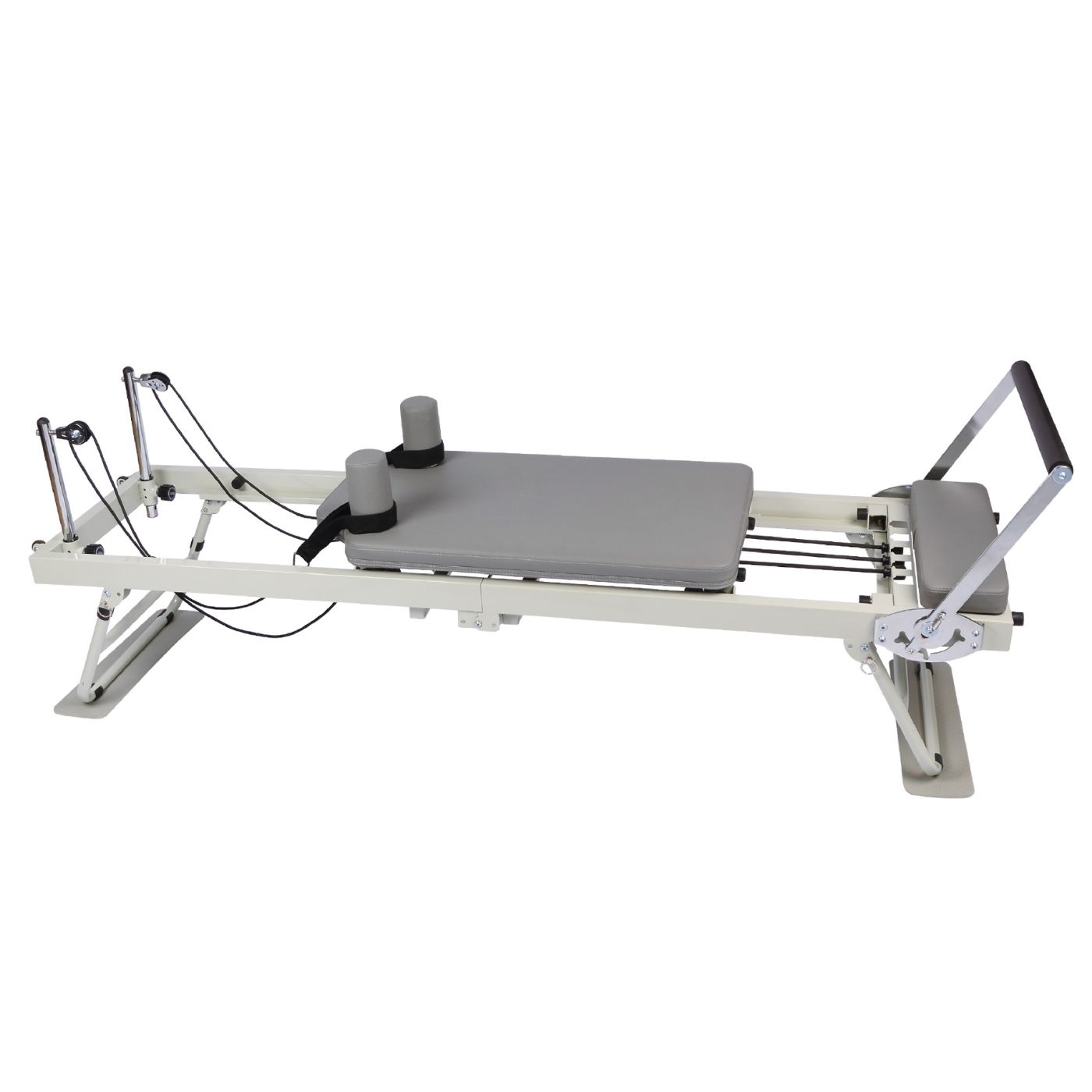
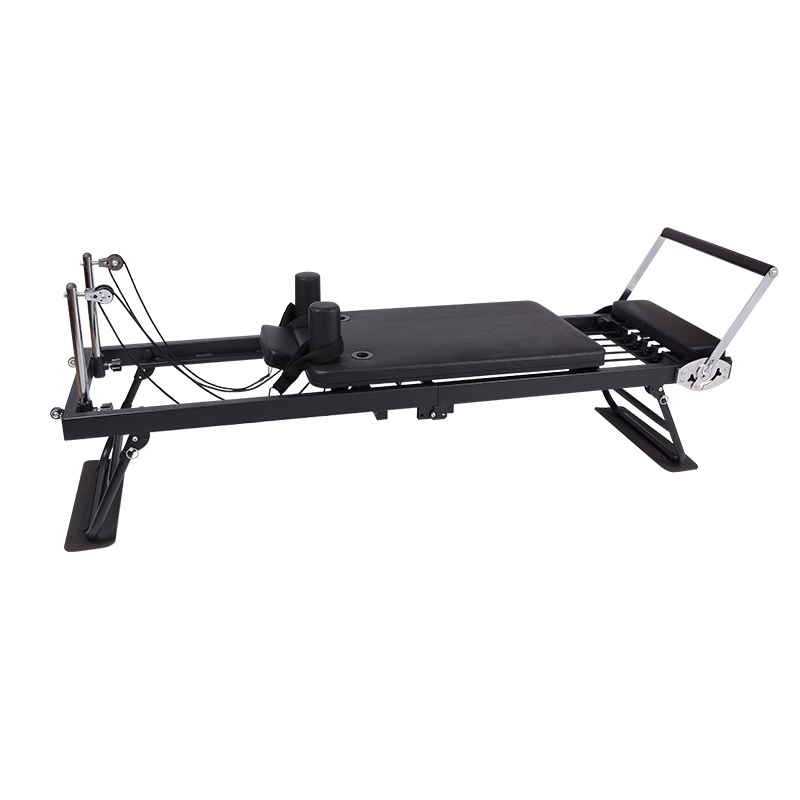
Pilates, with its focus on core stability, breath control, and precise muscle activation, forms a foundational practice for many fitness enthusiasts. Yet, the magic happens when it’s paired with other disciplines—each filling gaps in Pilates’ training scope while reinforcing its principles. This blog explores how strategic cross-training can elevate your Pilates practice, from enhancing flexibility to boosting functional strength.
- The Symbiosis: Yoga’s static stretches (think Yin Yoga) release tension from Pilates’ controlled contractions, while Pilates’ core engagement deepens yoga poses. For instance, mastering Pilates’ "hundreds" exercise improves the stability needed for yoga’s challenging arm balances like Crow Pose.
- Scientific Insight: A study in Journal of Bodywork and Movement Therapies found that practitioners who combined Pilates and yoga reduced lower back pain by 37% more than single-modality exercisers.
- Ideal Combinations: Kettlebell swings, TRX suspensions, and unilateral dumbbell exercises
- Why It Works: While Pilates fine-tunes small stabilizer muscles, functional training targets large muscle groups (glutes, lats) to build explosive power. The kettlebell deadlift, for example, mirrors Pilates’ "footwork" on the reformer—both demand a rigid core and hip hinge mechanics.
- Top Picks: Swimming, elliptical training, and modified jump rope
- Key Benefit: Pilates often overlooks cardiovascular conditioning, but swimming’s horizontal resistance boosts stamina without joint stress. Post-knee injury? A 2023 study showed that swimmers who incorporated Pilates had 22% faster recovery than those using traditional rehab alone.
- The Ballet-Pilates Connection: Ballet’s emphasis on turnout (hip external rotation) and foot articulation complements Pilates’ pelvic neutrality. New York City Ballet dancers credit Pilates for reducing lumbar injuries by 40%—a testament to how Pilates’ spinal alignment mitigates ballet’s high-impact demands.
5. Tai Chi & Qigong: Merging Eastern Mindfulness with Western Kinesiology
- Philosophical Synergy: Tai Chi’s "mind-led movement" aligns with Pilates’ focus on intentional muscle recruitment. Older adults who combined both practices increased their balance scores by 29% in a Gerontology Research trial, highlighting their joint efficacy in fall prevention.
| Exercise Type |
Optimal Frequency |
Common Pitfalls |
Adjustment Tips |
| HIIT |
≤1 session/week |
Depleting core energy too quickly |
Prioritize Pilates first, follow with yoga stretches |
| Traditional Weight Lifting |
2-3 times/week |
Neglecting spinal alignment |
Replace barbell squats with Pilates’ spring-loaded lunges |
| Running |
3-4 times/week |
Arch collapse leading to core compensation |
Warm up with Pilates’ foot intrinsics exercises (toe curls, marble pick-ups) |
- Mon/Thurs: Reformer Pilates (60 min) + 15-min Yoga Surya Namaskar
- Tues/Fri: Functional Training (kettlebells + TRX, 45 min) + Pilates breathwork
- Wed/Sun: Swimming (30 min) + Yin Yoga (40 min)
- Sat: Ballet barre (30 min) + foam rolling
Pro Tip: Never schedule two strength-focused sessions consecutively. End each workout with Pilates’ "Corpse Pose" to integrate mind-body awareness.
Joseph Pilates once said, "Pilates is the practice, and life is the performance." When paired with yoga, ballet, or functional training, this performance becomes richer—each discipline acting as a different instrument in your fitness orchestra. The key lies in recognizing that cross-training isn’t about doing more, but about doing smarter—letting each modality enhance the others to create a body that’s strong, supple, and endlessly adaptable.
.png?w=1400&h=788)
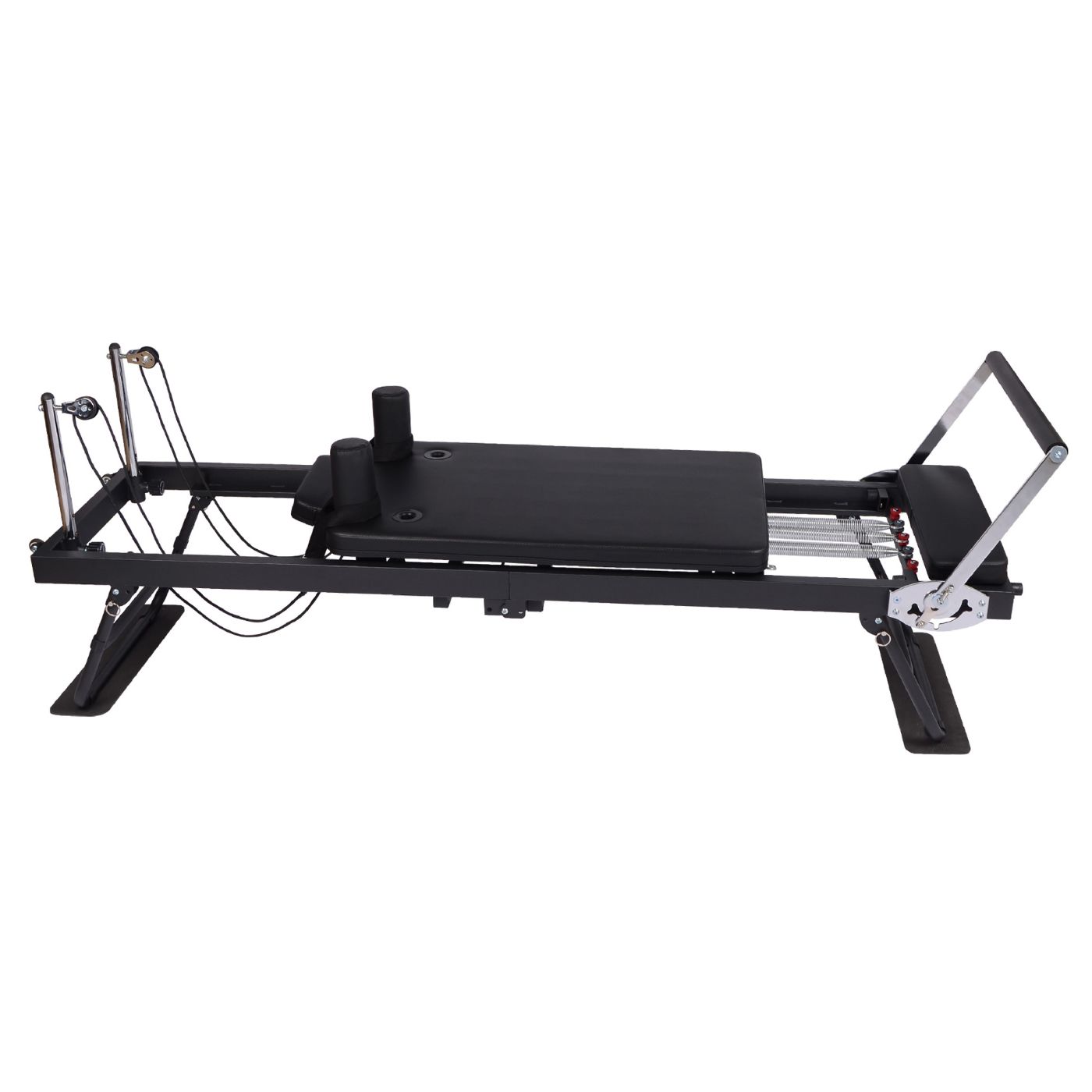
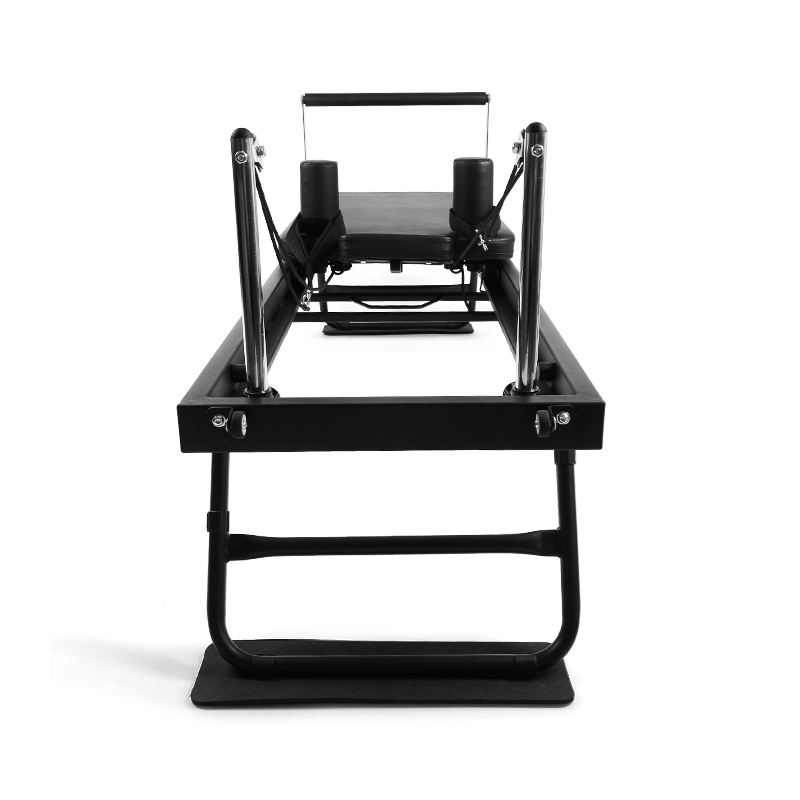
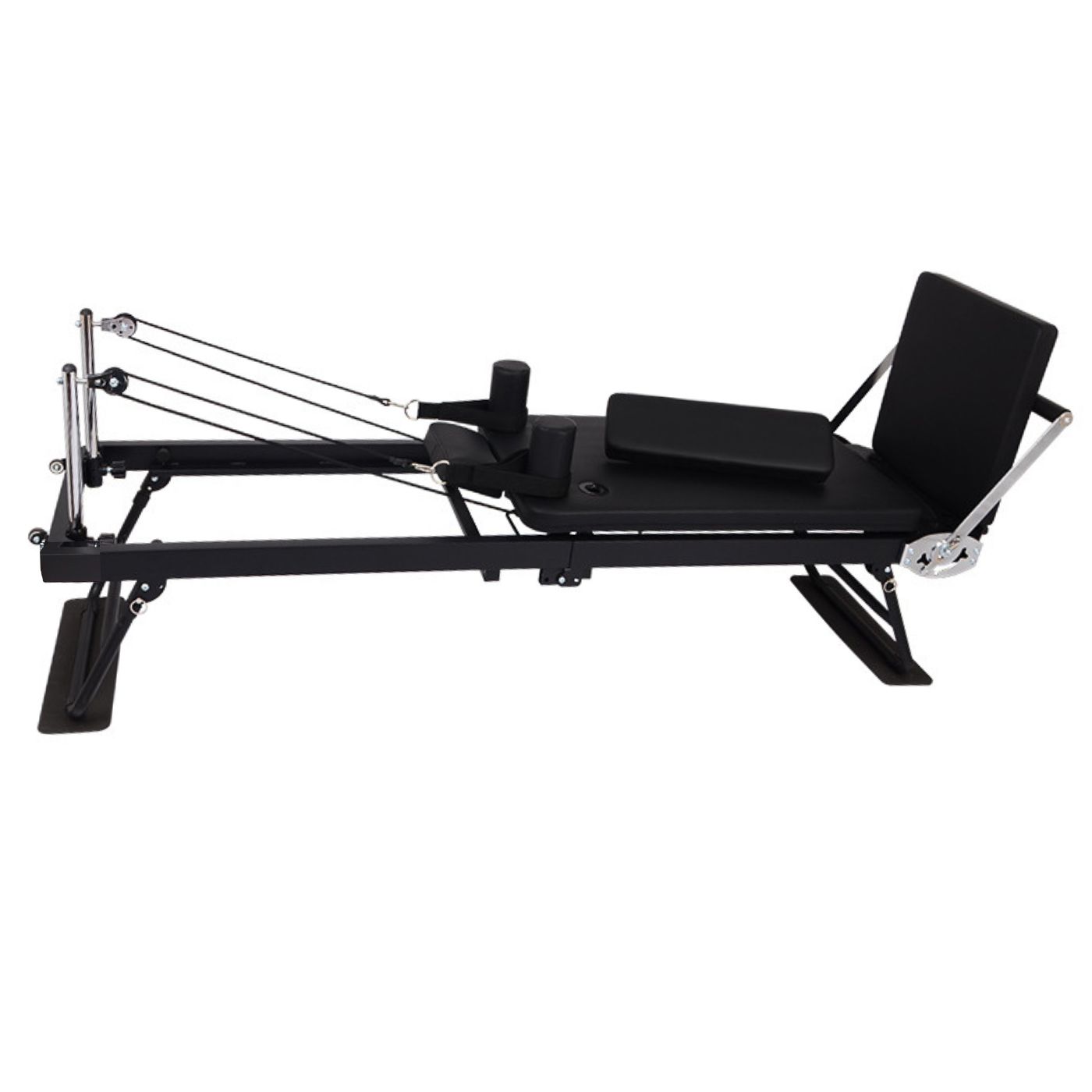
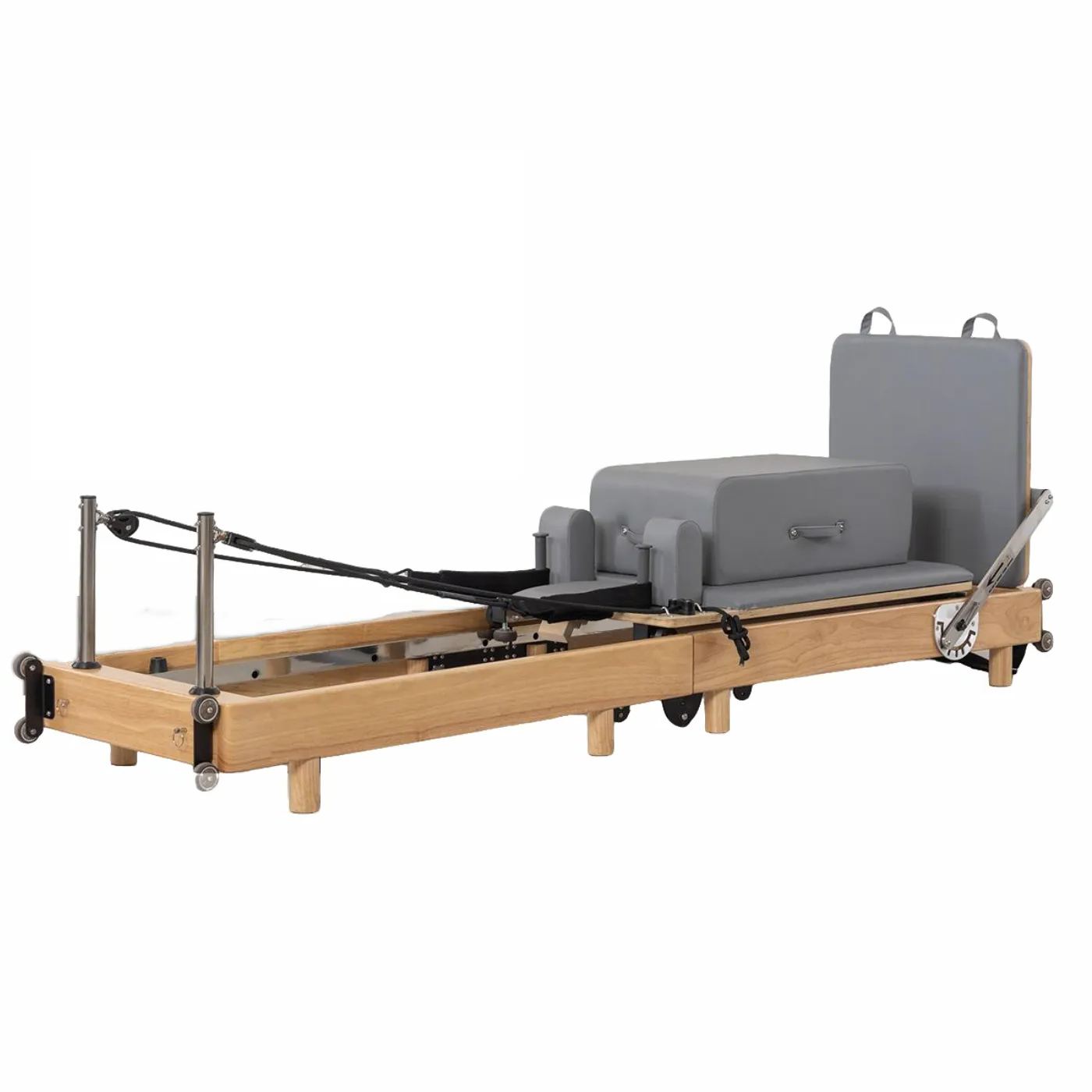
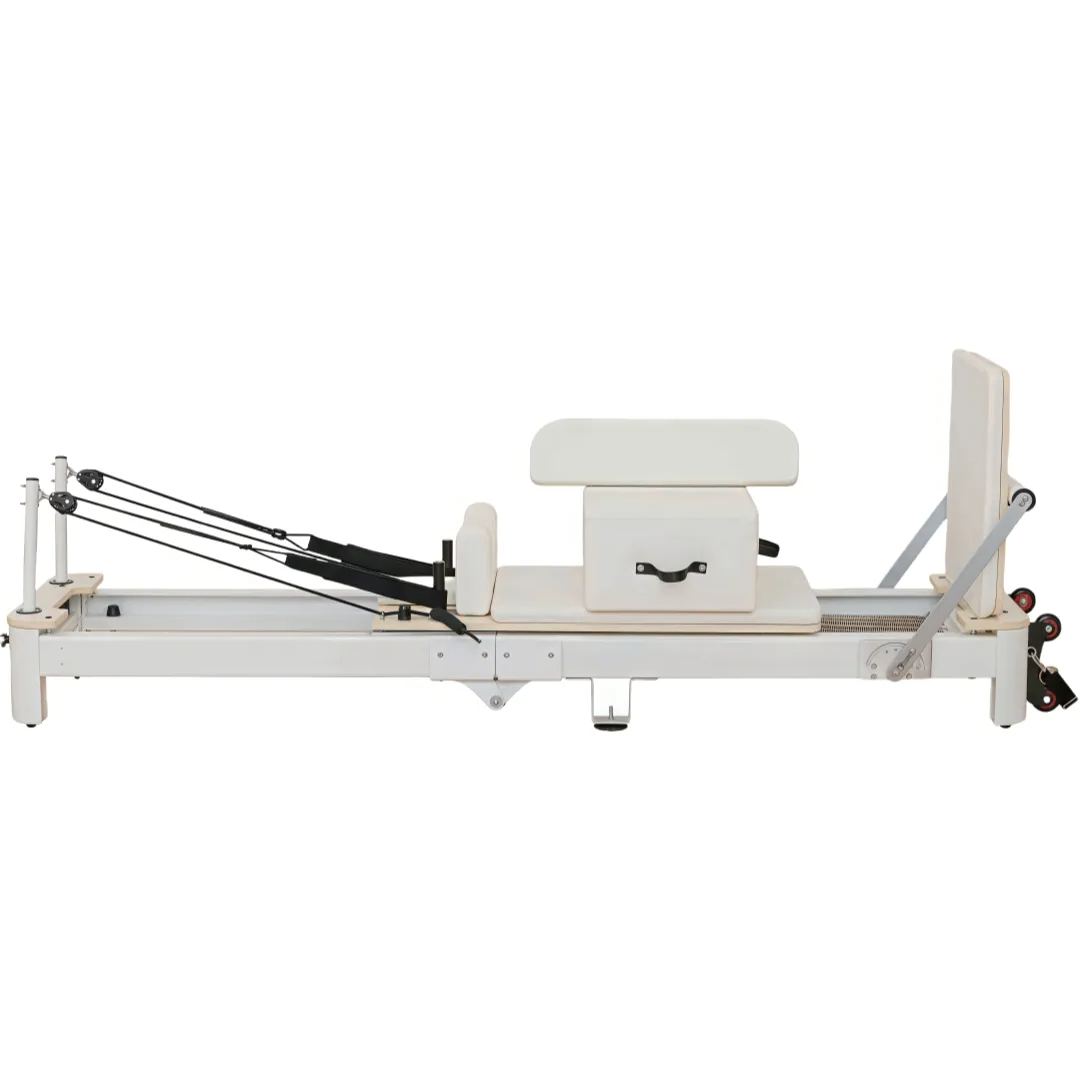
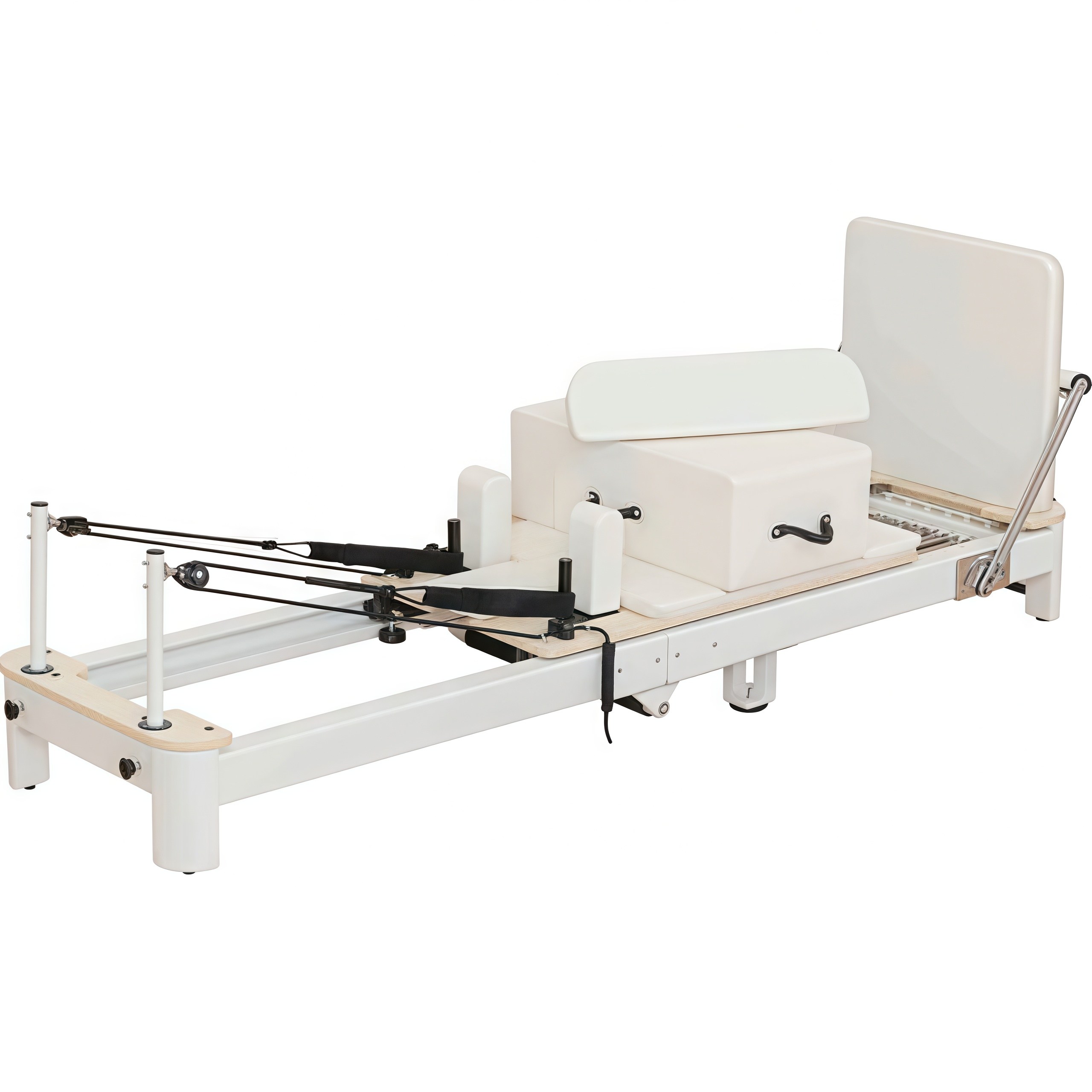
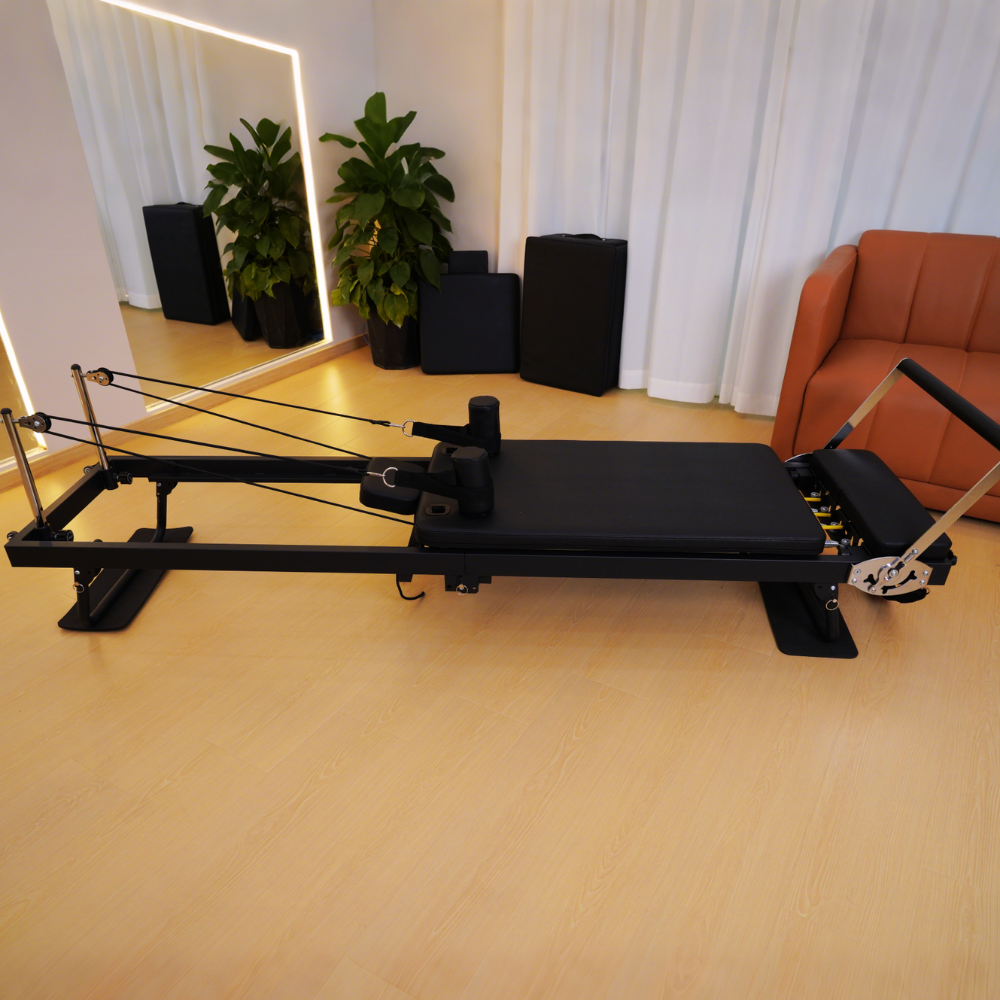
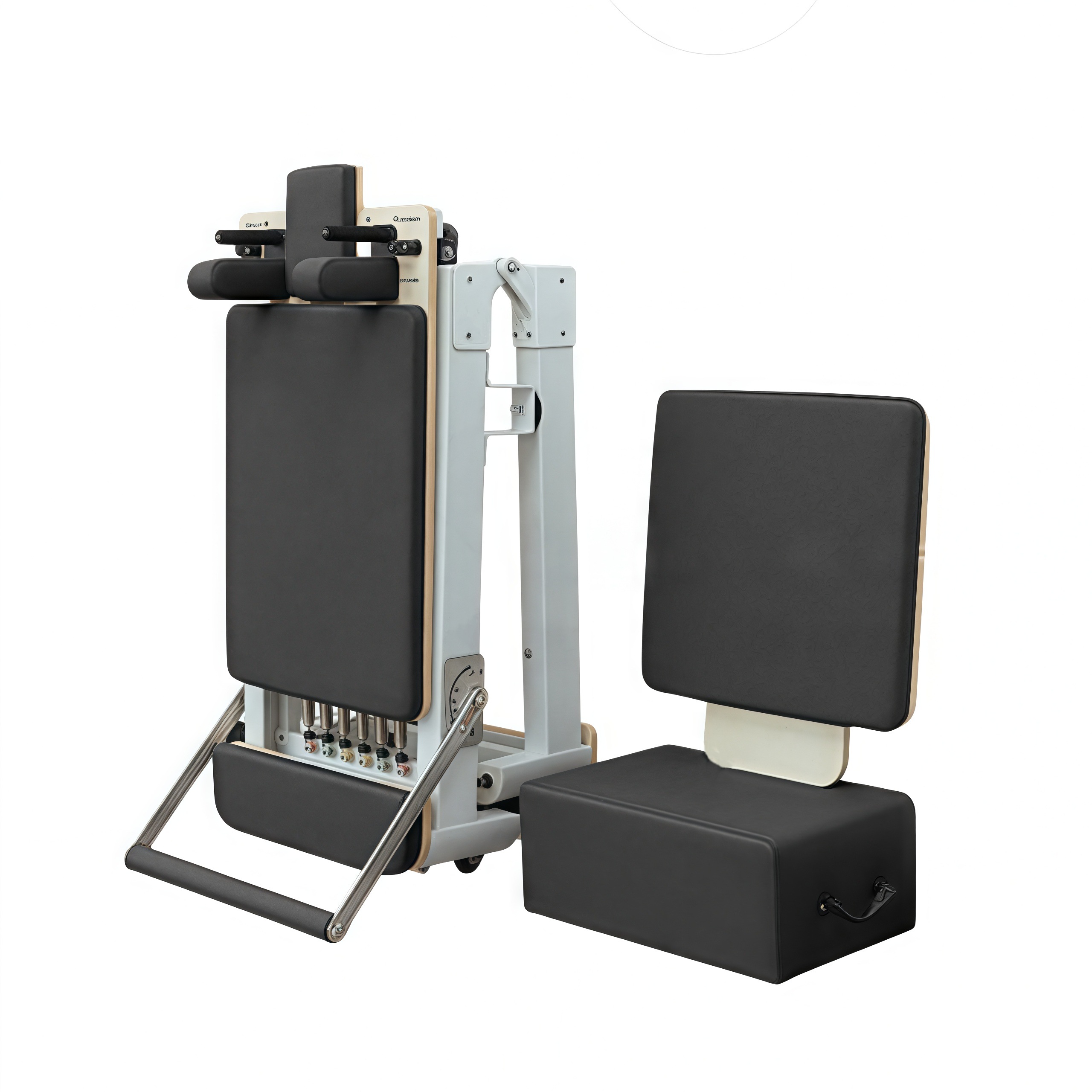
Maple compact reformer perfect for the home workout with the affordable price. The white leather and premium imported maple wood color match perfectly and are suitable for any room in the home.
Set: Reformer + Jumping board +Box
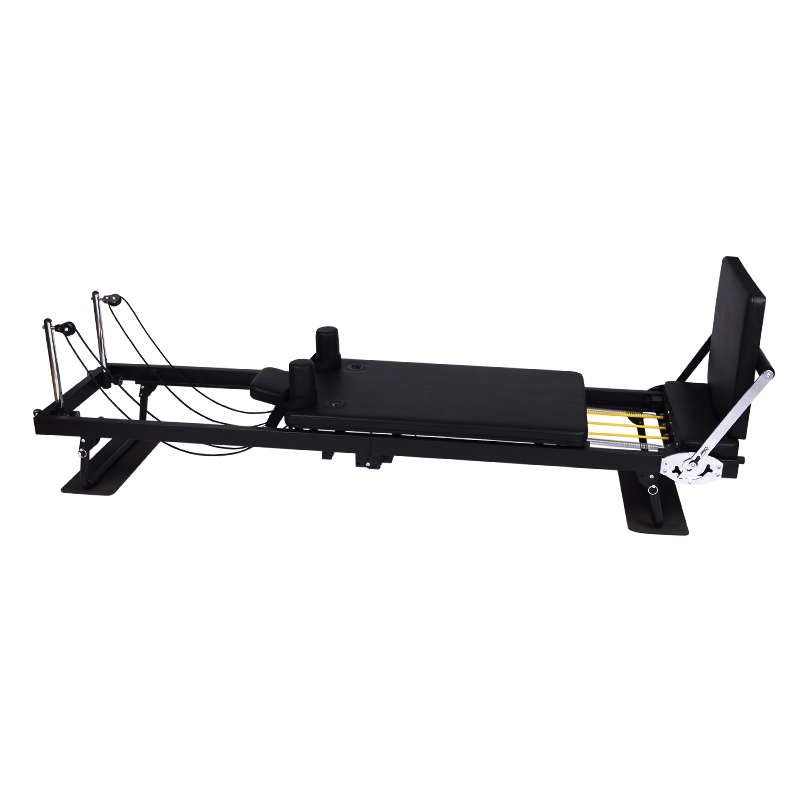
Expanded size: Length:230cm; Width:68cm; Height:26cm
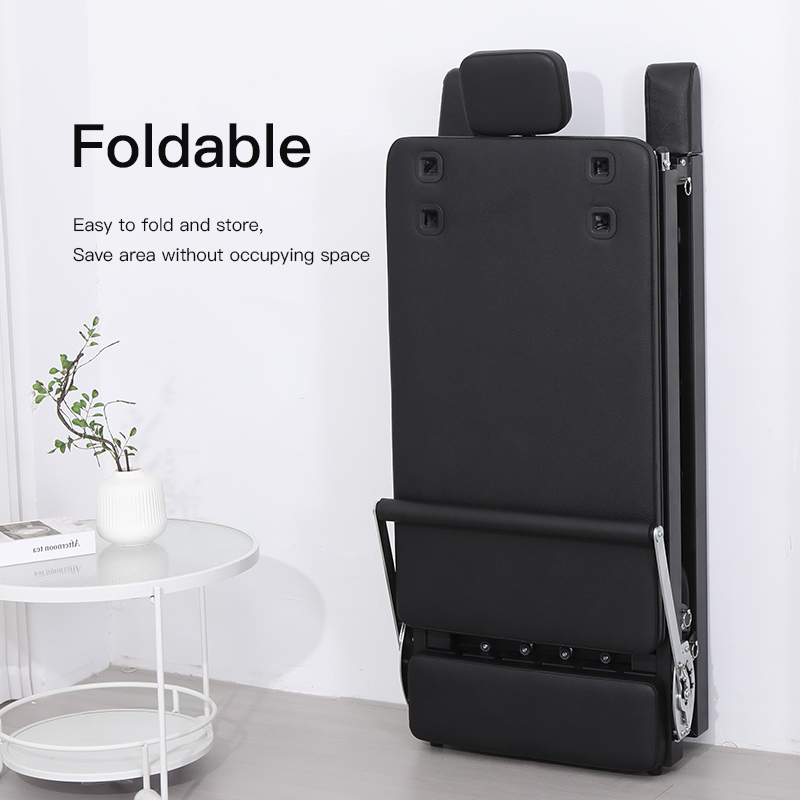
Folding size: Length:151cm; Width:71cm; Height: 67cm
Foldable: Yes
Box: Yes
Foot platform: Yes
Jumping board: Yes
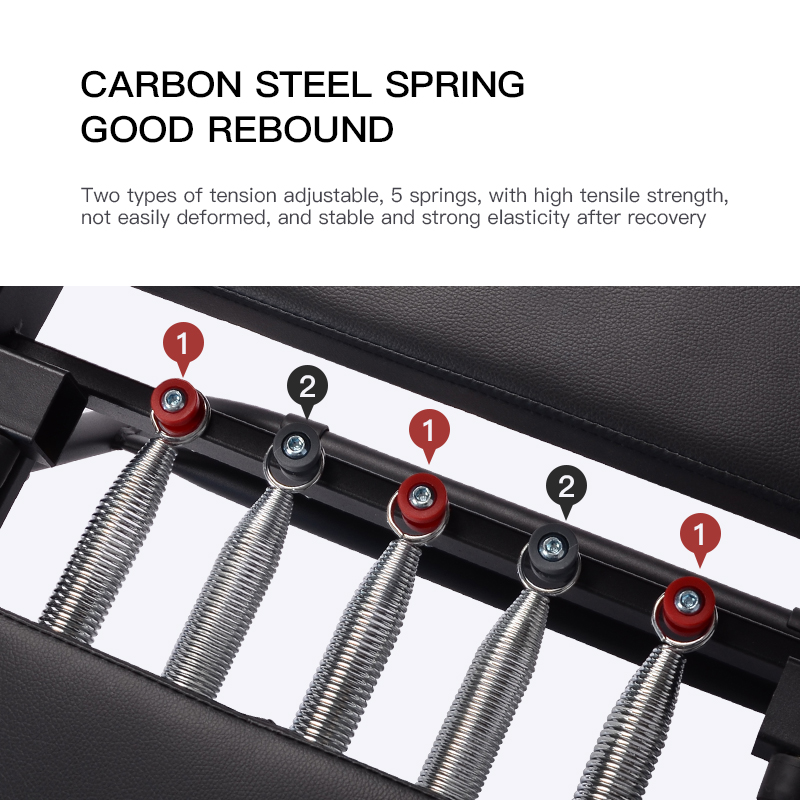
Springs: Ordinary springs*5
Headrest adjustment: Yes
Double loop wings, hands and feet: Yes
Removable | adjustable shoulder pads: Yes| 2 positions
Pulley ropes: Yes
Foot bar: Yes
Foot bar displacement: 6 positions
Structural material: Hard Rock Maple Frame
Adjustable pulleys high: No
Maximum user weight recommendation: 150kg

.png?w=1400&h=1400)
.png?w=1200&h=1200)
.png?w=1000&h=1000)
.png?w=1400&h=1400)
.jpeg?w=800&h=800)
.jpeg?w=800&h=800)
-0.jpeg?w=800&h=800)
.png?w=1400&h=1400)
.jpeg?w=1400&h=1400)
.jpeg?w=4000&h=4000)
.jpeg?w=4000&h=4000)
.jpeg?w=2560&h=2560)
.jpeg?w=800&h=800)
.jpeg?w=743&h=743)