.png?w=1400&h=1400)
.png?w=1200&h=1200)
.png?w=1000&h=1000)
.png?w=1400&h=1400)
.jpeg?w=800&h=800)
.jpeg?w=800&h=800)
-0.jpeg?w=800&h=800)
I. The First Step Is Always the Hardest
Starting a new workout can feel intimidating — especially when your gym is your living room. You might wonder: Am I using this right? Will it actually work for me?
The good news is that a home stair climber makes that first step easy. It’s compact, intuitive, and designed for every fitness level. Whether you’re new to exercise or returning after a break, climbing offers a gentle yet powerful way to strengthen your legs, lift your mood, and improve endurance — all without pounding your joints.
Think of it as your personal staircase to better health. Each step is progress you can see and feel.
II. Understanding Your Home Stair Climber
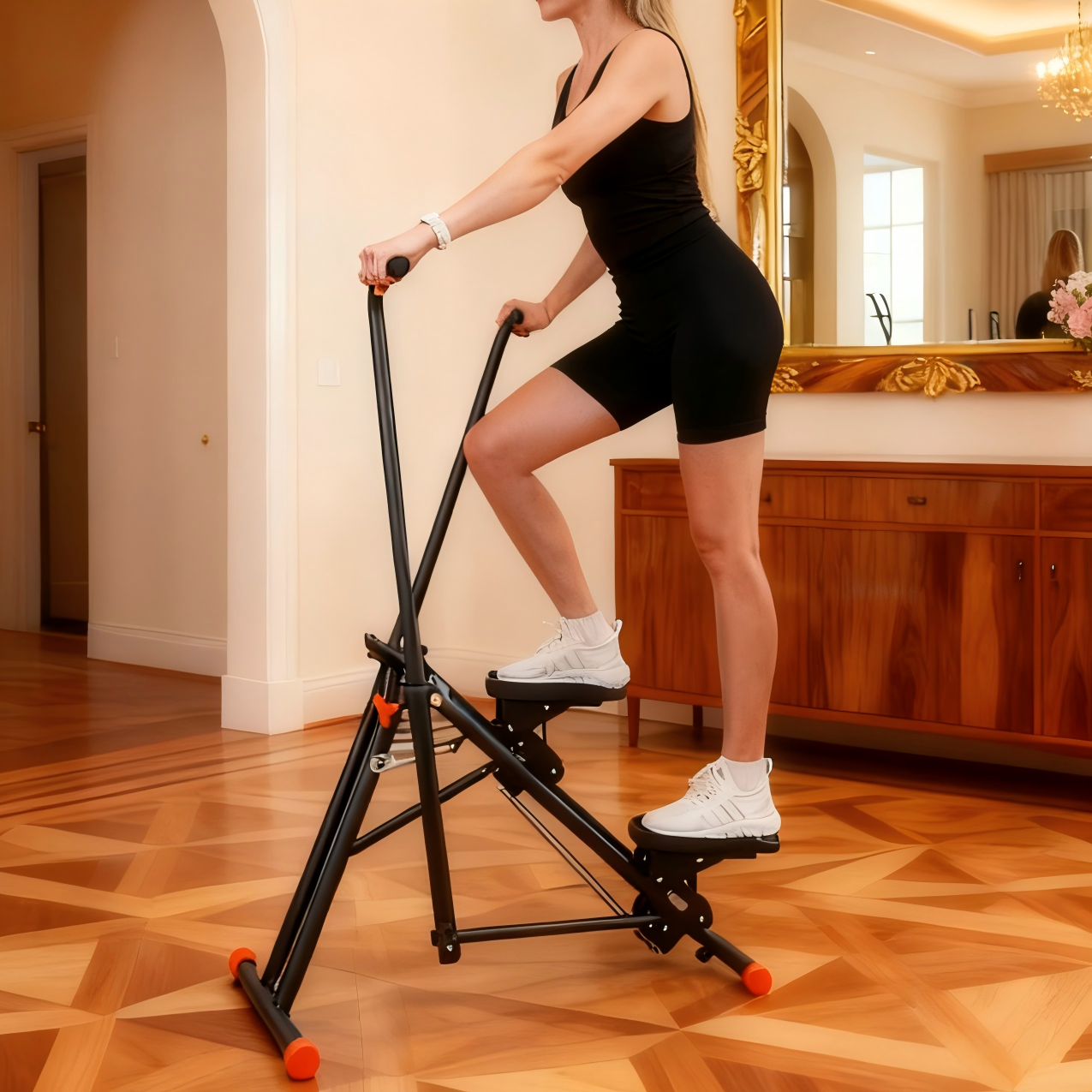
Before you start, it helps to know what each part of your stair climber does:
-
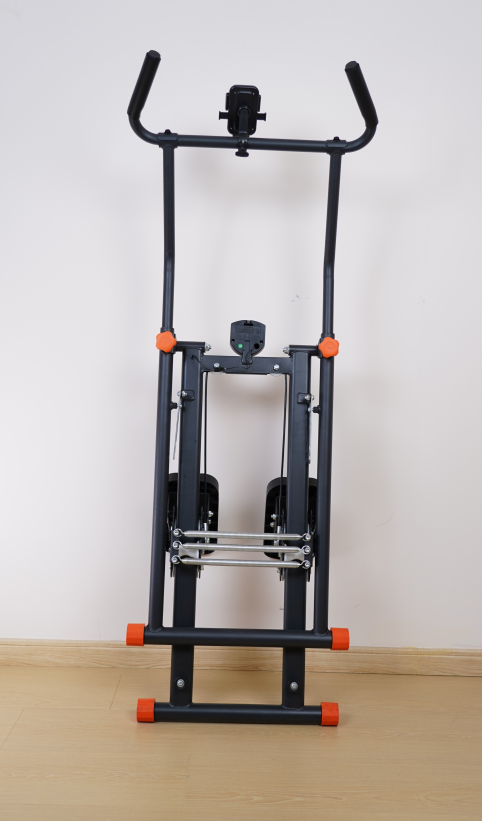
Pedals: Wide, non-slip surfaces that move smoothly under your weight, engaging legs and glutes.
-
Handles: Adjustable for different heights, providing balance and posture support.
-
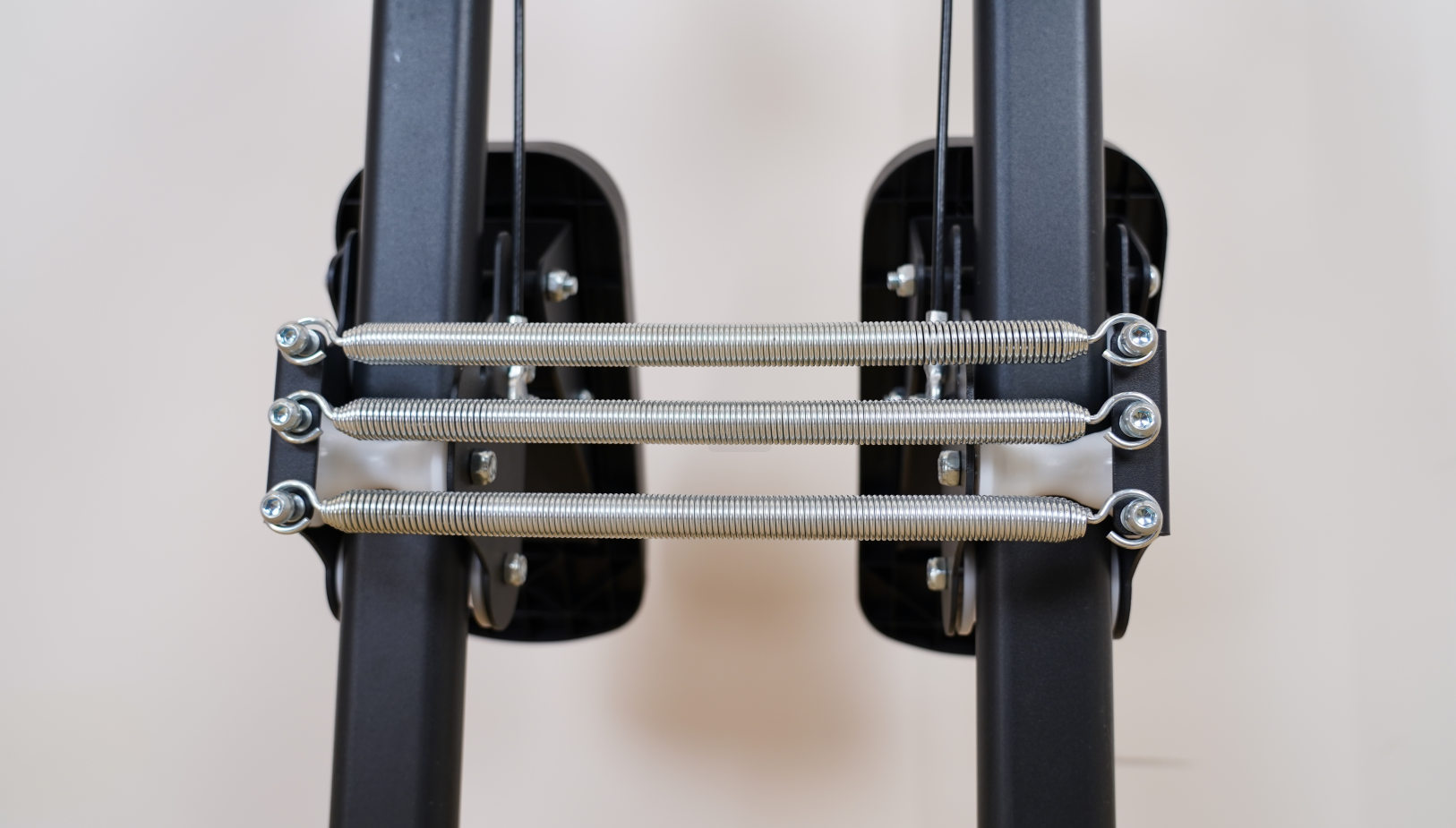
Resistance Dial: Lets you change intensity — turn clockwise to climb harder, counter-clockwise to lighten it.
-
LCD Monitor: Tracks steps, time, calories, and progress — your built-in accountability partner.
This compact design is why the stair climber is often called a space-saving home cardio machine. It folds easily for storage but unfolds into a full-body workout station whenever you’re ready to move.
III. Setting Up for Success
-
Choose the Right Spot:
Place your stair climber on a flat, stable surface. Hardwood, tile, or gym mats work well — avoid uneven rugs. -
Adjust for Comfort:
Set the handle height so your elbows bend slightly. You should stand tall, not hunched. -
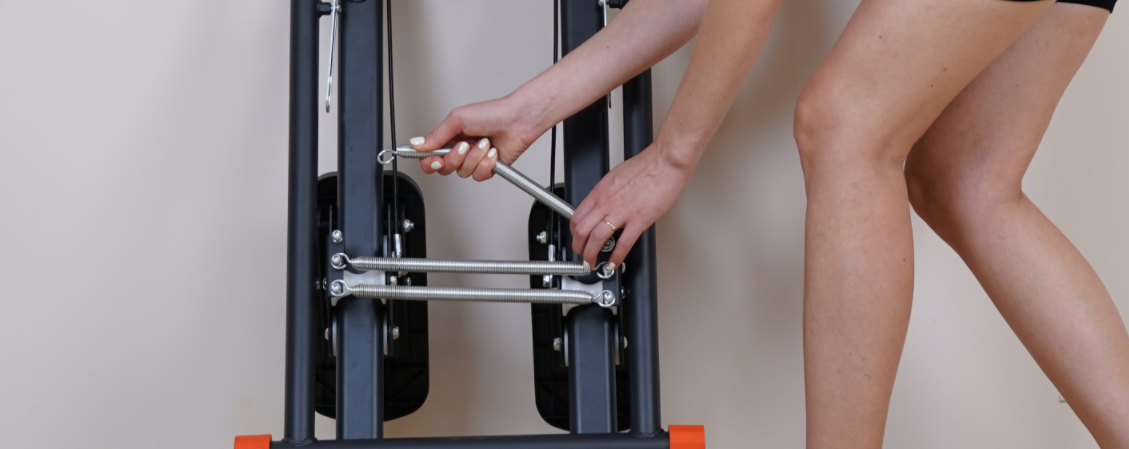
Set Resistance:
Beginners should start with low resistance to master motion. Once confident, increase gradually — the goal is smooth, steady climbs. -
Secure Your Footing:
Make sure shoes are tied snugly and soles are clean for maximum grip on non-slip pedals. -
Warm Up:
Two minutes of gentle stepping prepares your muscles and joints.
IV. Proper Form and Posture 101
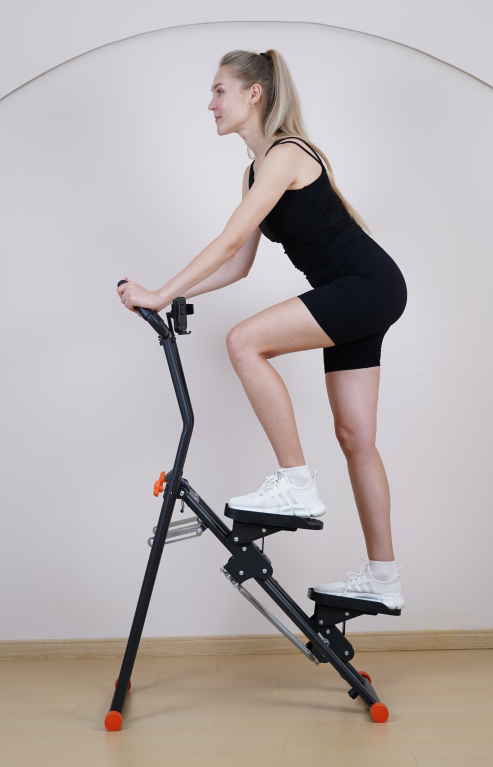
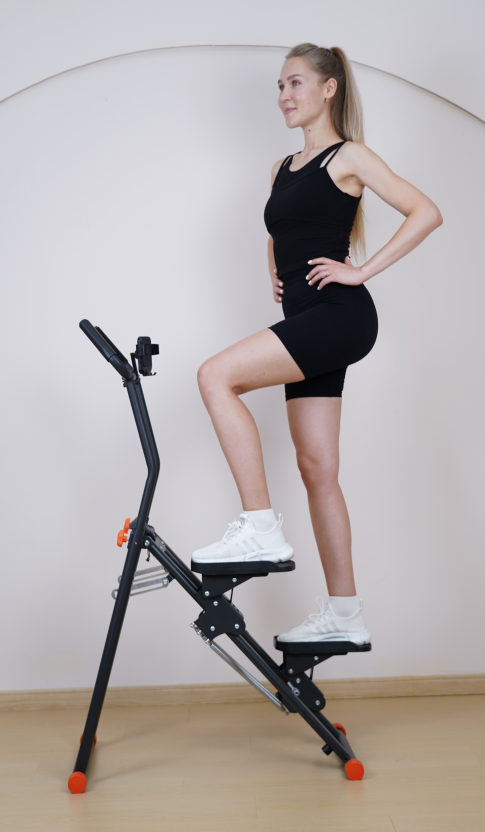
Form matters. It protects your joints and ensures you get the best from every climb.
-
Stand tall: Keep shoulders back and core engaged.
-
Light grip: Hold the handles for balance, not support.
-
Even steps: Push through your entire foot, not just toes.
-
Controlled pace: Avoid bouncing or rushing.
-
Breathe naturally: Inhale through your nose, exhale through your mouth.
Common mistakes to avoid: leaning too far forward, gripping tightly, or letting knees collapse inward. Correct posture makes each climb smoother, safer, and more effective.
V. Beginner Workout Plans: Start Small, Climb Strong
You don’t need an hour to get results.
Consistency beats duration — and the home stair climber makes it easy to fit short, effective sessions into your day.
Below are three simple, progressive plans to help you grow stronger step by step:
| Level | Duration | Resistance | Focus | Goal |
|---|---|---|---|---|
| 1. Starter Step | 10 minutes | Low | Smooth, steady rhythm | Build comfort & coordination |
| 2. Power Climb | 15–20 minutes | Medium (alternate resistance every 3 min) | Moderate pace | Improve stamina & calorie burn |
| 3. Interval Challenge | 25–30 minutes | Medium–High (1 min fast, 1 min slow) | Variable pace | Boost endurance & fat loss |
💡 Tip: Use the LCD monitor to track your steps and calories. Watching your progress builds confidence and accountability.
VI. Target Muscles and Benefits
Each climb on your stair climber activates more than just your legs — it’s a full-body workout disguised as simplicity.
Primary Muscles Worked
-
Quadriceps (front thighs): Power every upward step.
-
Glutes (buttocks): Engage fully during the press phase, shaping and strengthening.
-
Hamstrings & Calves: Stabilize motion and build lower-body endurance.
-
Core Muscles: Keep you balanced and upright.
Health and Performance Benefits
-
Leg and Glute Training: Builds tone and definition without heavy weights.
-
Low-Impact Cardio: Protects joints while elevating heart rate.
-
Posture & Balance: Strengthens stabilizers for daily activities.
-
Calorie Efficiency: Engages multiple muscles for maximum burn in minimal time.
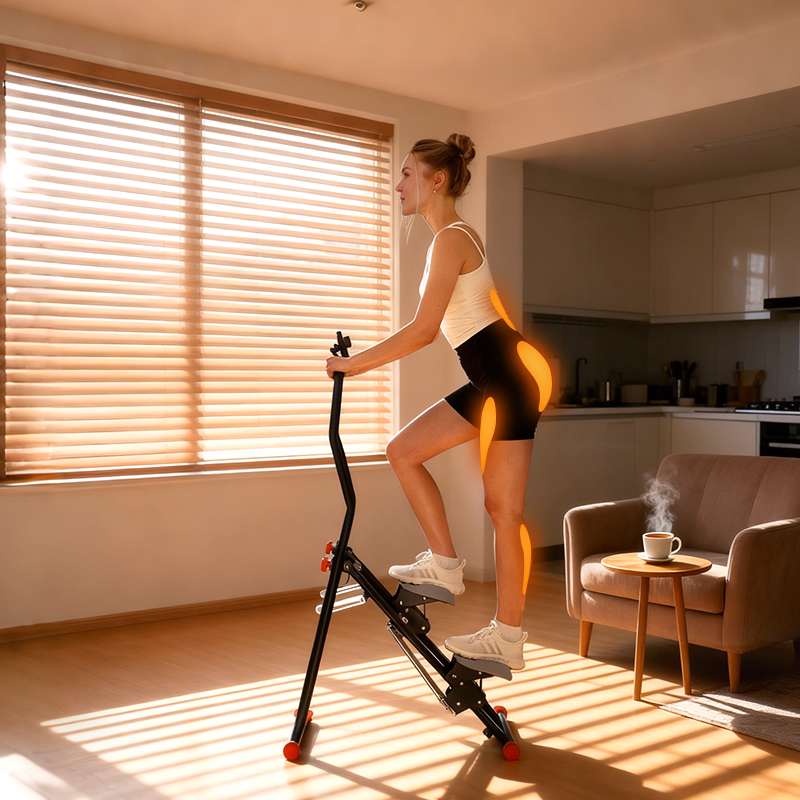
Your stair climber becomes your all-in-one trainer — strengthening, sculpting, and conditioning your entire body.
VII. Pro Tips for Better Results
Small changes make big differences. Here’s how to get the most from your beginner stair workout:
-
Stay Consistent:
Aim for at least three climbs a week. Ten focused minutes daily beat one long session once a week. -
Vary Intensity:
Alternate between low and medium resistance to challenge muscles and avoid plateaus. -
Use Music or Intervals:
Create playlists that match your rhythm — upbeat for fast climbs, calming for cooldowns. -
Track and Celebrate:
Record time, resistance, or steps. Watching numbers climb keeps motivation alive. -
Stretch Post-Workout:
Focus on calves, hamstrings, and hips to maintain flexibility and prevent soreness. -
Stay Hydrated:
Even short workouts require proper hydration — it keeps energy steady.
VIII. Safety and Maintenance Checklist
A great workout routine begins with a safe setup. Keep your home stair climber in top condition with this quick checklist:
- Wipe handles and pedals after each use
- Check bolts and screws weekly
- Store flat or upright in a dry area
- Avoid overloading (follow max weight guideline)
- Keep out of reach of small children
A little care keeps your climber smooth, quiet, and ready whenever you are.
IX. Conclusion — Your Journey, One Step at a Time
Every fitness journey starts somewhere.
With a home stair climber, you don’t need to chase perfection — just progress.
It’s compact, convenient, and powerful enough to transform your body with simple, steady effort.
Remember: you control every climb.
Adjust resistance when you’re stronger. Take shorter sessions on busy days. Push harder when energy is high. Your fitness evolves with you — at your own pace.
Your home doesn’t need to be big to make big change happen. You only need commitment, curiosity, and a few square feet to start moving.
If you’re ready to take the first step toward stronger legs, better cardio, and a healthier lifestyle, start climbing today.
👉 Explore the Home Stair Climber
Your trusted home fitness expert — helping you build strength and confidence, one climb at a time.
.png?w=1400&h=1400)
.jpeg?w=1400&h=1400)
.jpeg?w=4000&h=4000)
.jpeg?w=4000&h=4000)
.jpeg?w=2560&h=2560)

.jpeg?w=800&h=800)
.jpeg?w=743&h=743)