.png?w=1400&h=1400)
.png?w=1200&h=1200)
.png?w=1000&h=1000)
.png?w=1400&h=1400)
.jpeg?w=800&h=800)
.jpeg?w=800&h=800)
-0.jpeg?w=800&h=800)

If you’re seeking a low-impact, effective workout to shed pounds while sculpting a stronger, leaner physique, reformer Pilates might be the answer. Unlike traditional cardio-heavy routines, reformer Pilates combines resistance training, core engagement, and mindful movement to promote sustainable weight loss. Let’s explore how this method aids weight loss, transforms the body, and how often you should practice to see results.
How Reformer Pilates Aids Weight Loss
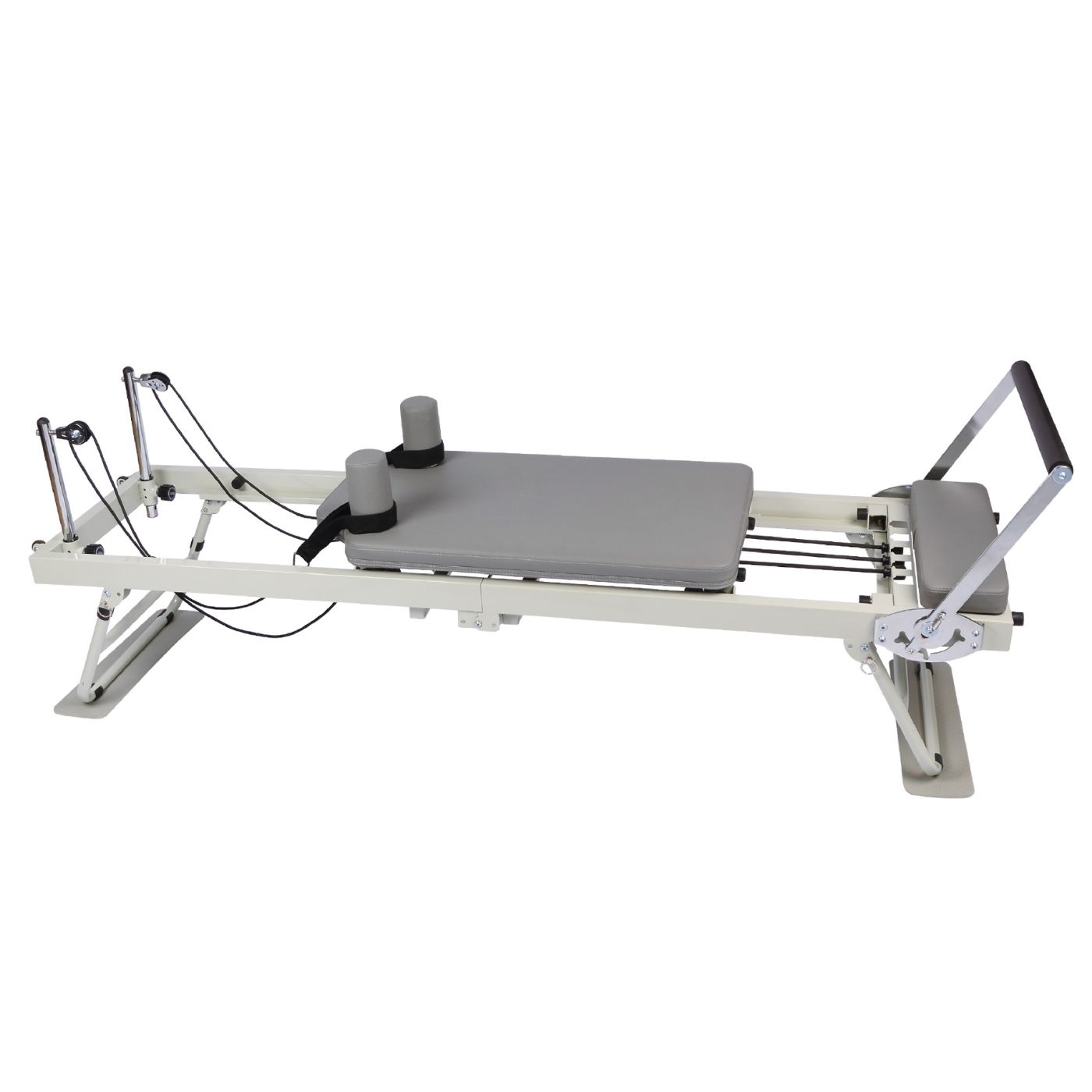
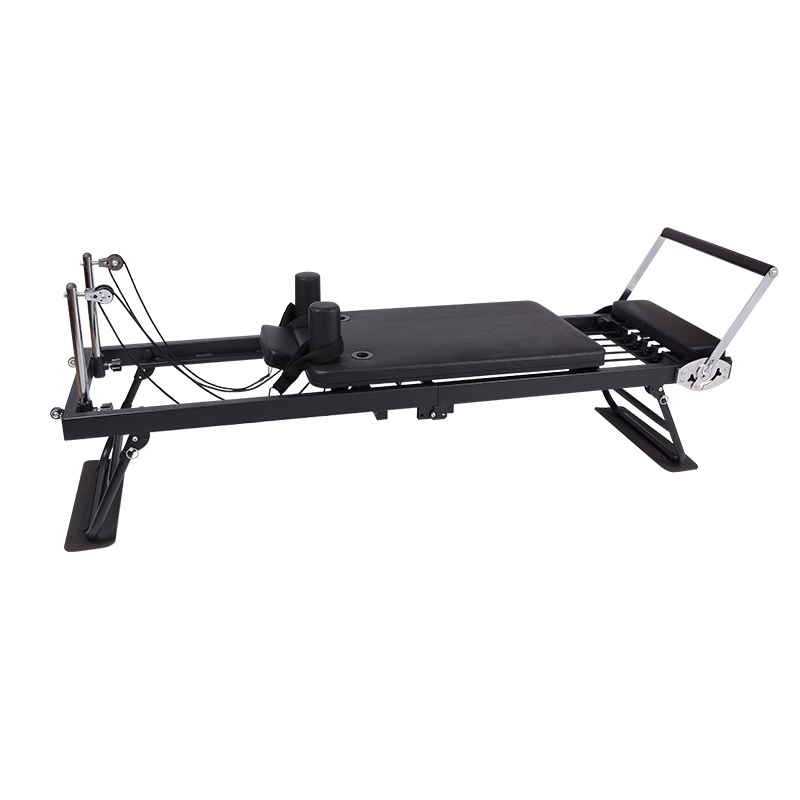
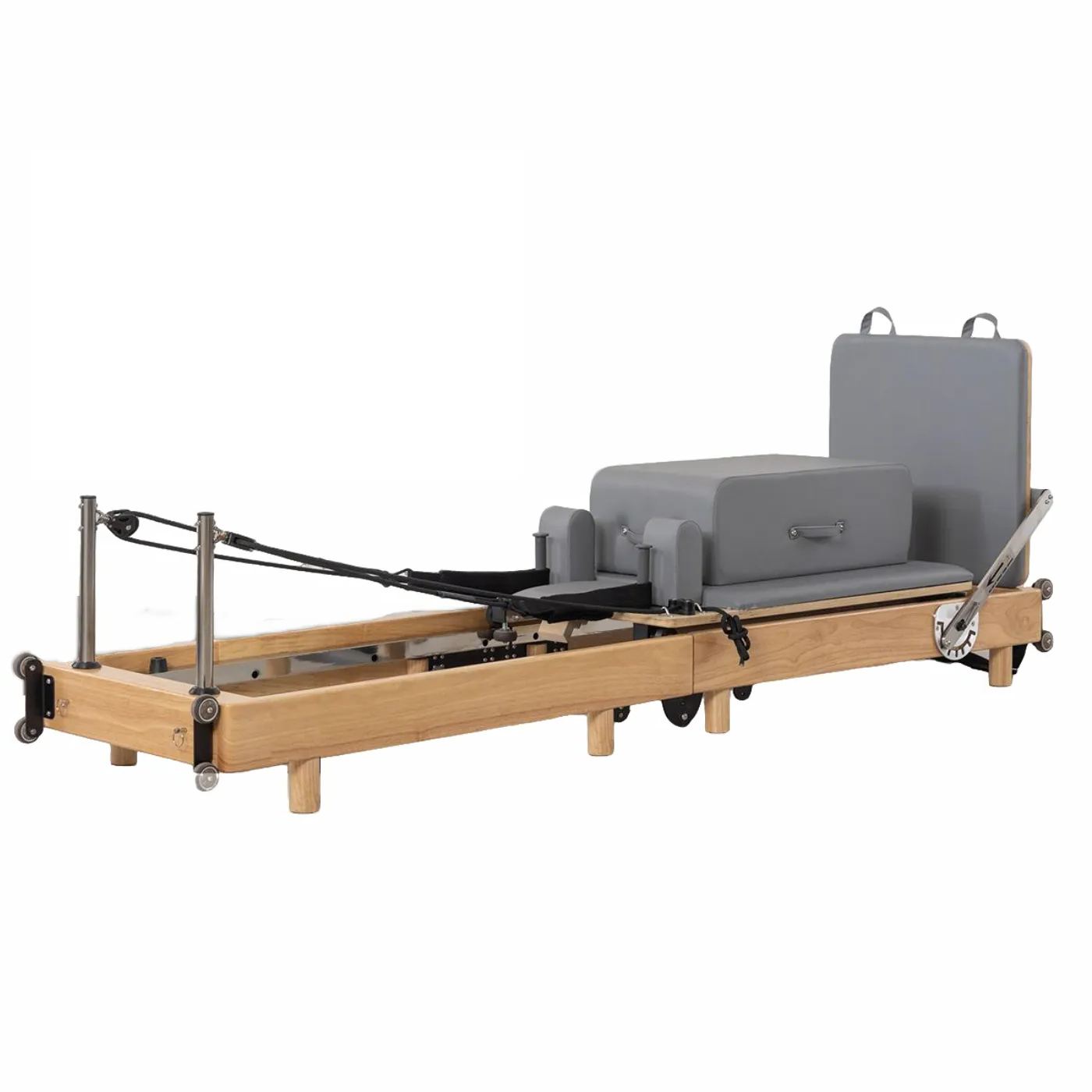
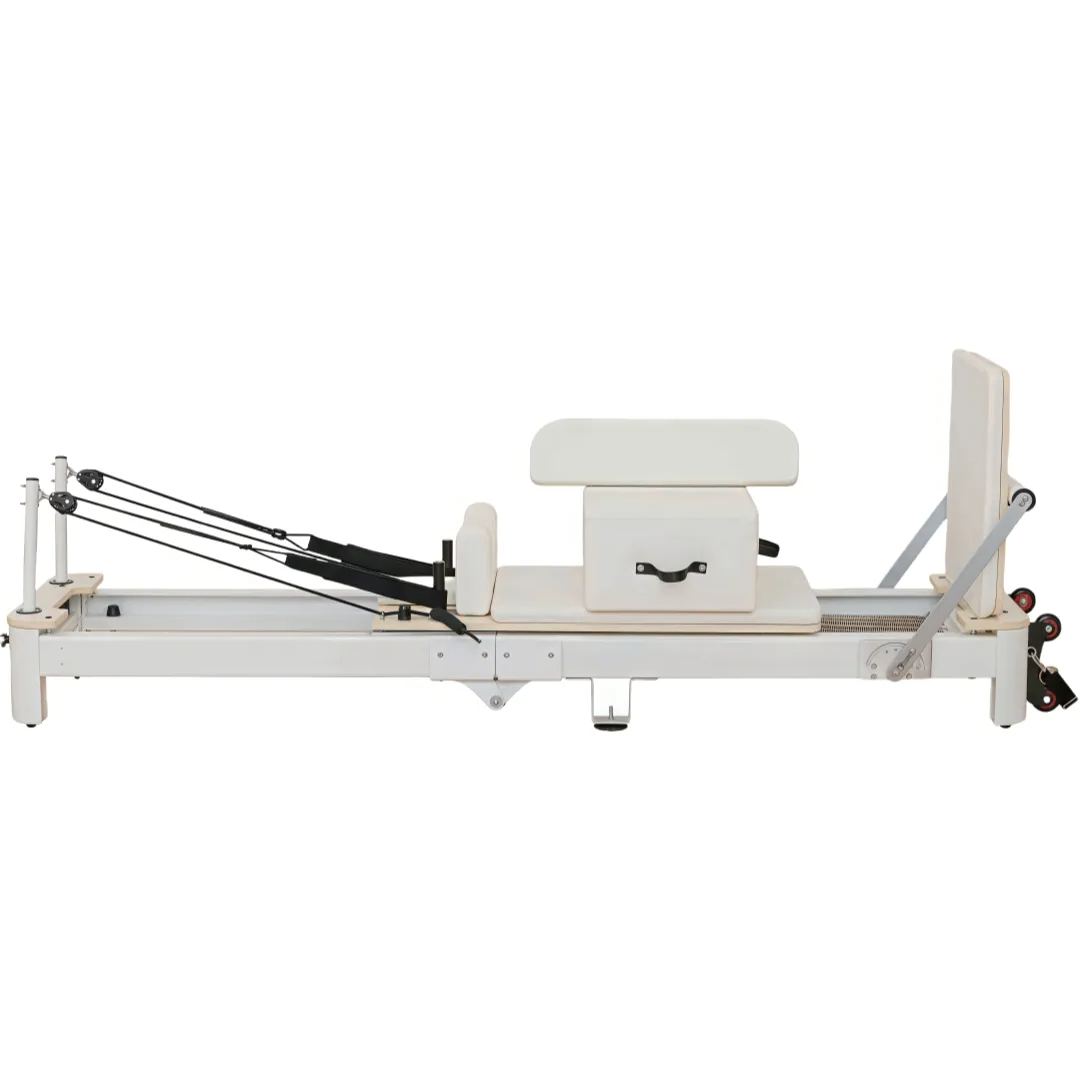
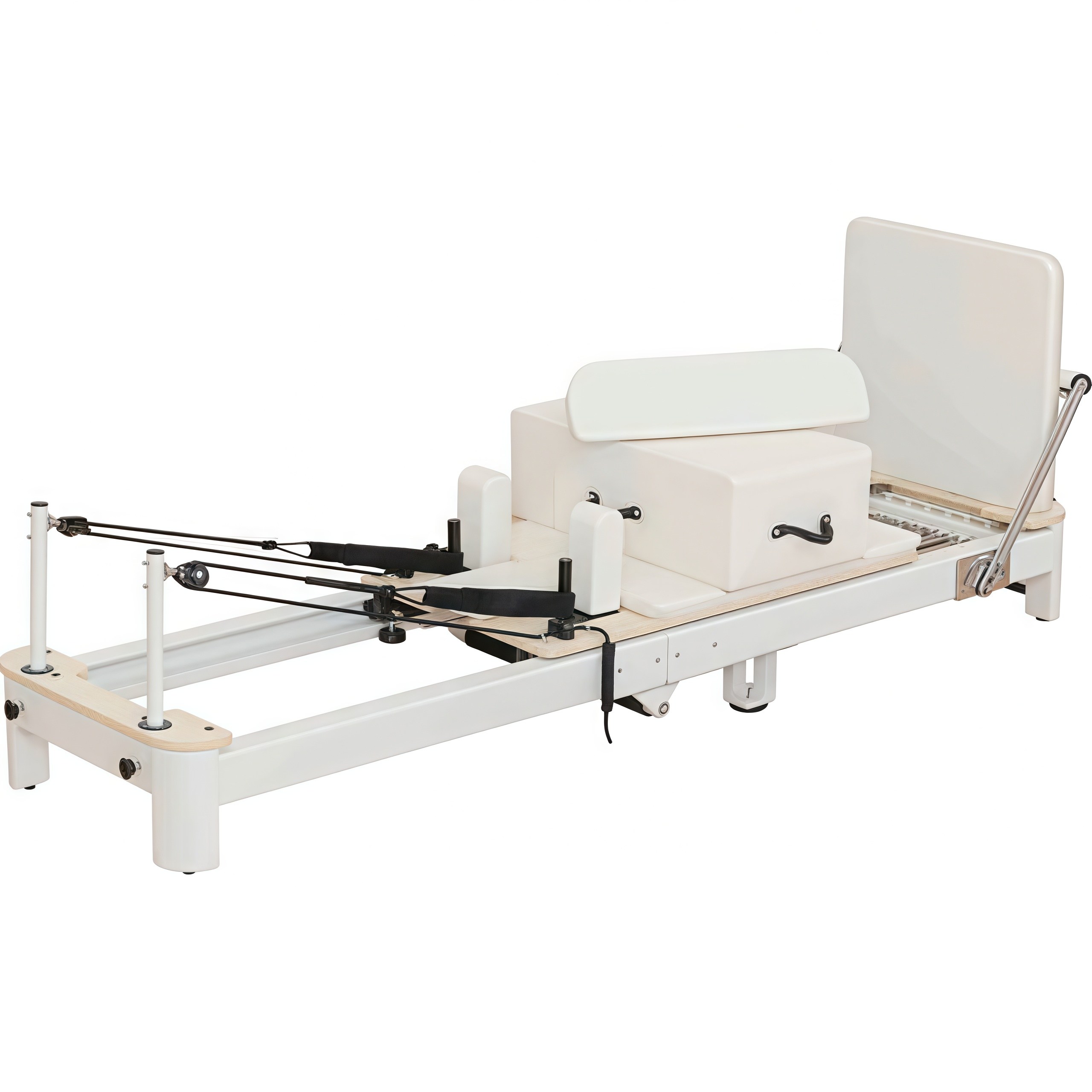
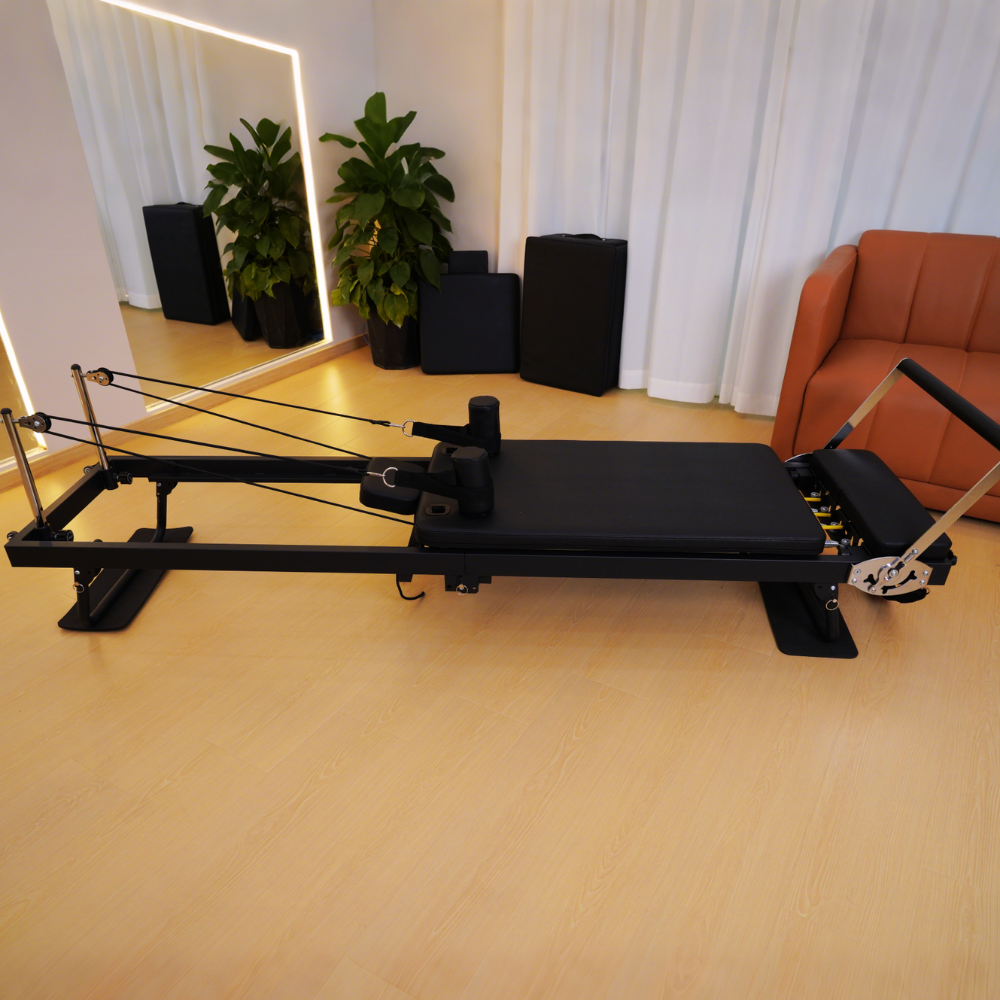
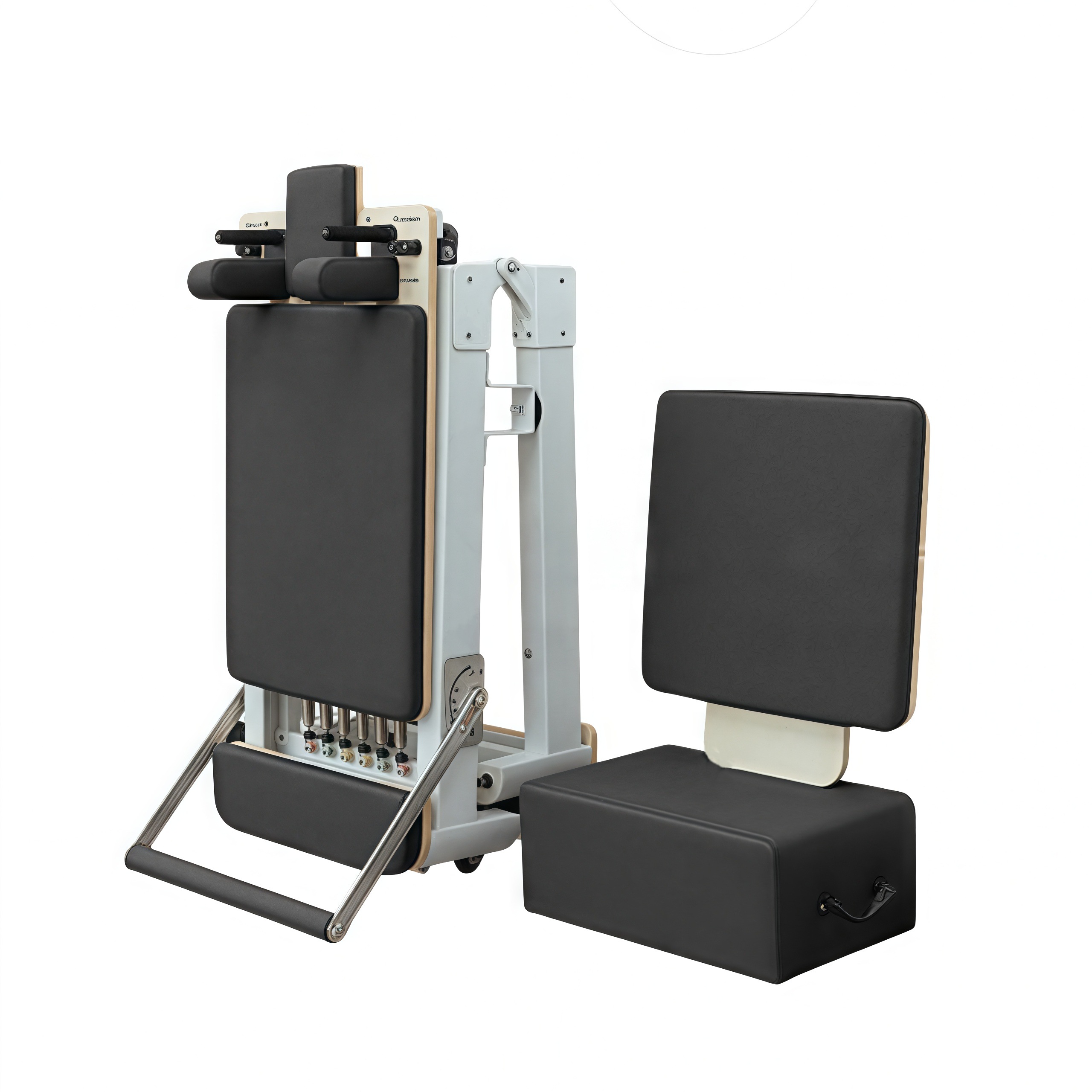
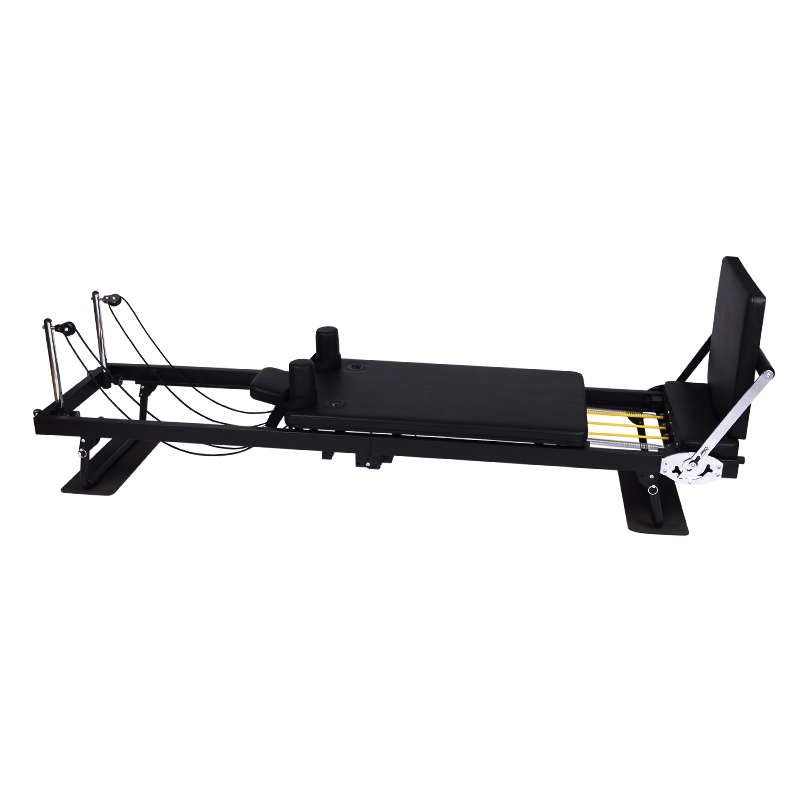
Reformer Pilates leverages specialized equipment—a sliding carriage, springs, and straps—to create controlled resistance, making it uniquely effective for fat loss. Here’s how it works:
Increases Calorie Burn
While reformer Pilates isn’t as calorie-intensive as high-intensity interval training (HIIT), it elevates heart rate and burns calories efficiently. A 2021 study found that consistent practice reduced body weight and fat percentage in participants with overweight or obesity, with more pronounced effects in those with obesity. The resistance provided by the springs challenges muscles, boosting energy expenditure during and after workouts.
Promotes Body Recomposition
Weight loss isn’t just about shedding fat—it’s about replacing it with lean muscle. Reformer Pilates focuses on building strength and muscle mass, a process called body recomposition. By increasing lean muscle, your basal metabolic rate (BMR) rises, meaning you burn more calories even at rest. This is particularly beneficial for long-term weight management.
Enhances Core Strength and Posture
A strong core is key to efficient movement and calorie burn. Reformer exercises target deep abdominal muscles, improving posture and stability. Better posture reduces strain on joints, making it easier to maintain an active lifestyle—a critical factor in sustaining a calorie deficit.
Joint-Friendly for All Fitness Levels
Unlike high-impact exercises like running, reformer Pilates minimizes joint stress. The springs and carriage support body weight, making it suitable for beginners, older adults, or those recovering from injuries. This accessibility ensures consistency, a cornerstone of successful weight loss.
How Reformer Pilates Transforms the Body
Reformer Pilates doesn’t just help you lose weight—it reshapes your body from the inside out.
Strengthens Muscles and Improves Tone
The resistance from the springs challenges muscles to work harder, leading to increased strength and definition. Over time, this results in a more toned, sculpted appearance, particularly in the core, arms, and legs.
Enhances Flexibility and Mobility
The controlled movements of reformer Pilates improve joint flexibility and range of motion. This not only prevents injuries but also allows for more efficient daily movements, which can contribute to a higher overall activity level.
Boosts Mind-Body Connection
Reformer Pilates emphasizes mindful breathing and precise movement, fostering awareness of how your body works. This connection helps you engage muscles more effectively during workouts and maintain proper form, maximizing results.
Improves Posture and Alignment
By targeting weak and tight muscles, reformer Pilates corrects imbalances that cause poor posture. Better alignment reduces back pain and enhances physical confidence, motivating you to stay active.
How Often Should You Practice Reformer Pilates?
Consistency is key to seeing weight loss results with reformer Pilates. Here’s a breakdown of recommended frequencies:
Optimal Frequency for Weight Loss
A systematic review published in the Journal of Bodywork and Movement Therapies found that 60-minute sessions, five times a week for four weeks, yielded significant improvements in body composition. This schedule allows for progressive overload—gradually increasing resistance or intensity—to keep challenging muscles.
Balancing with Other Activities
For optimal weight loss, combine reformer Pilates with aerobic exercises (e.g., brisk walking, cycling) and resistance training. The CDC recommends 150 minutes of moderate exercise weekly, which could include 3–4 reformer sessions plus cardio.
Start Gradually
Beginners should aim for 2–3 sessions per week to build strength and technique before increasing frequency. Listen to your body to avoid overtraining, as recovery is crucial for muscle growth and fat loss.
Tips for Maximizing Results
To enhance weight loss with reformer Pilates:
Pair with a High-Protein Diet: Protein supports muscle growth and satiety, helping you maintain a calorie deficit.
Incorporate Intermittent Fasting: Short periods of fasting can boost fat oxidation while preserving muscle mass.
Track Progress: Monitor body measurements, strength gains, and how clothes fit—weight alone doesn’t reflect muscle gain.
Summary
Reformer Pilates is an excellent tool for sustainable weight loss, offering a blend of strength, flexibility, and mindfulness. While it may not burn calories as rapidly as HIIT, its focus on body recomposition and joint-friendly nature make it ideal for long-term success. Combine regular practice with a balanced diet and other forms of exercise, and you’ll enjoy not just weight loss but a healthier, more resilient body. Ready to step onto the reformer? Your journey to a stronger, leaner self starts here.
For more fitness tips and workout inspiration, stay tuned with JuSai Pilates!
.png?w=1400&h=1400)
.jpeg?w=1400&h=1400)
.jpeg?w=4000&h=4000)
.jpeg?w=4000&h=4000)
.jpeg?w=2560&h=2560)
.jpeg?w=800&h=800)
.jpeg?w=743&h=743)