.png?w=1400&h=1400)
.png?w=1200&h=1200)
.png?w=1000&h=1000)
.png?w=1400&h=1400)
.jpeg?w=800&h=800)
.jpeg?w=800&h=800)
-0.jpeg?w=800&h=800)
.jpeg?w=2000&h=1125)
For years, I’ve been a devoted Pilates enthusiast, finding solace and strength in the controlled movements and mindful practice. But when the cost of studio classes near me nearly doubled and unlimited memberships vanished, I faced a dilemma: Could I replicate the benefits of Reformer Pilates at home without breaking the bank—or risking injury? After months of research, hesitation, and trial, I took the plunge. Here’s my story, woven with insights from others who’ve walked this path, to help you decide if a home Reformer is right for you.
The Catalyst: Rising Costs and the Need for Flexibility
Like many, my love for Reformer Pilates began in a studio. The resistance of the machine, the guidance of instructors, and the community vibe kept me coming back. But as prices soared, my weekly sessions became a financial strain. I craved consistency but couldn’t justify the expense. “If I could go to reformer Pilates seven days a week, I would,” I often thought. The idea of a home Reformer tantalized me—no commute, no scheduling conflicts, and potential long-term savings. But fear held me back: What if I injured myself without supervision?
The Decision: Weighing Risks and Rewards
My biggest hurdle was safety. As someone prone to anxiety, I dreaded predictable problems. Would I compromise form without mirrors or an instructor? Many online voices echoed my concerns. One user warned, “I wouldn’t recommend getting a reformer until you’re comfortable again, because you could seriously hurt yourself at home.” Yet others offered reassurance. A mother of two shared her postpartum journey: “I never injured myself—partly because I knew cues from in-person classes.” Another emphasized body awareness over mirrors: “Focus on how you feel, not how you look.”
Gradually, I realized the key wasn’t perfection but preparation. I needed to rebuild my confidence and knowledge before investing. I revisited foundational exercises in studios, recorded classes for reference, and researched online resources. By blending studio sessions with self-guided practice, I felt ready to explore a home setup.
Choosing the Right Reformer: Budget vs. Quality
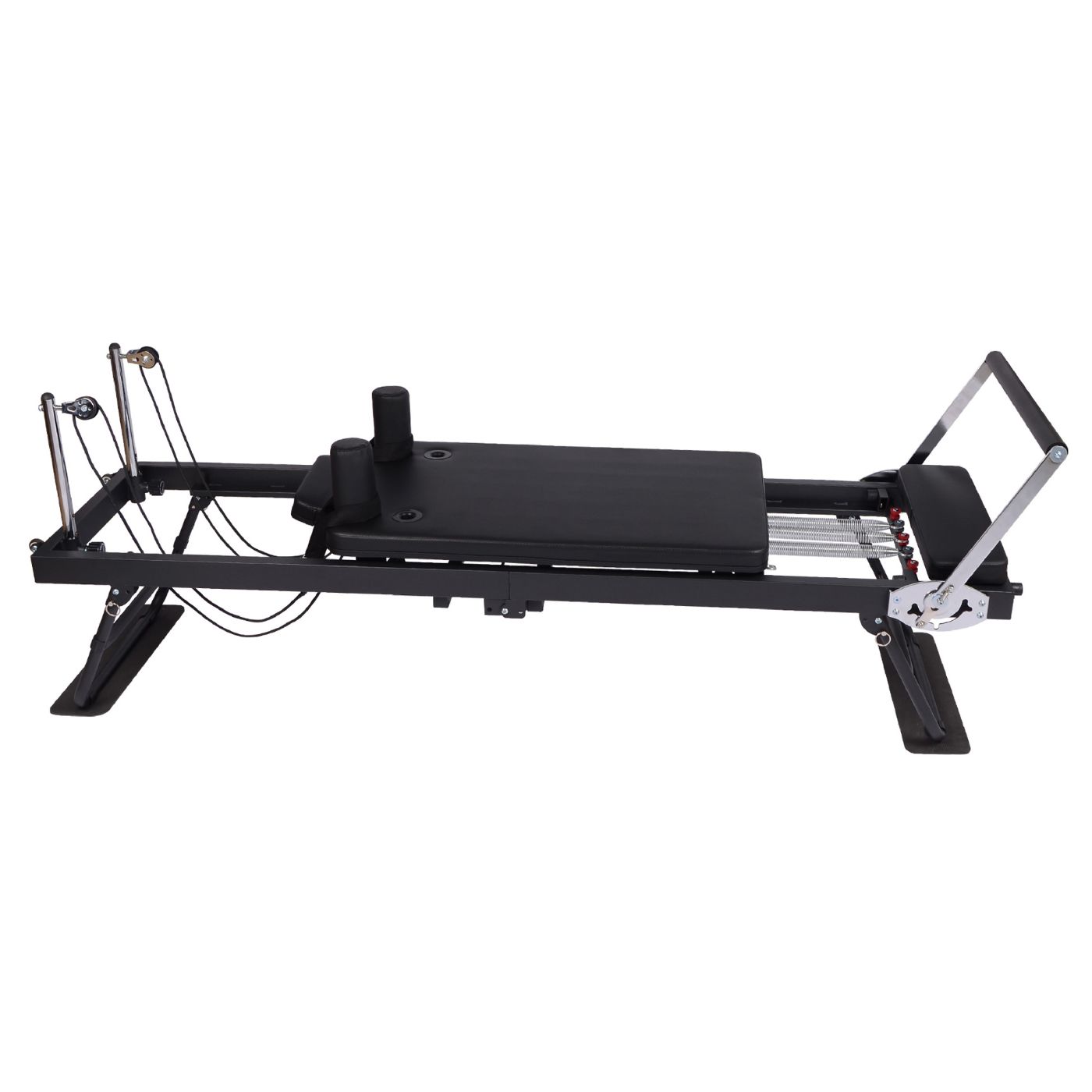
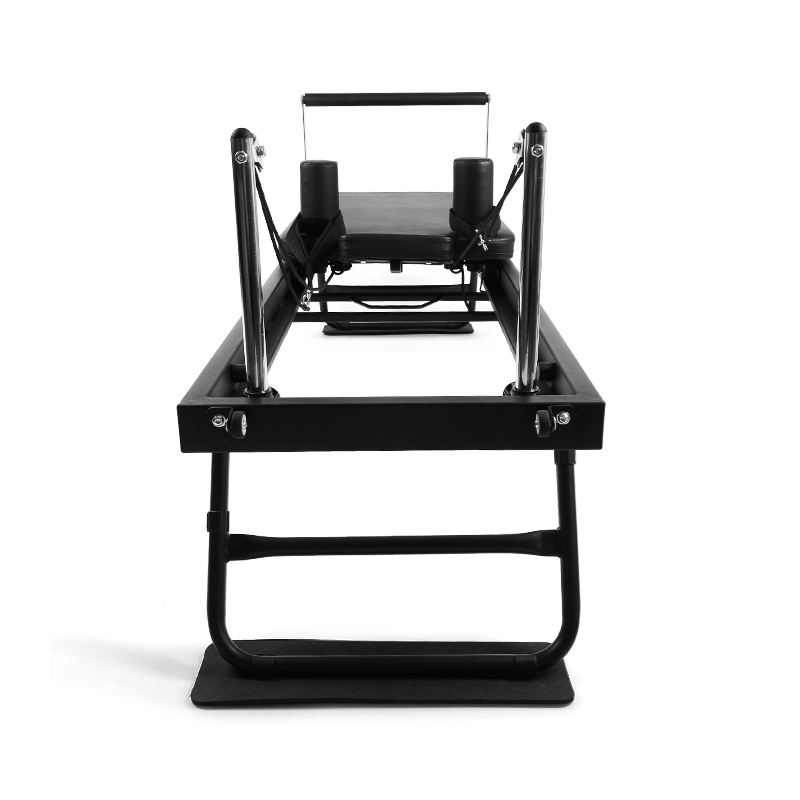
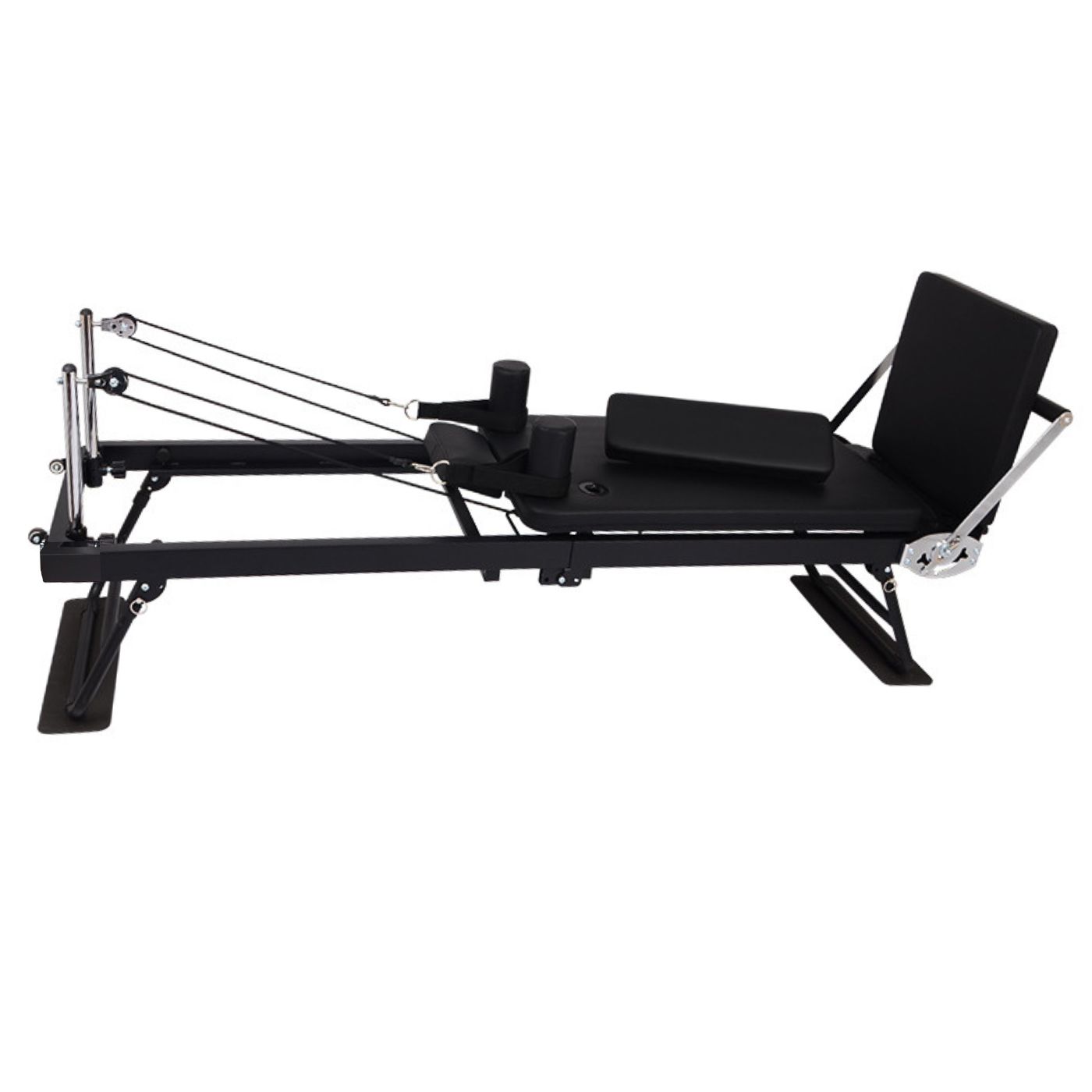
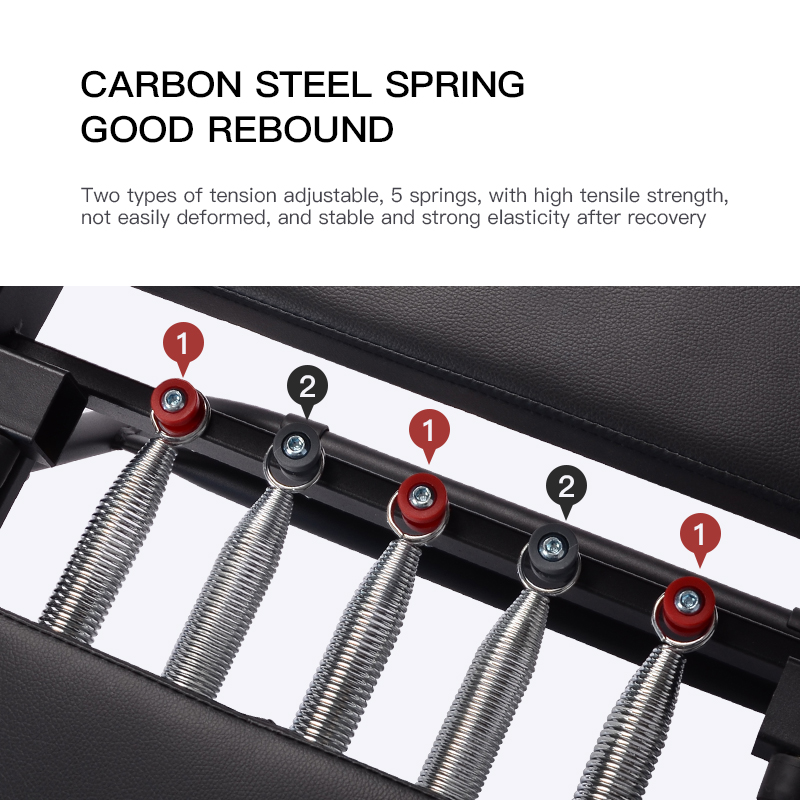
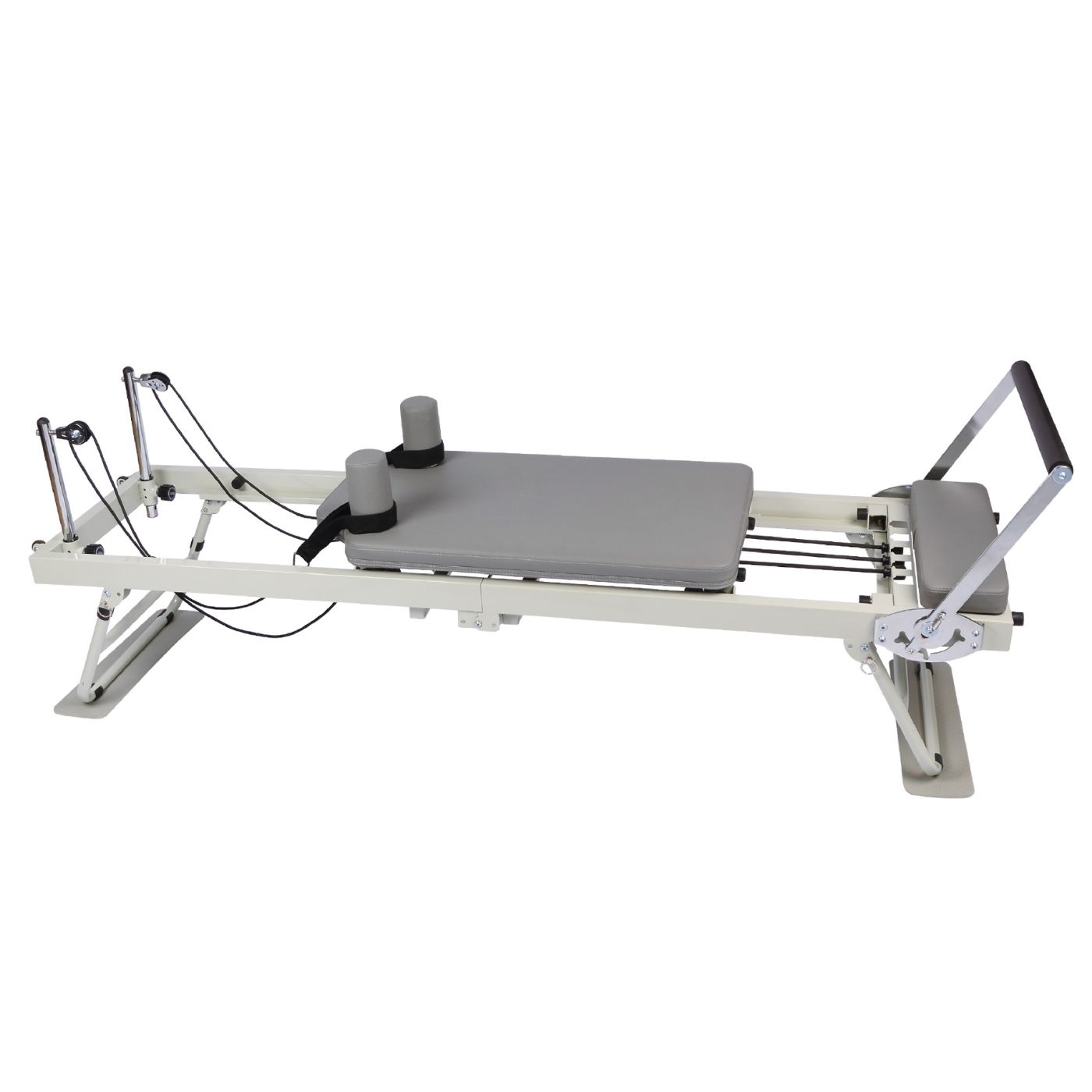
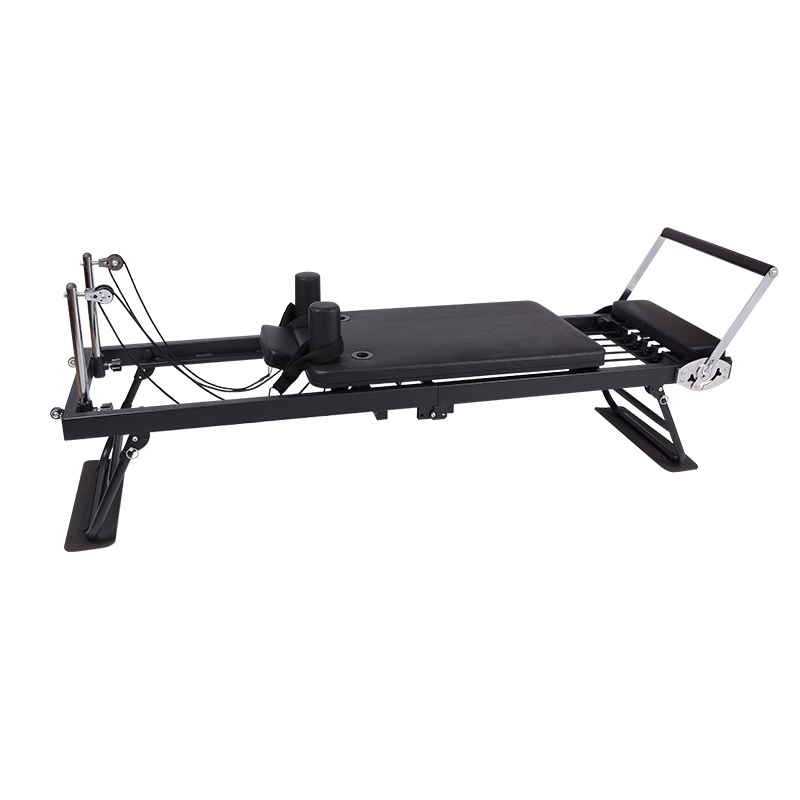
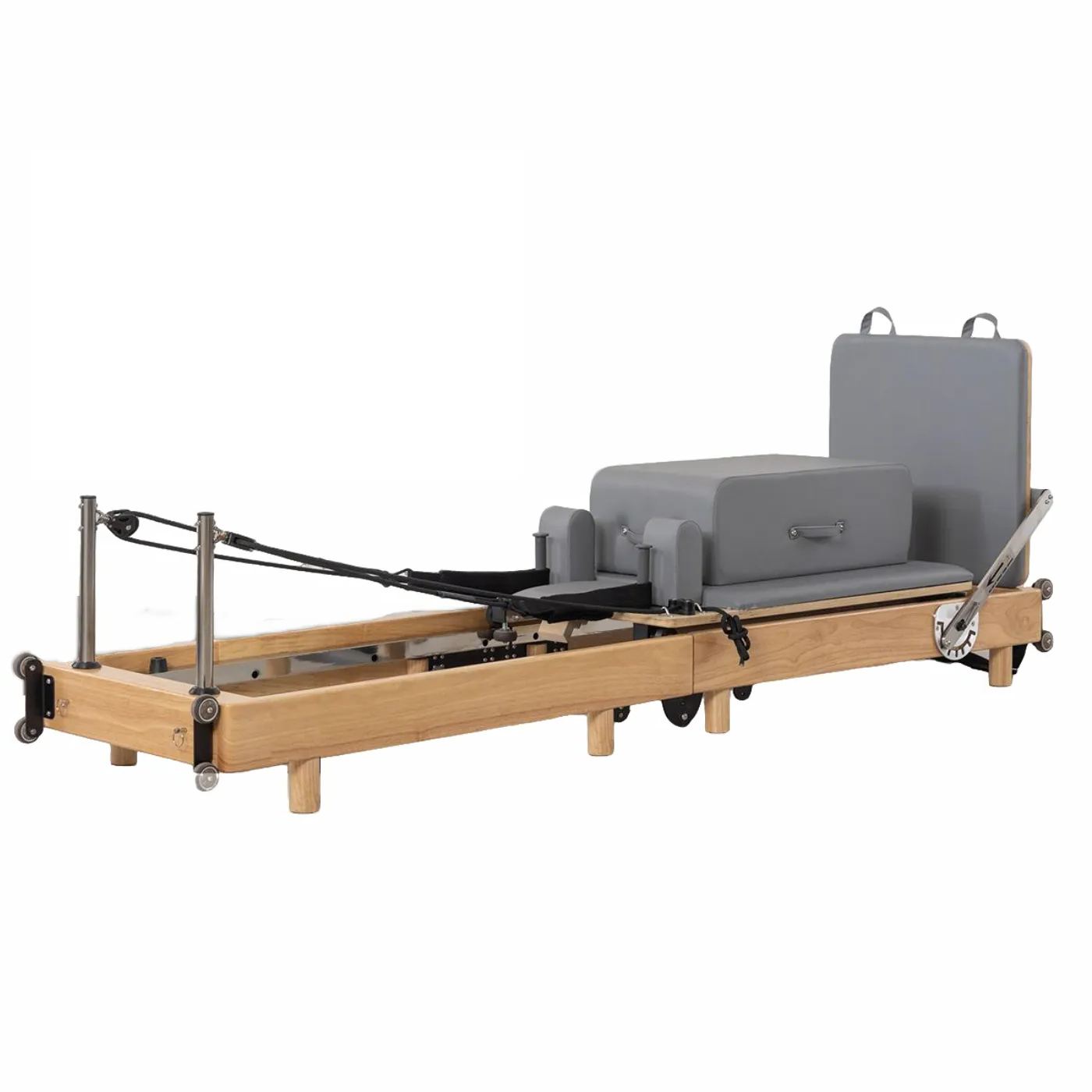
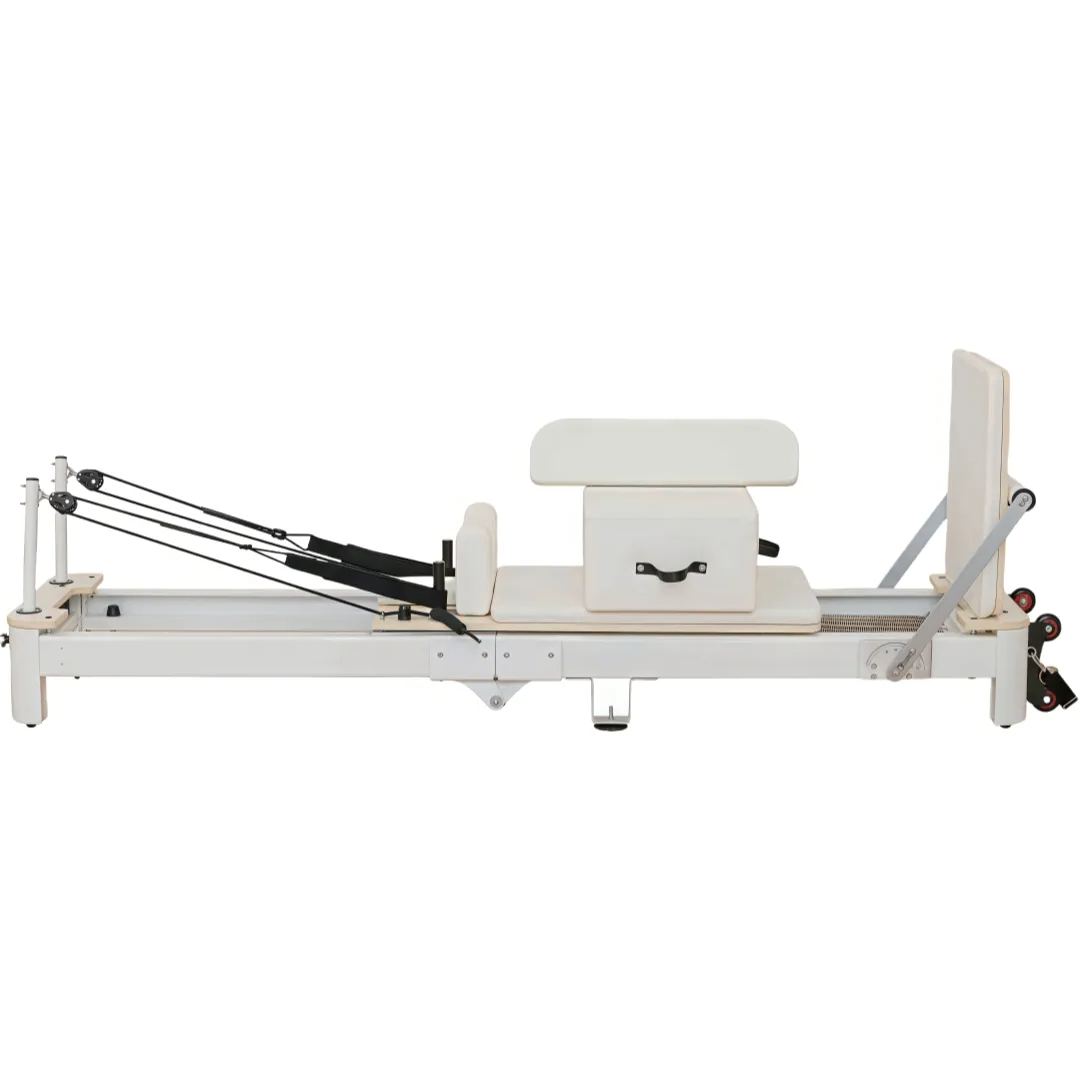
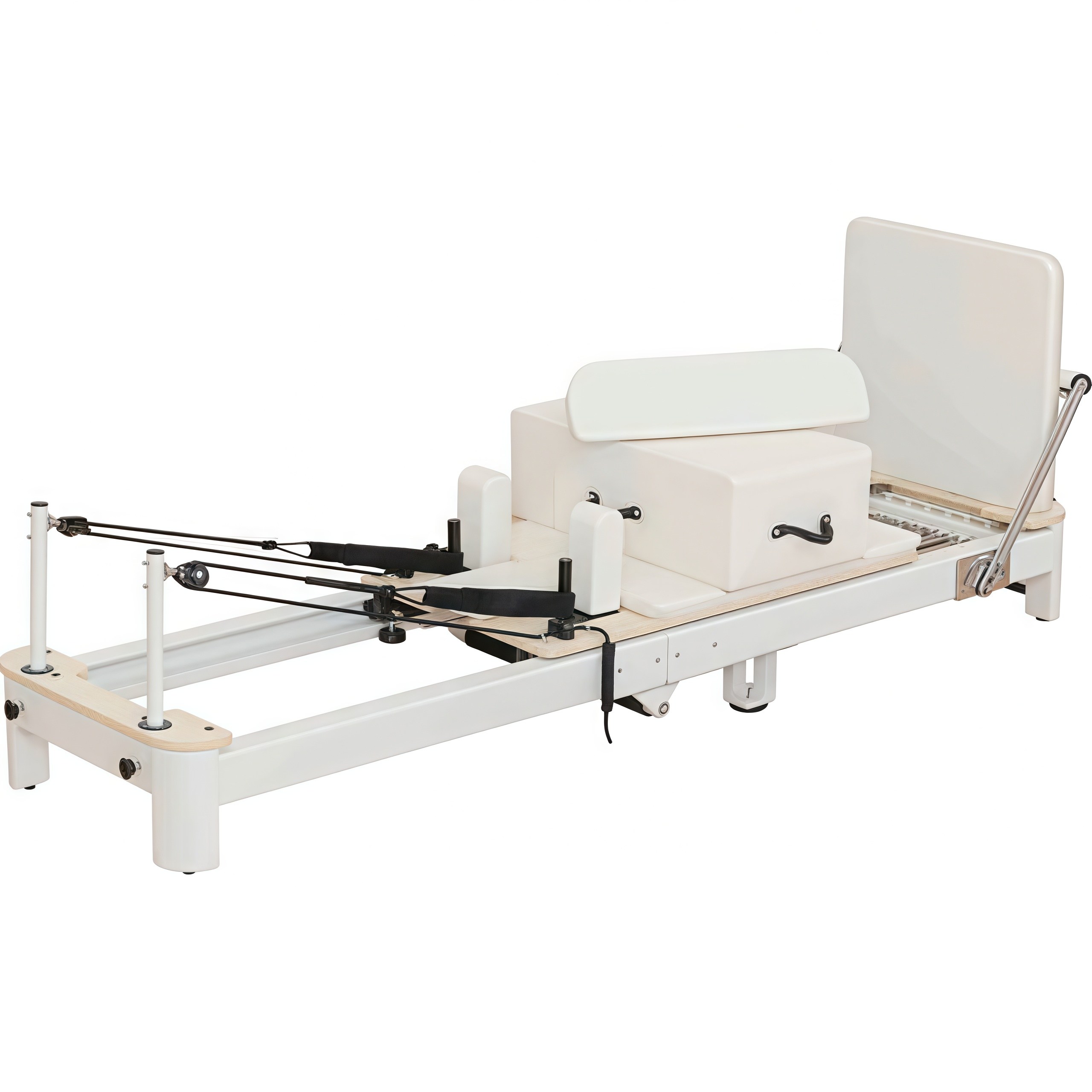
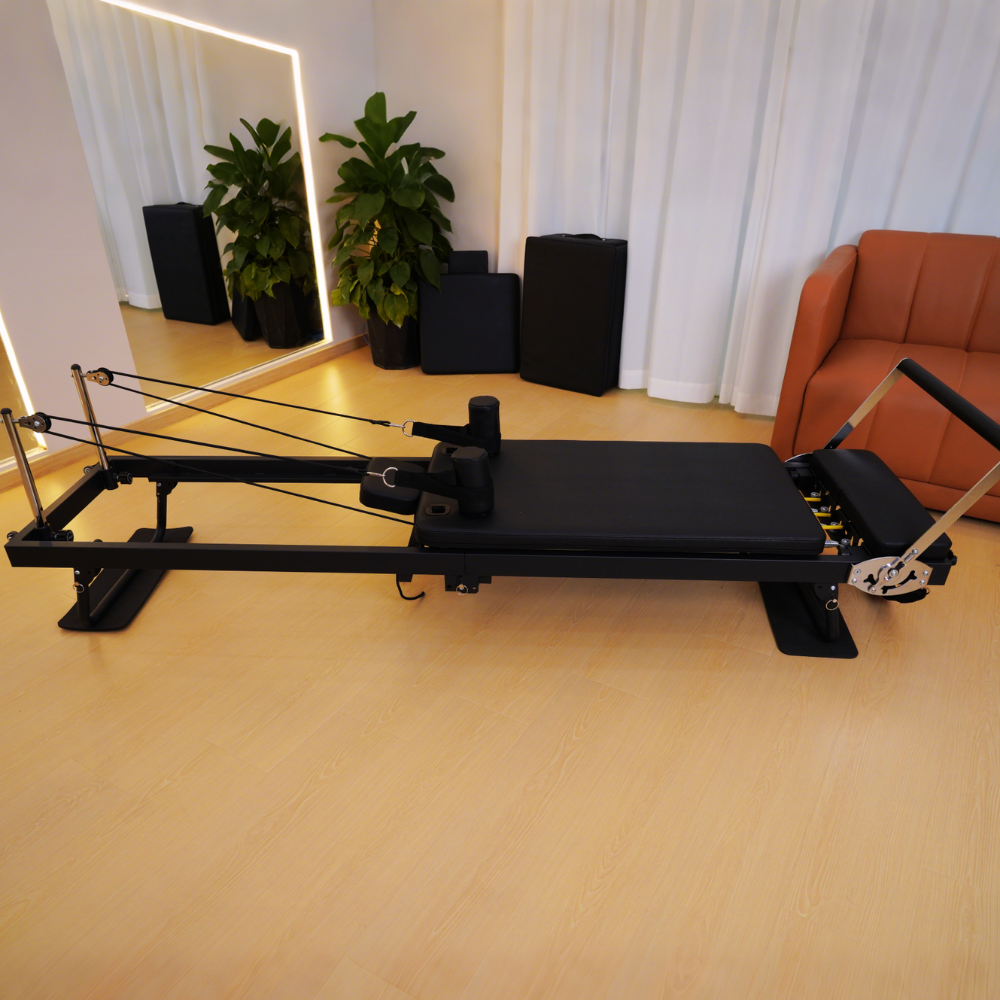
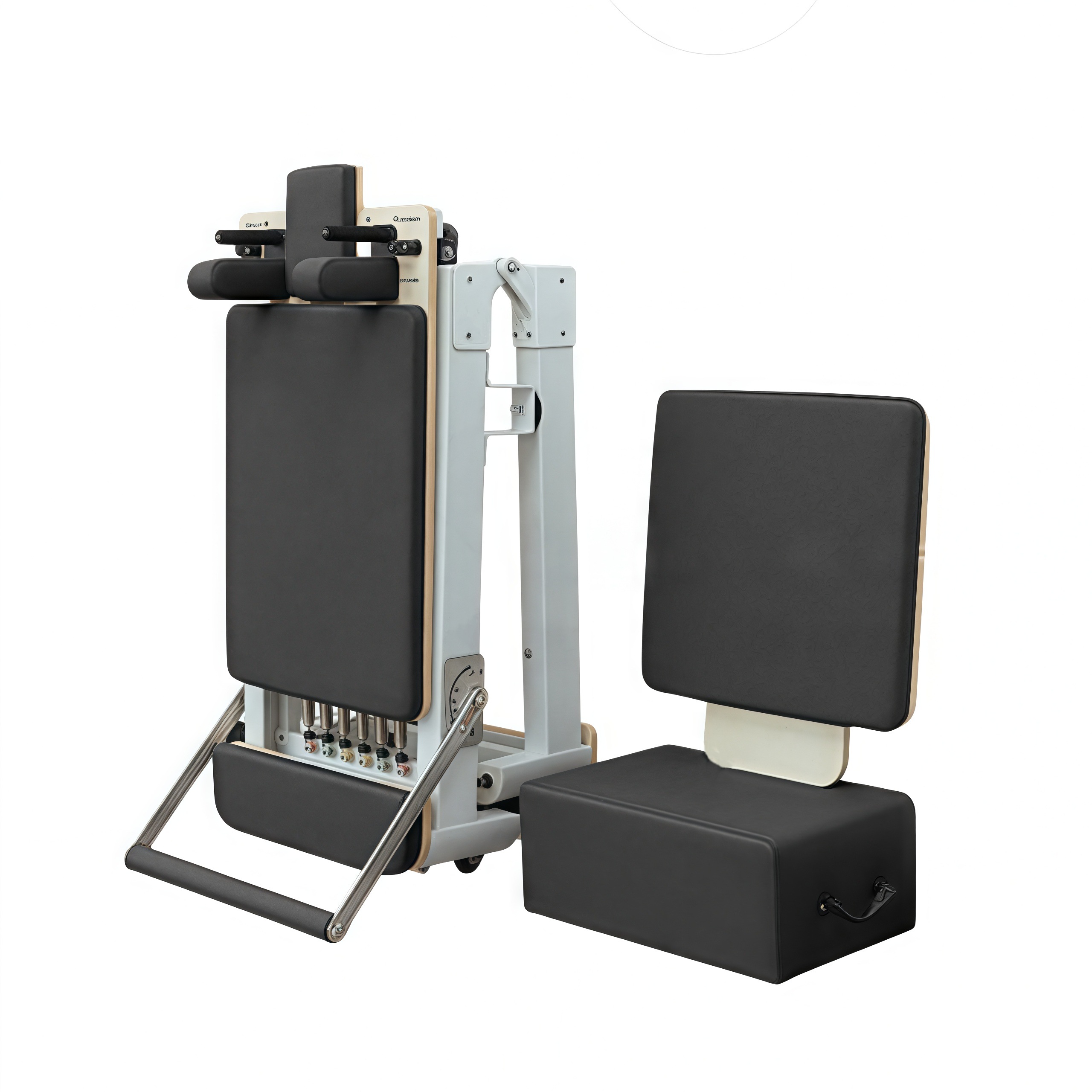
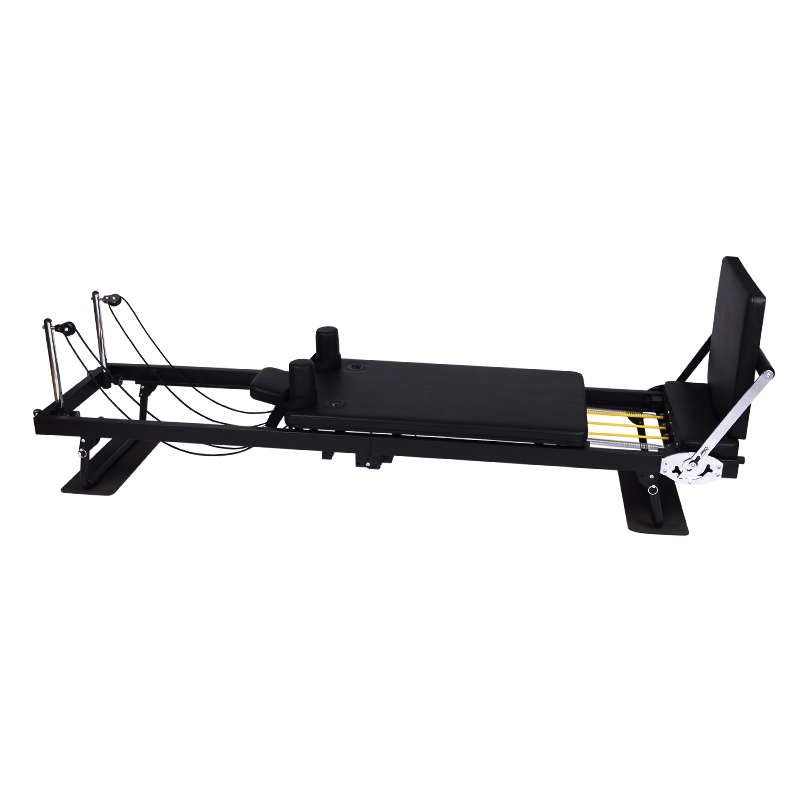
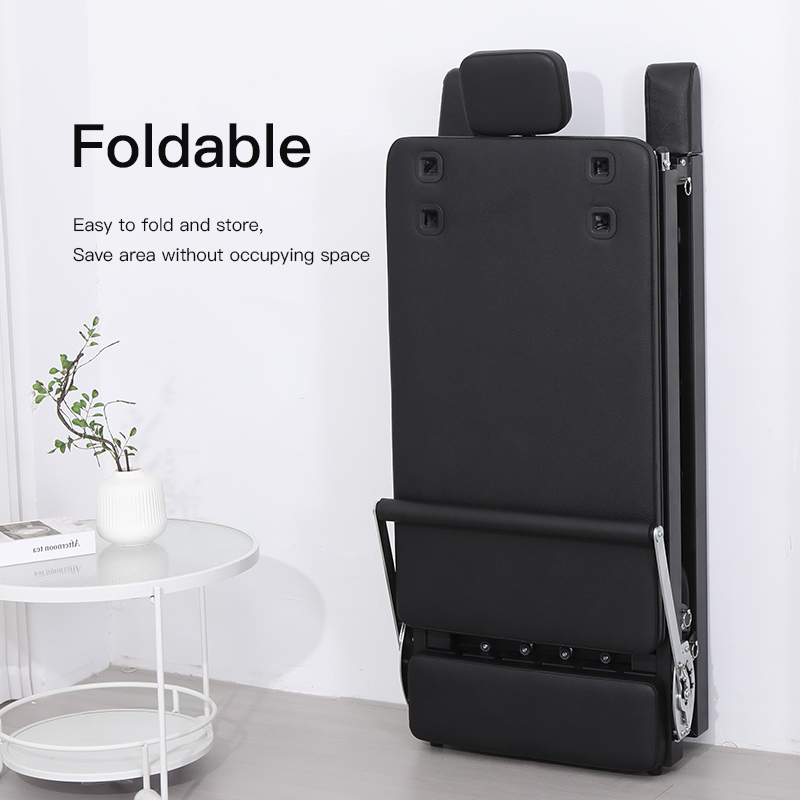
The market offers a range of Reformers, from budget-friendly models to studio-grade machines. I debated between cost and durability. A user found a JuSai Pilates Reformer for $1,926 (originally $2,500), loving its affordability but noting adjustments to resistance bands. Another raved about their Merrithew Reformer, calling it a “studio-quality dream” with metal springs. While the Merrithew costs around $3,000, they argued it’s worth it for precise resistance and compatibility with online classes.
Ultimately, I prioritized long-term value. I chose the JuSai Pilates with adjustable springs, reasoning that if I used it 3–4 times weekly, it would pay for itself in 10 months compared to studio fees. Plus, my husband joined me, doubling the savings.
Safety First: Building a Safe Home Practice
Injury prevention became my mantra. I avoided mirrors, trusting my body’s feedback instead. “A mirror can irritate your neck and distract you from internal awareness,” one user advised. Instead, I focused on cues like “engage your core” and “lengthen through the spine,” recalling studio guidance. I stuck to exercises I knew well, gradually introducing new moves with online tutorials.
I also learned to respect my limits. A user with a disability reassured, “I’m clumsy, but I never injured myself on the Reformer—just take it slow.” I started with seated and supine exercises before advancing to standing poses. Listening to my body became non-negotiable: If a movement felt off, I paused or modified it.
The Perks of Home: Flexibility and Consistency
Owning a Reformer transformed my routine. I now practice 5–6 days a week, often in pajamas, squeezing in sessions during gaps in my schedule. No more rushing to classes or rescheduling due to weather. “I can do any exercise at any time,” another enthusiast agreed. The convenience reignited my passion, turning Pilates into a daily ritual rather than a chore.
I still attend one studio class weekly for accountability and fresh perspectives. This hybrid approach—home practice plus occasional in-person guidance—keeps my workouts dynamic and safe.
Debunking Myths: Mirrors, Perfection, and the “Right” Time
Common misconceptions about home Reformers persist. One myth is that mirrors are essential for form. Yet, as multiple users noted, mirrors can breed self-doubt and neck strain. Instead, prioritize internal focus. Another myth: You need to be “perfect” to practice alone. In reality, Pilates is forgiving if you stay mindful. A user summed it up: “It’s impossible to check alignment from all angles—stick to what you know and add new exercises with a teacher.”
As for timing, only you know when you’re ready. Some jump in after a few months; others wait years. I waited until I felt strong and confident, but even then, I took it slow. Progress, not perfection, is the goal.
The Bottom Line: Is It Worth It?
For me, the answer is a resounding yes. The financial savings, flexibility, and joy of daily practice far outweigh the initial investment. But it’s not for everyone. If you thrive on studio energy or lack self-discipline, a home Reformer might gather dust. However, if you’re committed to consistency and willing to blend self-guided workouts with occasional professional input, it could be transformative.
So, to the hesitant Pilates lover weighing the same decision: Trust your instincts, build a solid foundation, and embrace the journey. Your home Reformer isn’t just a machine—it’s a gateway to reclaiming your time, health, and happiness.
Final: “Pilates is not about being better than someone else. It’s about being better than you used to be.” And with a home Reformer, that “better” becomes achievable, one breath and one movement at a time.
.png?w=1400&h=1400)
.jpeg?w=1400&h=1400)
.jpeg?w=4000&h=4000)
.jpeg?w=4000&h=4000)
.jpeg?w=2560&h=2560)
.jpeg?w=800&h=800)
.jpeg?w=743&h=743)