.png?w=1400&h=1400)
.png?w=1200&h=1200)
.png?w=1000&h=1000)
.png?w=1400&h=1400)
.jpeg?w=800&h=800)
.jpeg?w=800&h=800)
-0.jpeg?w=800&h=800)
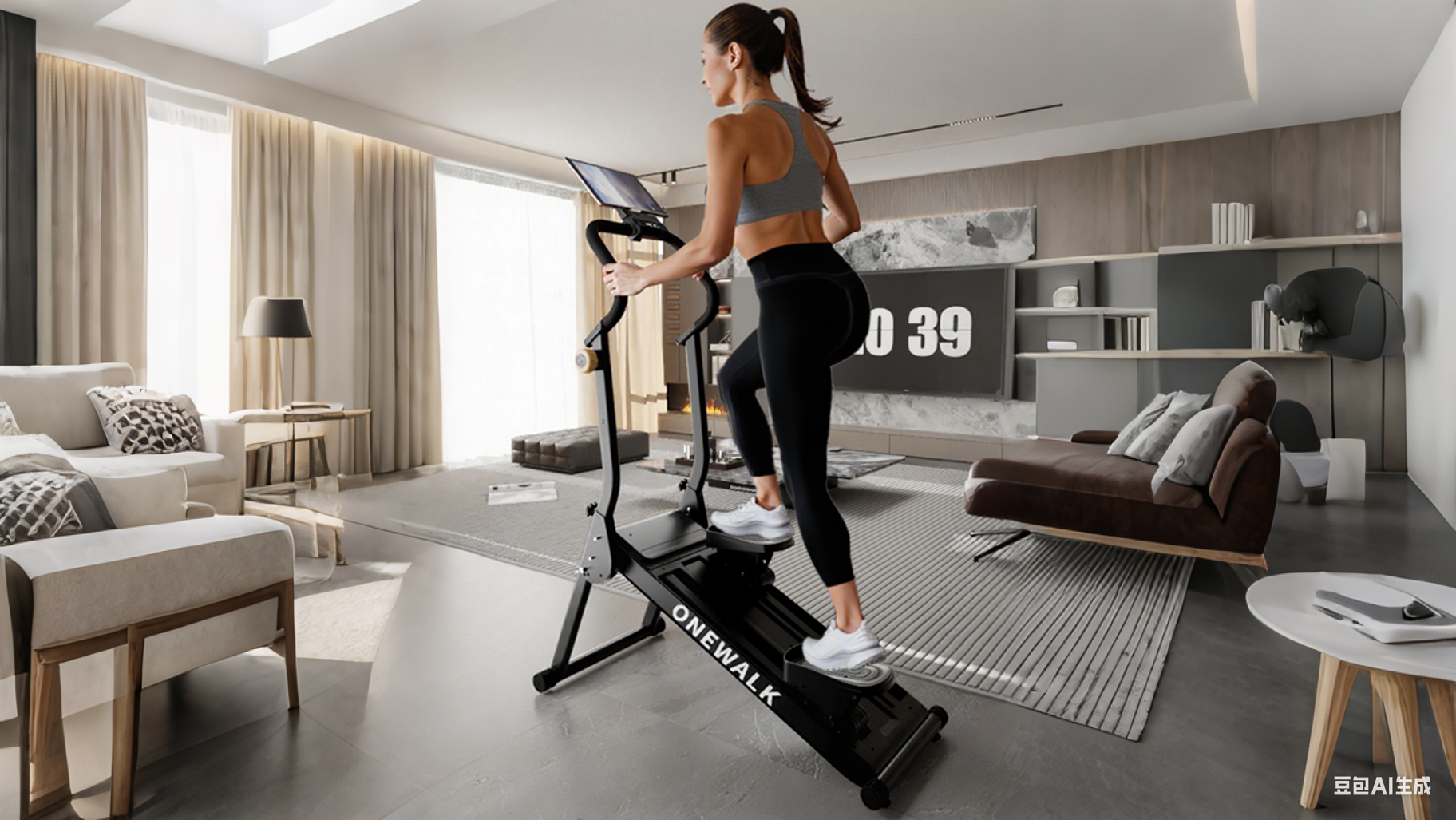
Why the Stair Climber is a Effective Fat-Burning Equipment?
Among all the cardio machines in the gym, the Stair Climber stands out as a high-efficiency calorie burner — and science backs it up. A 2019 study in the Journal of Sports Science & Medicine found that 30 minutes on a stair climber burns 20–30% more calories than 30 minutes of brisk walking at 3.5 mph, and up to 10% more than jogging at 5 mph.
What makes it so effective? Unlike steady-state walking or cycling, it engages multiple large muscle groups simultaneously: glutes, quads, hamstrings, and calves work overtime to lift your body weight with each step. This not only torches calories during the workout but also triggers a post-workout calorie burn (known as excess post-exercise oxygen consumption, or EPOC). Because your muscles need more oxygen to recover after intense effort, you’ll continue burning calories for hours after stepping off the machine — a bonus no other cardio machine matches as consistently.
But the real key to unlocking its fat-burning potential? A smart, progressive plan that avoids plateaus and keeps your body adapting.
Build Your Weight Loss Plan (And Stick With It)
Occasionally a 5-minute climb here and there won’t deliver results. To truly torch body fat, follow this three-phase structure — designed to build endurance, boost intensity, and keep your metabolism firing:
Phase 1: Adaptation (Week 1–2)
This phase is all about building muscle memory and avoiding burnout. Your body needs time to adjust to the unique movement pattern of the stair climber, so focus on consistency over intensity.
- Frequency: 2–3x/week (give muscles 48 hours to recover between sessions)
- Duration: 10–15 mins (start short to avoid soreness)
- Intensity: Low (Level 3–5 on most machines) — you should be able to hold a conversation
- Pro Tip: Practice form here! Use mirrors to check posture (see “Master the Form” below)
Phase 2: Burn Mode (Week 3–5)
Now that your body is comfortable, it’s time to crank up the effort. This phase introduces interval training, which research shows is more effective for fat loss than steady-state cardio because it spikes your heart rate and revs EPOC.
- Frequency: 3–4x/week
- Duration: 20–30 mins (including a 5-minute warm-up and 5-minute cool-down)
- Intensity: Moderate (Level 5–7) with intervals:
- 1 minute “fast climb” (Level 7–8: you should be breathing hard, unable to talk in full sentences)
- 1 minute “slow recover” (Level 5: catch your breath, but keep moving)
- Repeat for 10–20 mins
- Goal: Complete 8–12 rounds of the interval cycle
Phase 3: Fat Melter (Week 6+)
By week 6, your endurance will be stronger — now you’ll alternate between steady-state and HIIT days to keep challenging your body and avoid plateaus.
- Frequency: 4–5x/week
- Duration: 30–45 mins (warm-up + cool-down included)
- Intensity: Higher (Level 6–9)
- Structure:
- HIIT Days: 2–3x/week
- 5-min warm-up (Level 4–5)
- 20 mins of 30-second sprints (Level 8–10) + 1-minute walks (Level 5)
- 5-min cool-down
- Steady-State Days: 2–3x/week
- Maintain Level 6–7 for 25–35 mins (keep a steady pace, heart rate at 60–70% max)
- HIIT Days: 2–3x/week
- Pro Tip: Adjust levels based on your fitness — if Level 9 feels too easy, bump it up!
Master the Form: Important Posture Tips
Bad form doesn’t just reduce calorie burn — it can lead to knee, hip, or lower back pain. Nail these tips to maximize results and stay injury-free:
- Stand tall: Keep your chest up, shoulders back, and core engaged (imagine a string pulling the top of your head toward the ceiling). Slouching shifts stress to your lower back — avoid it!
- Light grip only: The rails are for balance, not support. Gripping too hard (or leaning on them) takes work off your legs, cutting calorie burn by up to 20%.
- Hips neutral: Don’t lean forward or backward excessively. Your torso should stay upright, with hips aligned over your ankles.
- Full steps: Press through your entire foot (heels first, then toes) to engage your glutes and quads fully. “Tapping” with your toes wastes energy and misses muscle activation.
- Eyes forward: Looking down at your feet throws off posture — keep your gaze straight ahead.
Support Your Fat Loss with Smart Nutrition
You can’t out-train a bad diet — even 60 minutes on the stair climber won’t offset a day of junk food. Here’s how to fuel for fat loss:
- Stay in a calorie deficit: Fat loss happens when you burn more calories than you consume. Aim for a moderate deficit (300–500 calories/day) — too large, and your body will burn muscle instead of fat. Use apps like MyFitnessPal or Lose It! to track intake.
- Prioritize protein: Aim for 1.2–1.6g of protein per kg of body weight daily (e.g., 72–96g for a 60kg person). Protein keeps you full, preserves lean muscle (which boosts metabolism), and has a high “thermic effect” (your body burns calories digesting it). Good sources: chicken breast, fish, eggs, lentils, protein powder.
- Hydrate strategically: Drink 500ml of water 30 minutes before your workout to boost performance, and sip 100–200ml every 15 mins during. Aim for 2–3L total daily — dehydration slows fat loss and energy levels.
- Limit processed carbs and sugar: White bread, pastries, and soda spike blood sugar, leading to energy crashes and cravings. Opt for complex carbs (oats, sweet potatoes, quinoa) to fuel workouts instead.
- Don’t skip meals: Starving yourself leads to overeating later. Eat 3 balanced meals + 1–2 snacks (e.g., apple with almond butter) to keep metabolism steady.
Combine With These Exercise for Maximum Impact
The stair climber is a star, but pairing it with other habits supercharges results:
- Strength training (2–3x/week): Building muscle increases your resting metabolic rate (you burn more calories at rest). Focus on full-body workouts: squats, lunges, push-ups, and planks. Upper body training (bicep curls, rows) balances out the lower-body work from the stair climber, giving you a lean, proportionate look.
- Recovery days: Muscles grow and repair during rest, not workouts. Add 1–2x/week of yoga or stretching to reduce soreness and improve flexibility. On other rest days, take a 20–30 minute walk — light activity keeps blood flowing and aids recovery.
- Sleep 7–9 hours/night: Poor sleep disrupts hunger hormones (ghrelin and leptin), increasing cravings for sugar and carbs. Aim for a consistent sleep schedule to keep your metabolism and willpower strong.
Use a Home Stair Climber?
.png?w=1042&h=1042)
Don’t have a gym membership? No problem — a home stair climber works just as well for weight loss, with the added convenience of fitting into your schedule. Here’s how to adapt the plan for home use:
Compact Onewalk stair climber machines: Most home models are smaller, but they still engage the same muscle groups. Adjust intensity by increasing step speed or adding resistance (if your machine has a dial) instead of relying on “levels.”
The Stair Climber isn’t just a “leg machine” — it’s a weight loose machine when used with a plan. By progressing through the three phases, nailing your form, and pairing workouts with smart nutrition and recovery, you’ll see real, sustainable results.
Remember: Consistency beats intensity. Even 20 minutes of focused stair climbing, done 3x/week, combined with a balanced diet, will outperform sporadic 2-hour gym sessions. Stick with it, and watch the fat melt away!
.png?w=1400&h=1400)
.jpeg?w=1400&h=1400)
.jpeg?w=4000&h=4000)
.jpeg?w=4000&h=4000)
.jpeg?w=2560&h=2560)
.jpeg?w=800&h=800)
.jpeg?w=743&h=743)