.png?w=1400&h=1400)
.png?w=1200&h=1200)
.png?w=1000&h=1000)
.png?w=1400&h=1400)
.jpeg?w=800&h=800)
.jpeg?w=800&h=800)
-0.jpeg?w=800&h=800)
.png?w=2000&h=1332)
Pilates for Seniors: A Path to Holistic Health and Longevity
In an era where aging is increasingly celebrated as a phase of vitality rather than decline, physical activity plays a pivotal role in maintaining quality of life. For seniors, finding safe and effective exercises that adapt to changing bodies is essential. Pilates, a mind-body practice rooted in controlled movements and core strength, has emerged as a transformative solution. This article explores how Pilates benefits older adults, addresses common misconceptions, and provides actionable guidance for integrating this practice into daily routines.
The Age-Defying Appeal of Pilates
Pilates, developed by Joseph Pilates in the early 20th century, was initially designed for rehabilitation. Its principles—focusing on breath, alignment, and mindful movement—make it uniquely suitable for seniors. Unlike high-impact exercises that strain joints, Pilates emphasizes low-impact movements that enhance flexibility, balance, and strength without risk of injury.
Breaking the Myth: Pilates Isn’t Just for the Young
A common misconception among older adults is that Pilates is exclusive to younger demographics. However, this couldn’t be further from the truth. Kellie Gallant, a 56-year-old who transitioned to Pilates after years of sedentary work, exemplifies this shift. Initially skeptical, she discovered that Pilates reformer sessions improved her posture and reduced chronic fatigue. As she noted, "Pilates is not about age—it’s about adapting movements to your body’s needs."
Research supports this view. A 2024 study published by UCLA Health found that Pilates significantly improves balance and mobility in adults over 65, reducing fall risks by enhancing core strength and proprioception. This adaptability makes it ideal for seniors at varying fitness levels.
Physical Benefits: Building a Resilient Body
1. Enhanced Balance and Stability
Falls are a leading cause of injury among seniors. Pilates addresses this by strengthening the core muscles, which act as the body’s stabilizers. Exercises like the single-leg stand and bridge improve dynamic balance—the ability to maintain stability while moving. A 10-week study using the Pilates reformer revealed measurable improvements in gait speed and postural control, key indicators of fall prevention.
2. Joint Pain Relief and Flexibility
Age-related joint stiffness often limits mobility. Pilates’ fluid movements increase joint lubrication and flexibility, reducing discomfort. The low-impact nature of exercises like the Hundred and Spine Twist makes them safe for those with arthritis or osteoporosis. As one participant in a 2025 study noted, "Pilates helped me regain range of motion in my shoulders without pain."
3. Cardiovascular Health and Endurance
Contrary to the belief that Pilates is purely a strength exercise, it also boosts cardiovascular health. Rhythmic breathing techniques enhance oxygen intake, improving heart efficiency. A 2024 analysis linked regular Pilates practice to reduced blood pressure and lower body mass index (BMI), key factors in preventing heart disease and diabetes.
4. Improved Posture and Spinal Health
Poor posture is a common issue among seniors, often caused by muscle weakness and spinal compression. Pilates targets the transversus abdominis and lumbar multifidus muscles, providing spinal support. Studies suggest that consistent practice can reduce kyphosis (hunching) and alleviate back pain, as seen in Kellie’s case.
Mental and Emotional Well-Being
Pilates transcends physical benefits, positively impacting mental health. The practice’s meditative elements—focus on breath and precise movements—reduce stress and anxiety. A 2024 survey found that 85% of senior participants reported improved mood and self-confidence after Pilates sessions. Group classes also foster social connections, combating loneliness and depression.
Safety Considerations: Ensuring a Safe Practice
While Pilates is generally safe, seniors must take precautions:
- Medical Consultation: Always seek approval from a healthcare provider, especially if managing chronic conditions.
- Professional Guidance: Work with certified instructors experienced in modifying exercises for seniors.
- Progressive Intensity: Start with gentle movements and gradually increase difficulty.
- Warm-Up and Cool-Down: Include dynamic stretches to prevent muscle soreness.
- Hydration and Nutrition: Maintain fluid intake and a balanced diet to support recovery.
Equipment and Adaptations
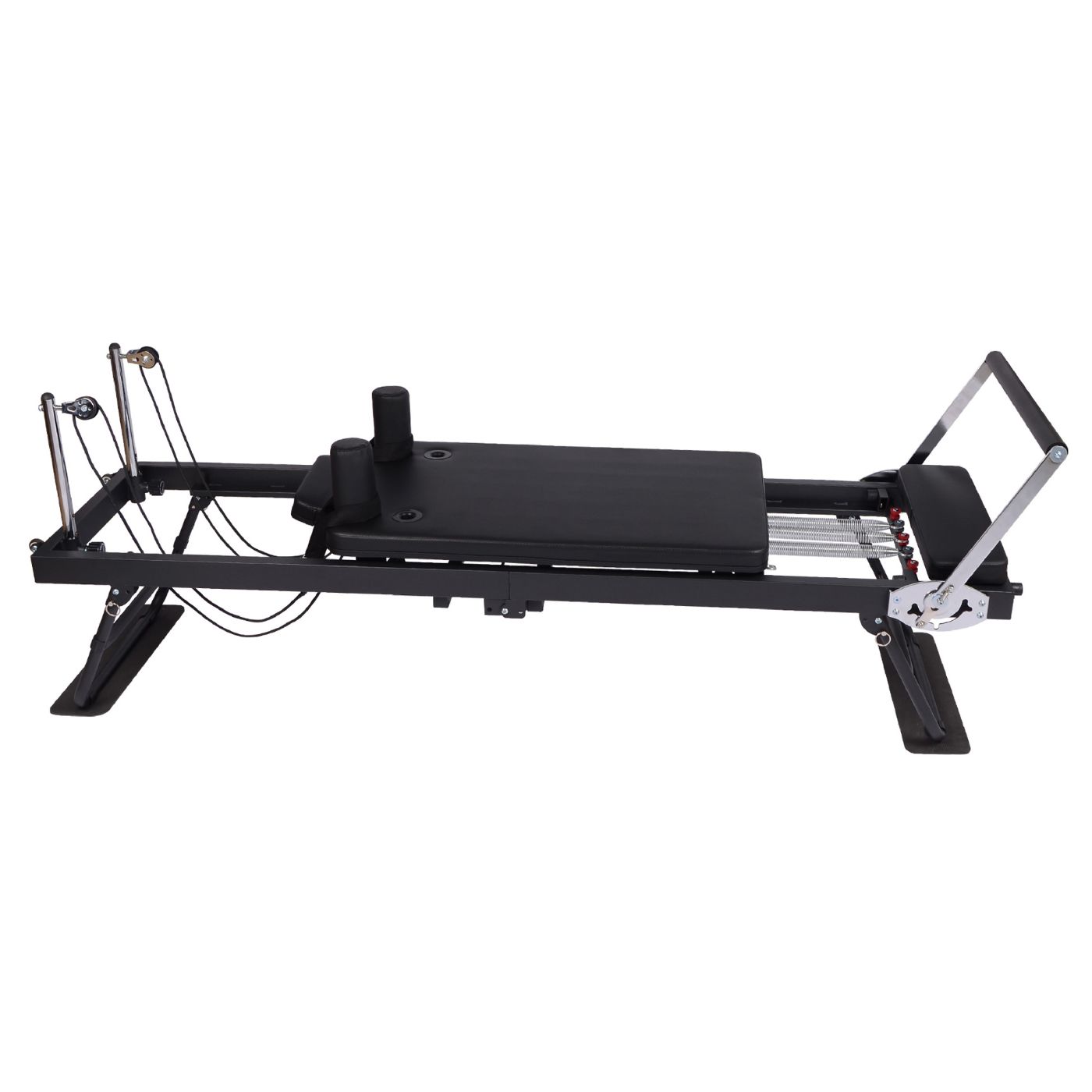
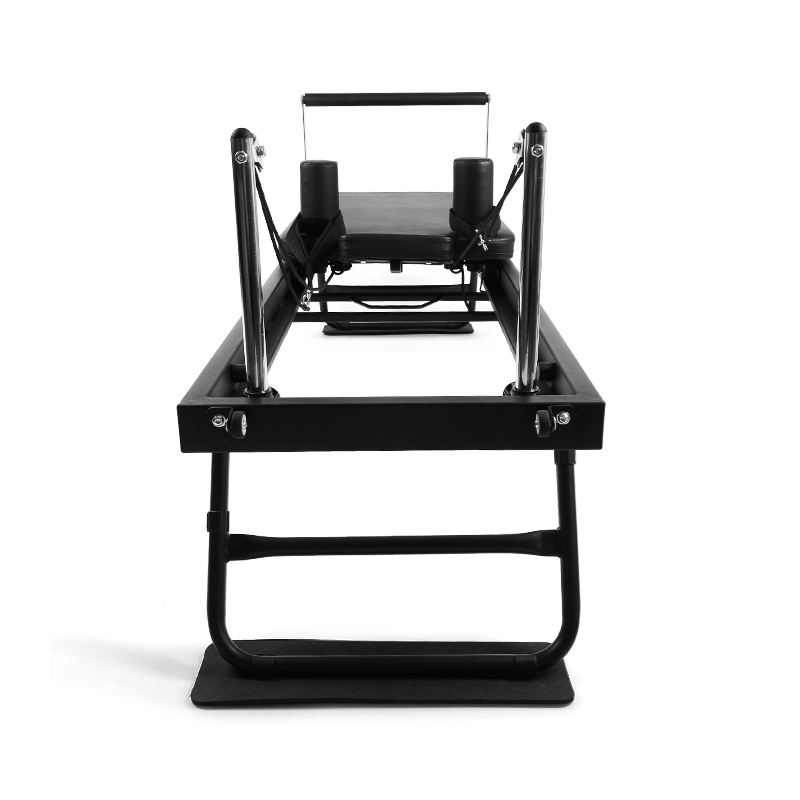
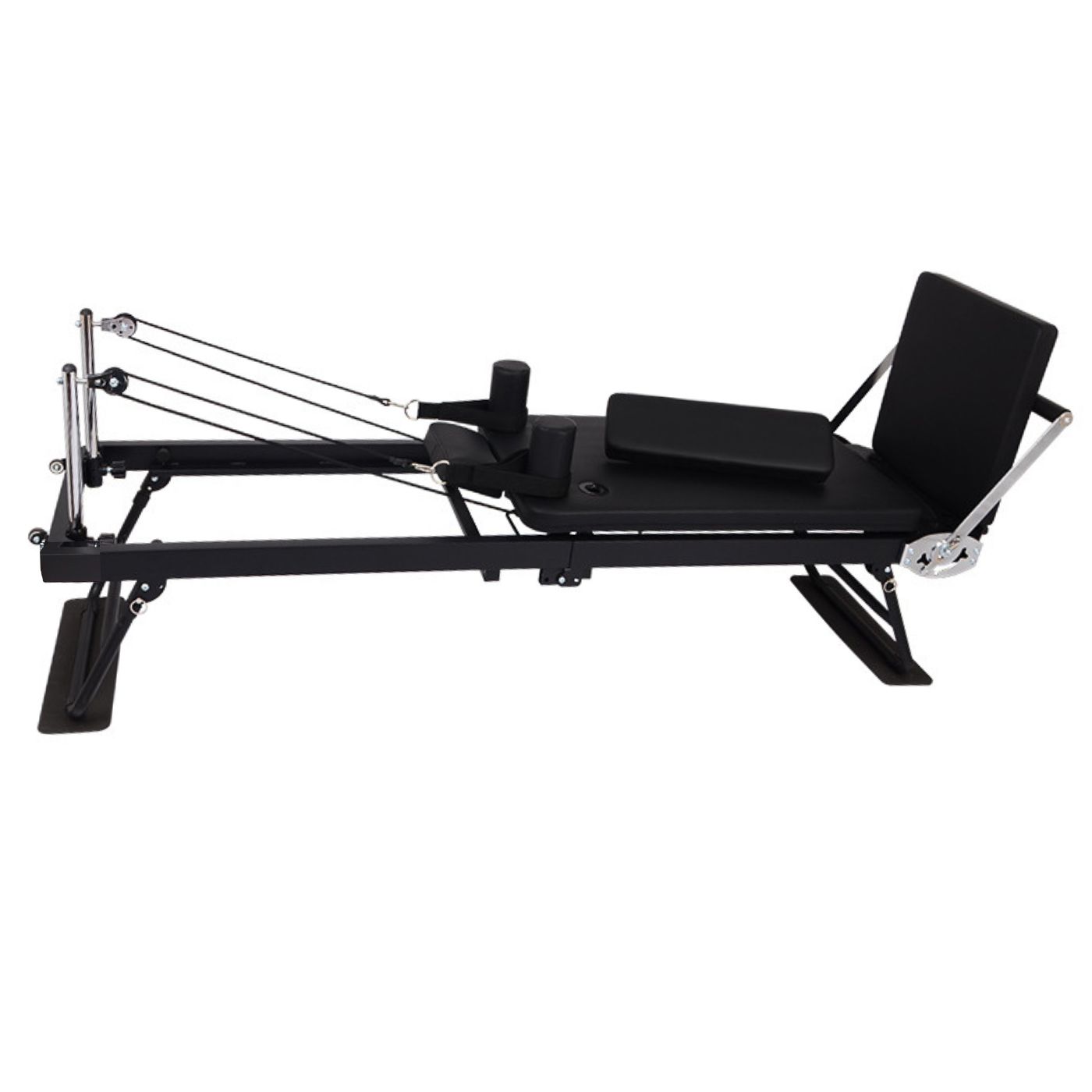
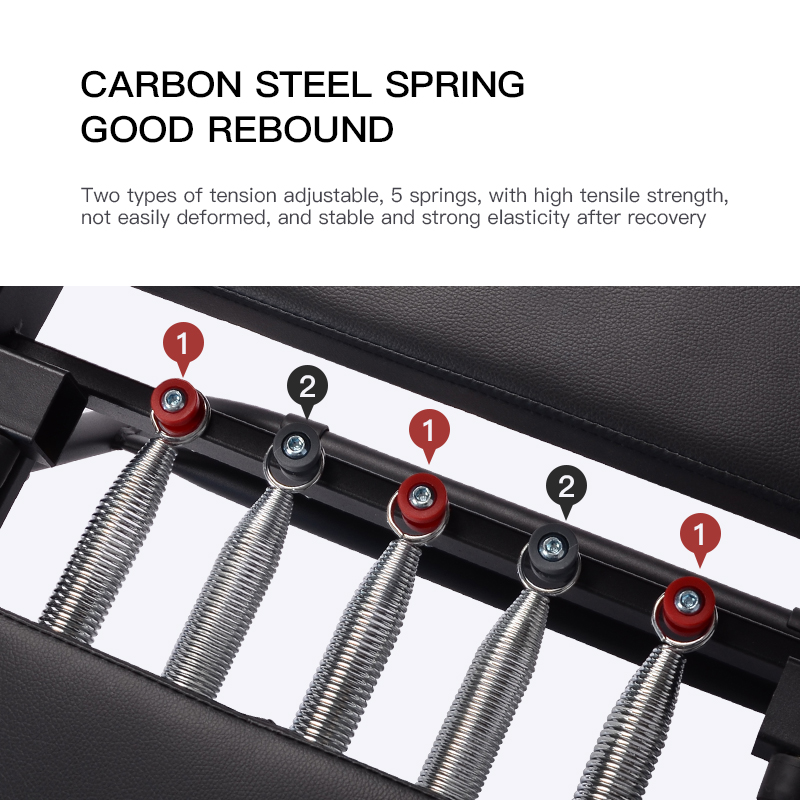
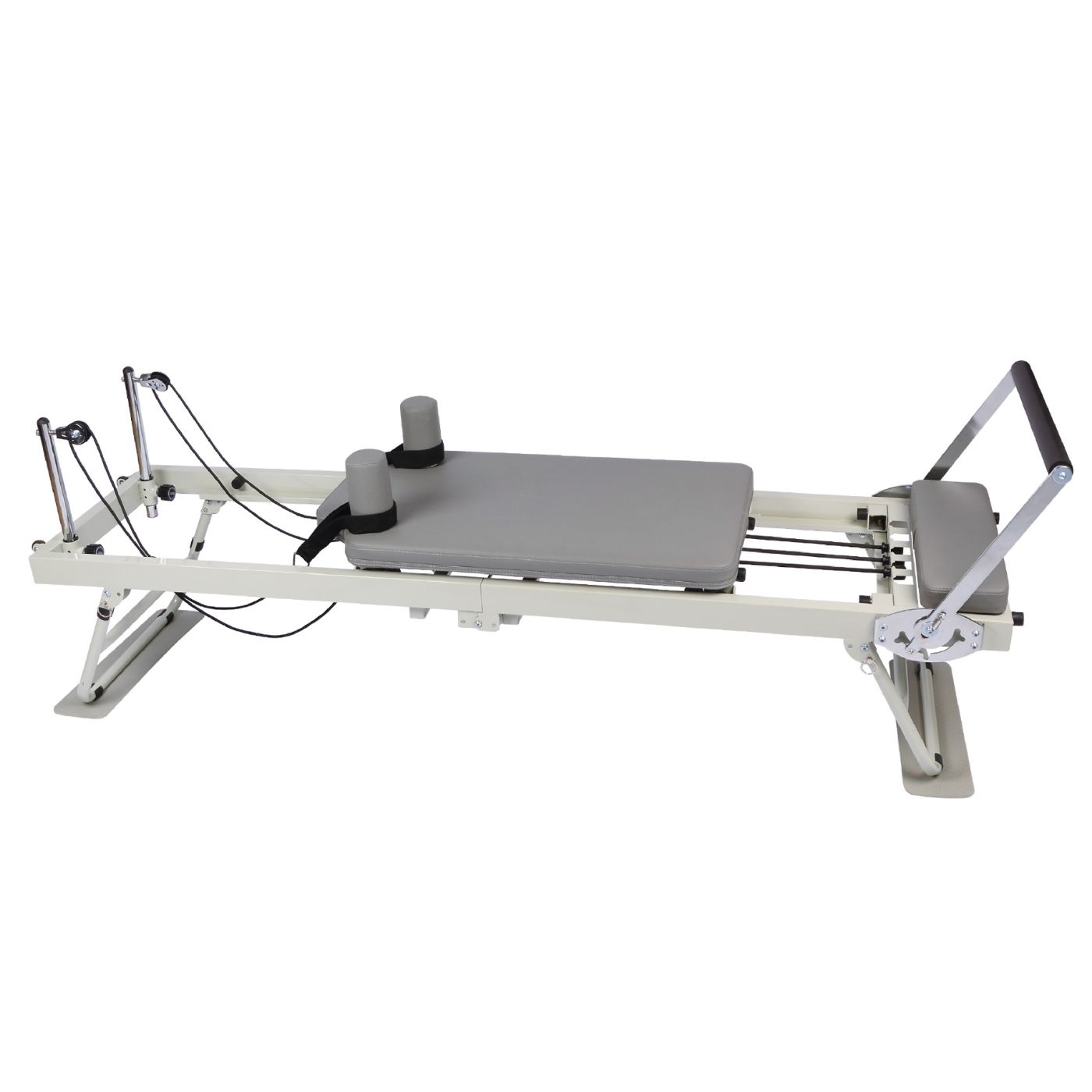
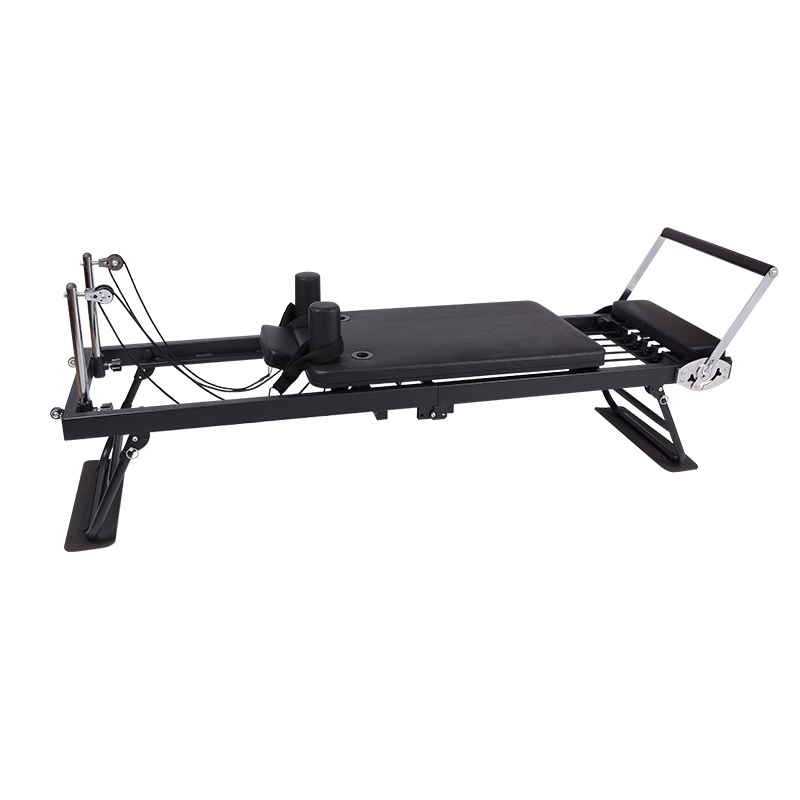
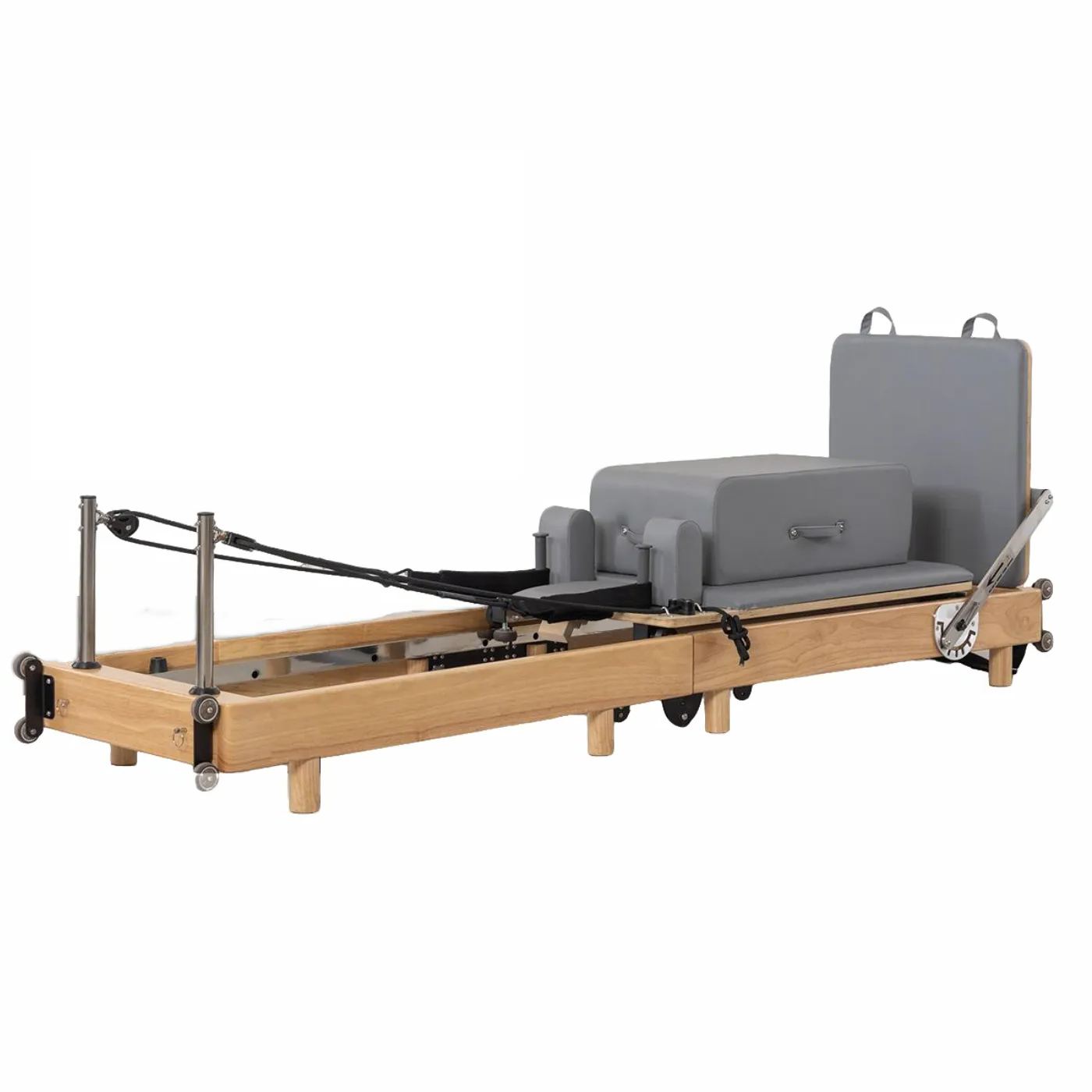
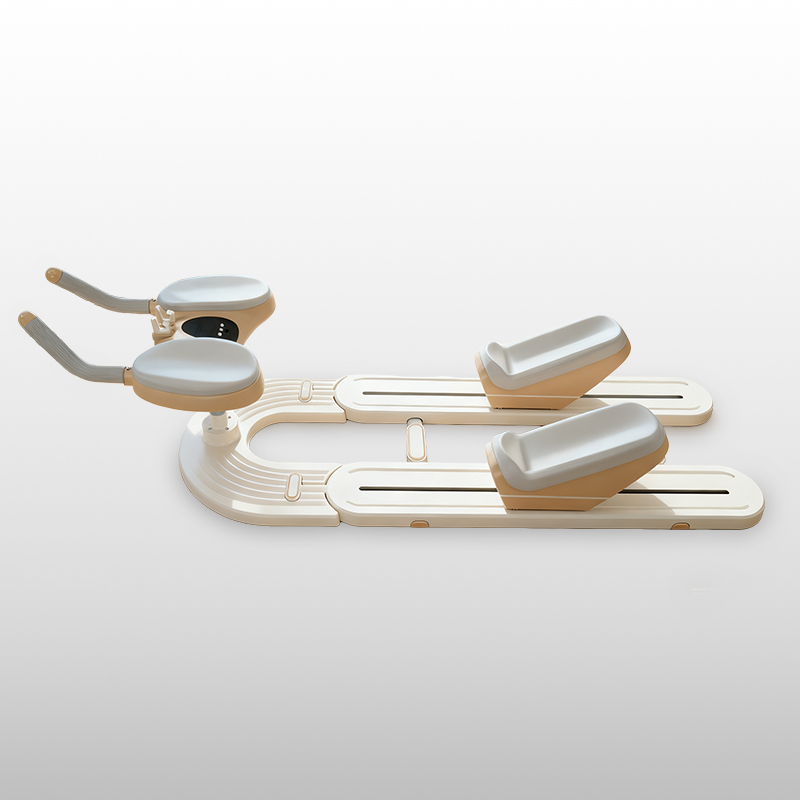
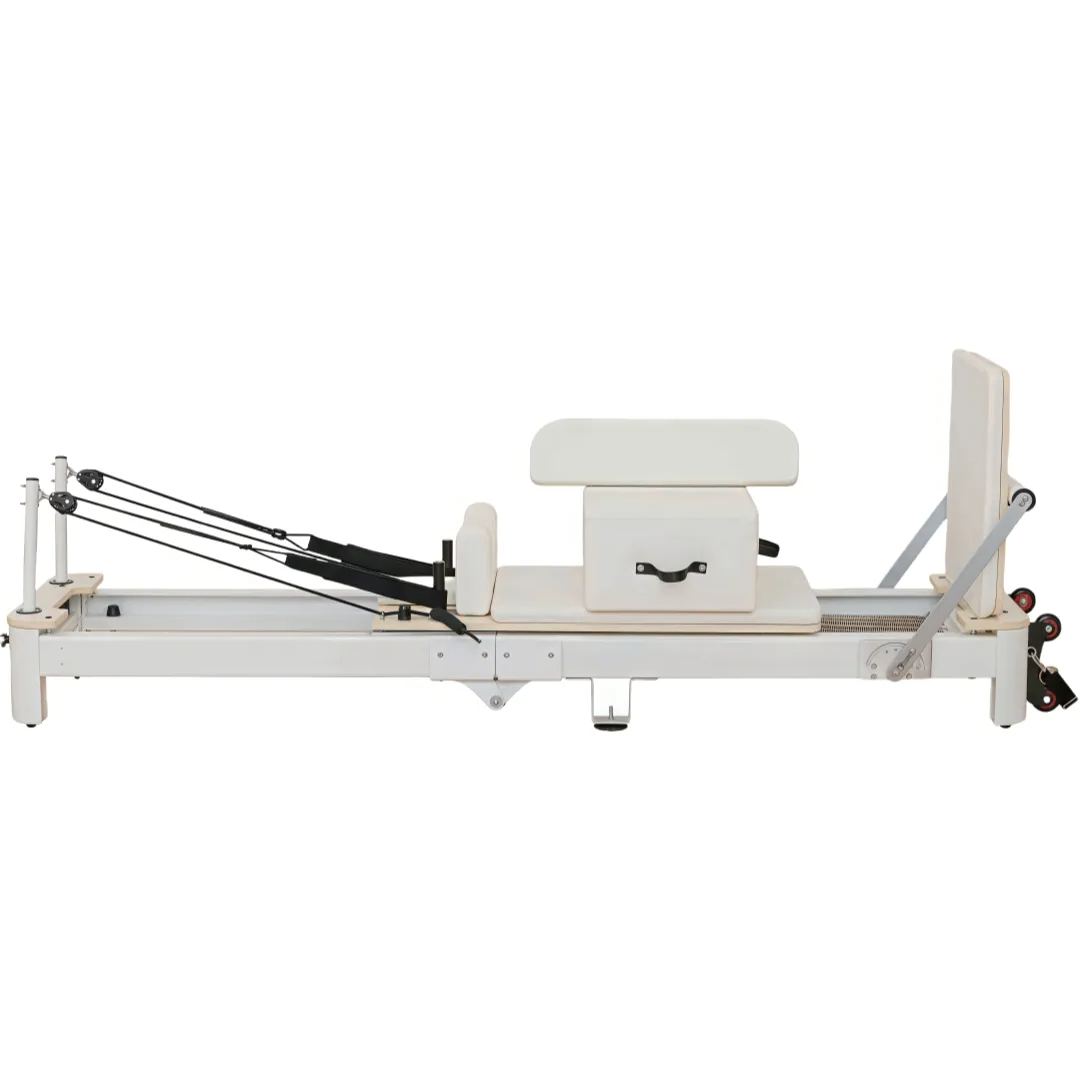
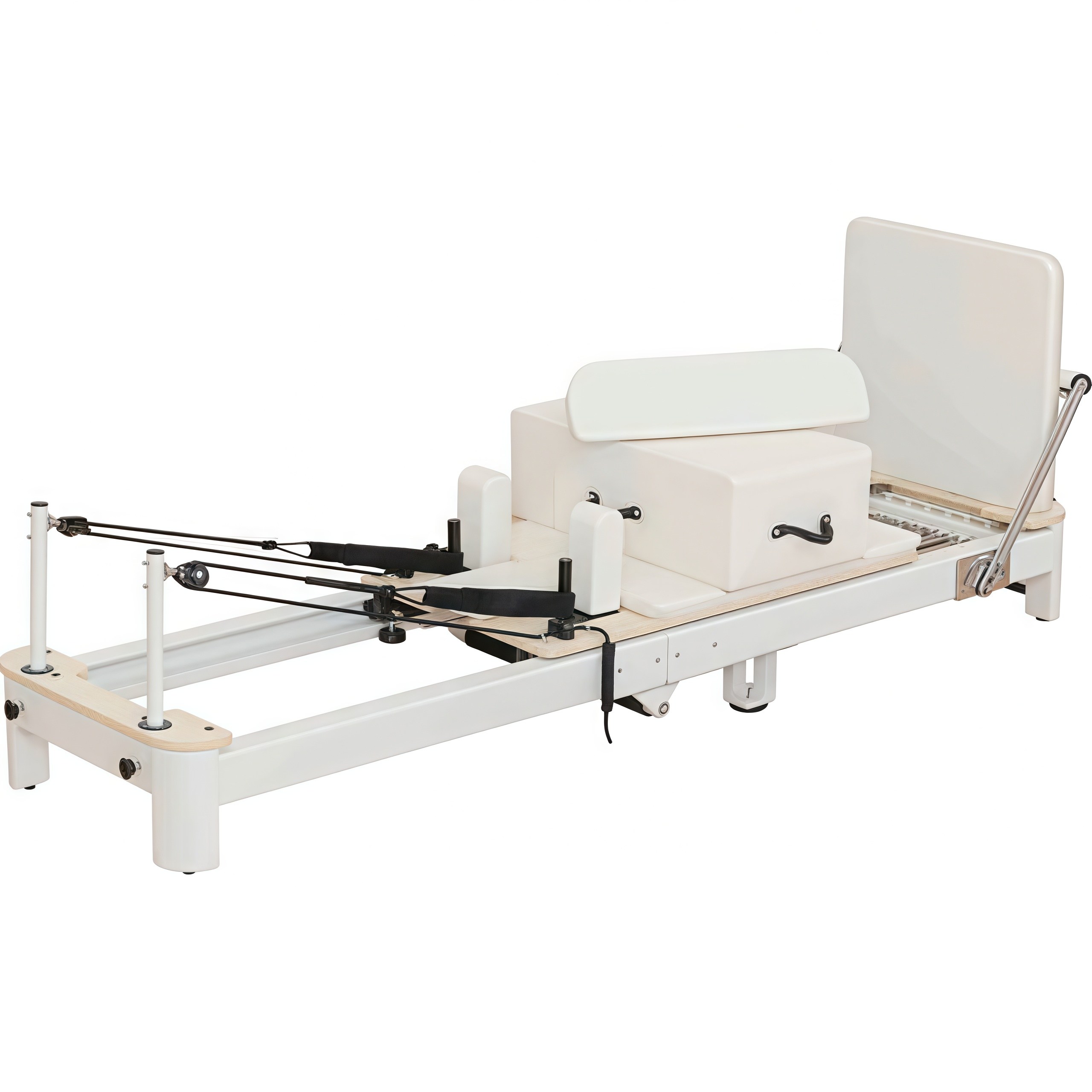
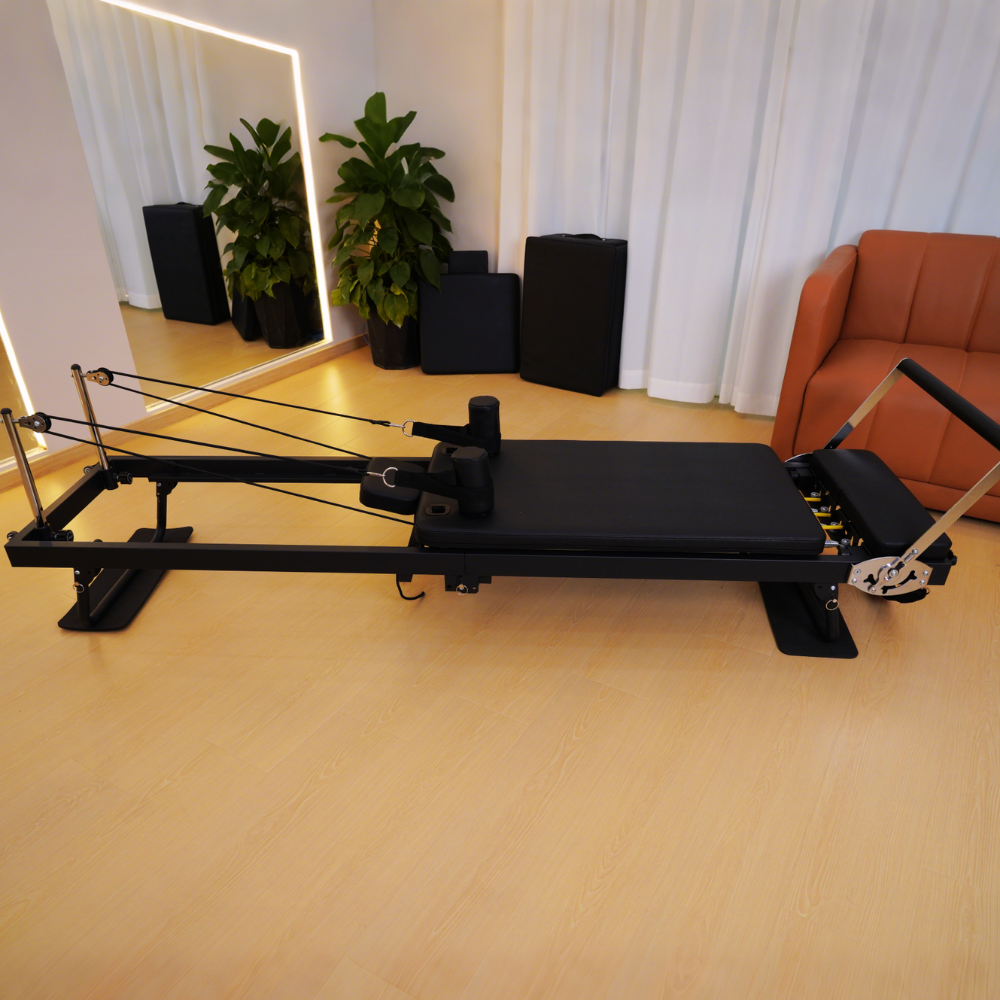
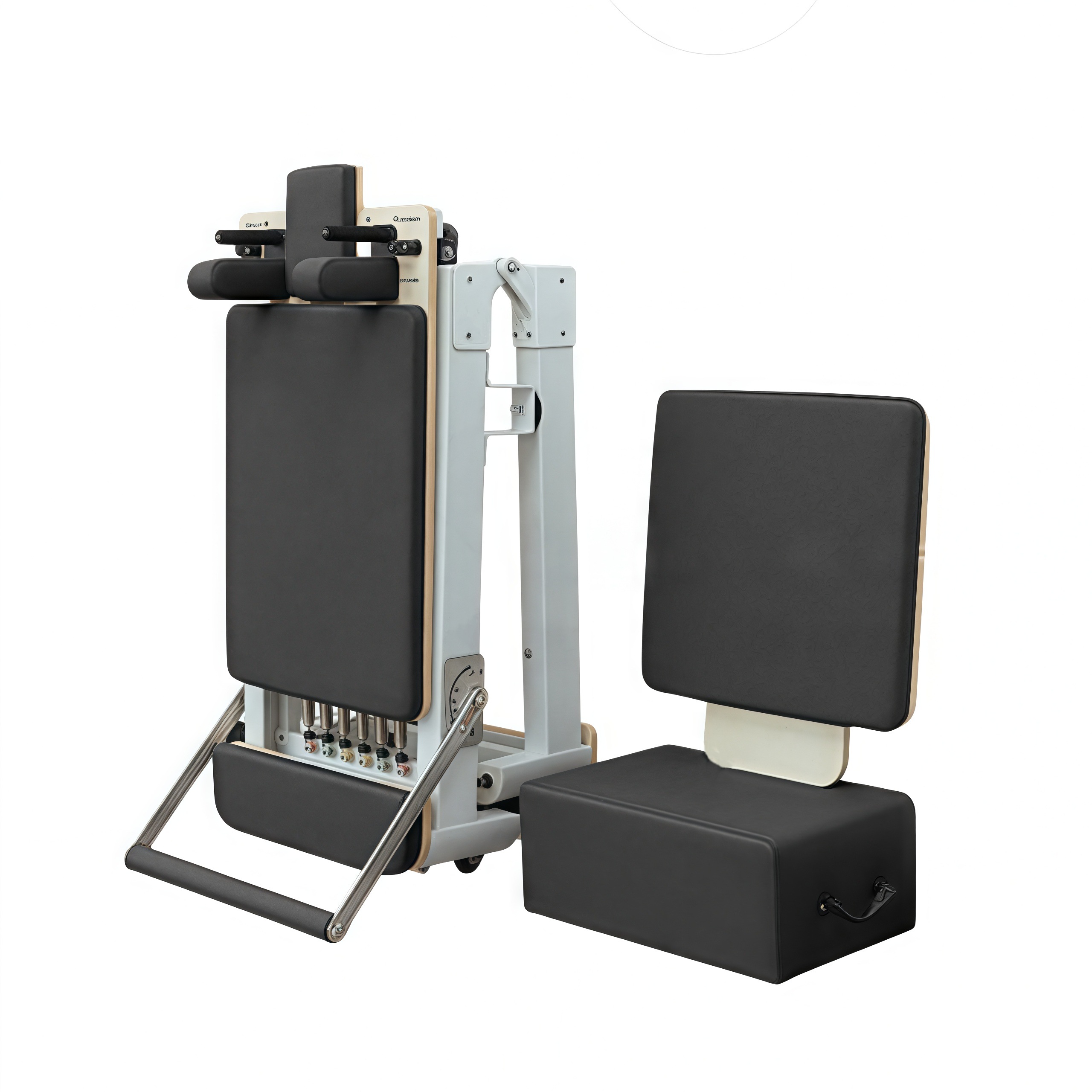
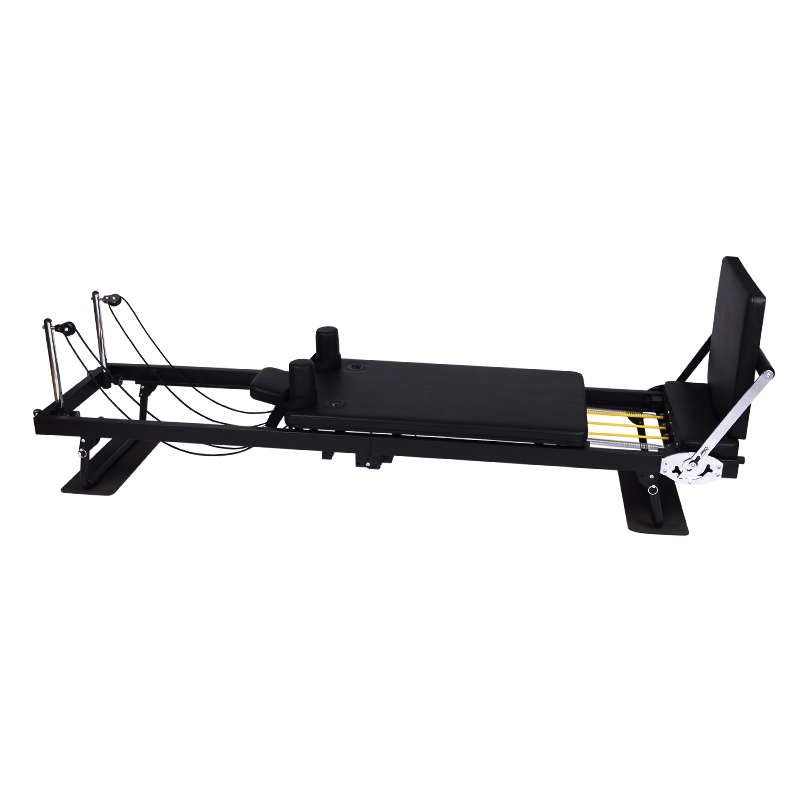
Pilates offers versatility in equipment use. The reformer, Cadillac, and mat exercises can all be tailored to seniors. For example, the reformer’s resistance bands provide controlled resistance, aiding in precise movements. Beginners should start with mat exercises or seated modifications to build foundational strength.
A Case Study: Kellie’s Journey to Wellness
Kellie Gallant’s experience highlights Pilates’ transformative power. After years of desk work, she struggled with fatigue and poor posture. A friend recommended Pilates, and with her doctor’s approval, she began twice-weekly sessions. Over six months, she noticed reduced back pain, improved balance, and increased energy. "Pilates isn’t just exercise—it’s a lifestyle," she says. Her success inspired her family to join, turning sessions into a shared activity.
Long-Term Health Benefits
Consistent Pilates practice yields lasting rewards. Seniors who engage in regular sessions reduce their risk of chronic diseases, maintain independence, and experience improved sleep patterns. A 2025 longitudinal study found that adults over 60 who practiced Pilates for three years had better functional mobility than peers who avoided exercise.
Making Pilates Enjoyable for Seniors
To sustain motivation, seniors should:
- Vary Routines: Incorporate props like resistance bands or Pilates balls.
- Socialize: Join group classes or practice with family.
- Track Progress: Celebrate milestones like improved flexibility or reduced pain.
Pilates offers seniors a holistic approach to aging, blending physical conditioning with mental clarity. By focusing on adaptability, safety, and enjoyment, it empowers older adults to embrace an active lifestyle. As Kellie’s journey demonstrates, age is no barrier to reaping the rewards of Pilates. Whether through mat exercises or specialized equipment, this practice fosters resilience, balance, and well-being—ultimately enhancing the golden years.
.png?w=1400&h=1400)
.jpeg?w=1400&h=1400)
.jpeg?w=4000&h=4000)
.jpeg?w=4000&h=4000)
.jpeg?w=2560&h=2560)

.jpeg?w=800&h=800)
.jpeg?w=743&h=743)