.png?w=1400&h=1400)
.png?w=1200&h=1200)
.png?w=1000&h=1000)
.png?w=1400&h=1400)
.jpeg?w=800&h=800)
.jpeg?w=800&h=800)
-0.jpeg?w=800&h=800)
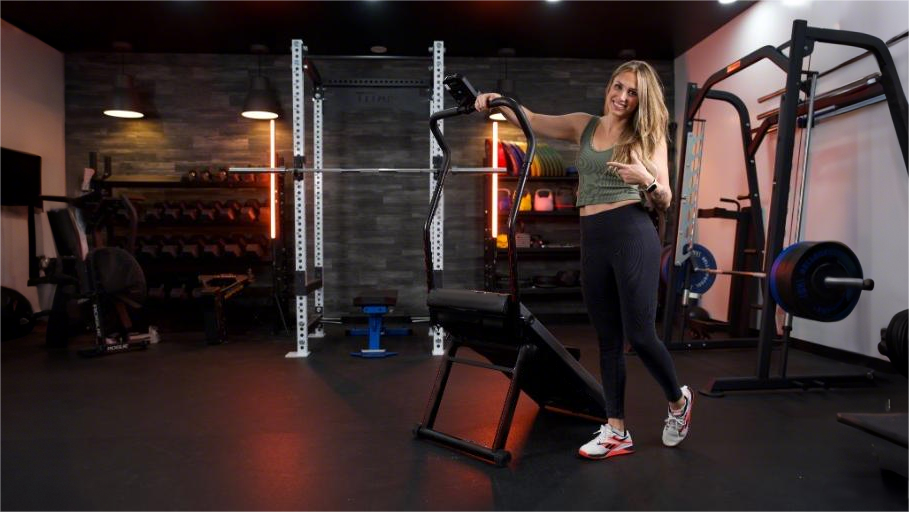
If climbing just a few stairs leaves you gasping, it makes sense—stair climbing is the effective exercise (and even a sport around the world) that boosts your fitness. Luckily,you don’t need to climb a tall building—you can get a great stair workout at the gym, in a park, or right at home.
What Is Stair Climbing?
Stair climbing is a kind of workout that involves moving your body upward by going up steps. As PJ Glassey, a trainer and expert in stair sports, explains, it can be done by walking or running up stairs, depending on your fitness level. Some people use it as daily movement, others use it for regular workouts, and some even do it as a competitive sport called tower running. In this sport, athletes race up the stairs of very tall buildings like skyscrapers.
You can climb stairs in many places. It might be in a building stairwell, at a local park or stadium, or on a stair machine at the gym that copies the motion of real stairs. You can even get a workout using the stairs in your own house.
According to Dr. Alexandra Lempke, a professor of exercise science at the University of Michigan, stair climbing is a tough workout. When you go up stairs, your heart beats faster and you breathe harder.
That’s because stair climbing works your heart and lungs. It takes effort to lift your body weight up, step after step, against gravity.
How your body reacts depends on how fast or hard you're moving. If you walk or go slowly up the stairs, it's more like regular cardio that builds endurance. But if you run or sprint up, it becomes a more intense workout that builds muscle power. This kind of fast training, called anaerobic exercise, uses energy from sugar in your muscles instead of oxygen — similar to what happens during high-intensity interval training (HIIT).
Why Stair Climbing is Important in Fitness Routine?
Stair climbing isn’t just practical—it’s one of the most efficient ways to build cardiovascular strength, loose weight, and tone muscle simultaneously. Every time you climb stairs, your heart rate and breathing ramp up to meet the challenge, improving lung function and increasing overall aerobic capacity. Research shows that even short-time “stair-climbing snacks” can boost VO₂ max, reduce the risk of metabolic syndrome, and make everyday activities feel easier. What's more, stairs engage your posterior chain—glutes, hamstrings, calves, hip flexors, and core—so you get a full-body workout without any special equipment or gym membership. But if you cannot find the suitable stair near your home, you can get a stair climber for your daily workout.
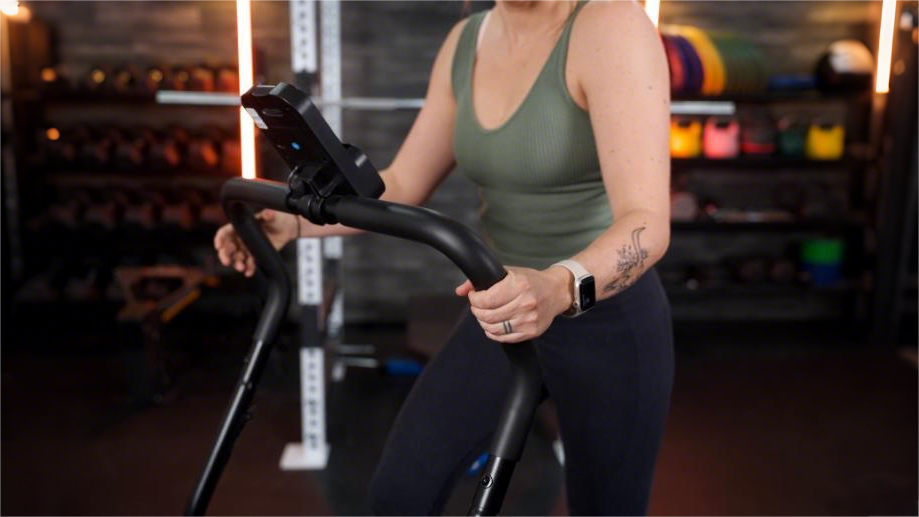
The stair climber is a no-nonsense cardio machine that mimics the action of climbing stairs by using a set of rotating steps. This provides a high-intensity, low-impact workout that mostly engages your lower body and core. You can adjust the resistance (speed) level to ramp up the intensity and challenge your heart, lungs, and leg muscles to keep pace.
Getting Started: What You’ll Need to Begin
All you really need to get started is a safe staircase—whether at home, in your building, or on stadium bleachers—plus a pair of supportive sneakers with good traction and cushioning to protect your joints. Choose moisture-wicking, breathable clothing in layers that you can adapt as you warm up. Hydrate well before you climb, carry water if you plan a longer session, and fuel up with a light snack containing carbs and protein about 30–60 minutes beforehand. After your workout, replenish with a balanced meal to support muscle recovery.
Beginner Stair Climbing Workouts: Start Simple, Build Consistency
Begin each session with a 5–10-minute warm-up—march in place, do high-knee marches, or perform leg swings and hip circles to prime your muscles.
Then, follow an interval structure: climb at a moderate pace for 1–2 minutes, rest for 30–60 seconds at the bottom, and repeat for 6–10 cycles. Focus on maintaining an upright posture, landing mid-foot to maximize muscle engagement, and keeping your breathing steady.
Finish with a 5–10-minute cool-down of gentle walking and static stretching for calves, quads, hamstrings, and glutes to reduce stiffness and aid recovery.
Intermediate & Advanced Workouts
Once you’ve mastered the basics, extend your climbs to 2–3 minutes and shorten rest periods to 30–45 seconds, or mix in quick bursts and slower climbs for contrast. For an advanced challenge, sprint up as fast as you safely can, skip steps two at a time, side-step up, or perform hop-ups on each step. Incorporate body-weight drills—push-ups, lunges, or burpees—on the landings, alternating 15–30-second efforts with equal or shorter recoveries for a true HIIT experience that torches calories and builds power.
Creative Ways to Mix Up Your Stair Routine
To keep your stair workouts fresh and engaging, try pairing climbs with circuits (stop on each landing for squats, planks, or calf raises), challenge a partner to alternating sets, or side-step to work different muscle angles. You can bear-crawl up and crab-crawl down for a whole-body twist, use a jump rope at landings if space allows, or set a timer to beat your own circuit count each session. For targeted toning, skip steps to emphasize glutes and hamstrings or use resistance bands around your thighs as you ascend.
Maximizing Benefits: What Stair Climbing Offers
Stair climbing can burn roughly 10 calories per minute for a 150-pound person—so a 30-minute session may expend 300 calories or more, with higher intensity workouts increasing that total significantly. Regular stair-interval training performed three times per week has been shown to improve VO₂ max by up to 12 percent within six weeks, while also boosting mood and energy through enhanced circulation and endorphin release. By engaging quads, hamstrings, glutes, calves, hip flexors, and core in each ascent and descent, you’ll build lean muscle and strengthen joints when movements are performed with proper form.
Tailoring Your Stair Climb: Tips for Safe & Effective Form
Maintain an upright torso, shoulders back, and chest open—avoid leaning on the handrail except for balance. Vary your foot strike by landing heel-first to target hamstrings or toe-first for quads, but aim for a full-foot landing to distribute forces evenly. Breathe rhythmically—inhale on the descent or preparation phase and exhale as you push up each stair. Increase volume or intensity gradually, listening to your body to avoid knee or ankle strain, and always end with adequate cool-down walking and stretching.
Challenges, Performance Tracking & Motivation
Set measurable, time-bound goals—such as flights climbed, total intervals, or overall workout duration—and track them in a journal or app. When you hit a plateau, add a weighted vest or ankle weights, seek out steeper staircases, or integrate dedicated strength-training days to complement your climbs. Keep sessions motivating with upbeat playlists or partner challenges, and vary environments from indoor stairwells to outdoor stadium steps. Remember: consistent tracking and small, progressive improvements are the keys to long-term success.
Stair-Climbing Tools & Equipment Options
While stairs alone deliver an outstanding workout, you can enhance the challenge with a stair climber machine, adjustable aerobic step platforms, resistance bands, or weighted vests. Heart-rate monitors help you stay in the optimal training zone, and ankle weights or wrist weights can further intensify muscle engagement. If you belong to a gym, explore dedicated stair-climber machines; if you’re at home, a simple portable step can add height and variety to your routine.
Sample Stair-Climbing Plans
For beginners (Weeks 1–4), aim for 2–3 sessions per week: warm up, then complete six 1-minute climbs with 1-minute rests, cool down, and stretch. In the intermediate phase (Weeks 5–8), climb for 2 minutes with 45 seconds rest for eight cycles, adding push-ups or body-weight squats on landings. Advanced trainees can perform 15–30-second sprint climbs with equal recoveries for 10+ rounds, interspersed with two-step skips and circuit drills, then finish with thorough stretching and recovery.
Everyday Stair Climbs: Sneak More Movement Into Daily Life
Beyond formal workouts, incorporate incidental stair climbs into your routine—take the stairs at work, in parking garages, or when running errands. Even brief bouts of 3–8 minutes daily have been shown to lower cardiometabolic risk factors and reduce early mortality by up to 40 percent. These tiny bursts of activity add up over time and make stair climbing not just exercise, but a sustainable lifestyle habit.
Common Questions & Misconceptions
Many worry about knee strain, but when performed with proper alignment and progressive volume, stair climbing is safe for most people—those with joint issues should consult a professional and start very gradually. Calorie burn averages about 10 cal/minute, rising with higher intensity or added weight. Always wear supportive, slip-resistant shoes; barefoot climbing is strongly discouraged. Daily incidental climbs are beneficial, but intense interval sessions should be balanced with rest or active recovery to avoid overuse injuries.
Long-Term Results: Fitness, Function & Lifestyle
By making stair climbing a regular habit, you’ll notice improvements in endurance, lean muscle tone—particularly in quads, glutes, and calves—and better metabolic health, including more stable blood pressure, blood sugar, and cholesterol levels. Short climbing bursts can elevate mood and alertness through endorphin release, while the ease of integrating stair climbing into everyday life makes it one of the most sustainable, barrier-free forms of exercise.
Stair climbing is cost-free, accessible anywhere, and delivers a powerful blend of cardio, strength, and metabolic benefits. Start with manageable intervals, prioritize solid form, gradually increase challenge, and keep workouts engaging with creative variations. Track your progress, listen to your body, and weave incidental stair climbs into your daily routine. With consistency and smart progression, stair climbing can transform your fitness—and become a lifelong habit that elevates both body and mind.


.png?w=1400&h=1400)
.jpeg?w=1400&h=1400)
.jpeg?w=4000&h=4000)
.jpeg?w=4000&h=4000)
.jpeg?w=2560&h=2560)


.jpeg?w=800&h=800)
.jpeg?w=743&h=743)