.png?w=1400&h=1400)
.png?w=1200&h=1200)
.png?w=1000&h=1000)
.png?w=1400&h=1400)
.jpeg?w=800&h=800)
.jpeg?w=800&h=800)
-0.jpeg?w=800&h=800)
Bringing a new life into the world is a transformative journey, but the physical aftermath of pregnancy and childbirth can leave many women navigating unexpected challenges. From weakened pelvic floors to urinary incontinence and sexual discomfort, the road to recovery often requires intentional care. Among the most effective tools for restoring strength and confidence during this phase are Kegel exercises. In this guide, we explore common postpartum issues, the science behind Kegels, step-by-step instructions, and innovative products to enhance your journey.
Understanding Postpartum Challenges
The postpartum period is a time of profound physical and emotional adjustment. While many women experience a smooth recovery, common issues include:
- Weakened Pelvic Floor Muscles: Stretched during pregnancy and delivery, these muscles may lead to urinary incontinence, pelvic organ prolapse, or discomfort during intercourse.
- Bladder and Bowel Control Issues: Leaking urine when coughing, sneezing, or laughing (stress incontinence) is prevalent due to weakened pelvic support.
- Perineal Pain and Swelling: Discomfort in the vaginal and rectal area, often exacerbated by vaginal tears or episiotomies.
- Sexual Discomfort: Reduced lubrication, pain, or reduced sensitivity may affect intimacy.
- Digestive Troubles: Hemorrhoids, constipation, and fecal incontinence can persist due to pressure during childbirth.
Other concerns like hormonal fluctuations, sleep deprivation, and emotional shifts (e.g., baby blues) further complicate recovery. Addressing these issues requires patience, medical guidance, and targeted exercises like Kegels.
The Science of Kegel Exercises
Developed by Dr. Arnold Kegel, these exercises strengthen the pelvic floor muscles, which support the uterus, bladder, rectum, and vagina. By engaging these muscles through controlled contractions, women can:
- Reduce urinary and fecal incontinence.
- Improve pelvic organ stability.
- Enhance sexual sensation and bladder control.
- Speed recovery from vaginal or cesarean deliveries.
How to Perform Kegels Correctly
-
Identify the Right Muscles:
- Stop urination mid-stream (though avoid making this a habit to prevent urinary retention).
- Squeeze the muscles as if holding in gas or lifting an imaginary weight upward.
- Place a finger in the vagina and feel for tightening.
-
Perfect Your Technique:
- Contraction: Squeeze and lift the pelvic floor for 3–5 seconds.
- Relaxation: Release completely for 3–5 seconds.
- Repetition: Aim for 10–15 repetitions, 3 times daily.
-
Avoid Common Mistakes:
- Do not tense your abdomen, thighs, or buttocks.
- Breathe naturally; avoid holding your breath.
- Gradually increase intensity over weeks.
Consistency is key—results typically appear within 6–12 weeks, but benefits persist with regular practice.
Advanced Techniques and Assistive Products
While traditional Kegels are effective, modern tools can enhance results, especially for those struggling with technique or seeking faster progress. Here’s a breakdown of innovative options:
-
Vaginal Cones (Kegel Weights):
- Small, weighted devices inserted into the vagina.
- Require active muscle engagement to hold them in place during movement.
- Ideal for building endurance and control.
-
Electrical Stimulation Devices:
- Use mild electrical currents to trigger muscle contractions.
- Often recommended for severe incontinence or pelvic pain.
- Consult a healthcare provider for proper usage.
-
Biofeedback Tools:
- Provide real-time visual or auditory feedback on muscle engagement.
- Help users refine technique and track progress.
- Popular options include vaginal sensors paired with smartphone apps.
-
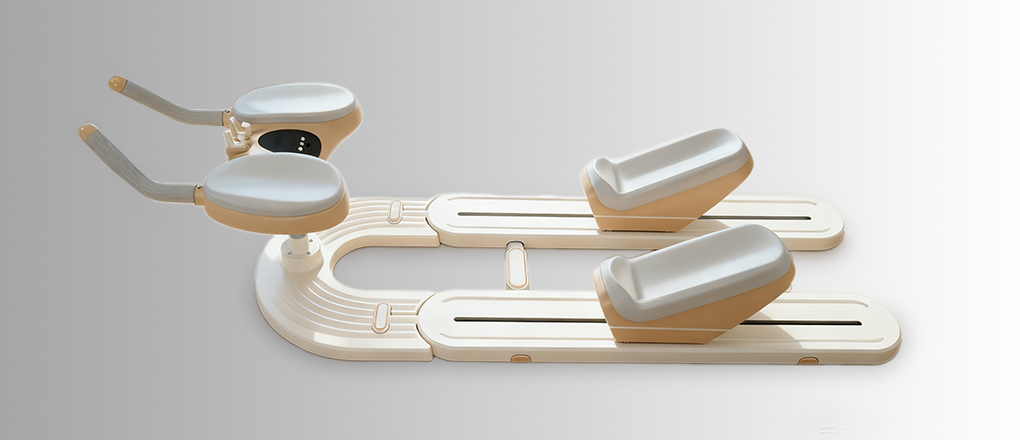
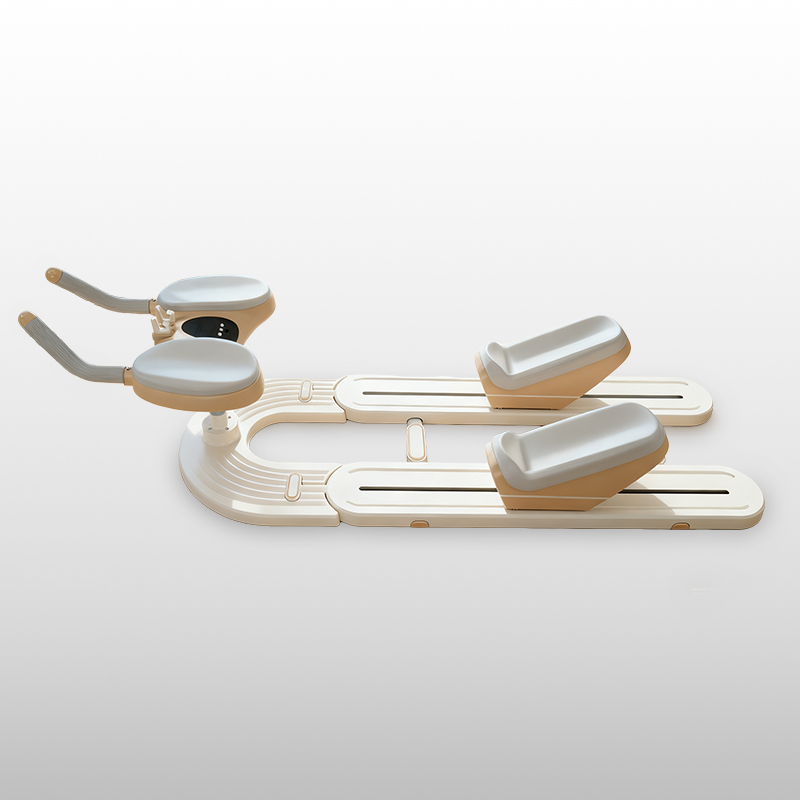
- Worn around the thighs or hips to add resistance during exercises.
- Ideal for combining Kegels with leg movements for full-body toning.
-
- Smart counting function for precise repetitions tracking.
- Non-slip design ensures stability during use.
Choosing the Right Device
- Goals: Prioritize devices aligned with your needs (e.g., incontinence vs. sexual wellness).
- Comfort: Start with lighter weights or smaller devices and gradually increase intensity.
- Medical Guidance: Always consult a healthcare provider or pelvic floor physical therapist before incorporating tools, especially if you have prolapse or pain.
A Holistic Approach to Recovery
While Kegels are powerful, pairing them with other strategies optimizes healing:
- Core Strengthening: Gentle abdominal exercises (e.g., modified planks, diaphragmatic breathing) support pelvic stability.
- Hydration and Nutrition: Stay hydrated, eat fiber-rich foods to prevent constipation, and continue prenatal vitamins.
- Mindful Rest: Prioritize sleep and seek support from loved ones to reduce stress.
- Pelvic Floor Physical Therapy: For persistent pain or prolapse, specialized therapy may be necessary.
When to Seek Help
While Kegels address many postpartum issues, consult a healthcare provider if you experience:
- Heavy bleeding, fever, or signs of infection.
- Persistent pelvic pain or incontinence despite exercises.
- Emotional struggles lasting beyond two weeks.
- Difficulty with daily activities or caring for your baby.
Conclusion
Postpartum recovery is a deeply personal journey, and Kegel exercises offer a safe, accessible way to reclaim strength and vitality. By mastering proper technique, embracing innovative tools, and prioritizing holistic care, you can rebuild resilience from within. Remember, every contraction is a step toward healing—celebrate your progress, and trust that patience and consistency will guide you toward renewed confidence and comfort.
Postpartum recovery is a deeply personal journey, and Kegel exercises offer a safe, accessible way to reclaim strength and vitality. By mastering proper technique, embracing innovative tools, and prioritizing holistic care, you can rebuild resilience from within. Remember, every contraction is a step toward healing—celebrate your progress, and trust that patience and consistency will guide you toward renewed confidence and comfort.
Have you tried Kegel exercises or any of these tools? Share your experience in the comments below!
.png?w=1400&h=1400)
.jpeg?w=1400&h=1400)
.jpeg?w=4000&h=4000)
.jpeg?w=4000&h=4000)
.jpeg?w=2560&h=2560)

.jpeg?w=800&h=800)
.jpeg?w=743&h=743)