.png?w=1400&h=1400)
.png?w=1200&h=1200)
.png?w=1000&h=1000)
.png?w=1400&h=1400)
.jpeg?w=800&h=800)
.jpeg?w=800&h=800)
-0.jpeg?w=800&h=800)
.jpeg?w=4624&h=2798)
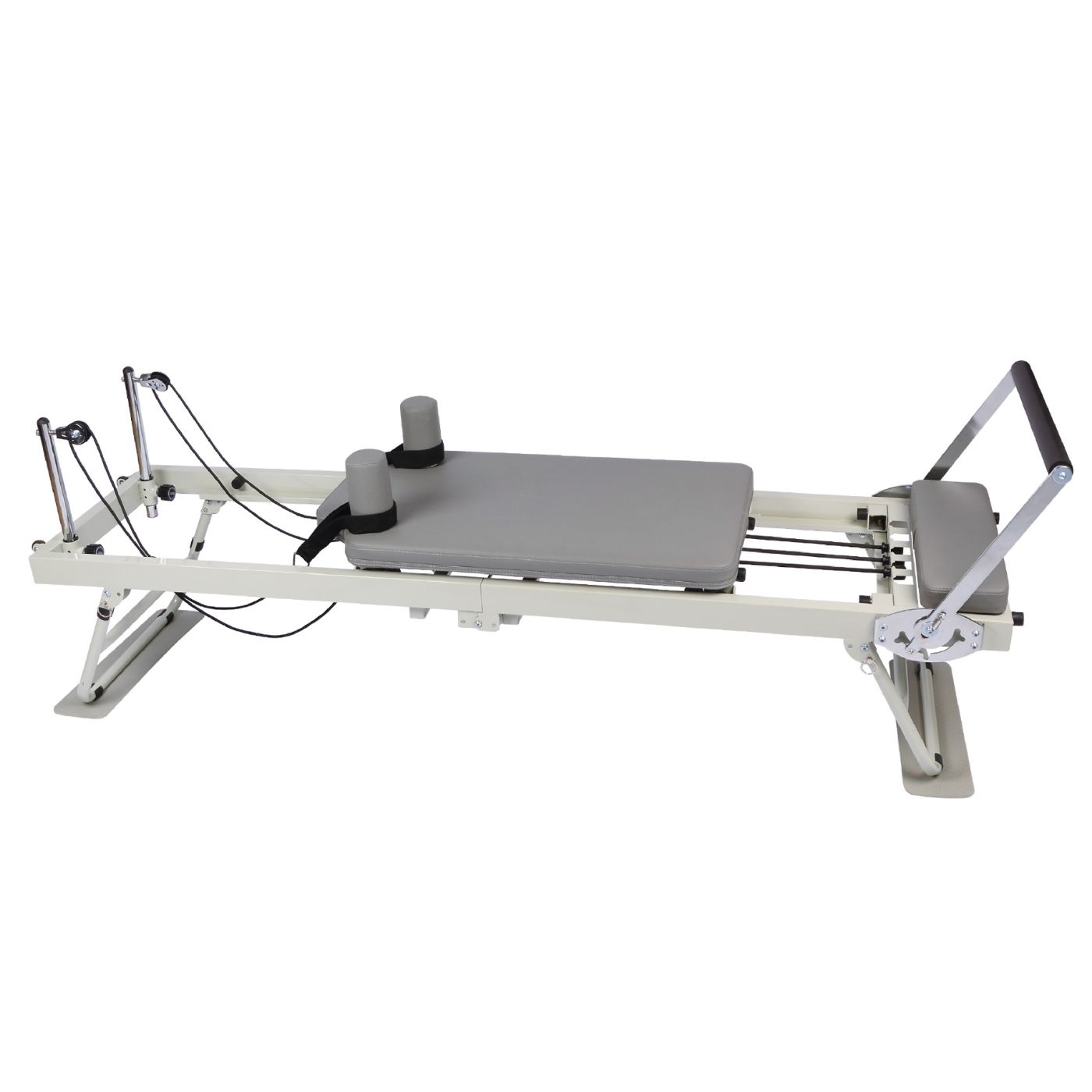
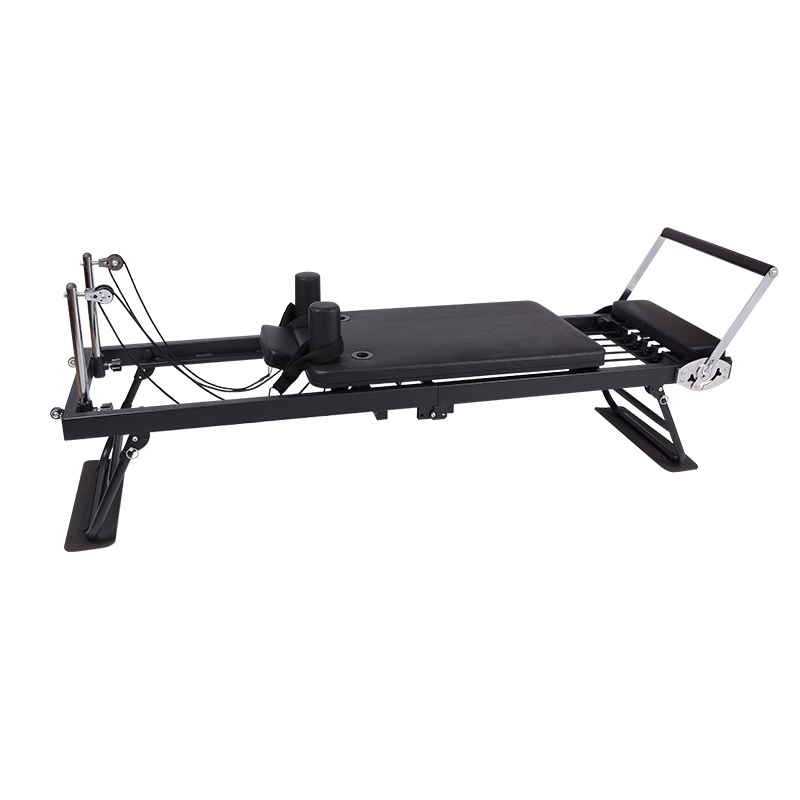
In the world of fitness equipment, few machines embody the marriage of art and science quite like the Pilates reformer. Often referred to as the "Cadillac of core training," this apparatus is a testament to meticulous engineering, blending durability, ergonomics, and functional design. Today, we delve into the intricate manufacturing process behind a modern Pilates reformer, exploring the mechanical machining, manufacturing principles, and production workflows that transform raw materials into a tool capable of sculpting bodies and enhancing performance.
1. Material Selection: The Foundation of Durability
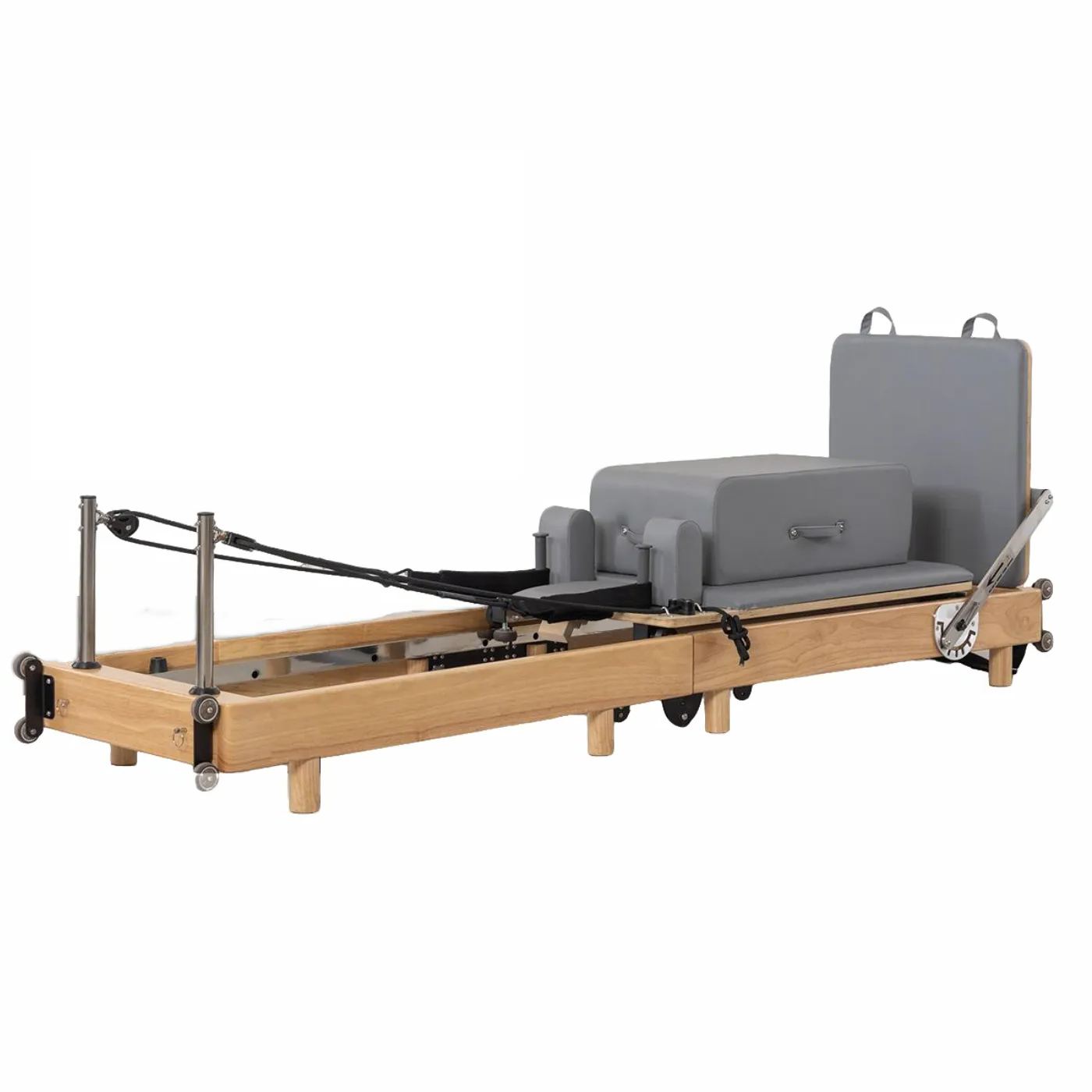
A reformer’s longevity begins with its materials. High-quality manufacturers like JuSai Pilates prioritize hardwoods such as oak, maple for the frame, chosen for their natural strength and resistance to wear. These woods undergo rigorous drying and curing processes to eliminate moisture, preventing warping over time. For metal components, corrosion-resistant stainless steel (e.g., 304-grade) is used for springs and structural reinforcements, ensuring consistent tension and safety under load. Upholstery options range from premium leather to synthetic fabrics, offering customization while maintaining comfort and resilience.
2. Mechanical Machining: Crafting Components with Precision
The heart of reformer manufacturing lies in mechanical machining, where raw materials are transformed into intricate parts.
Frame Construction
- Woodworking: Hardwood planks are cut to precise dimensions using computer numerical control (CNC) machines. Joints are reinforced with mortise-and-tenon techniques or metal brackets to enhance structural integrity.
- Metal Fabrication: Steel components, including springs, guide rails, and resistance mechanisms, are shaped via laser cutting, bending, and welding. For example, the signature "U-shaped" metal reinforcements in some models are formed through hydraulic presses to match the curvature of the wooden frame.
Key Components
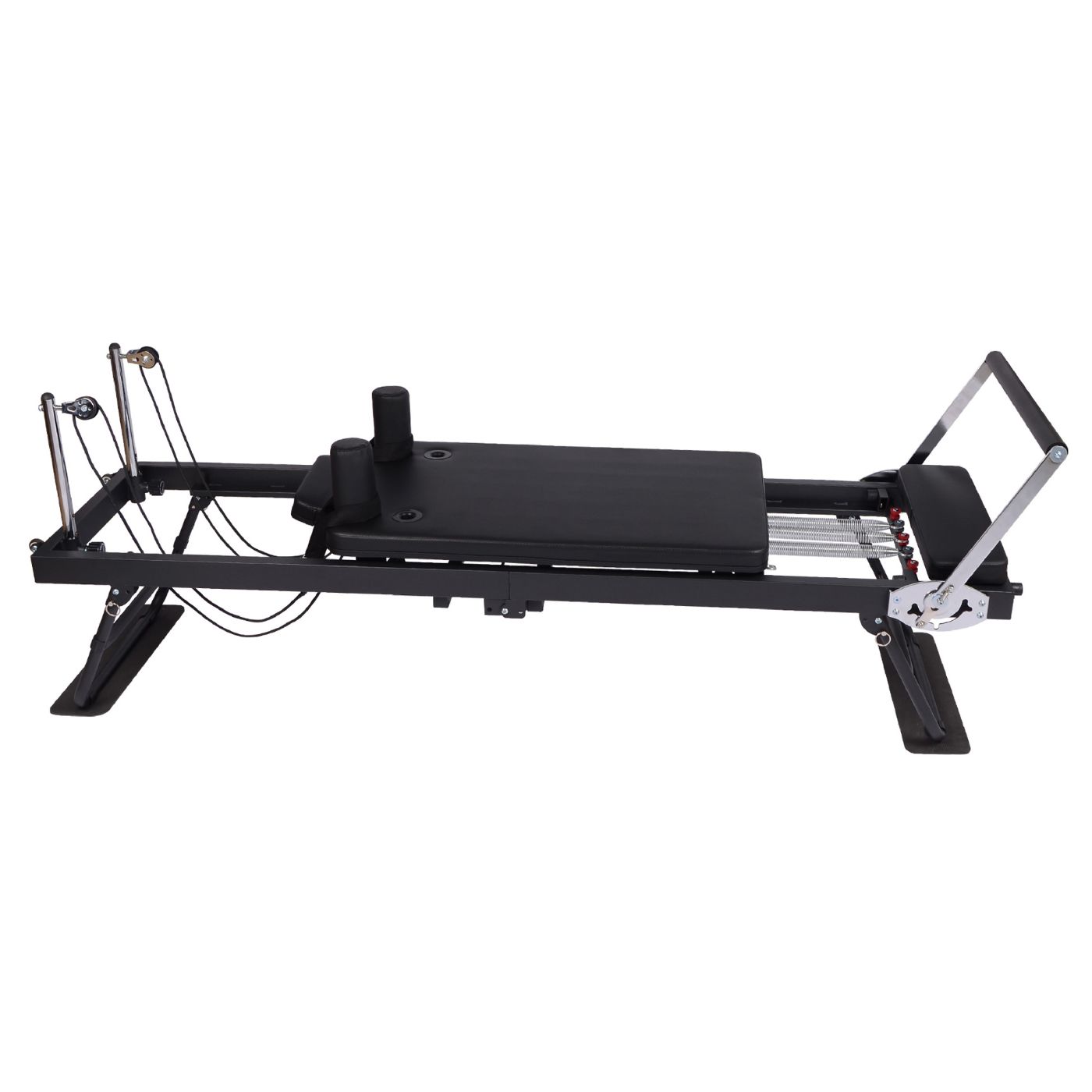
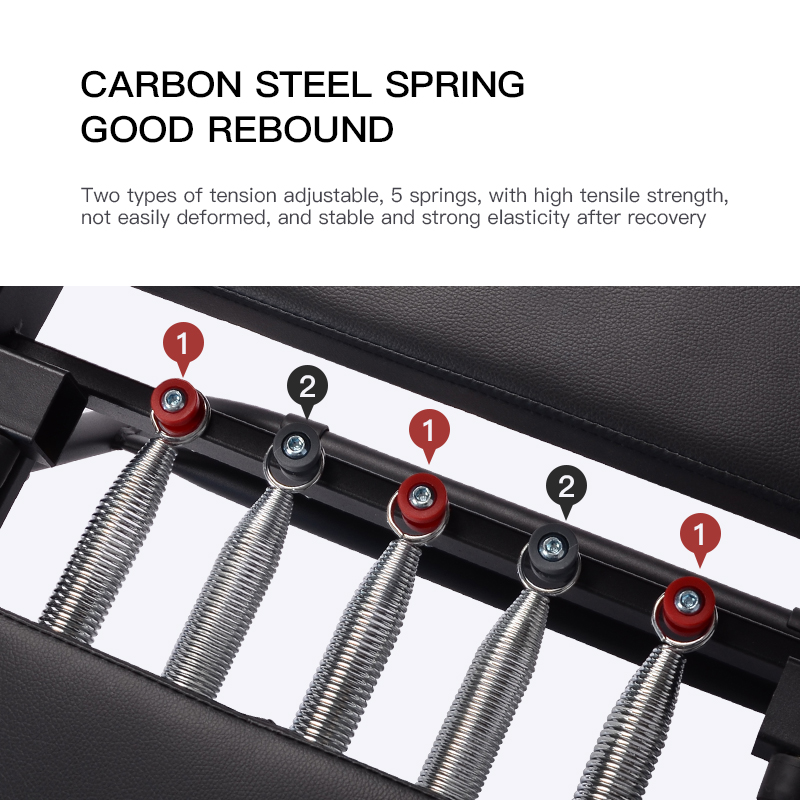
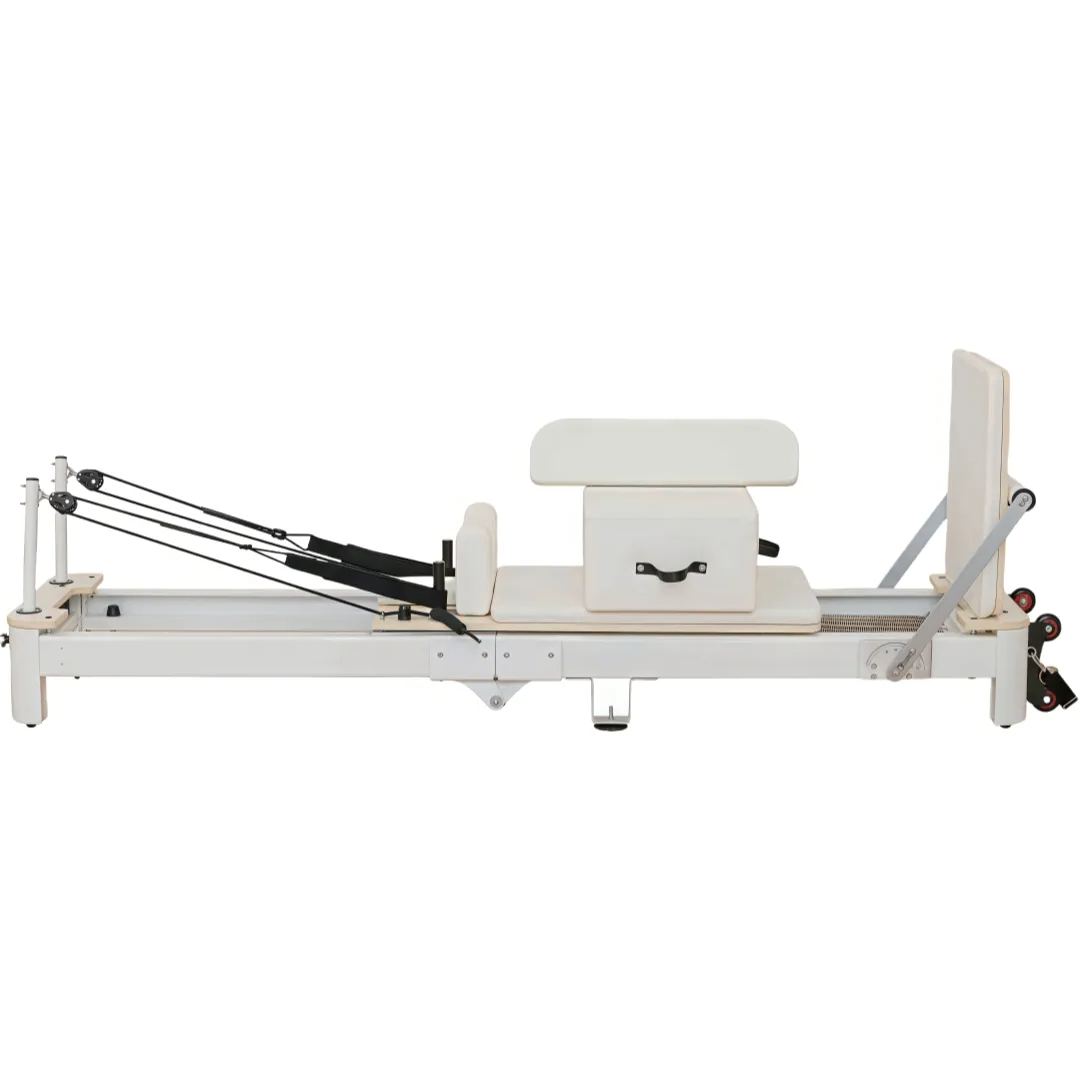
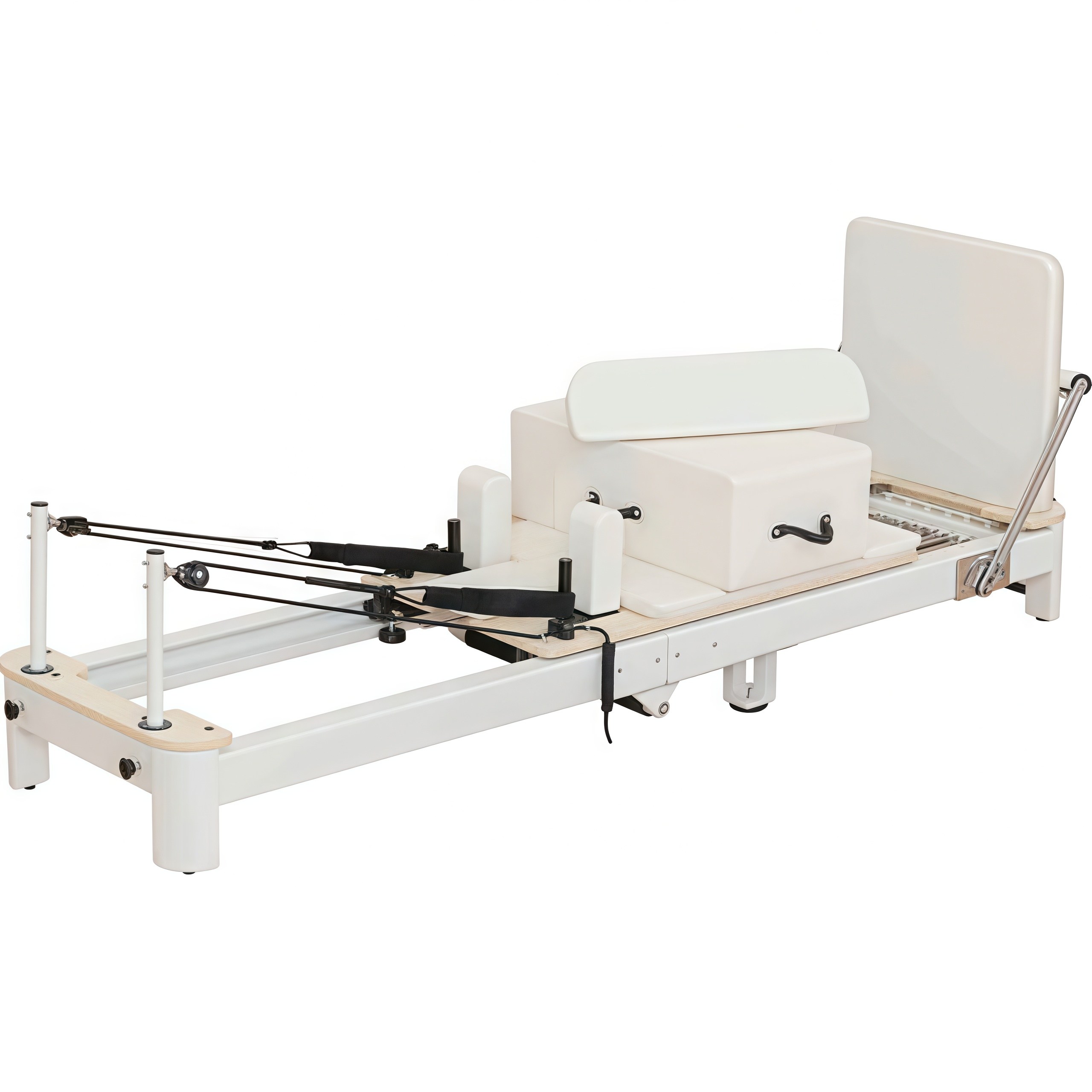
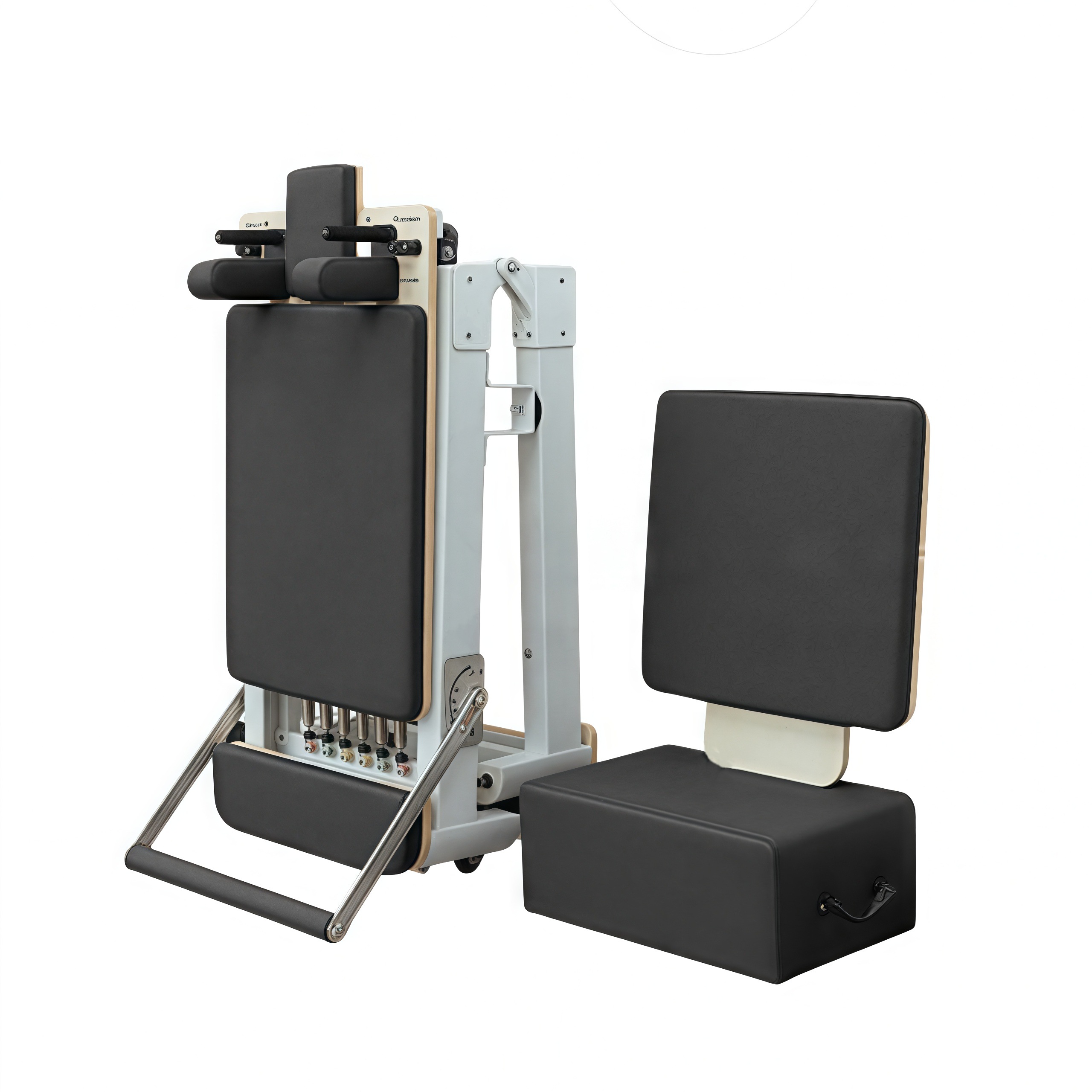
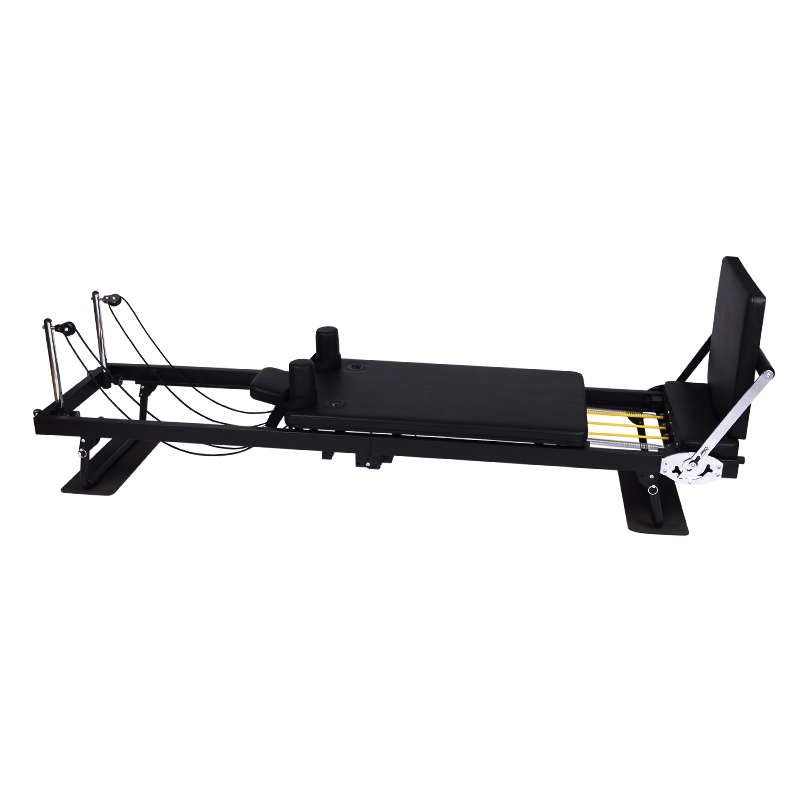
- Springs: German or Korean imported piano wire is coiled and heat-treated to achieve uniform tension. Each spring is individually tested to meet load-bearing standards.
- Sliding Carriage: The carriage, which supports the user’s body during exercises, is machined with precision bearings and tracks to ensure smooth, silent movement.
- Adjustable Resistance System: Pulleys and cables are calibrated to offer variable resistance levels, allowing users to tailor workouts to their fitness levels.
3. Structural Design Principles: Balancing Strength and Functionality
A reformer’s design is rooted in ergonomic principles and load distribution.
Core Stability
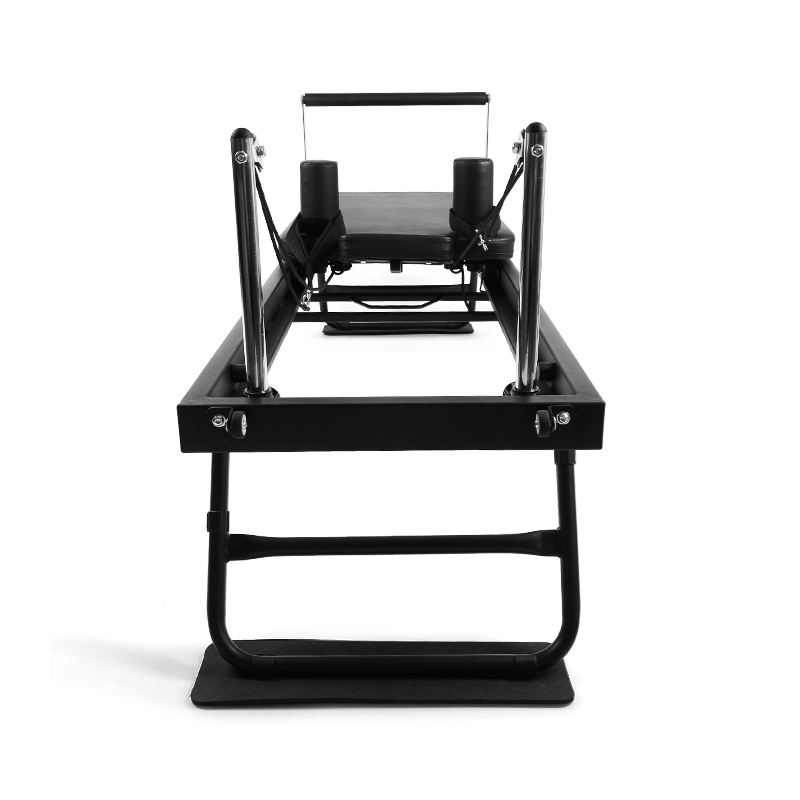
To address common issues with traditional wooden frames—such as joint loosening under stress—manufacturers integrate metal reinforcement panels at critical junctions (e.g., corners where beams meet legs). These panels, often bent into custom shapes via CNC presses, act as load distributors, transferring forces away from vulnerable wooden joints. This innovation not only extends the frame’s lifespan but also enhances user safety.
Adjustability and Accessibility
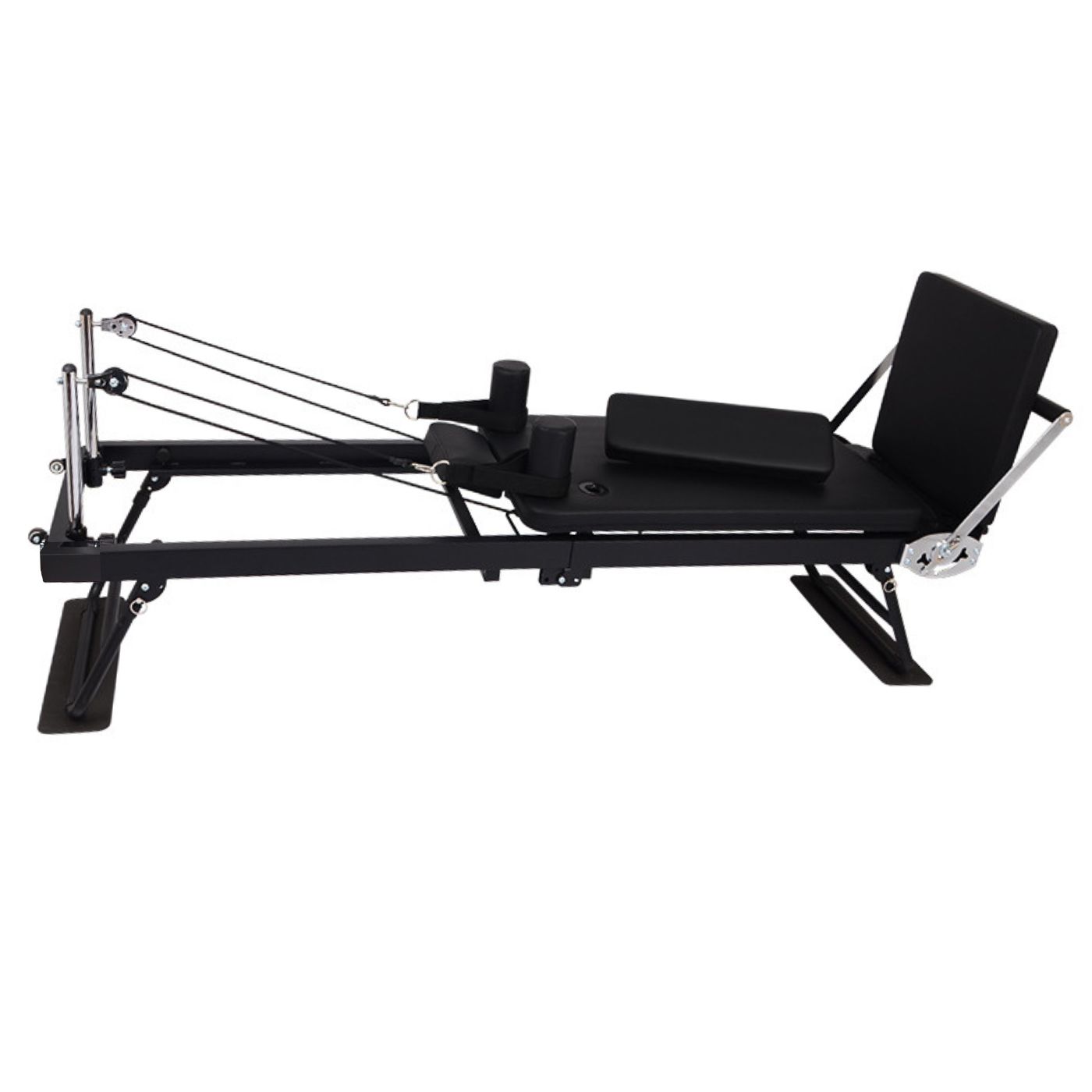
Features like telescopic handles, height-adjustable footplates, and modular attachments (e.g., resistance bands, push bars) are designed to accommodate users of all sizes and abilities. For example, adjustable spring tension allows beginners to start with lighter resistance while advanced users can push their limits.
4. Production Workflow: From Blueprint to Finished Product
The manufacturing journey of a reformer follows a structured, multi-stage process:
Step 1: Design & Prototyping
Engineers use CAD software to draft 3D models, ensuring every component aligns with safety and performance standards. Prototypes are tested for load capacity, stability, and user comfort, with adjustments made based on feedback.
Step 2: Component Manufacturing
- Wooden Parts: Cut, sanded, and finished with eco-friendly sealants.
- Metal Parts: Laser-cut, welded, and powder-coated for corrosion resistance.
- Upholstery: Custom-cut and stitched to fit the frame, with foam padding added for comfort.
Step 3: Assembly
Technicians piece together components manually, ensuring precise alignment. Key steps include:
- Mounting springs and resistance systems to the frame.
- Installing guide rails and carriages, lubricating moving parts for smooth operation.
- Attaching upholstery and safety features like locking mechanisms for the carriage.
Step 4: Quality Assurance
Each reformer undergoes rigorous testing:
- Load Testing: Hydraulic presses simulate up to 300 kg of weight to ensure structural integrity.
- Functionality Checks: Springs, pulleys, and adjustments are tested for responsiveness.
- Safety Audits: Locking mechanisms and edge finishes are inspected to prevent injuries.
5. Innovation in Modern Future Manufacturing
Advancements in technology continue to refine reformer production. For example:
- 3D Printing: Prototyping of complex parts (e.g., ergonomic handles) reduces development time.
- IoT Integration: Smart sensors in high-end models track user performance and provide real-time feedback.
- Sustainable Practices: Brands increasingly use recycled materials and energy-efficient processes, aligning with global eco-conscious trends.
The Pilates reformer is more than a fitness tool—it’s a product of meticulous engineering, where every screw, spring, and plank is designed to inspire strength and precision. From selecting premium materials to subjecting each component to relentless testing, manufacturers blend artistry with science to create a machine that empowers users to transform their bodies. As the fitness industry evolves, so too will the reformer, embodying the perfect fusion of human ingenuity and mechanical excellence.
Ready to experience the future of core training? Explore how JuSai Pilates is redefining reformer design today.
.png?w=1400&h=1400)
.jpeg?w=1400&h=1400)
.jpeg?w=4000&h=4000)
.jpeg?w=4000&h=4000)
.jpeg?w=2560&h=2560)

.jpeg?w=800&h=800)
.jpeg?w=743&h=743)