.png?w=1400&h=1400)
.png?w=1200&h=1200)
.png?w=1000&h=1000)
.png?w=1400&h=1400)
.jpeg?w=800&h=800)
.jpeg?w=800&h=800)
-0.jpeg?w=800&h=800)
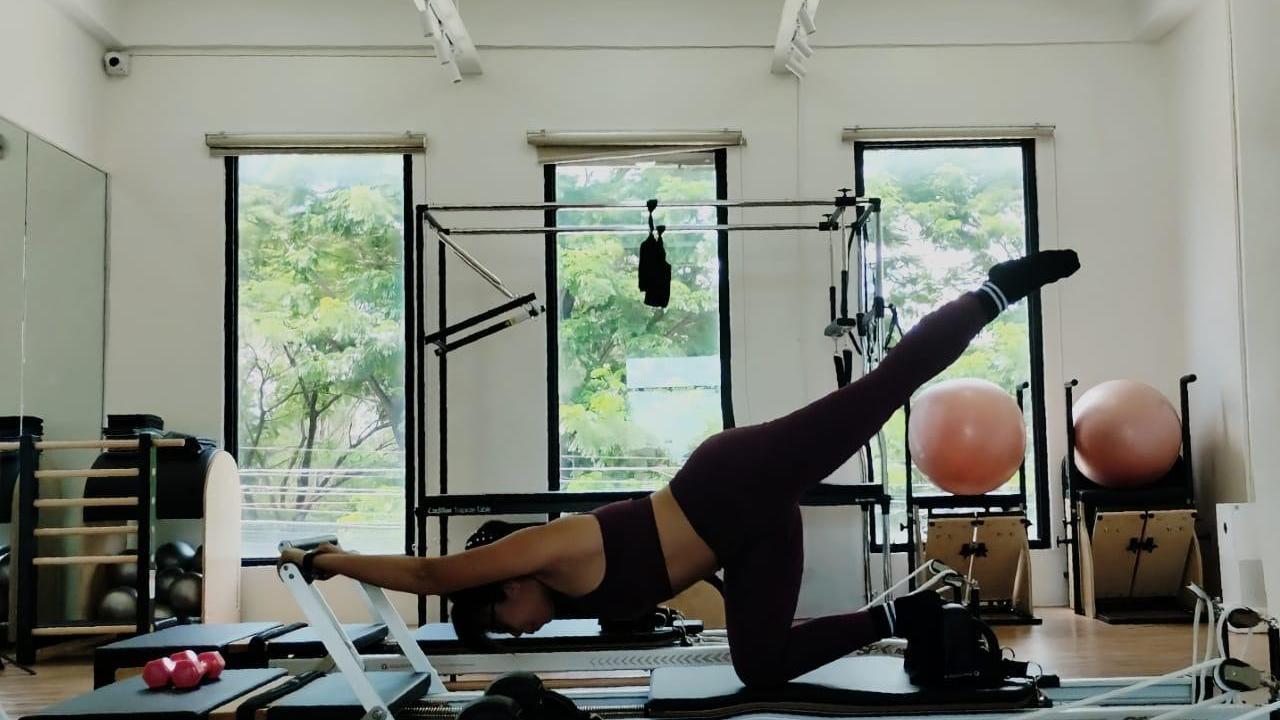
Reformer Pilates is an incredible way to build strength, flexibility, and body awareness—but it’s not without its challenges. One common hurdle many practitioners face, especially in the beginning, is maintaining balance during more complex movements. Recently, a user on Reddit sparked a valuable discussion by asking:
“Any tips for keeping balance during leg extensions like this? TIA!”
The replies from certified instructors and experienced practitioners offer a goldmine of practical advice, especially for those still refining their form. Let’s explore the key takeaways that can help you stay stable, strong, and safe on the reformer.
Understand What You’re Doing (and Why)
One of the first pieces of advice was simple yet critical: Know what exercise you’re trying to do and what it’s supposed to look like.
As one instructor pointed out:
“Proper form depends on what you’re trying to accomplish... I need to know what the exercise is to give helpful tips.”
Reformer Pilates includes both classical and contemporary movements. If you're attempting a non-traditional or creative move, be mindful that it might not follow established guidelines. Understanding the purpose of the exercise—whether it’s for glute activation, spinal mobility, or just a fun balance challenge—will help you refine your alignment.
Start with Foundations: Core, Control, and Contact
Multiple instructors emphasized the importance of going back to the basics. Before advancing to more complex positions:
-
Brace your core: Your stability originates from your center. Activate your abdominals and pelvic floor.
-
Focus on points of contact: Grounding yourself through solid anchor points (hands, knees, or foot) creates a stronger foundation.
-
Control your movement: Move slowly and intentionally. Balance isn’t about stiffness; it’s about control.
“Once you can stabilize yourself, you can work on more advanced exercises,” one Reddit-certified instructor shared.
The Power of Squaring Your Hips
A recurring cue that made a difference for many was:
Square your hips.
Whether you’re doing a bird dog variation, arabesque, or a creative leg extension, aligning the pelvis can dramatically increase your stability.
“The one cue I got that immediately connected and helped correct my form was to rotate your hip downward,” said one Redditor.
So instead of letting one hip lift or rotate outward, think about bringing both hip bones level, facing the carriage, and rooting down through your core.
Watch Your Shoulders and Spine
Misalignment in the upper body can throw your entire balance off. In the Reddit discussion, an instructor noted:
“It looks like you’re collapsing into your shoulders... If your goal is a neutral spine and stable shoulder girdle, lift your ribcage and push into the footbar to lift out of your shoulders.”
In other words, avoid “hanging” into the shoulder joints. Keep your upper back strong, ribcage lifted, and spine neutral unless the exercise calls for deliberate extension.
Modify on the Mat First
If the reformer’s spring instability feels overwhelming, bring the movement down to the mat.
“Practice without the instability of the springs. Root into your center of gravity and lift limbs from your center.”
Working on similar movements on a stable surface can help build muscle memory and core strength, preparing you for more balance-demanding reformer exercises.
Safety First—Face the Springs with Caution
A word of caution came from several commenters:
“Any time you are facing the springs like this, be very careful— you risk falling face-first into them and wrecking your teeth.”
It’s easy to forget that the reformer is a dynamic piece of equipment. Any move that places your body in front of the springs—especially unsupported—should be approached mindfully and ideally under the supervision of an experienced instructor.
Explore, Learn, and Stay Centered
Pilates is not just a workout—it’s a journey of body awareness. Whether you’re doing traditional repertoire or creative modifications, the principles of core control, alignment, and mindful movement always apply.
So if you’re struggling with balance on the reformer, don’t get discouraged. Explore your form, seek feedback, and stay centered. As one Pilates student put it:
“I often had the same problem early on. Now, I find keeping my hips square helps with my control. You got this!”
Bonus Tip from JusaiSports
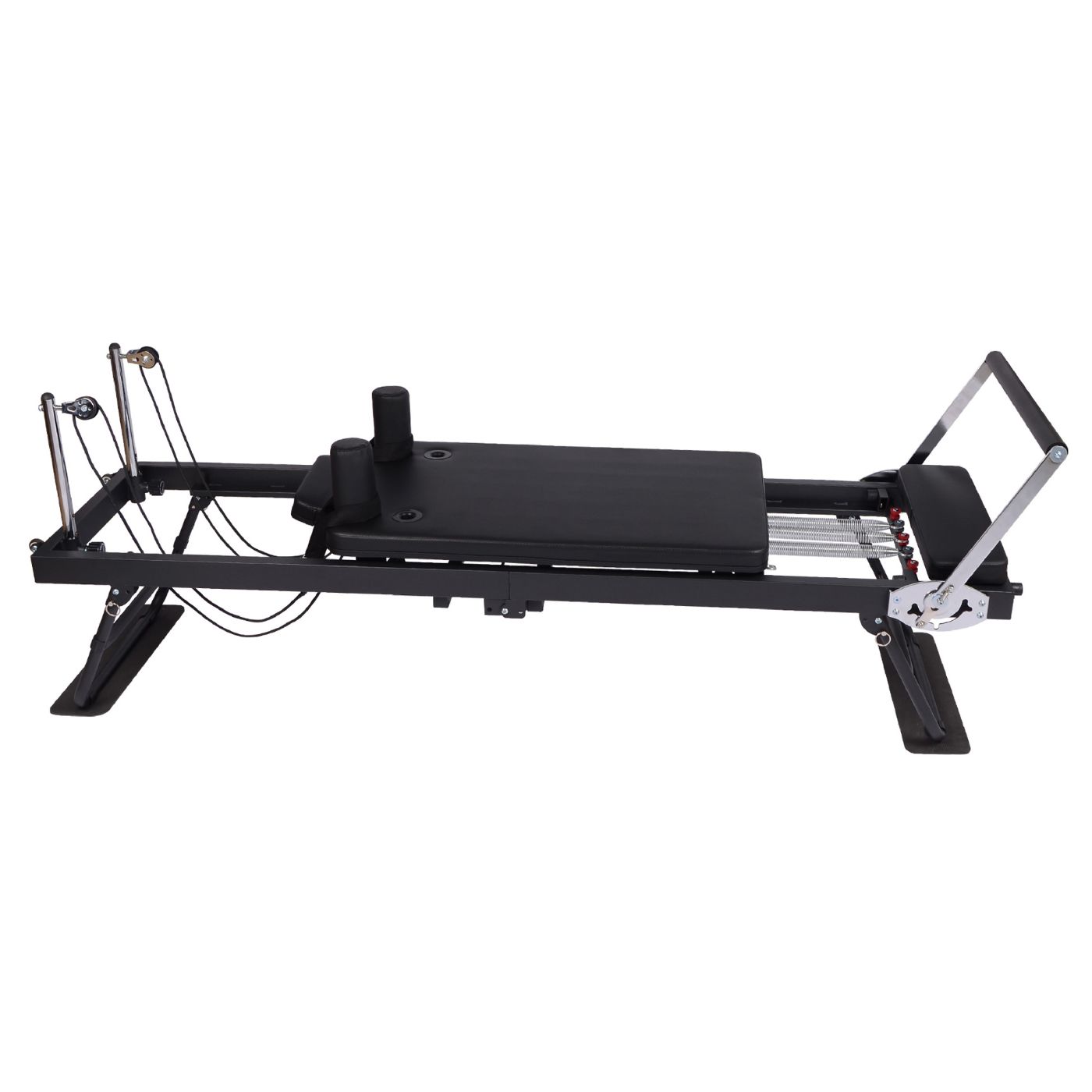
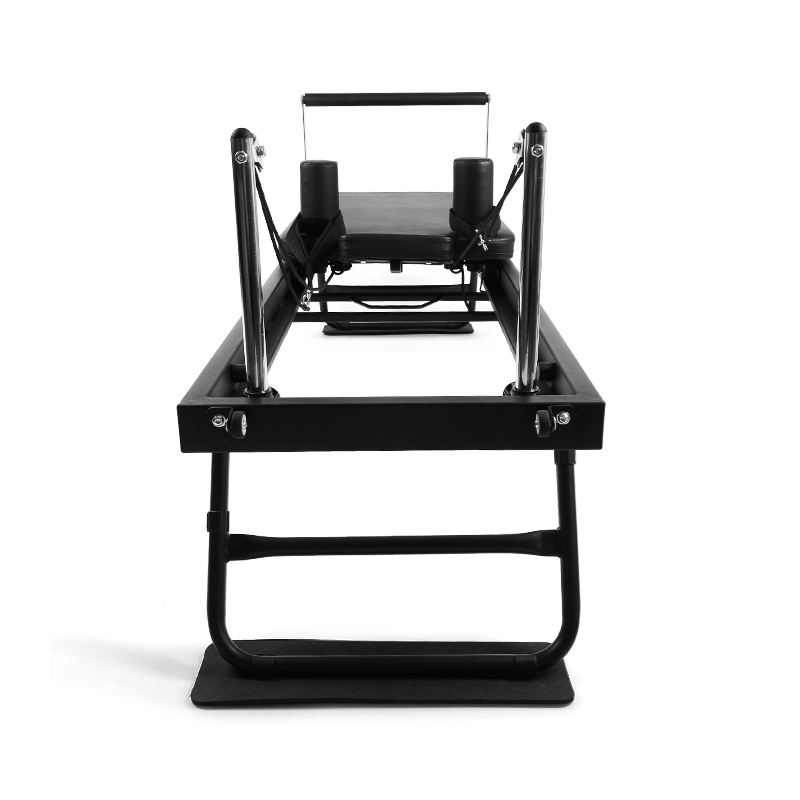
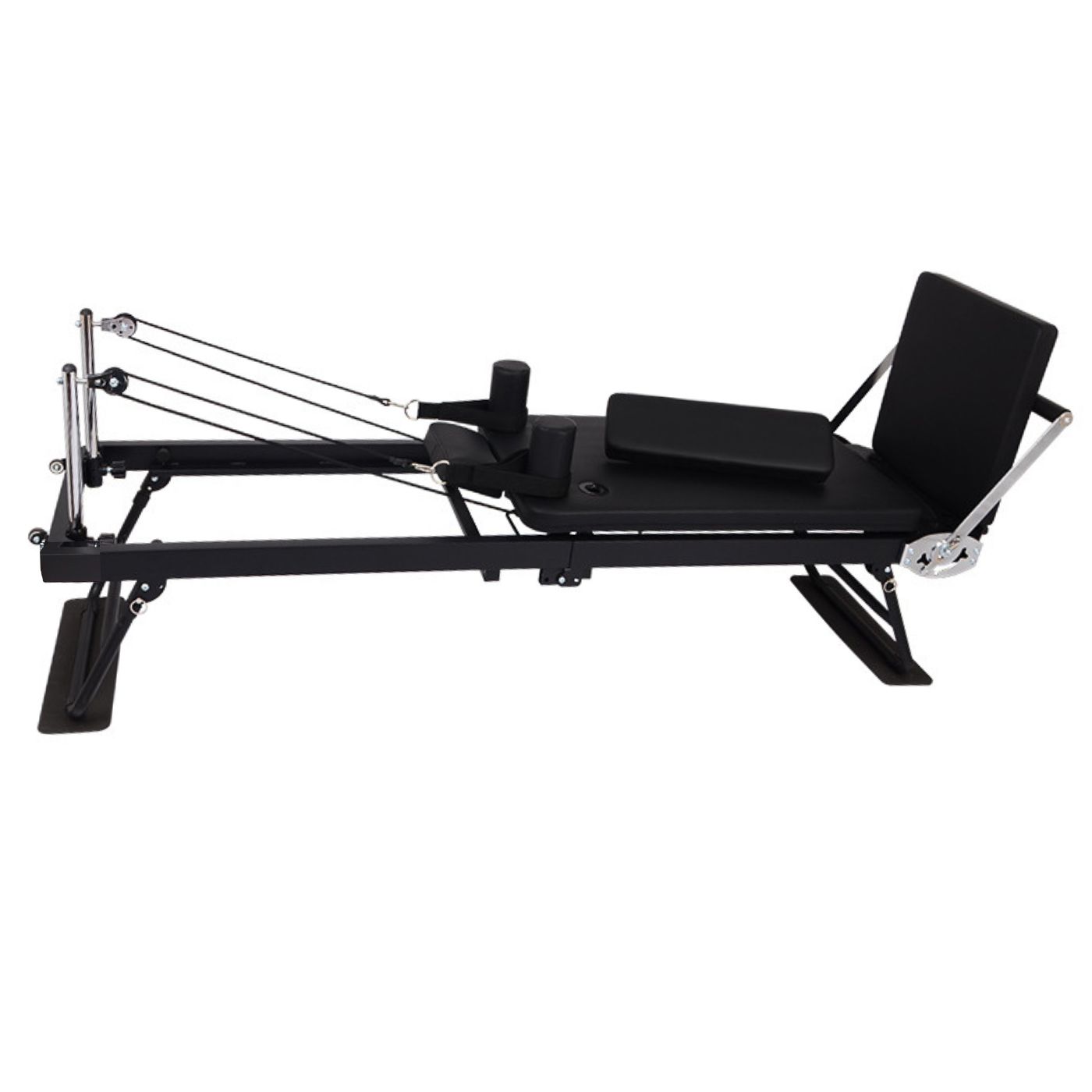
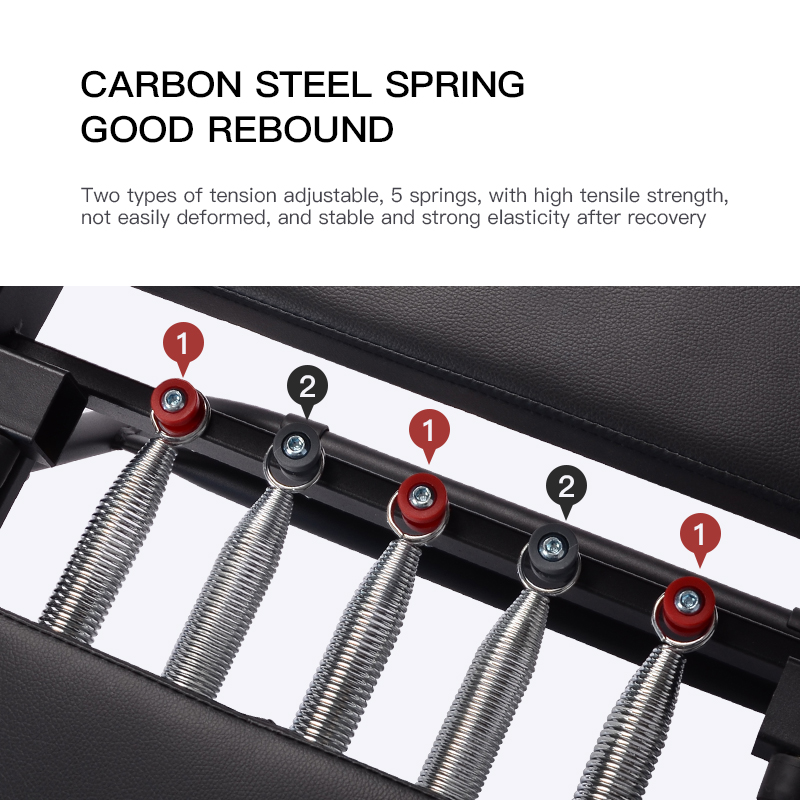
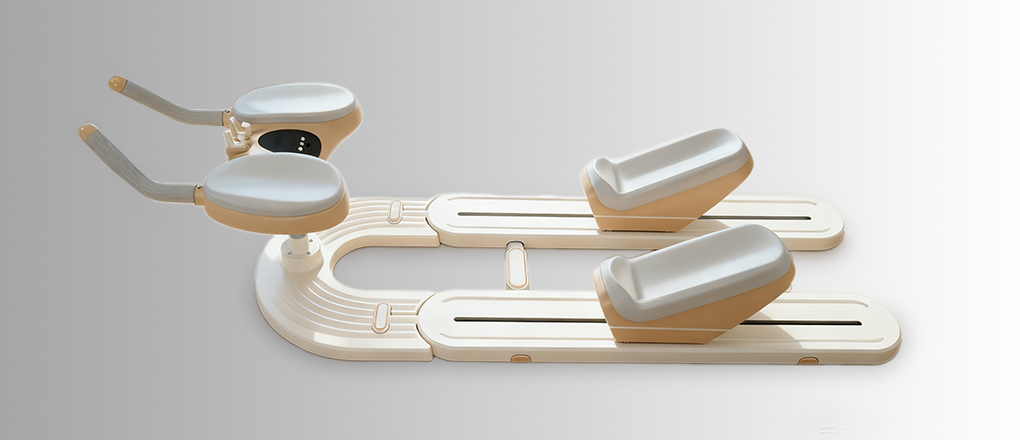
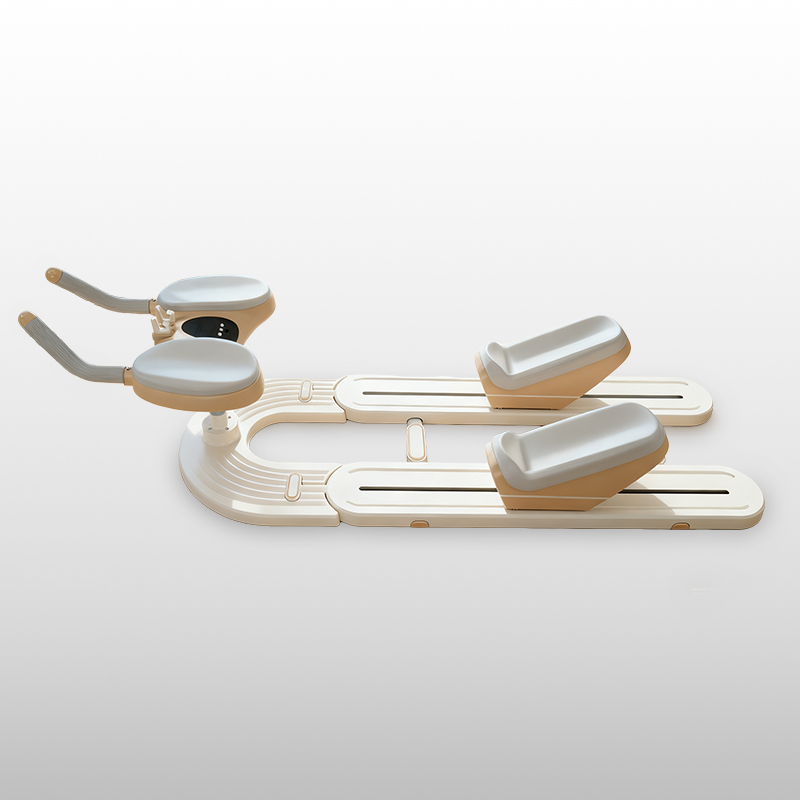
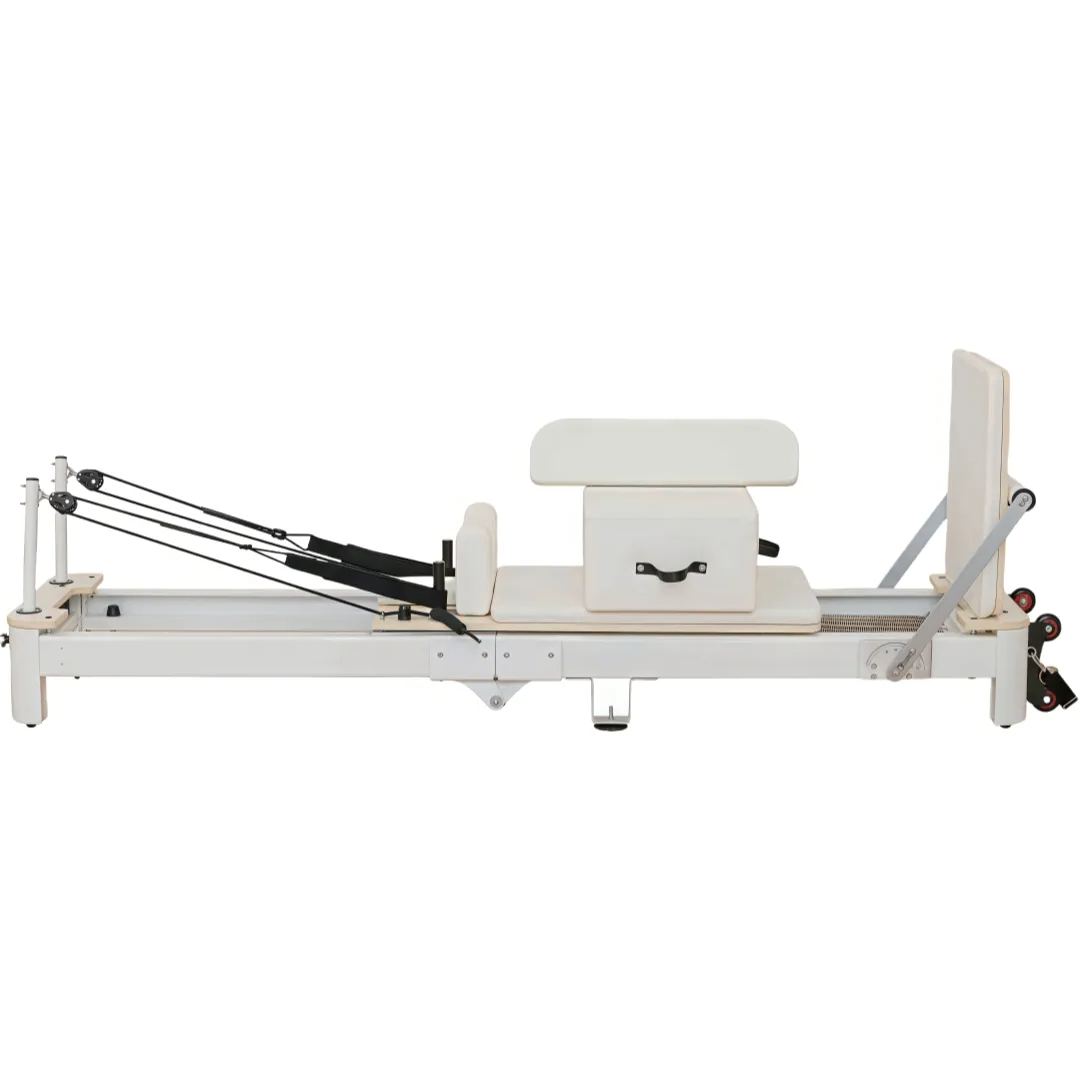
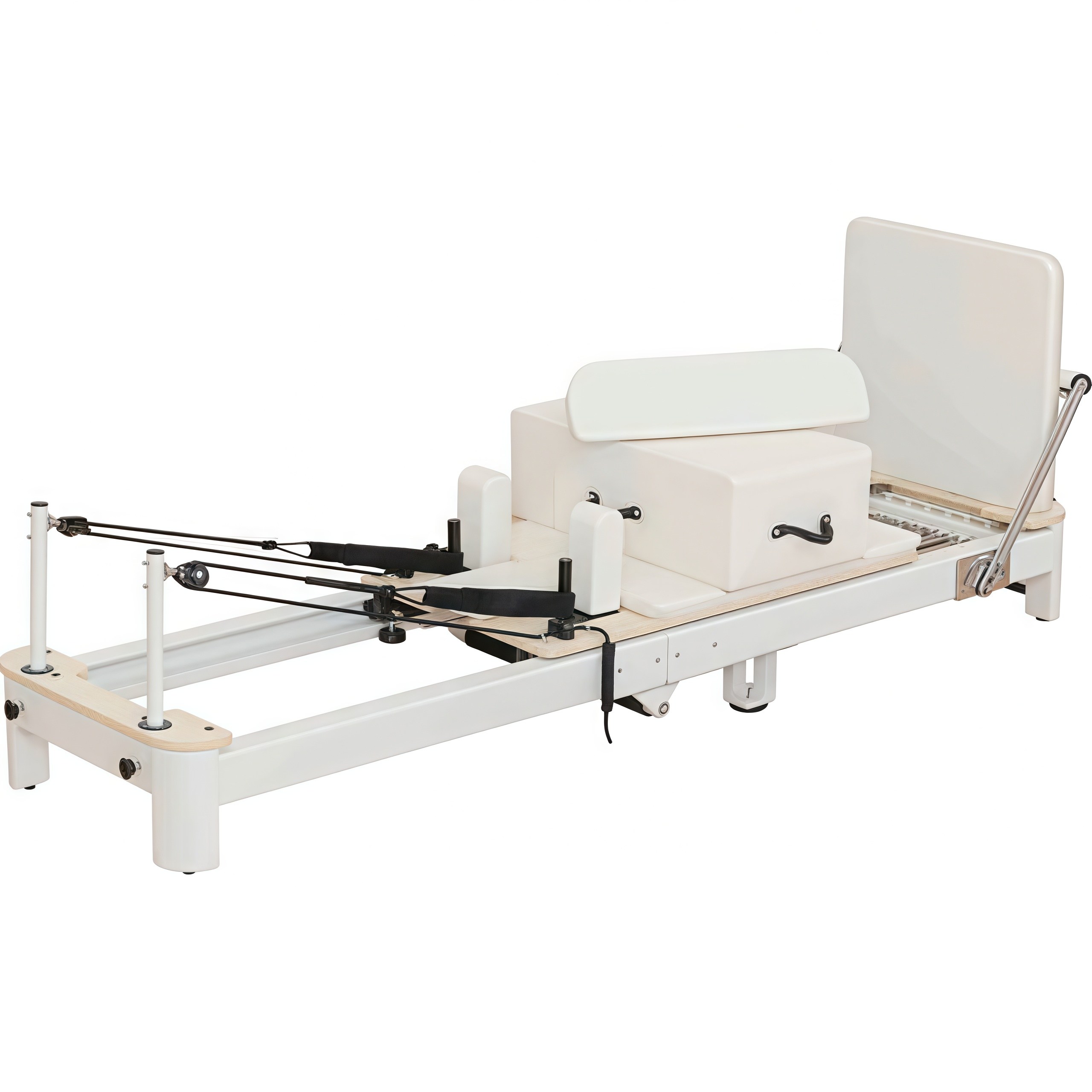
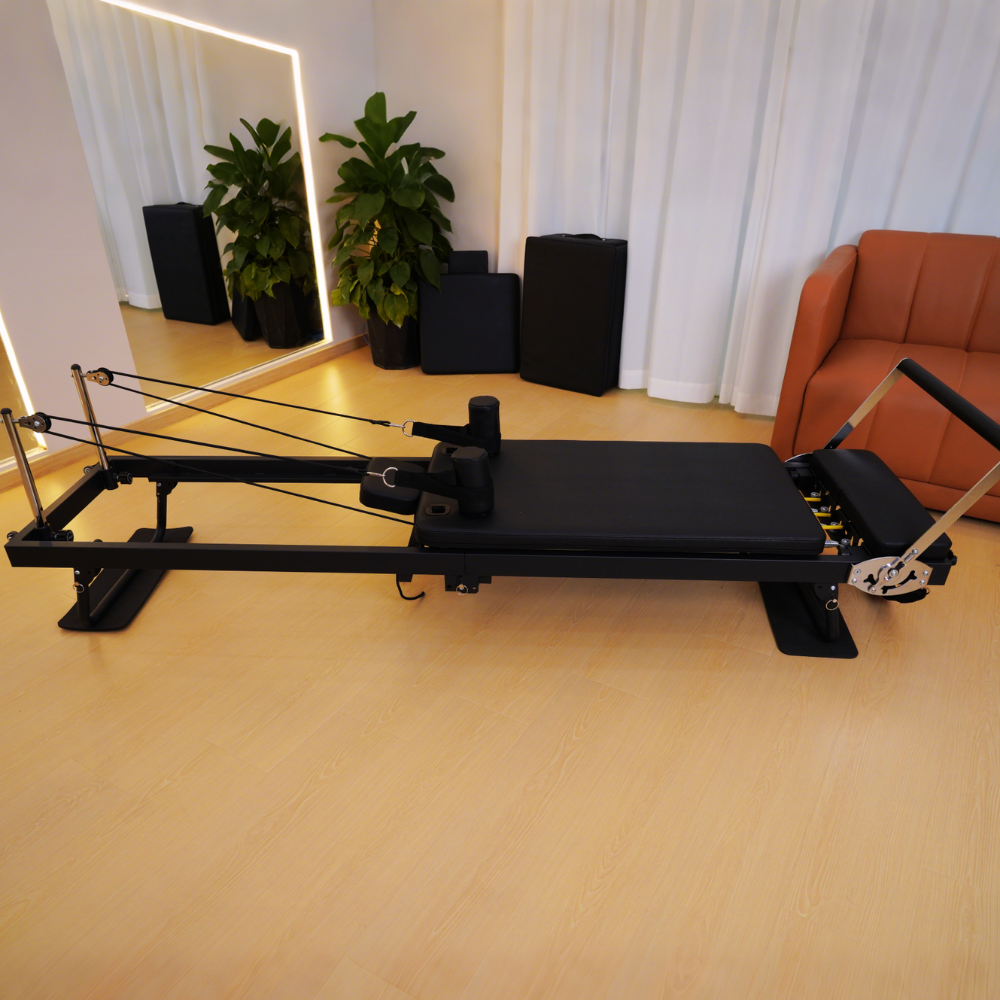
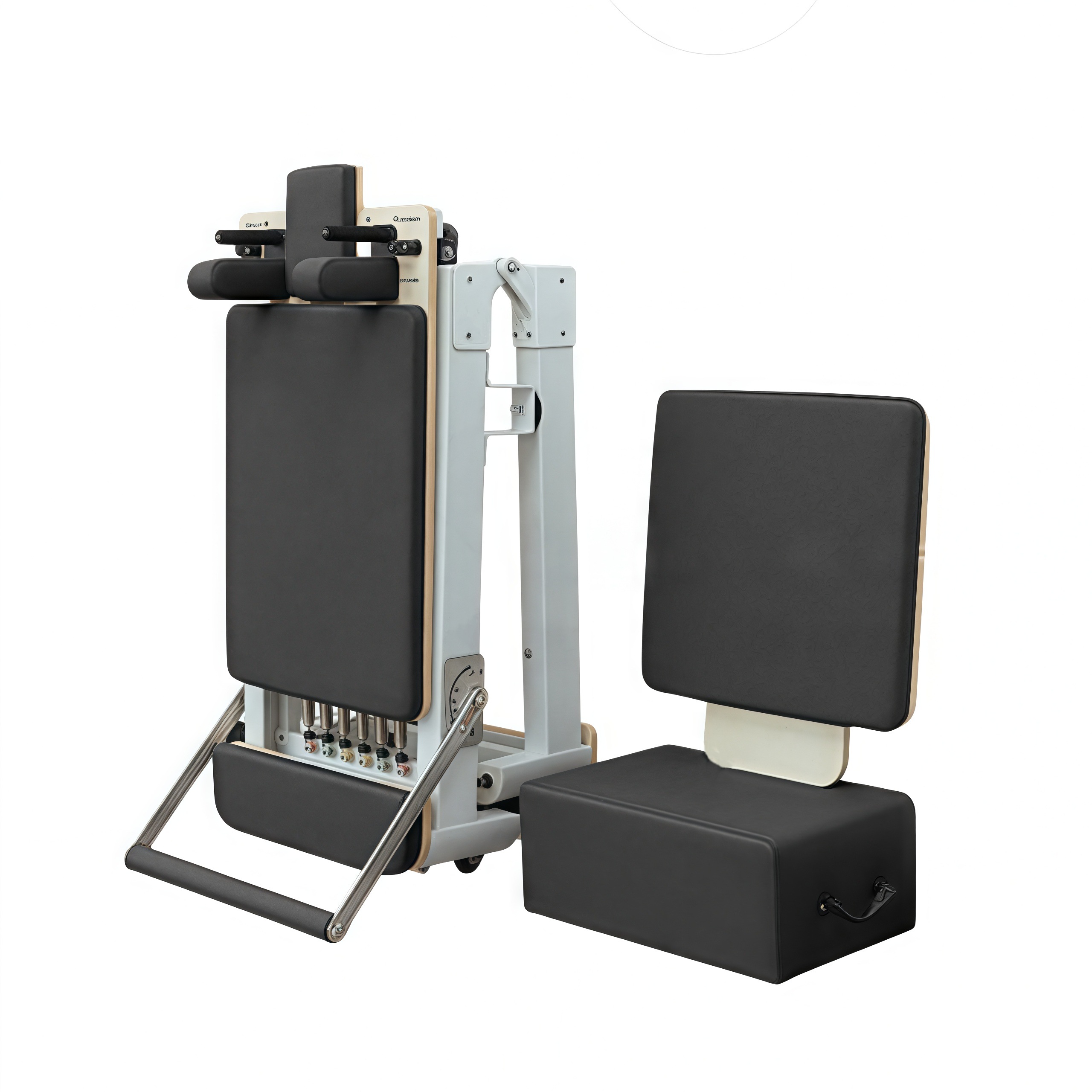
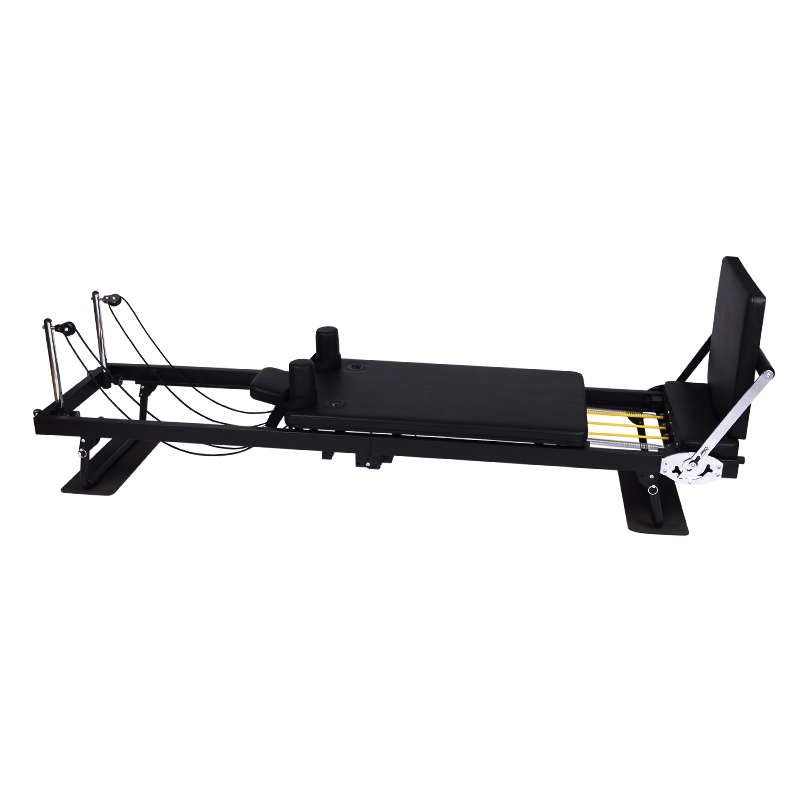
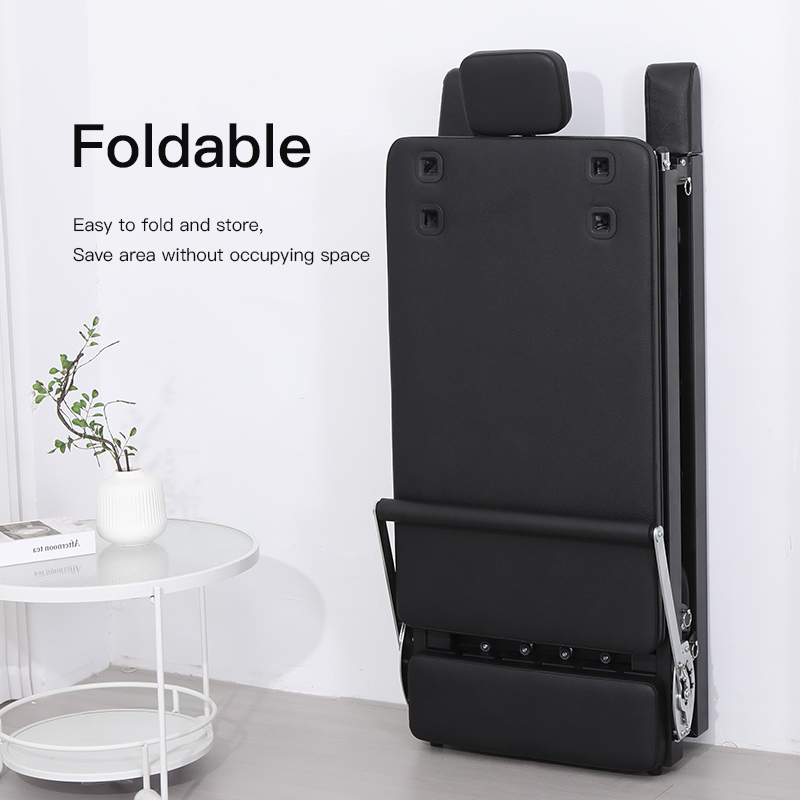
At JusaiSports, we design high-quality Pilates reformers tailored for home and studio use. Our reformers offer smooth spring tension, sturdy frames, and ergonomic designs—making it easier to find your balance and grow in your practice. Whether you’re just starting out or exploring advanced techniques, our equipment is built to support your Pilates journey.
.png?w=1400&h=1400)
.jpeg?w=1400&h=1400)
.jpeg?w=4000&h=4000)
.jpeg?w=4000&h=4000)
.jpeg?w=2560&h=2560)
.jpeg?w=800&h=800)
.jpeg?w=743&h=743)