.png?w=1400&h=1400)
.png?w=1200&h=1200)
.png?w=1000&h=1000)
.png?w=1400&h=1400)
.jpeg?w=800&h=800)
.jpeg?w=800&h=800)
-0.jpeg?w=800&h=800)
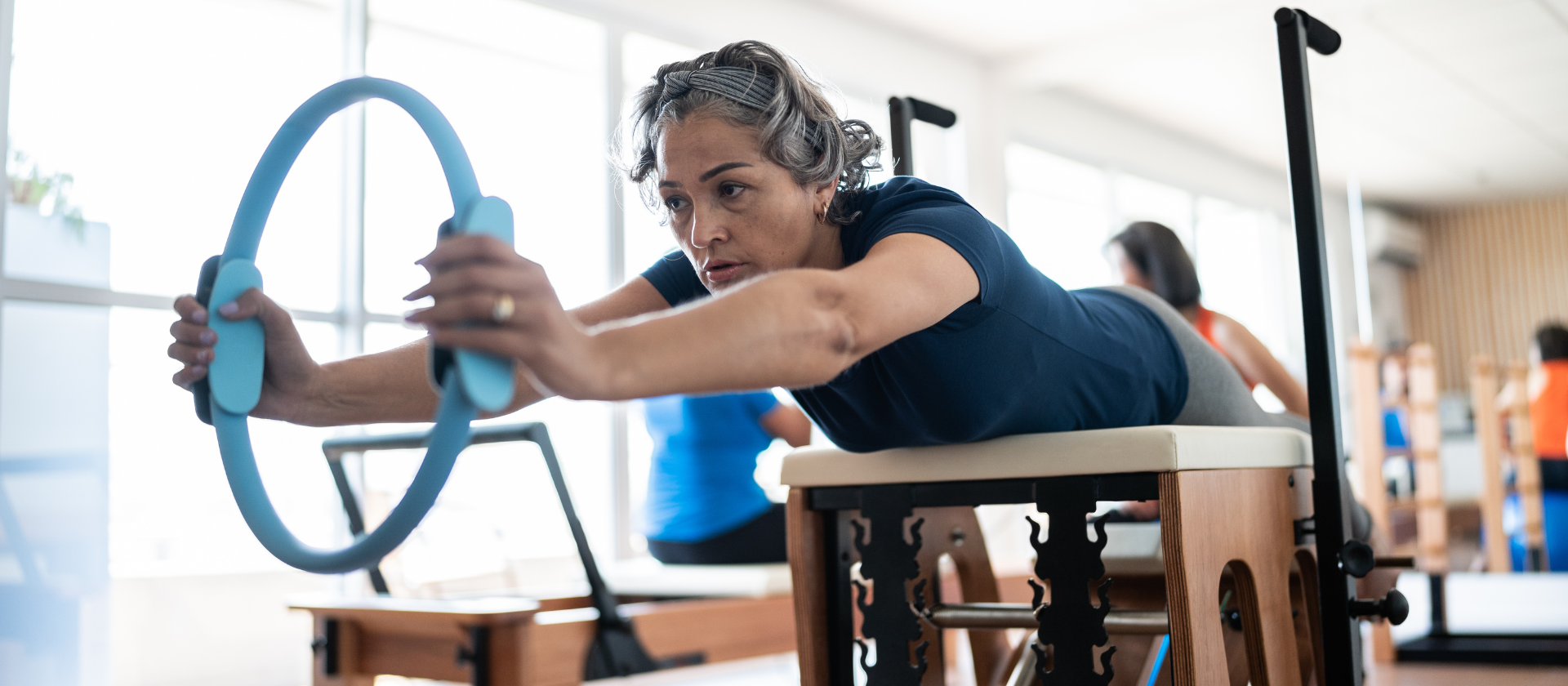
If you start to learn about the Pilates, you will find there are a kind of Pilates Equipment you need to know. The Pilates chair is one piece which is very important in Pilates exercise system. Compact, versatile, and capable of adding a new dimension to your practice, the Pilates chair can be a great partner—whether you’re a beginner or an experienced practitioner. But what exactly is a Pilates chair, how does it work, and why might you want one in your fitness routine? In this blog, we’ll explore the essentials of the Pilates chair, its benefits, types, and how to choose the best one for you.
What Is a Pilates Chair?
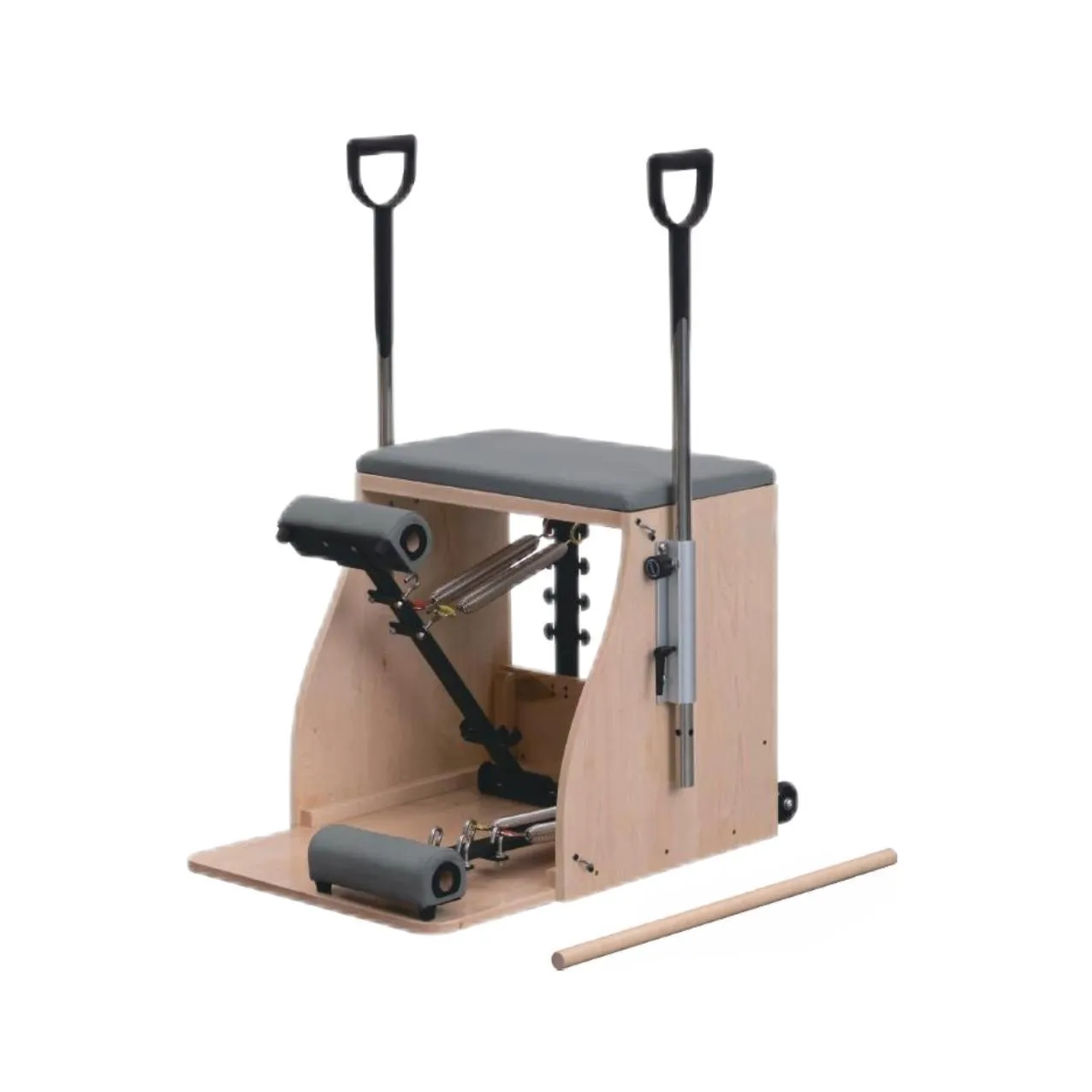
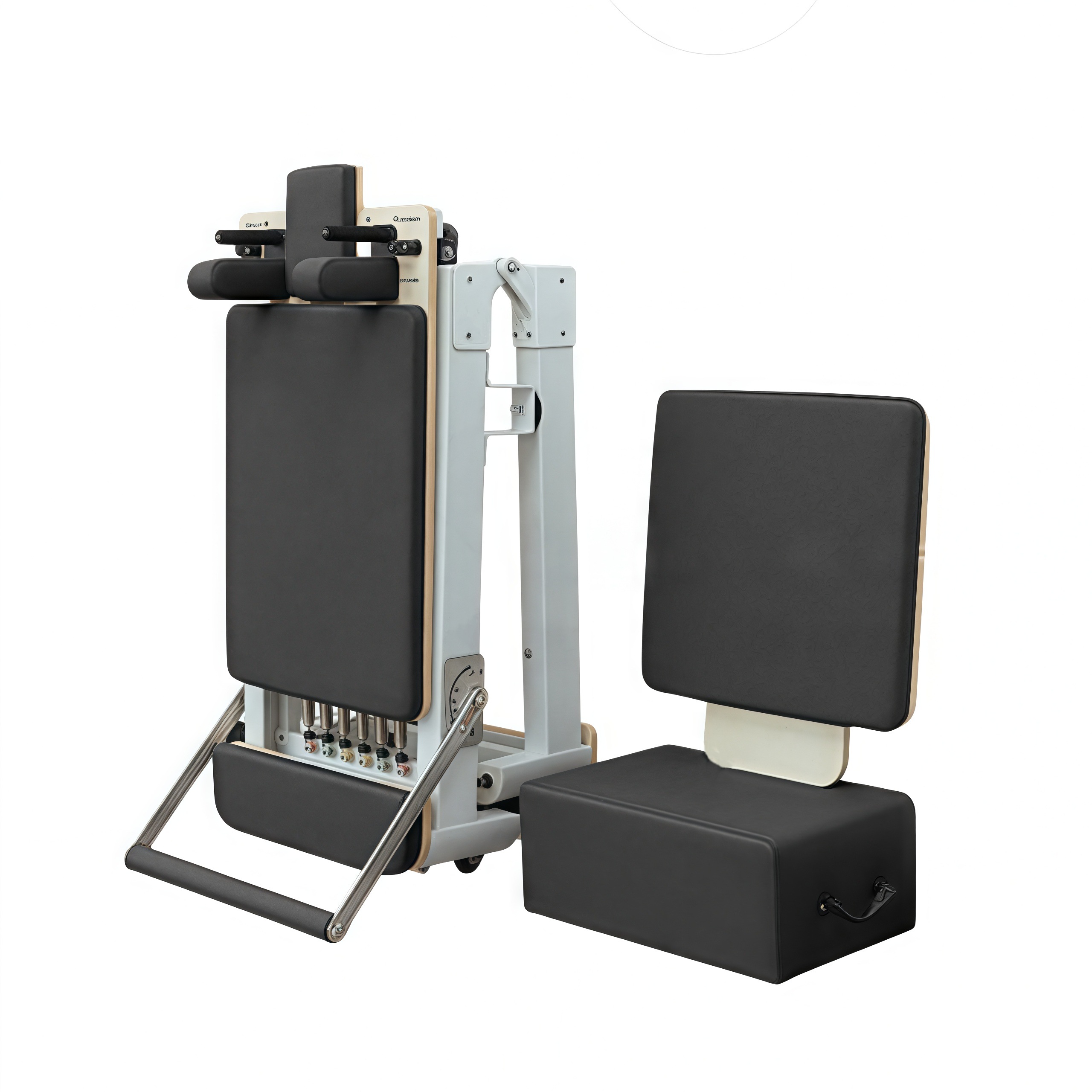
A Pilates chair, also known as the Wunda chair, is one of the original pieces of equipment designed by Joseph Pilates, the founder of the Pilates method. It’s a small, portable, and highly versatile tool used to perform a wide variety of exercises that tone, stretch, and strengthen the body.
The chair consists of:
-
A wooden frame (often with a padded seat for comfort)
-
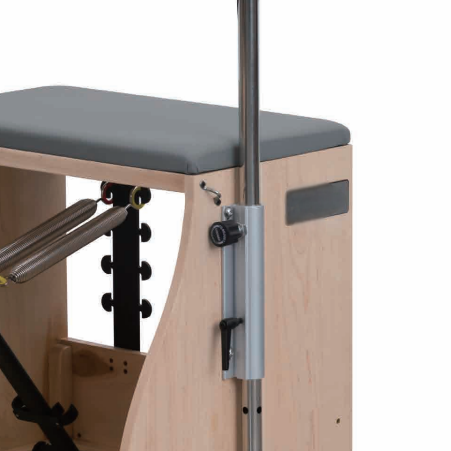
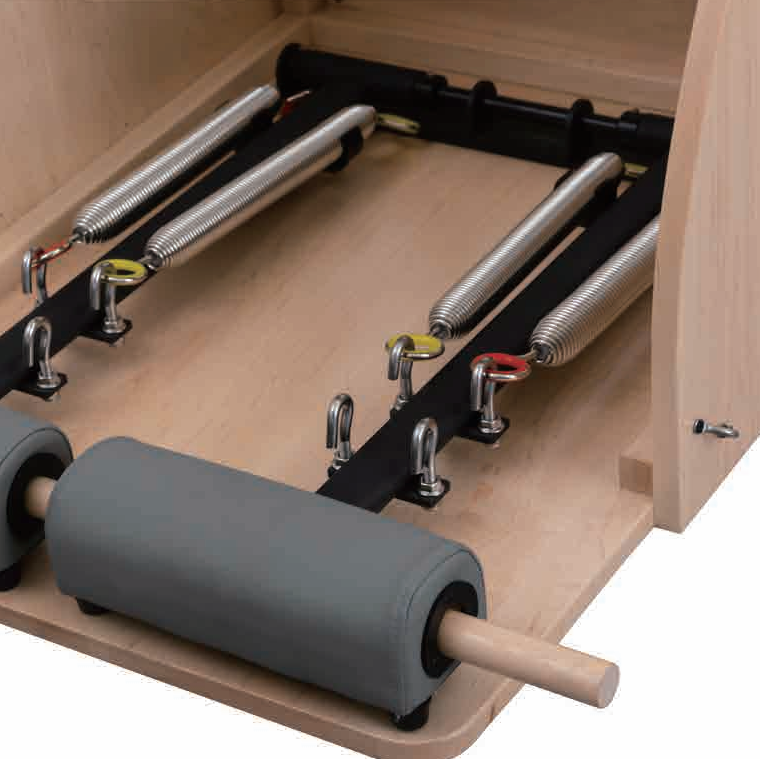
A spring-loaded pedal attached to the base, which provides adjustable resistance
-
Two detachable handles, allowing for extra support or challenge
Although it looks relatively simple, the Pilates chair is packed with potential. It can be used for a full-body workout, incorporating both seated and standing movements, as well as exercises performed in different body positions.
How Does the Pilates Chair Work?
The Pilates chair works by using spring resistance to assist or challenge your body’s movements. The spring tension can be adjusted to suit your fitness level, making it an ideal choice for beginners as well as more advanced practitioners.
When performing exercises on the chair, the pedal resistance helps to target various muscle groups, especially in the arms, legs, and core. The added resistance also enhances body awareness and balance. Unlike mat Pilates, where exercises are mostly done on the floor, the chair allows for more dynamic movements, using both gravity and resistance to create a challenging workout.
Benefits of the Pilates Chair
Incorporating a Pilates chair into your practice offers a variety of benefits, making it a must-have tool for anyone looking to elevate their Pilates workouts.
-
Versatility:
-
The Pilates chair allows for a wide range of exercises that can target different muscle groups. Whether you’re performing seated, standing, or lying exercises, the chair can provide a varied workout that keeps your sessions fresh and exciting.
-
-
Space-Saving:
-
Unlike larger equipment like the Reformer, the Pilates chair is compact and easy to store, making it a perfect solution for people with limited space at home or in smaller studios.
-
-
Support for All Levels:
-
The chair is adaptable to all fitness levels. The spring tension can be easily adjusted to suit both beginners and advanced users. Plus, the detachable handles allow for extra support, making exercises easier for those recovering from injuries or beginners just getting started.
-
-
Enhanced Core and Balance:
-
Many Pilates chair exercises target the core, helping to build abdominal strength and improve overall posture. The resistance also improves balance by challenging your body to engage stabilizing muscles throughout your movements.
-
-
Improved Flexibility and Mobility:
-
The versatility of the Pilates chair allows for both stretching and strengthening exercises, improving flexibility, joint mobility, and overall muscle elasticity. This makes it particularly beneficial for anyone looking to increase their range of motion.
-
-
Advanced Training Tool:
-
For experienced practitioners, the Pilates chair offers a challenge and can be used to take your practice to the next level. Advanced exercises, such as push-ups using the handles or standing versions of traditional reformer movements, are a great way to build strength and body awareness.
-
Different Types of Pilates Chairs
Not all Pilates chairs are created equal. There are several variations of the original design, each catering to different needs and preferences.
-
-
The Wunda chair is the most versatile version, allowing for a variety of exercises for both beginners and advanced practitioners. It's perfect for those who want a full-body workout with a piece of equipment that’s compact, portable, and sturdy.
-
-
The High Chair:
-
The High chair is taller than the Wunda chair and offers a greater range of resistance due to its larger frame. This makes it perfect for people who need extra support when performing standing exercises. The backrest on the High chair also offers more posture support, making it a great choice for those looking to work on spine alignment and improve their standing positions.
-
-
The Arm Chair (Baby Chair):
-
The Arm chair, also known as the Baby chair, is designed primarily for upper body strength. It’s great for building shoulder strength and stability, and it also includes a backrest to encourage proper posture during exercises.
-
-
The Combo Chair:
-
The Combo chair is a hybrid version, combining features of both the High and Wunda chairs. It’s a good option for people with limited space who want the functionality of both chairs but can only fit one in their home or studio. While it offers flexibility, it may not provide the same stability or comfort as the individual chairs.
-
.jpeg?w=2940&h=1960)
Is the Pilates Chair Suitable for Seniors?
The Pilates chair’s adjustable spring resistance is key for seniors, as it allows the intensity of each exercise to be tailored to their needs. This makes it a versatile tool for both beginners and those who may be recovering from an injury or surgery. The ability to modify resistance helps ensure a safe and effective workout, especially for individuals with limited mobility or strength.
Some of the reasons seniors can benefit from using the Pilates chair include:
-
Improved Strength and Flexibility: Regular use of the Pilates chair can help seniors build strength in key areas like the core, legs, and upper body, which are crucial for maintaining balance and preventing falls.
-
Posture and Spinal Health: Many Pilates chair exercises focus on improving posture and spinal alignment, which can be particularly beneficial for seniors who experience back pain or stiffness.
-
Joint-Friendly Movements: Pilates is known for its low-impact nature, making it a knee- and joint-friendly exercise option. For seniors with arthritis or other joint issues, the Pilates chair offers a gentler way to engage in strength-building exercises without straining the joints.
-
Balance and Coordination: The Pilates chair requires the use of both upper and lower body muscles, which helps improve coordination and balance—vital elements for seniors to maintain independence.
-
Compact and Easy to Use: The Pilates chair’s compact design makes it a great option for seniors who may not have a lot of space at home for larger equipment like a reformer.
Choosing the Right Pilates Chair for Seniors
When selecting a Pilates chair for seniors, it's important to choose one that offers support and stability. The handles and adjustable springs can provide additional safety and support, ensuring that seniors can perform movements with confidence. A Padded seat also ensures comfort during longer sessions.
JusaiSports Pilates Chair Recommendation for Seniors
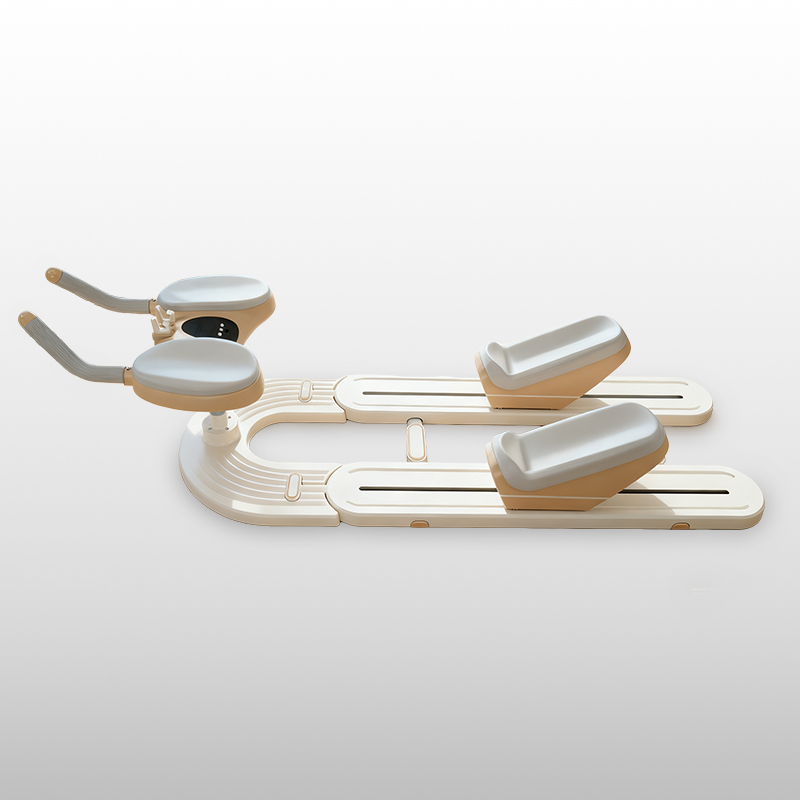
For seniors looking for a high-quality and affordable Pilates chair, we recommend the JusaiSports Pilates Chair. Designed with comfort and ease of use in mind, this chair provides:
-
Adjustable resistance springs, allowing for easy modification based on individual fitness levels
-
Detachable handles for added stability during exercises
-
Ergonomic design that supports proper posture and reduces strain
-
Compact size, perfect for home use without taking up too much space
.png?w=1400&h=1400)
.jpeg?w=1400&h=1400)
.jpeg?w=4000&h=4000)
.jpeg?w=4000&h=4000)
.jpeg?w=2560&h=2560)
.jpeg?w=800&h=800)
.jpeg?w=743&h=743)