.png?w=1400&h=1400)
.png?w=1200&h=1200)
.png?w=1000&h=1000)
.png?w=1400&h=1400)
.jpeg?w=800&h=800)
.jpeg?w=800&h=800)
-0.jpeg?w=800&h=800)
.jpeg?w=2000&h=1125)
What Is the Pilates Spine Corrector?
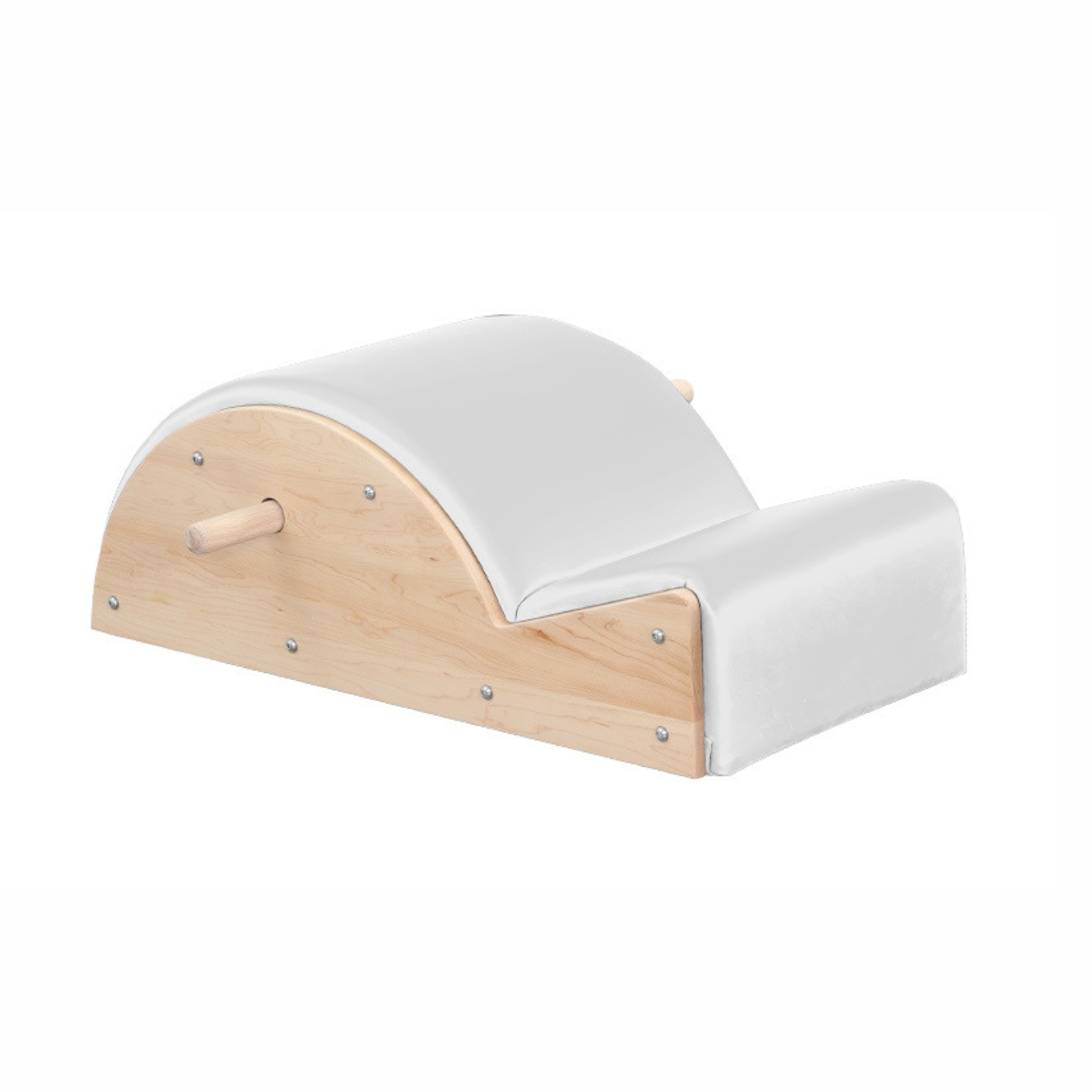
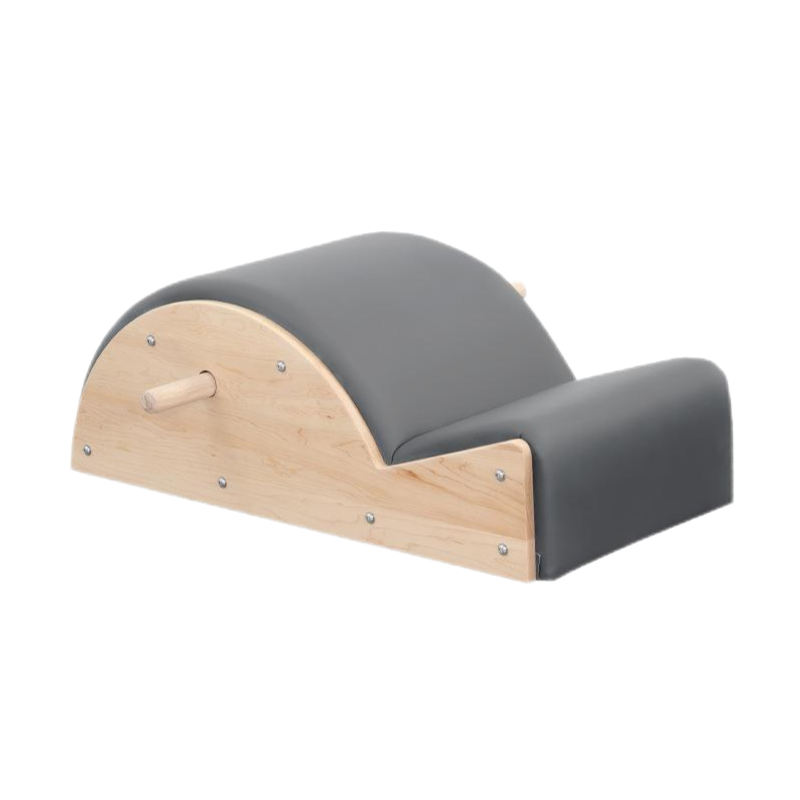
The Pilates Spine Corrector is a uniquely designed and versatile piece of equipment. It offers an effective way of learning to move correctly in Pilates while achieving long-term strength and stability. Whether you are a beginner or experienced with Pilates, using the corrector will help target deep postural muscles that may not be emphasized in regular exercises. Additionally, because it allows for proper alignment and a full range of motion movements – both basic and advanced – the spine corrector is an excellent tool for transforming posture and improving flexibility throughout your entire body.
A Brief History of the Spine Corrector
The Spine Corrector was originally designed by Joseph Pilates, the creator of the Pilates method. He envisioned a tool that would help counteract the postural imbalances caused by modern life—even in the early 20th century.
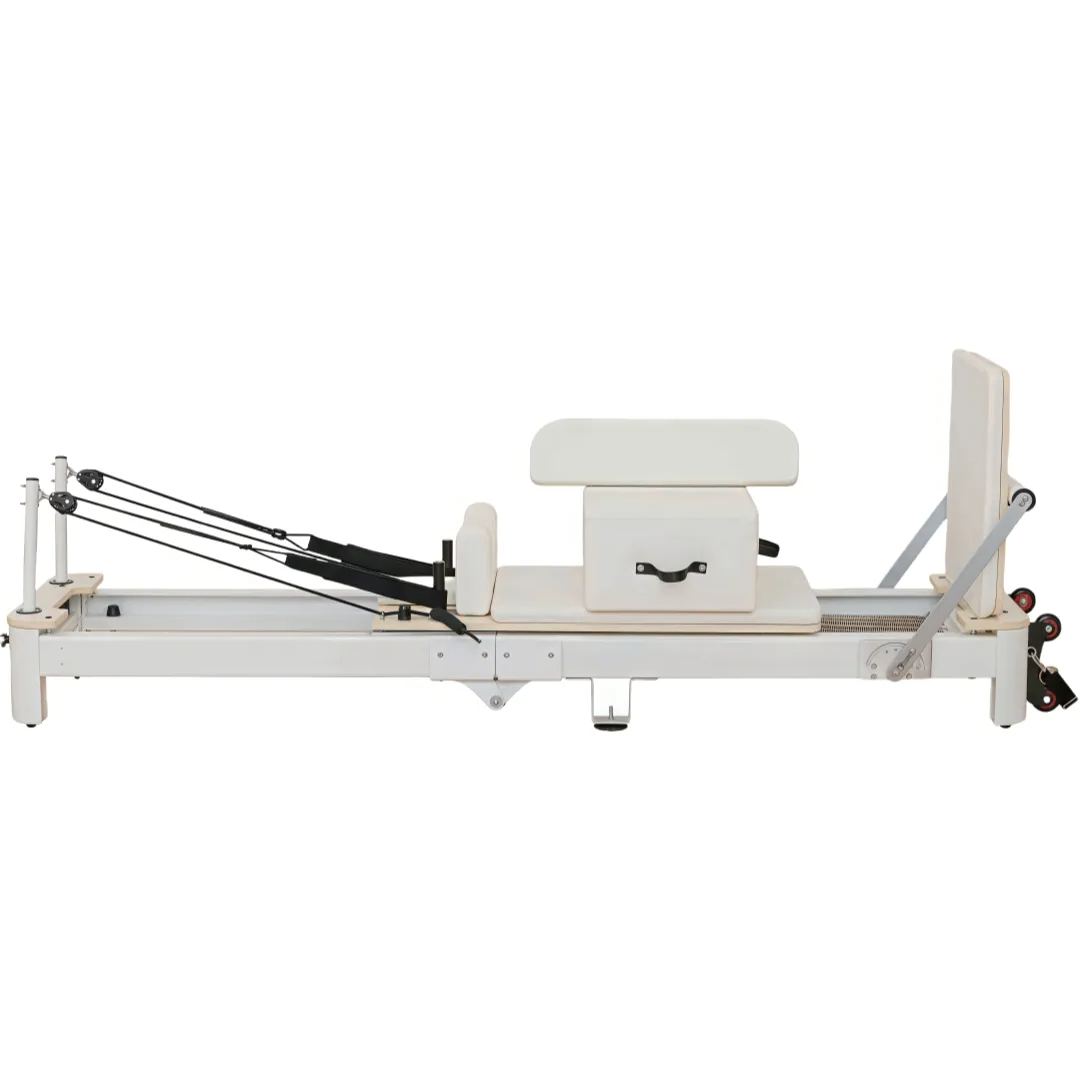
Unlike larger Pilates apparatuses such as the Reformer or Cadillac, the Spine Corrector is compact, lightweight, and accessible to everyone. Its signature curved surface allows for deep stretching, precise spinal articulation, and enhanced body awareness. It quickly became a favorite among teachers and students because of its versatility and effectiveness.
Today, the Spine Corrector—sometimes also called the Pilates Arc Barrel—is used worldwide in studios, rehabilitation centers, and homes.
What Does the Spine Corrector Do?
The primary function of the Spine Corrector is to restore the natural curvature of the spine while strengthening supporting muscles. By lying over or against its arc, you can stretch tight areas, strengthen weak ones, and practice movements with proper alignment.
Here are its key benefits:
1. Improve Posture
Prolonged sitting can cause the upper back to round forward (kyphosis) and the shoulders to collapse inward. The Spine Corrector helps reverse these patterns, opening the chest and encouraging upright posture.
2. Increase Spinal Mobility
Healthy spines need to move in all directions: flexion, extension, lateral bending, and rotation. The arc of the corrector supports these movements safely and effectively.
3. Build Core Strength
Many exercises on the Spine Corrector require balance and stabilization, activating deep abdominal muscles, obliques, and back extensors.
4. Relieve Tension and Stress
Stretching the spine over the barrel provides a gentle decompression effect, relieving stiffness in the back, neck, and shoulders.
5. Support Rehabilitation
Because the Spine Corrector offers both support and challenge, it’s often used in physical therapy and post-rehabilitation programs to rebuild strength and restore movement.
How to Use the Spine Corrector
If you’re new to Pilates, it’s best to learn foundational exercises on the mat first. Once you’re familiar with the movements, the Spine Corrector can either:
-
Assist your practice by making movements easier and safer.
-
Challenge your practice by adding resistance, balance, or range of motion.
Here are some classic exercises to try:
1. Bicycle (Supportive)
How to do it:
-
Sit on the arc with hips supported.
-
Hold the side handles for stability.
-
Lift your legs and cycle them through the air in slow, controlled circles.
Focus: Keep the core engaged to stabilize the pelvis.
Benefits: Strengthens the abdominals and legs, while teaching control and stability.
2. Swan (Challenging Back Extension)
How to do it:
-
Lie face down on the barrel with your hips centered over the curve.
-
Place hands on the floor in front of you.
-
Inhale, lift your chest and lengthen your spine upward.
-
Exhale, lower with control.
Focus: Lengthen through the crown of the head; avoid collapsing into the lower back.
Benefits: Builds strength in the back extensors, opens the chest, and improves posture.
3. Spine Stretch Forward
How to do it:
-
Sit tall on the barrel with legs extended forward.
-
Extend arms in front of you.
-
Inhale, sit tall; exhale, round the spine forward, reaching beyond your toes.
Focus: Articulate through each vertebra, imagining space between them.
Benefits: Increases spinal flexibility and relieves tightness in the lower back.
4. Side Bend
How to do it:
-
Sit sideways with your hip against the arc.
-
Extend your top arm overhead.
-
Inhale, bend over the arc; exhale, lift back up with control.
Focus: Keep the core engaged and avoid collapsing into the arc.
Benefits: Strengthens the obliques and improves lateral flexibility.
5. Leg Circles
How to do it:
-
Lie back on the arc with pelvis supported, legs lifted toward the ceiling.
-
Circle one leg at a time, keeping the opposite hip steady.
-
Repeat in both directions.
Focus: Maintain core stability while moving the legs.
Benefits: Enhances hip mobility and pelvic stability.
Pilates, Alignment, and the Spine Corrector
Joseph Pilates emphasized that “you’re only as young as your spine is flexible.” The Spine Corrector reflects this principle, helping practitioners develop strength and control through all planes of motion.
When combined with Pilates matwork, it deepens the practice by:
-
Providing tactile feedback for proper alignment.
-
Offering support during challenging movements.
-
Adding variety to prevent plateaus and keep workouts engaging.
How Long Until You Notice Results?
The timeline varies for each person, depending on:
-
Starting posture and spinal health (e.g., scoliosis or kyphosis may require more time).
-
Consistency (regular use accelerates progress).
-
Lifestyle (balancing Pilates with daily posture awareness).
Some users notice improvements in posture and mobility within a few weeks, while long-term changes in strength and spinal alignment may take several months. The key is steady, consistent practice.
Tips for Getting the Most Out of Your Spine Corrector
-
Start slow: Focus on form before progressing to advanced exercises.
-
Pair with matwork: Combine the corrector with classic Pilates exercises for balance.
-
Breathe mindfully: Inhale to prepare, exhale to move—this enhances control.
-
Listen to your body: Avoid pushing into pain; focus on smooth, controlled motion.
-
Stay consistent: Even 10–15 minutes, several times a week, makes a difference.
Frequently Asked Questions
1. Is the Spine Corrector suitable for beginners?
Yes! With proper guidance, beginners can use it safely. It’s designed to assist as much as it challenges.
2. Can I use the Spine Corrector at home?
Absolutely. Its lightweight, portable design makes it perfect for home workouts.
3. Is it good for back pain?
Many people find relief from stiffness and mild discomfort, but if you have a medical condition (like herniated discs), consult a healthcare professional before use.
4. How often should I use it?
Even 2–3 times per week can deliver noticeable benefits, but daily use is safe if you listen to your body.
Why Choose Jusai Sports Spine Corrector?
At Jusai Sports, we take pride in offering a Spine Corrector that blends tradition with modern design. Our corrector features:
-
High-quality, durable materials for stability and longevity.
-
Ergonomic curves designed to fit the natural spine alignment.
-
Portable, lightweight construction—ideal for home practice or studio use.
We created it for people who want to improve posture, relieve tension, and expand their Pilates practice with confidence.
The Pilates Spine Corrector may be small in size, but its benefits are powerful. From improving posture and core strength to increasing flexibility and reducing stiffness, it is an essential tool for spinal health and whole-body wellness.
Ready to transform your practice? Explore the Jusai Sports Spine Corrector today and bring the benefits of Pilates into your daily routine.
.png?w=1400&h=1400)
.jpeg?w=1400&h=1400)
.jpeg?w=4000&h=4000)
.jpeg?w=4000&h=4000)
.jpeg?w=2560&h=2560)
.jpeg?w=800&h=800)
.jpeg?w=743&h=743)