.png?w=1400&h=1400)
.png?w=1200&h=1200)
.png?w=1000&h=1000)
.png?w=1400&h=1400)
.jpeg?w=800&h=800)
.jpeg?w=800&h=800)
-0.jpeg?w=800&h=800)
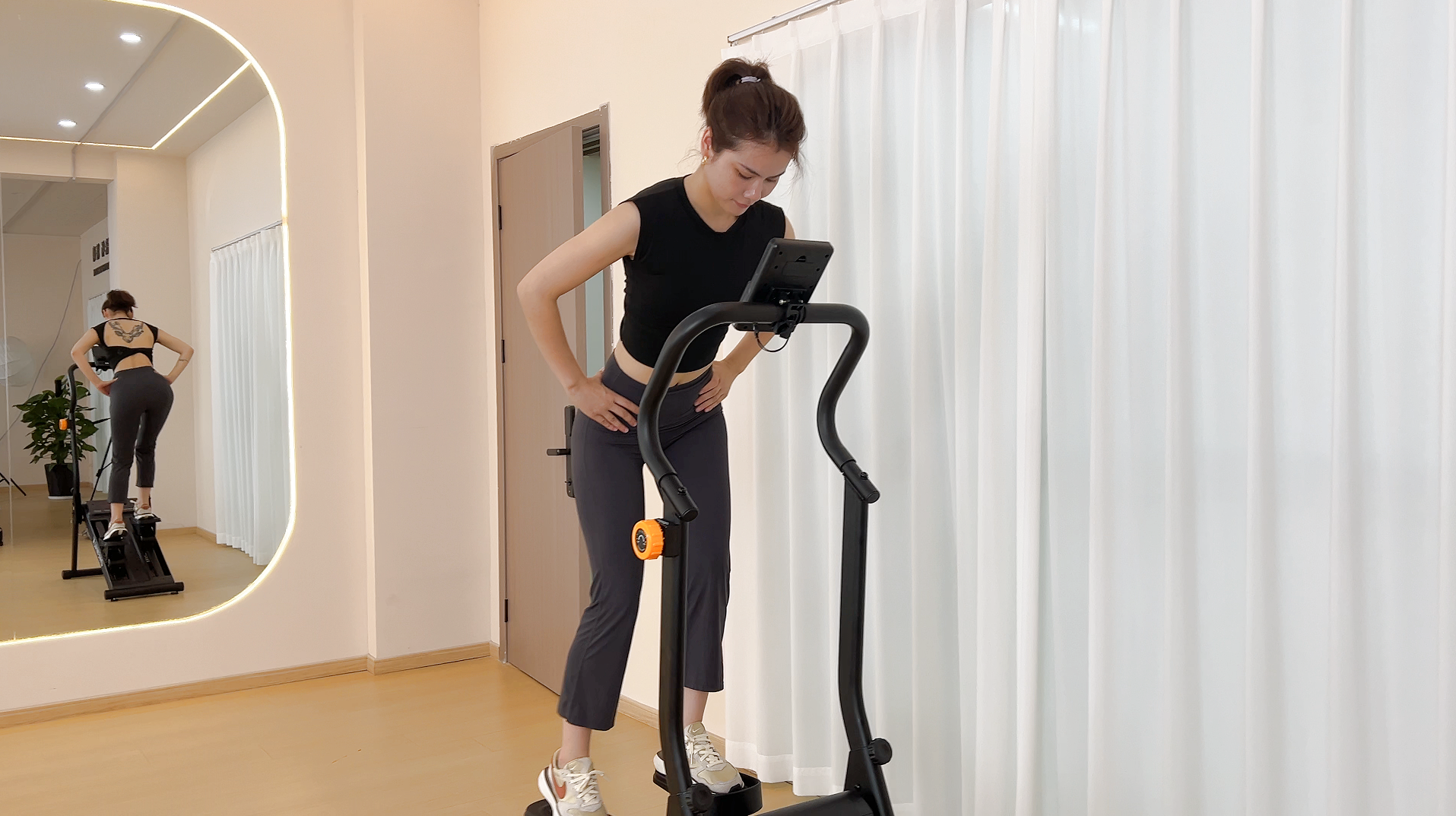
When we talk about the cardio machines, you will think of treadmill and eliptical often at firtst. But if your goals is to sculpting strong legs, lifing your gultes and burning calories without stressing your joints, the stair climber must be the good choice for your workout.
At the first, you need to learn more about what muscles can a stair climber work for-it is not only helps you train smarter, but also can help your avoid the plateaus and injury. Combine the muscle groups which are activated and use the machine properly will make your workout efficient.
What Is a Stair Climber?
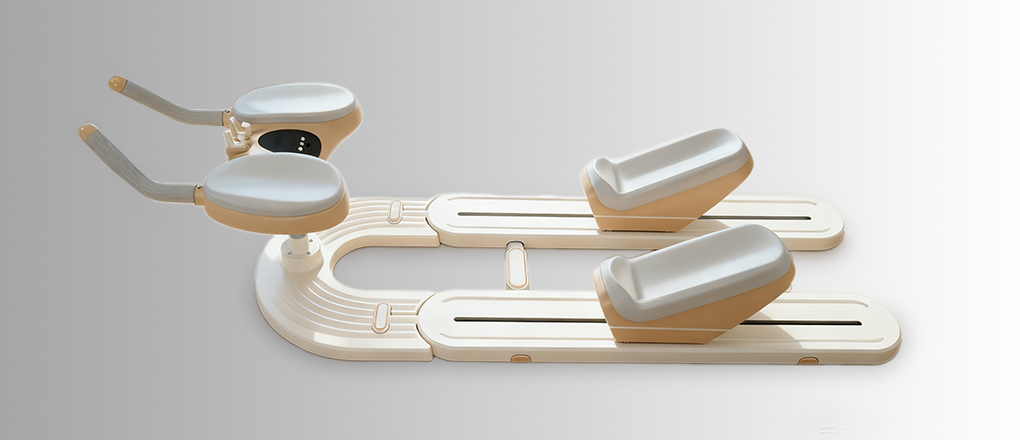
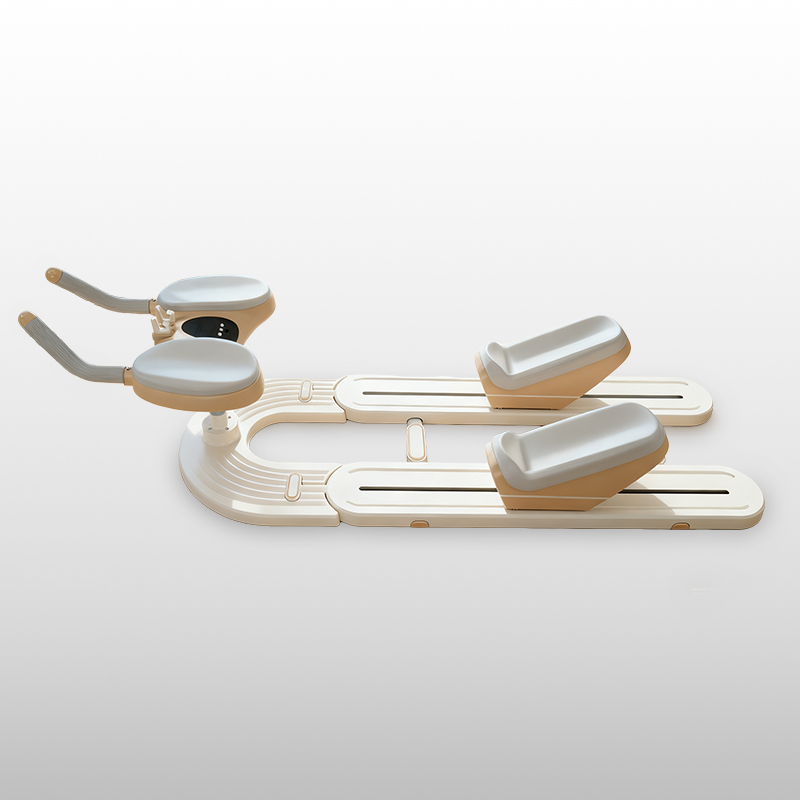
A stair climber is a cardio exercise machine that mimics the movement of climbing up stairs. It typically features two pedals that move in a vertical adjustable stepping motion that users can do the continuous climbing workout without needing actual stairs or go out.Different with other cardio machines, the stair climber combines aerobic training with lower-body resistance, making it effective for burning calories, toning muscles, and improving cardiovascular health.
What Main Muscles Does a Stair Climber Work?
Stair climbing is a compound movement, meaning it activates multiple muscle groups at once. The main focus? Your entire lower body.
1. Glutes (Gluteus Maximus)
Your glutes are the powerhouse muscles responsible for hip extension, helping you push upward with every step. A study from the Journal of Sports Science & Medicine found that vertical climbing activates the gluteus maximus more effectively than horizontal movement like walking or running. If your goal is to “lift” your butt, stair climbing is one of the most efficient ways to do it. The elevation mimics lunges and step-ups—two exercises known for glute engagement—making the stair climber a high-reward option.
2. Quadriceps (Front of the Thighs)
The quads—made up of four muscles in the front of your thigh—are highly involved during stair climbing. As you push off the step and extend your knee, the quads do most of the work. Compared to cycling or walking, stair climbing generates higher quad activation due to the vertical nature of the movement. Strong quads contribute to better knee stability and more explosive power in sports like running and jumping.
3. Hamstrings (Back of the Thighs)
The hamstrings work in tandem with your glutes during hip extension. While they don’t bear the primary load, they are crucial for balance, coordination, and leg symmetry. An imbalance between quads and hamstrings can lead to knee pain, so the inclusion of hamstring engagement makes the stair climber a smart choice for injury prevention.
4. Calves (Gastrocnemius and Soleus)
Each step up requires you to lift your heels, engaging the calves. Over time, this builds ankle strength and enhances balance. Regular stair climber workouts can lead to more defined calves and better support for functional movements like hiking, walking, or running.
Secondary Muscles Worked
While the lower body does the heavy lifting, your upper body plays a supporting role in posture, balance, and endurance.
1. Core (Abdominals and Obliques)
A properly executed stair climber workout engages your core throughout. Without core activation, your torso would collapse forward, increasing the risk of injury. A tight core stabilizes your spine and helps maintain alignment, especially during longer sessions. According to research from the American Council on Exercise (ACE), stair climbers stimulate low-level core activation comparable to standing balance exercises.
2. Lower Back Stabilizers (Erector Spinae)
The lower back muscles help maintain an upright posture. As fatigue sets in, these muscles become even more essential. Strengthening this area through stair climbing can help alleviate lower back pain over time, particularly for individuals with sedentary lifestyles.
How to Maximize Muscle Activation
Stair climbing seems simple, but small form adjustments can drastically improve your results.
Maintain Proper Posture
Keep your chest lifted, shoulders back, and core engaged. Your hips should stay aligned with your spine, not tilted forward.
Tip: Think of growing taller with each step, rather than leaning into the machine.
Avoid Leaning on Handrails
Lightly touching the rails for balance is fine, but avoid resting your body weight on them. This reduces lower body effort and shifts focus away from your glutes and quads.
Tip: Imagine you’re climbing a real staircase—you wouldn’t pull yourself up with the railings.
Vary Step Patterns
Changing your stepping rhythm and position challenges different muscles:
-
Double Steps: Increases glute and hamstring recruitment
-
Side Steps: Engages inner and outer thighs
-
Slow Climbs: Builds muscle endurance and control
Try mixing intervals of these patterns within your routine to avoid adaptation and maximize gains.
Comparison Chart: Stair Climber vs. Other Cardio Machines
| Machine | Glutes | Quads | Hamstrings | Calves | Core Activation | Joint Impact | Calorie Burn (30 min)* |
|---|---|---|---|---|---|---|---|
| Stair Climber | High | High | Medium | High | Medium | Low | 250–400 kcal |
| Treadmill (Walking) | Low | Medium | Low | Medium | Low | Medium | 150–250 kcal |
| Elliptical | Medium | Medium | Medium | Medium | Medium | Low | 200–350 kcal |
| Spin Bike | Low | High | Low | Low | Low | Low | 250–400 kcal |
*Calorie burn varies based on weight and intensity (based on a 155-lb individual per Harvard Health data).
As the chart shows, stair climbers provide some of the highest muscle engagement across all lower-body groups while offering low joint stress—a key benefit for longevity.
Why Clients Love Stair Climber?
Stair climbers appeal to a wide range of people. Here's how they meet real-world user needs:
-
Busy professionals love how just 20 minutes on a stair climber can torch calories and build strength fast.
-
Beginners and older adults benefit from its low-impact nature, especially compared to running.
-
Women seeking glute shaping find it activates key areas better than squats alone.
-
Rehabilitation clients use stair climbers to rebuild joint strength and confidence under control.
Because stair climbing mimics a real-world movement pattern, the strength you build translates directly into everyday activities—climbing stairs, hiking hills, and walking with better balance.
The JuSai Stair Climber Advantage
If you’re looking to take your home workouts seriously, the JuSai Home Stair Climber is a smart investment. Here’s why:
-
8-Level Magnetic Resistance: Adjust your training intensity with precision
-
3-Step Incline Settings: Activate muscles at different angles for more comprehensive results
-
Compact Design + Wheels: Perfect for small spaces and easy to store
-
Built-in Monitor: Track time, steps, and calories burned in real time
-
Quiet & Durable: Tested for long-term reliability and smooth motion
JuSai’s machine is not only efficient—it’s engineered for real results. Whether your focus is fat loss, toning, or staying healthy without hurting your joints, this machine delivers.
Ready to activate your glutes, tone your legs, and improve your cardio in just 20 minutes a day?
👉 Shop the JuSai Stair Climber here
The stair climber is more than a cardio machine. It’s a full-body sculpting, calorie-torching, joint-friendly tool that brings fast and functional results. Understand the muscles it activates, use it wisely, and choose a model that supports your goals—like the JuSai Stair Climber.
.png?w=1400&h=1400)
.jpeg?w=1400&h=1400)
.jpeg?w=4000&h=4000)
.jpeg?w=4000&h=4000)
.jpeg?w=2560&h=2560)

.jpeg?w=800&h=800)
.jpeg?w=743&h=743)