.png?w=1400&h=1400)
.png?w=1200&h=1200)
.png?w=1000&h=1000)
.png?w=1400&h=1400)
.jpeg?w=800&h=800)
.jpeg?w=800&h=800)
-0.jpeg?w=800&h=800)
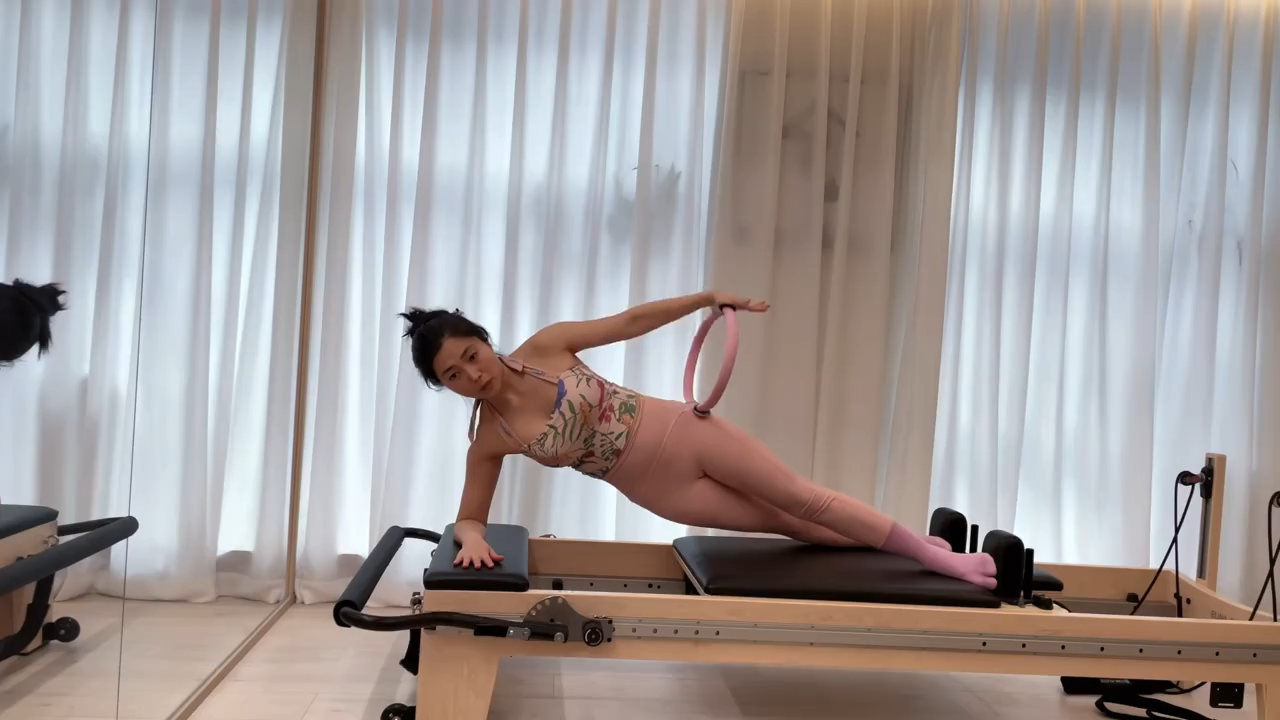
For most people, the 14-inch Fitness Circle (20–25 lbs resistance) is the Goldilocks choice—versatile, comfortable, and effective for full-body workouts. If you’re a beginner, pair it with a foam mat for added support. Advanced users might prefer the Balanced Body Magic Circle (18 inches, 30 lbs) for intense resistance.
Size Selection: Finding Your Perfect Fit
The size of your Pilates ring directly impacts comfort, stability, and effectiveness. Here’s a breakdown of common sizes and their ideal uses:
10–12 Inches (Small)
Best for: Smaller body types, children, or narrow-space workouts (e.g., urban living).
Example: The 10-inch Urban Pilates Ring is lightweight and portable, perfect for travel or beginners focusing on precision movements.
14–16 Inches (Standard)
Best for: Most adults (5’1”–5’11”) and general fitness goals.
Example: The 14-inch Fitness Circle is a popular choice for core activation, glute toning, and upper-body work like chest presses.
18 Inches (Large)
Best for: Taller individuals (6’+), advanced users, or full-body resistance training.
Example: The Pilates Magic Circle in 18 inches offers a wider span for challenging shoulder and back exercises.
Pro Tip: Measure your shoulder width. A properly sized ring should fit snugly under your arms when fully extended.
Resistance Levels: Matching Intensity to Your Goals
Pilates rings come in varying resistance levels, measured in pounds (lbs). Your choice depends on your fitness level and objectives:
Low Resistance (10–15 lbs)
Ideal for: Beginners, rehabilitation, or gentle toning (e.g., postnatal recovery).
Pick: A TPE or foam-covered ring for comfort during prolonged holds.
Medium Resistance (20–30 lbs)
Ideal for: Intermediate users targeting muscle endurance and definition (e.g., side planks, hip bridges).
Pick: A rubber or hybrid ring for balanced feedback.
High Resistance (40+ lbs)
Ideal for: Advanced athletes or power-focused training (e.g., explosive push-ups, lateral jumps).
Pick: A metal-spring core ring for durability under intense pressure.
Pro Tip: Start with a medium-resistance ring (20–25 lbs) for versatility. You can always upgrade as you get stronger.
Key Features to Look For
Material: Opt for TPE (hypoallergenic, non-slip) or latex (natural elasticity) for comfort. Avoid flimsy plastic rings.
Grip Design: Textured handles or foam padding reduce hand fatigue during long sessions.
Home Workouts
Pair your ring with a yoga mat for mat Pilates sessions. Ideal for exercises like side planks, hip bridges, and arm circles.
Example: Use a 14-inch Fitness Circle with a non-slip mat for stability during core work.
Where to Use Your Pilates Ring
Home Workout
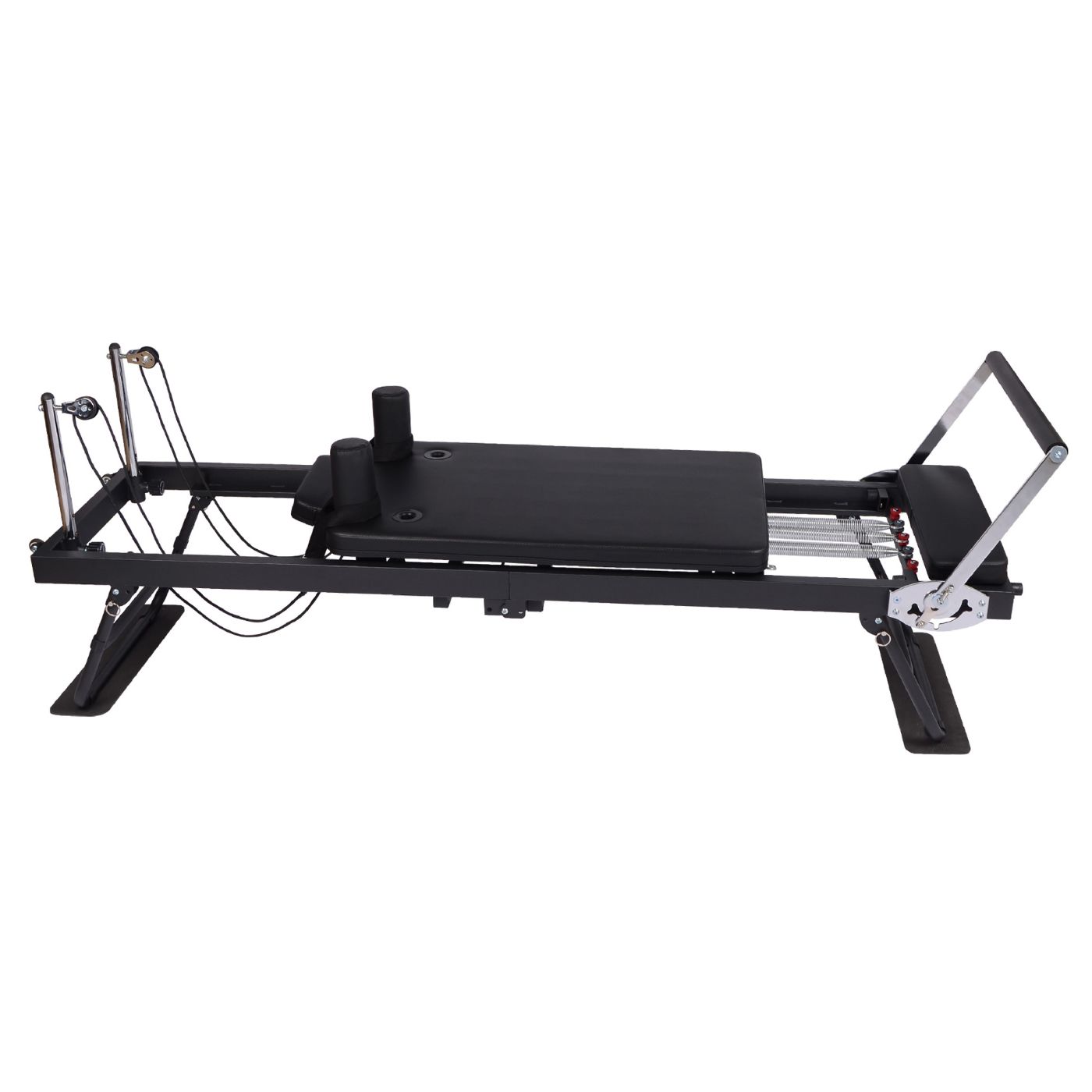
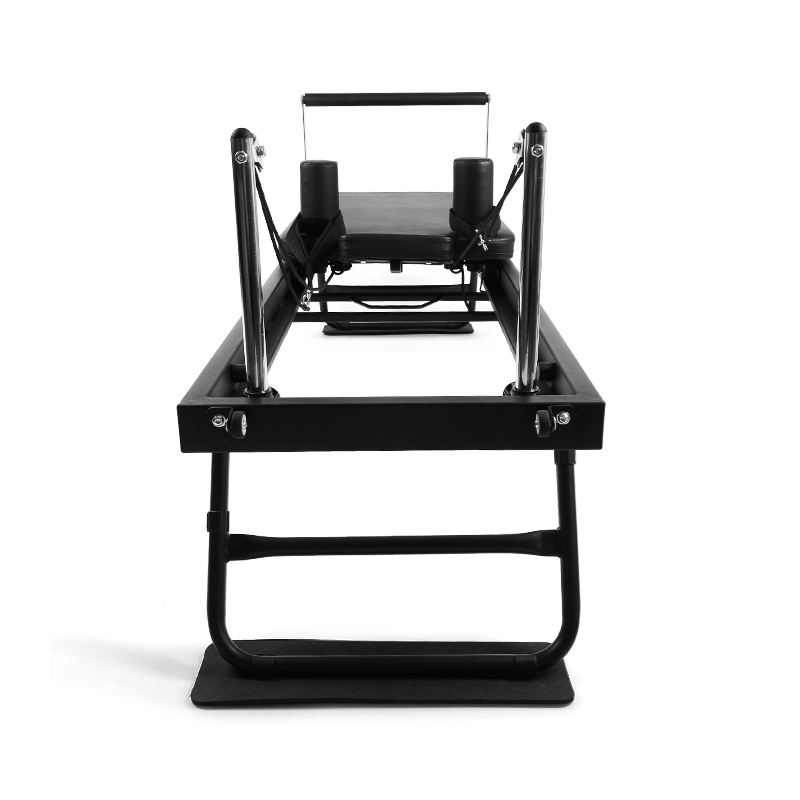
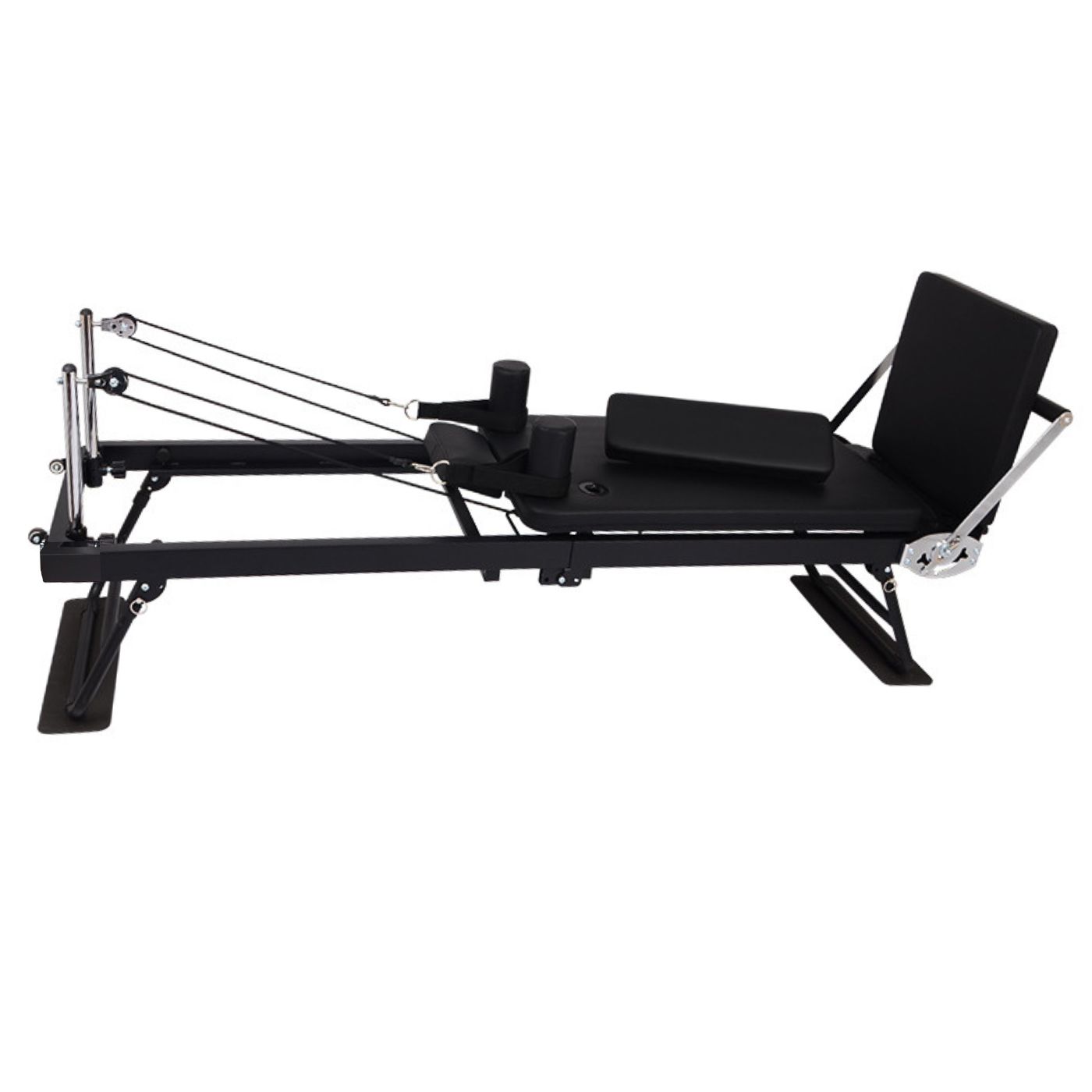
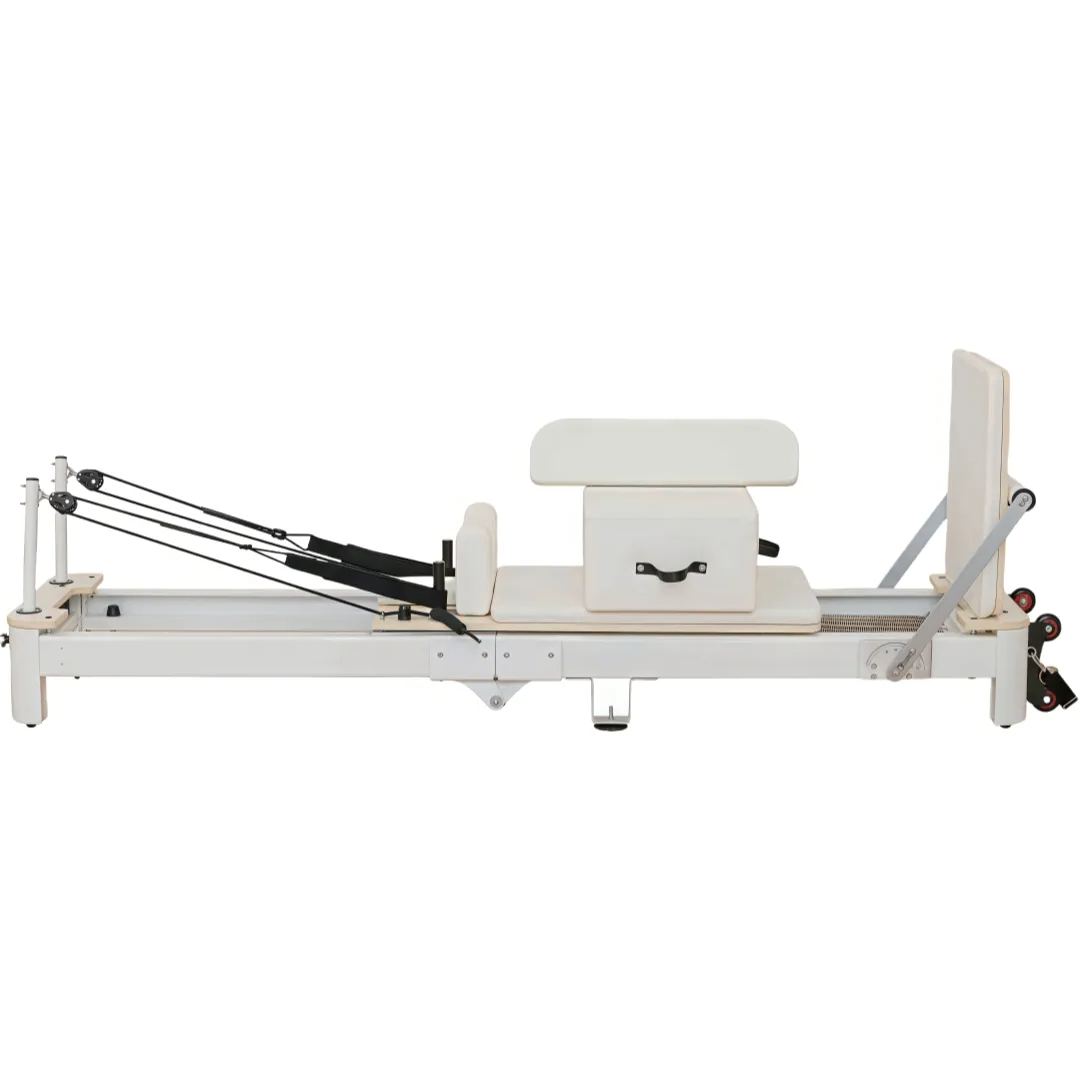
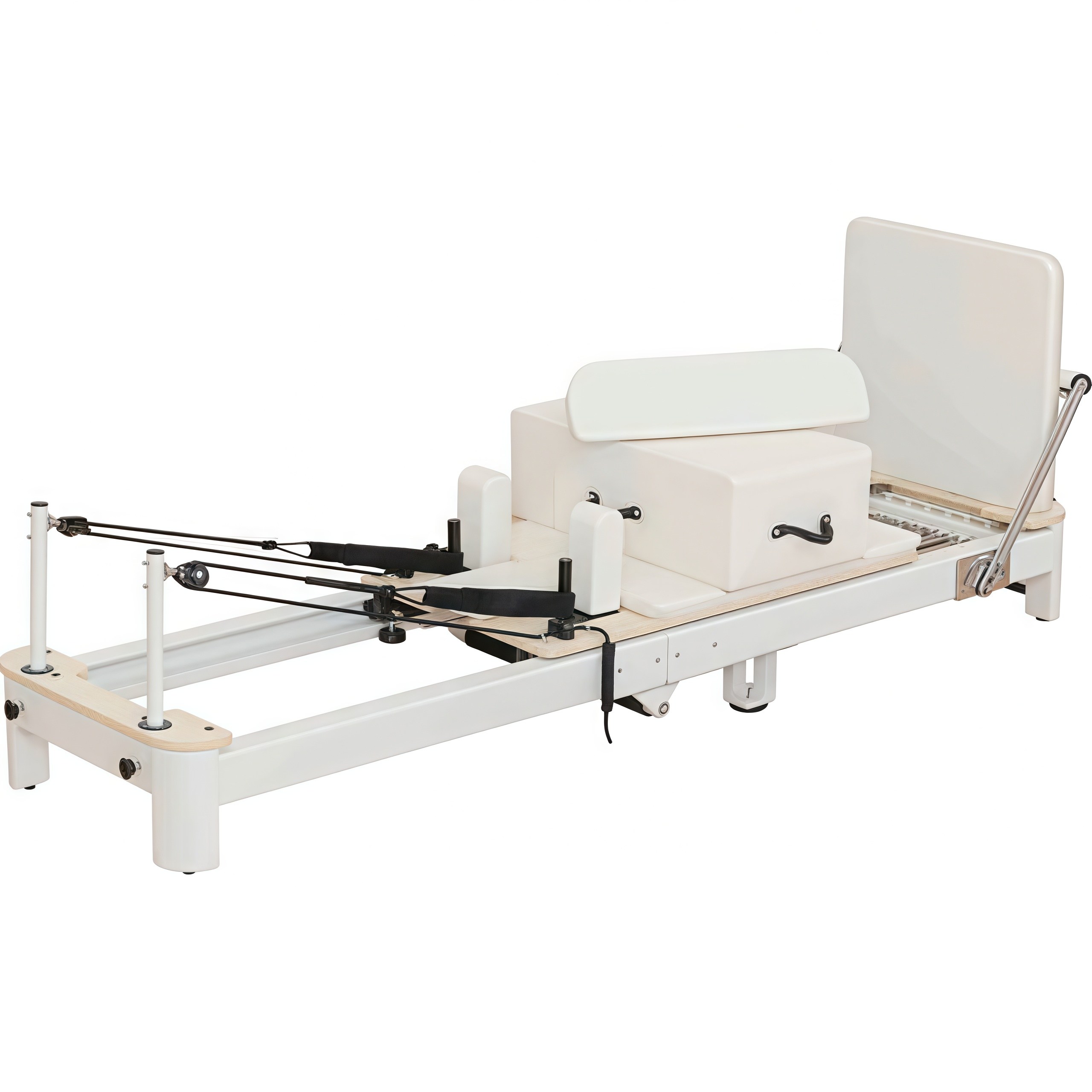
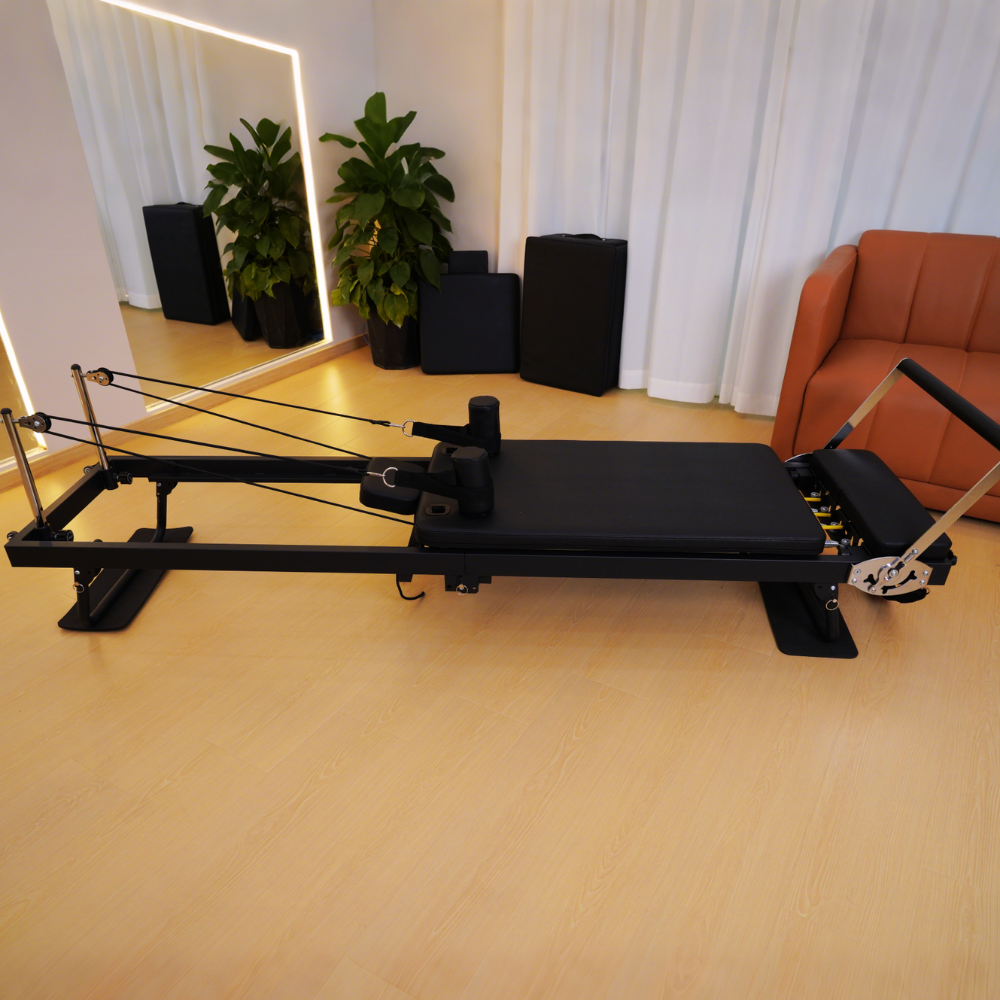
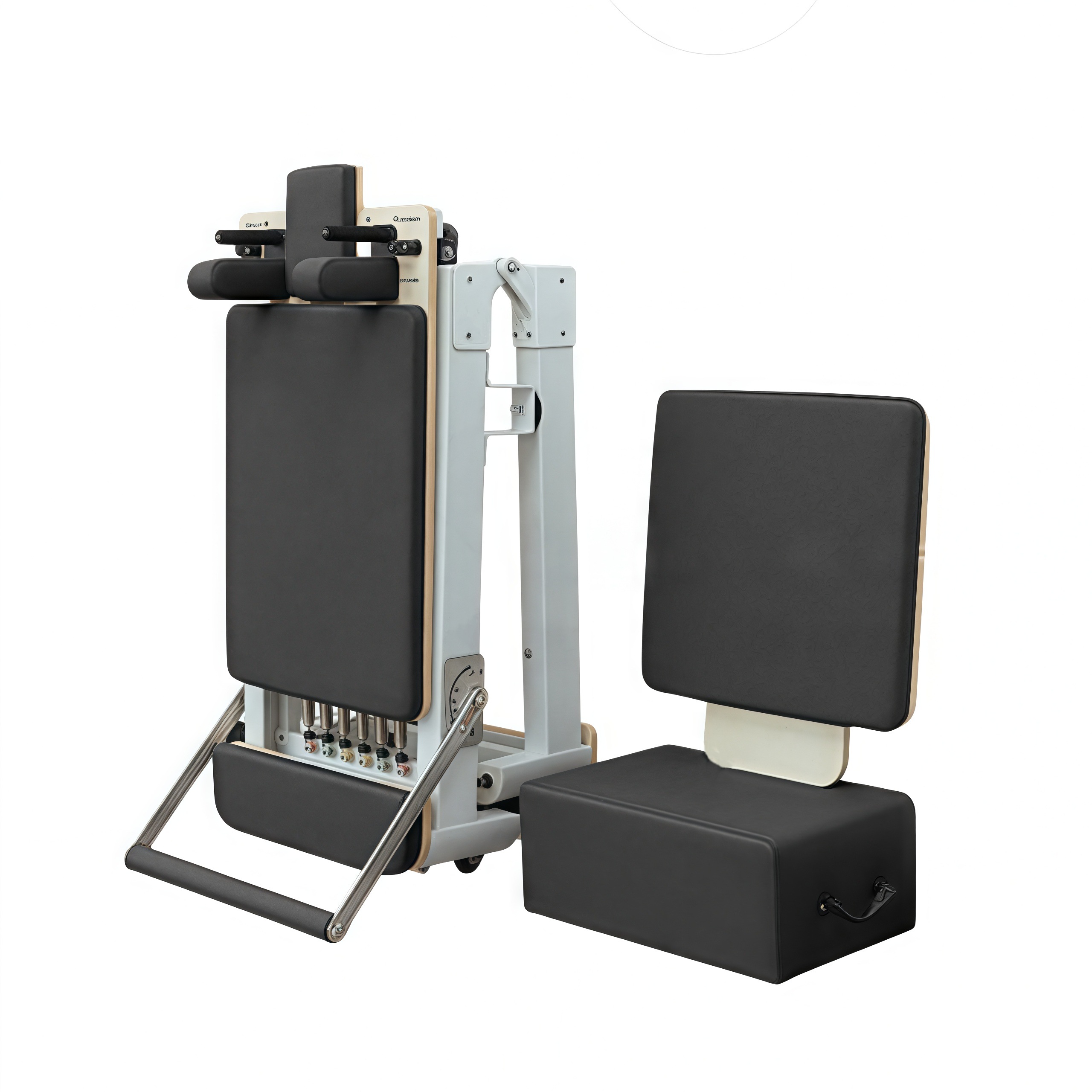
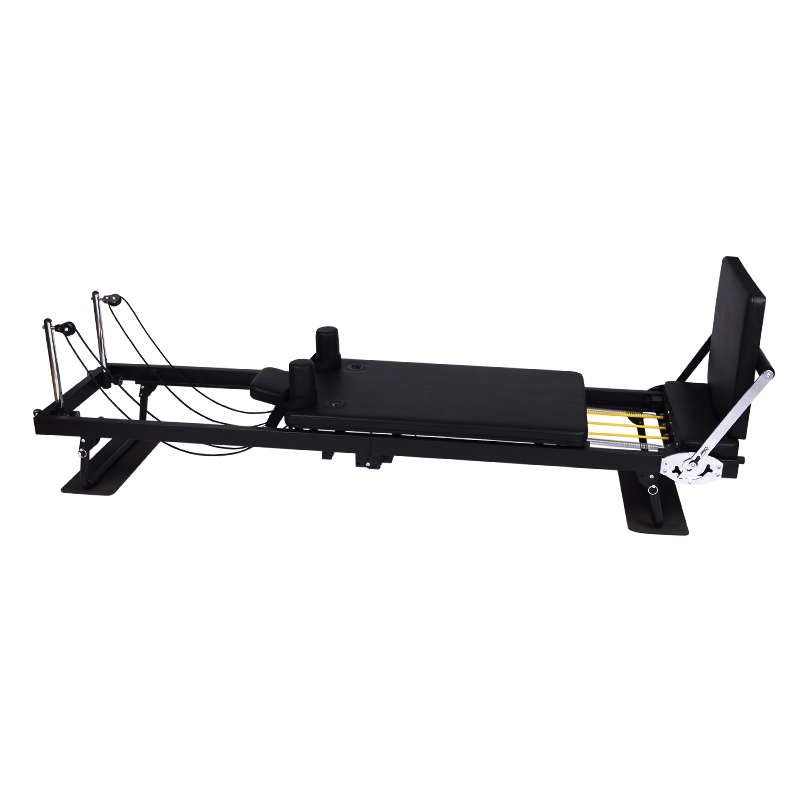
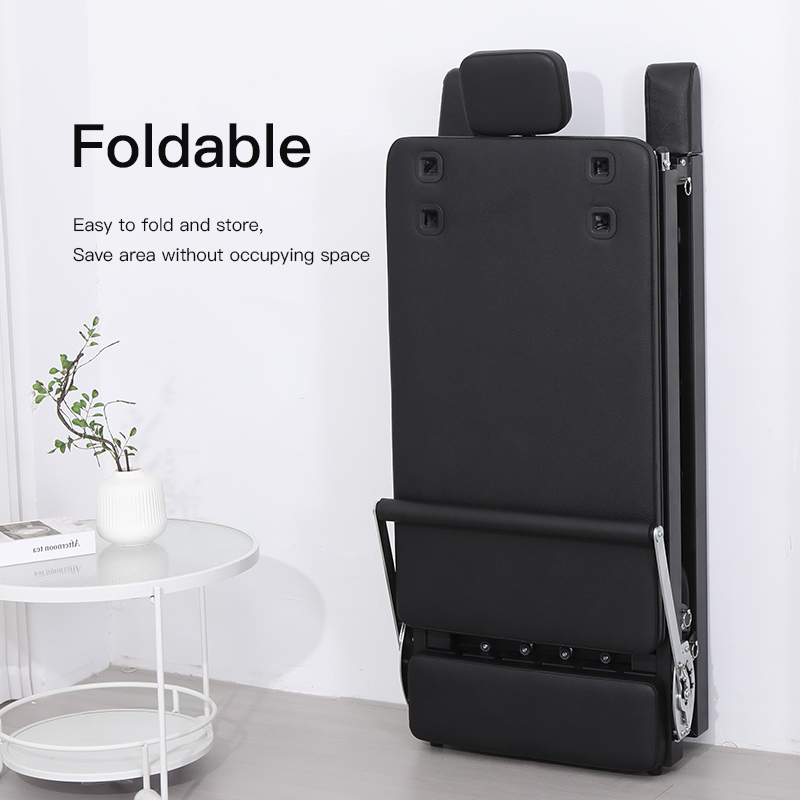
Many Pilateslovers incorporate fitness rings into reformer or Cadillac workouts for added resistance.
Example: On a Reformer, use a 14 Inch Magic Circle between your legs during footwork exercises to target inner thighs.
Travel-Friendly Workouts
Opt for a 10-inch Urban Pilates Ring for portable, space-saving sessions in hotels or parks.
Rehabilitation Settings
Thick foam-covered rings (e.g., Gaiam Essentials Ring) are often used in physical therapy for gentle joint mobilization.
Pairing Your Pilates Ring with Other Equipment
For a full-body workout, combine your magic circle with these popular Pilates tools:
- Yoga Mat
Essential for mat-based exercises like single-leg stretches or the Hundred. - Pilates Reformer
Attach the ring to the reformer’s straps for challenging chest presses or seated rows. - Cadillac (Wunda Chair)
Use the ring between your knees during chair exercises to engage the inner thighs. - Resistance Bands
Loop a band around the ring for compound movements like overhead presses or lateral raises. - Foam Roller
After your session, use the roller to release tight muscles like the IT band or shoulders.
FAQs About Pilates Ring Sizes
.png?w=1400&h=1400)
.jpeg?w=1400&h=1400)
.jpeg?w=4000&h=4000)
.jpeg?w=4000&h=4000)
.jpeg?w=2560&h=2560)
.jpeg?w=800&h=800)
.jpeg?w=743&h=743)