.png?w=1400&h=1400)
.png?w=1200&h=1200)
.png?w=1000&h=1000)
.png?w=1400&h=1400)
.jpeg?w=800&h=800)
.jpeg?w=800&h=800)
-0.jpeg?w=800&h=800)
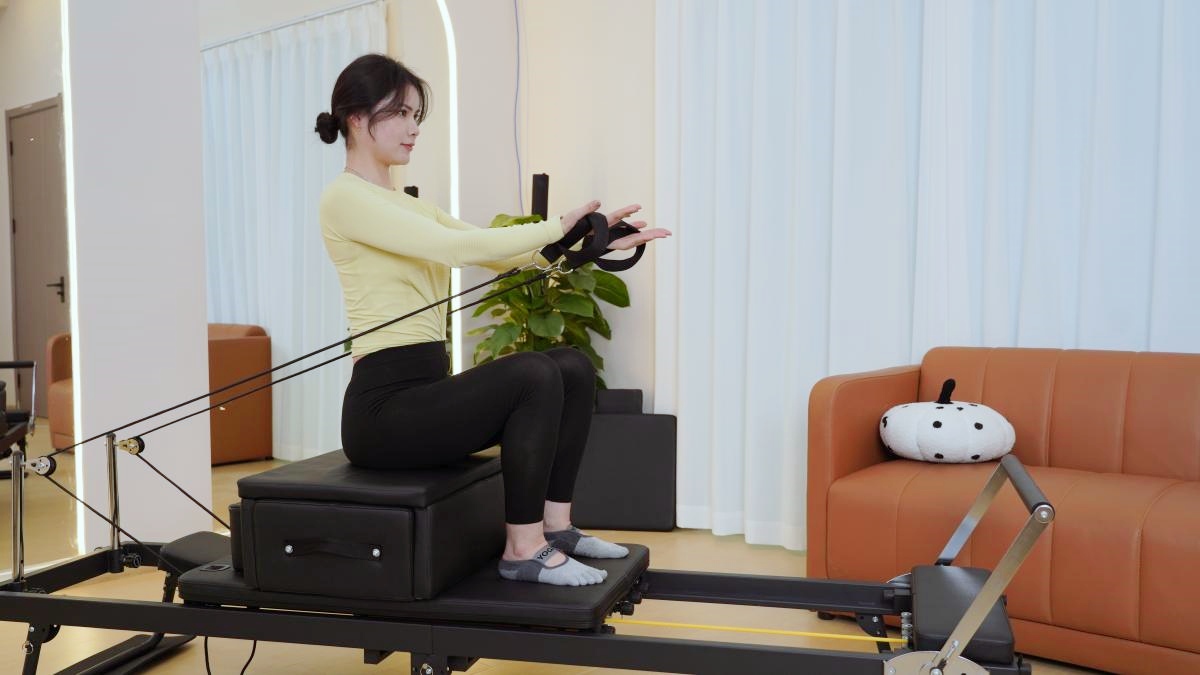
In a world where slouched shoulders and hunched backs have become all too common due to endless hours spent glued to screens, the quest for better posture has never been more urgent. Two popular contenders in the posture-improvement arena are yoga and Pilates. Both promise to transform your alignment, but as a yoga teacher playing devil's advocate, I'm here to argue that Reformer Pilates might just offer more consistent and impactful results—especially when it comes to achieving long-term postural balance. Let's dive into the science, philosophy, and practicalities of each practice to see which one comes out on top for posture.
The High Stakes of Poor Posture: Why Alignment Matters Beyond Aesthetics
Before we pit these two practices against each other, let's acknowledge the gravity of poor posture. It's not just about standing taller or looking more confident (though those are nice perks). Chronic misalignment can:
- Trigger pain: Strain your neck, shoulders, and lower back, leading to chronic discomfort.
- Limit mobility: Tighten muscles and restrict joint range of motion, making everyday movements feel stiff.
- Impair vital functions: Compress your diaphragm, reducing lung capacity and oxygen flow, and constrict blood vessels, affecting circulation.
- Damage long-term health: Contribute to musculoskeletal disorders, including herniated discs and spinal degeneration.
Addressing posture isn't a vanity project—it's a foundational step for overall physical and mental well-being. Now, let's see how yoga and Pilates tackle these issues.
Yoga: The Ancient Path to Flexibility and Mind-Body Harmony
The Yoga Approach to Posture
Yoga, a practice rooted in ancient Indian philosophy, takes a holistic approach to alignment. It combines physical poses (asanas), breathwork (pranayama), and mindfulness to:
- Lengthen the spine: Poses like Mountain Pose (Tadasana) and Cat-Cow (Marjaryasana/Bitilasana) encourage spinal elongation, countering the collapse of slouching.
- Build functional strength: Core-engaging poses like Plank (Kumbhakasana) and Boat Pose (Navasana) strengthen the muscles that support upright posture.
- Cultivate awareness: Through mindfulness and breath, yoga teaches you to feel when your posture deviates, allowing you to correct habits in real time.
The Limitations for Posture Perfection
While yoga is incredible for flexibility and mental relaxation, its effectiveness for precise postural alignment has caveats:
- Variability in instruction: Yoga's vast array of styles (Hatha, Vinyasa, Ashtanga) and loose certification standards mean quality can vary widely. A poorly cued pose might even reinforce imbalances.
- Flexibility without control: Excessive focus on stretching without equal emphasis on core stability can lead to "lax" posture—think overly arched backs or hypermobile joints that lack the strength to hold alignment.
- Spiritual vs. structural goals: Yoga's philosophical roots prioritize mind-body-soul balance over anatomical precision. While this is beautiful for holistic health, it may not address the mechanical flaws caused by modern sedentary lifestyles.
Pilates, Especially Reformer Pilates: The Engineered Solution for Structural Alignment
The Pilates Philosophy: From Rehabilitation to Postural Mastery
Developed by Joseph Pilates in the early 20th century as a rehabilitation tool for soldiers, Pilates is a precision-engineered system focused on core stability and controlled movement. Unlike yoga, Pilates (especially on the Reformer) operates on the "inside-out" principle: strengthen the deep core muscles (transverse abdominis, pelvic floor, and spinal stabilizers) to create a stable foundation for the entire body.
Why Reformer Pilates Shines for Posture
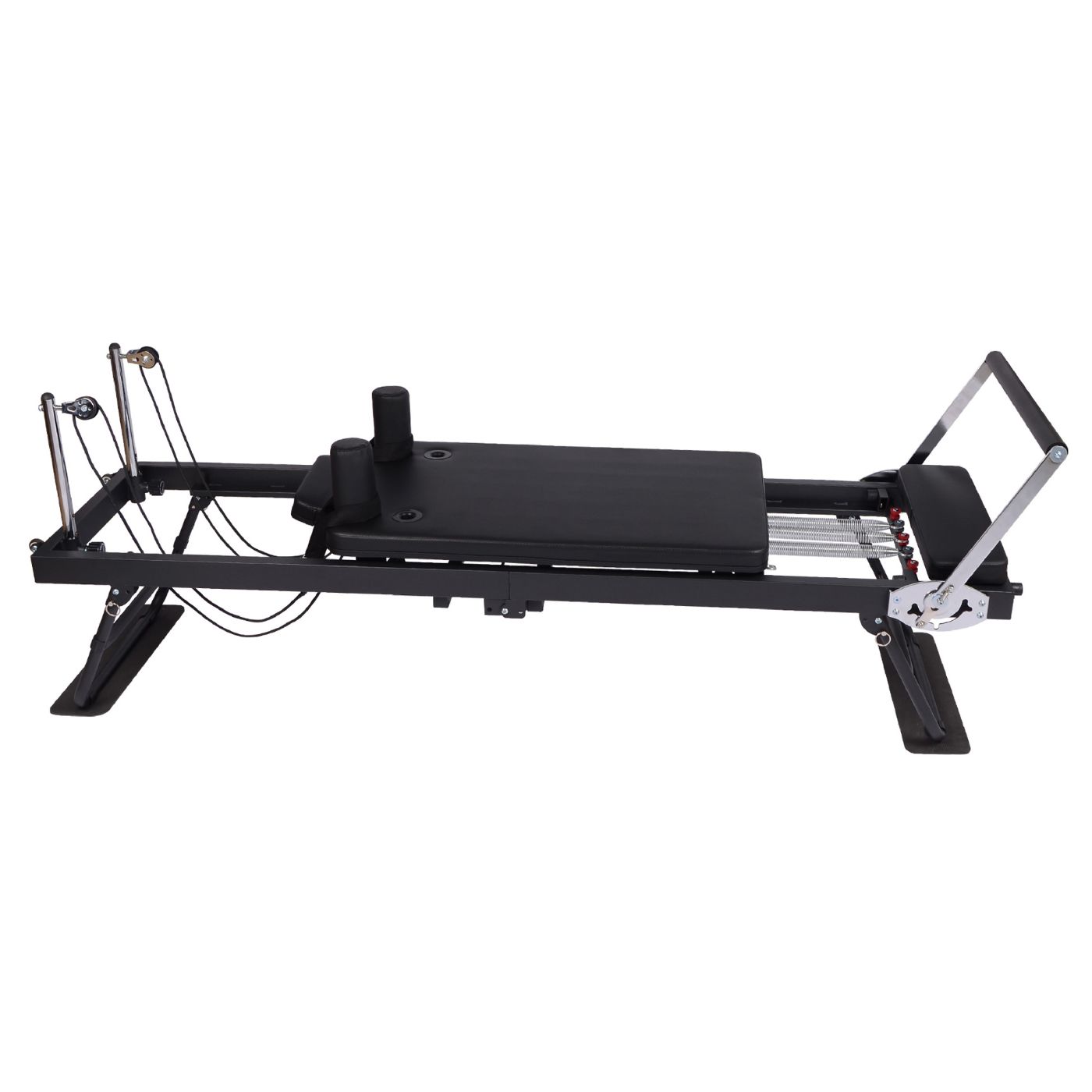
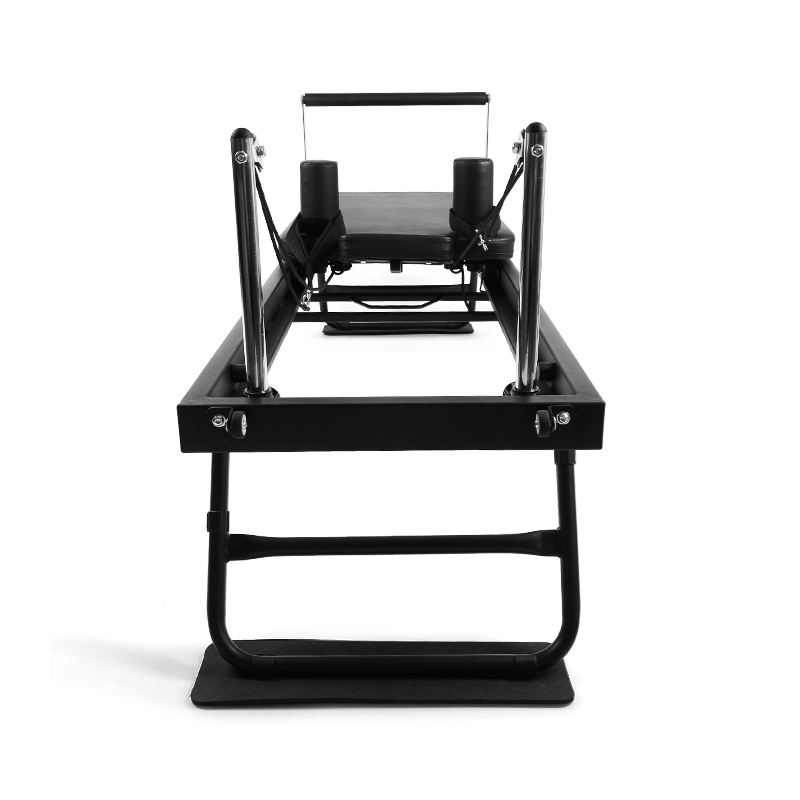
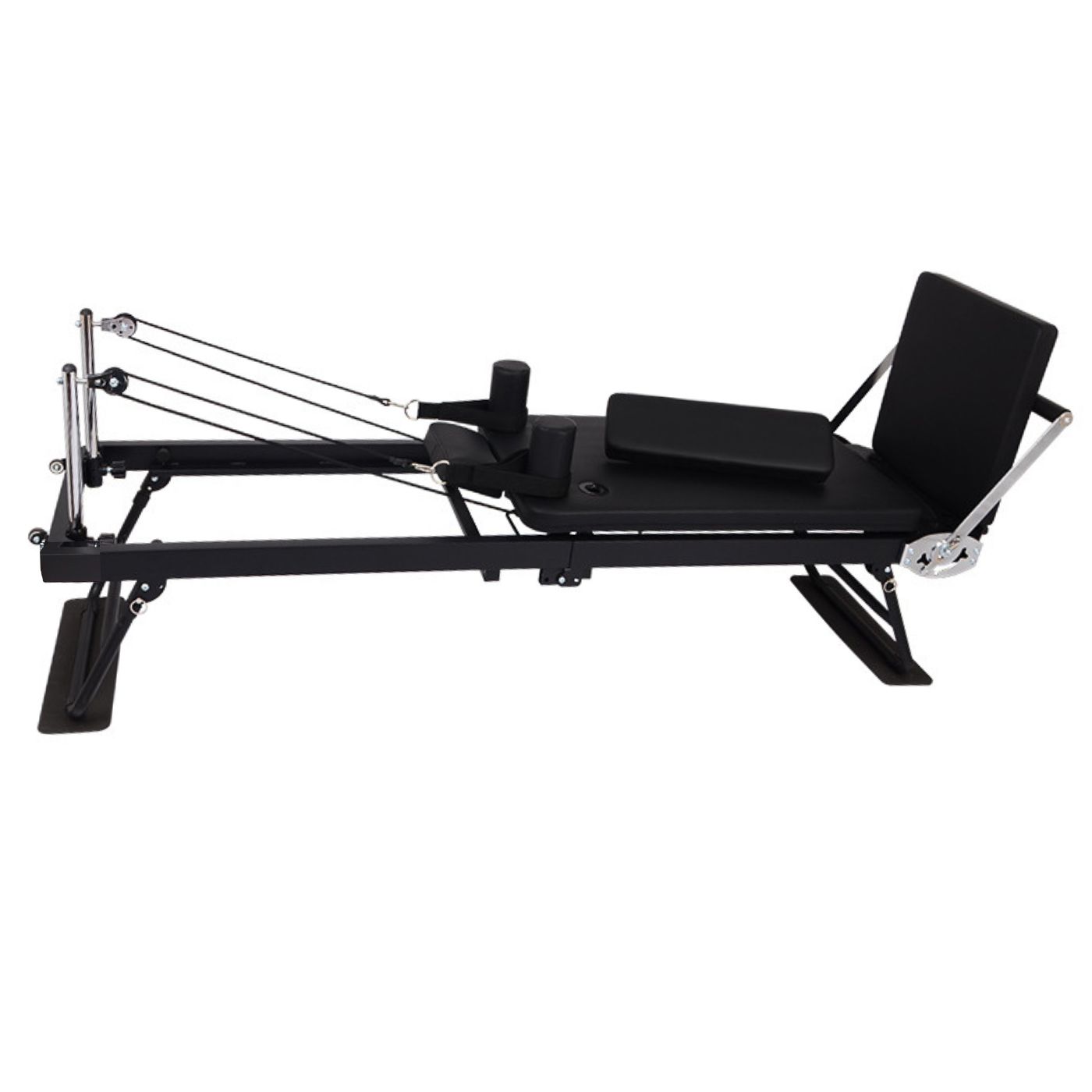
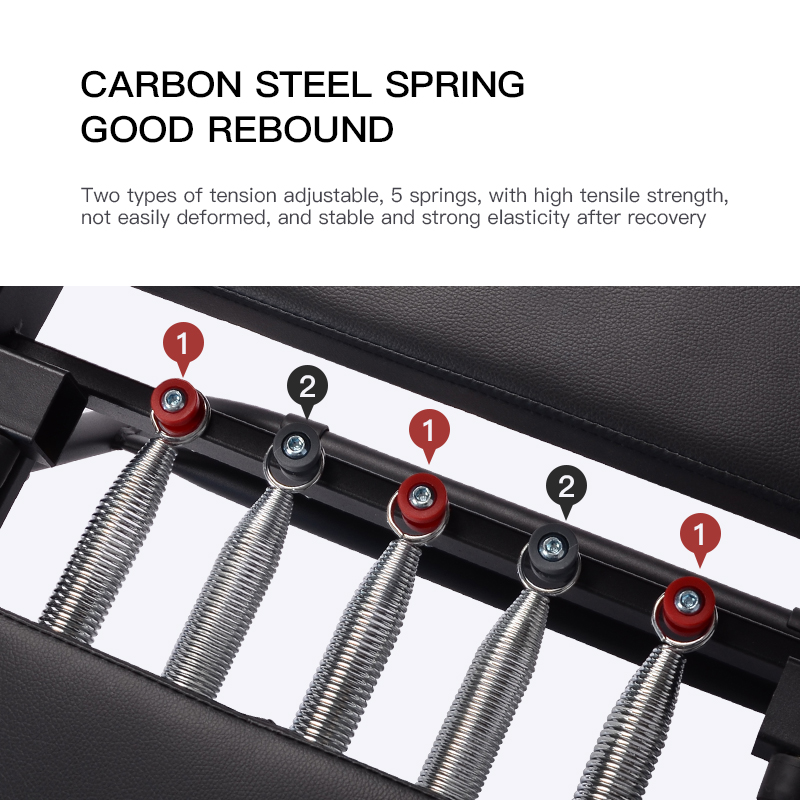
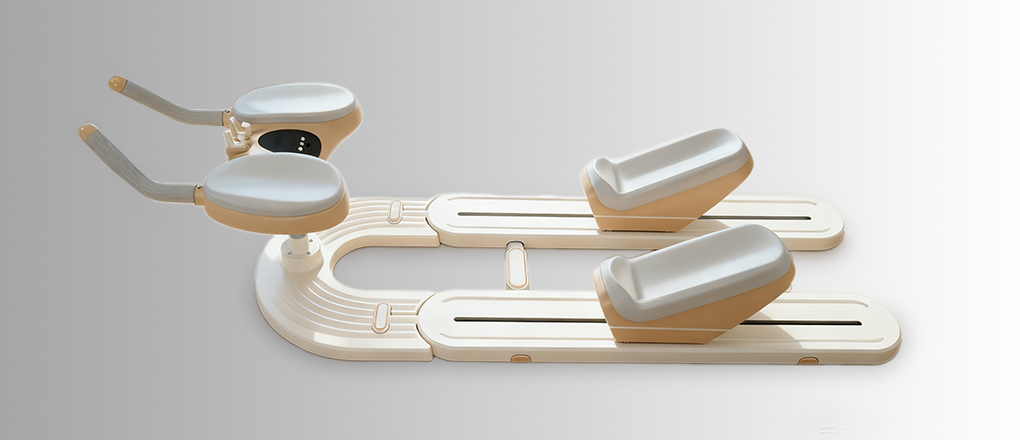
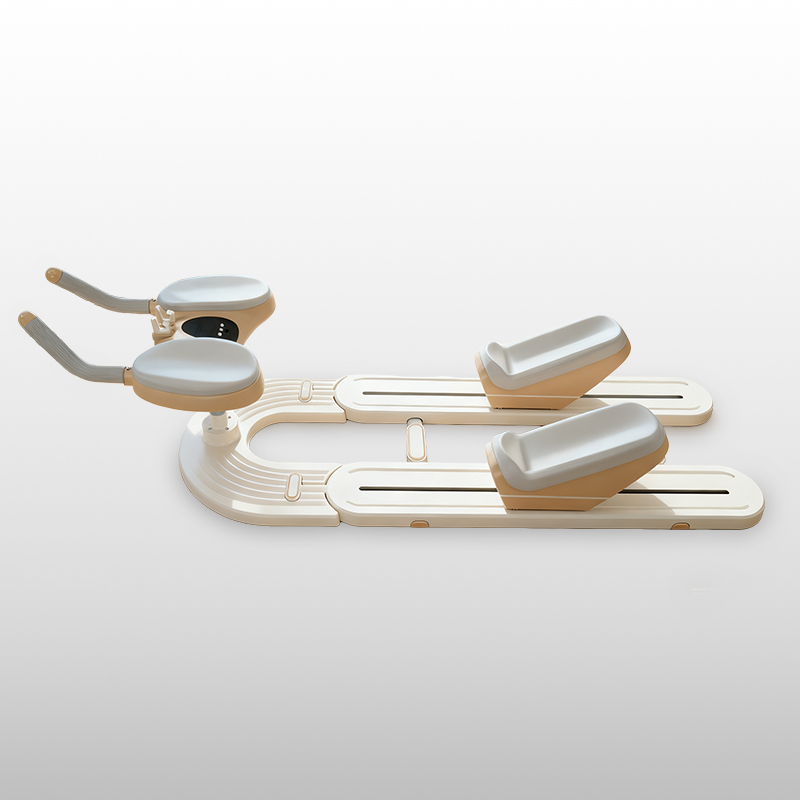
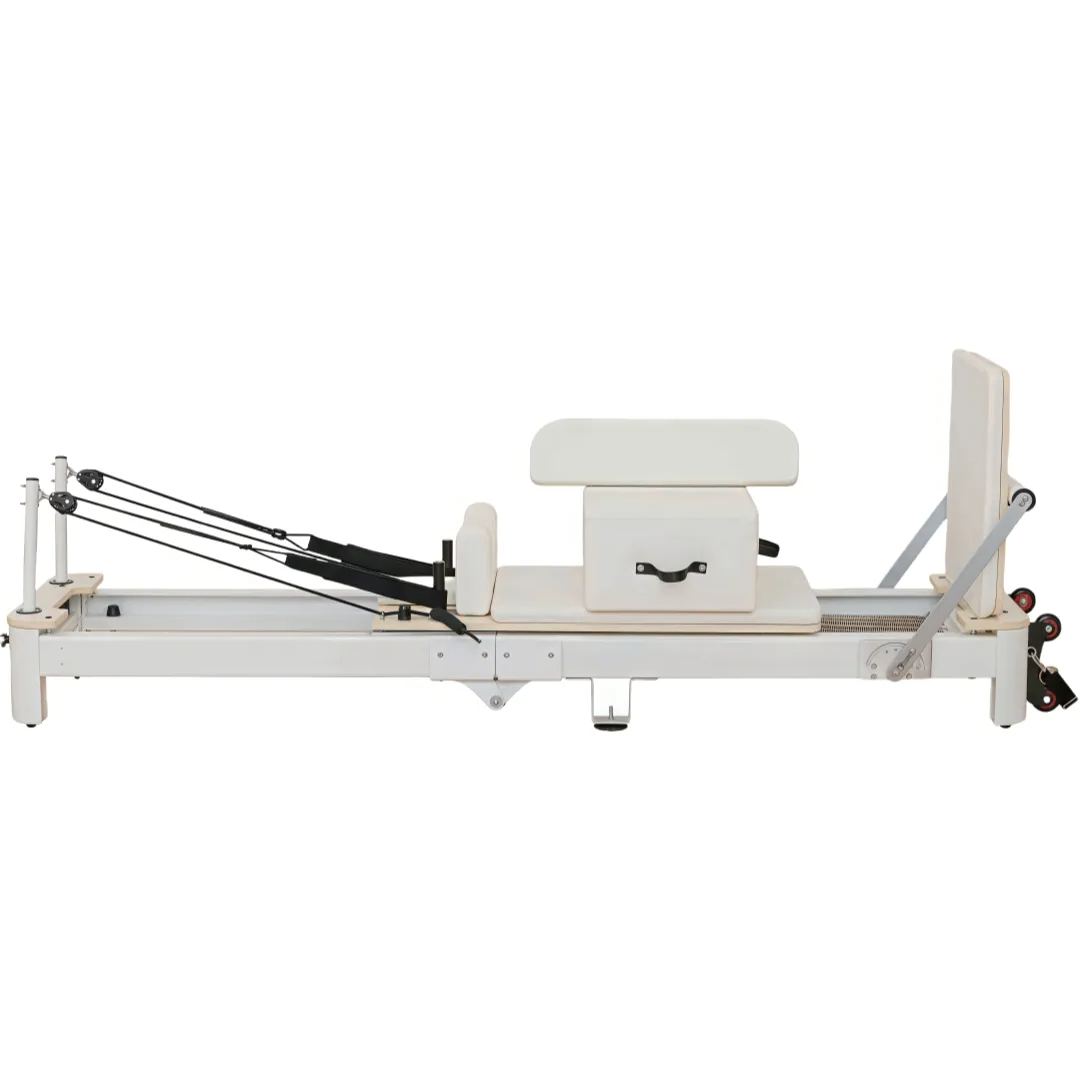
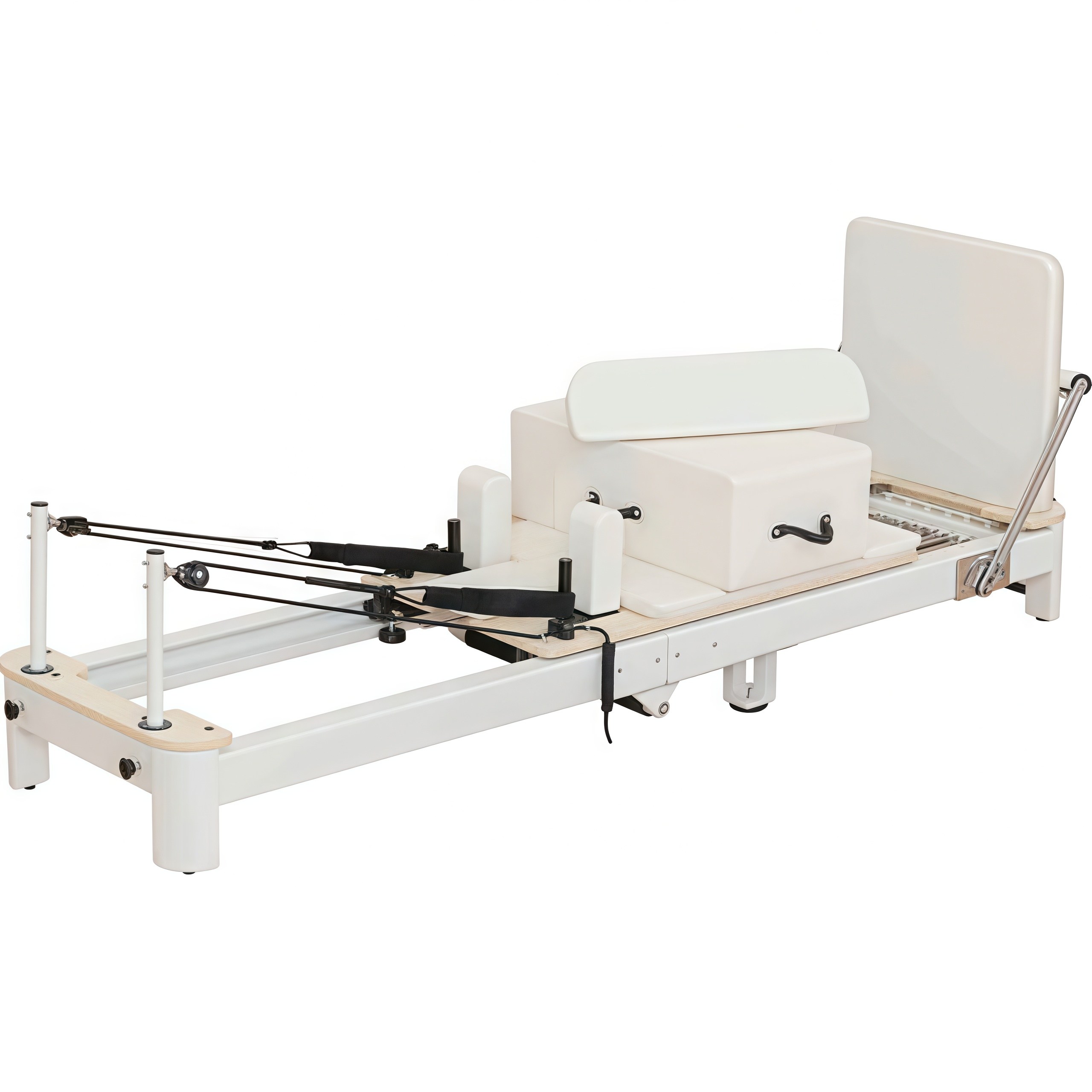
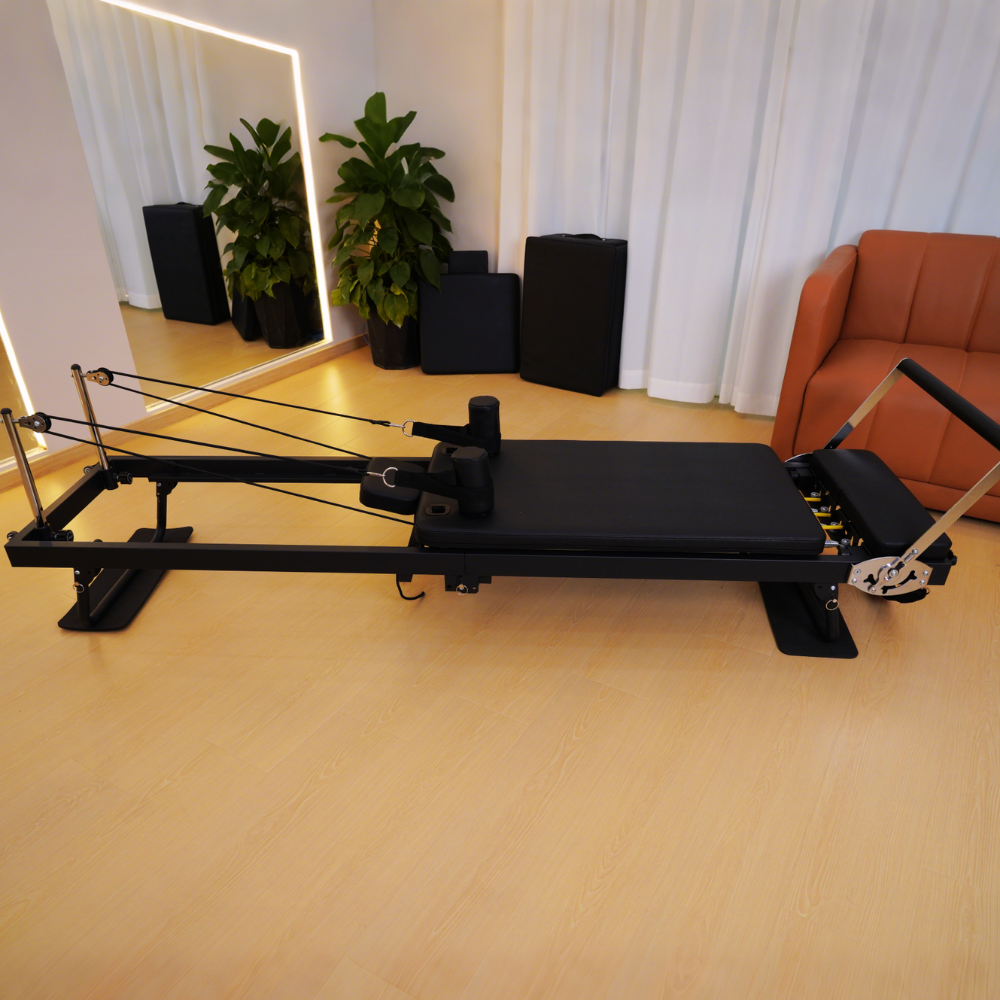
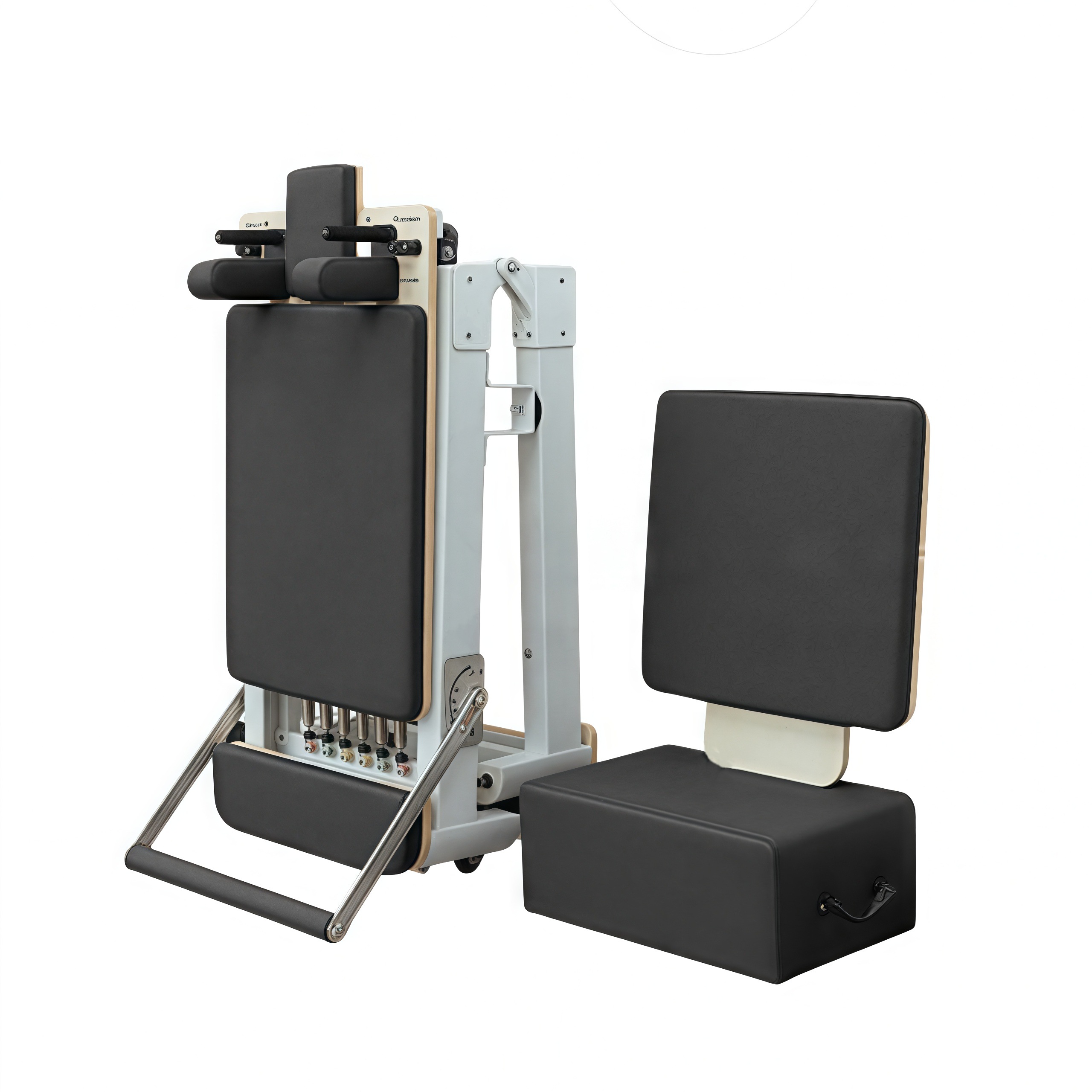
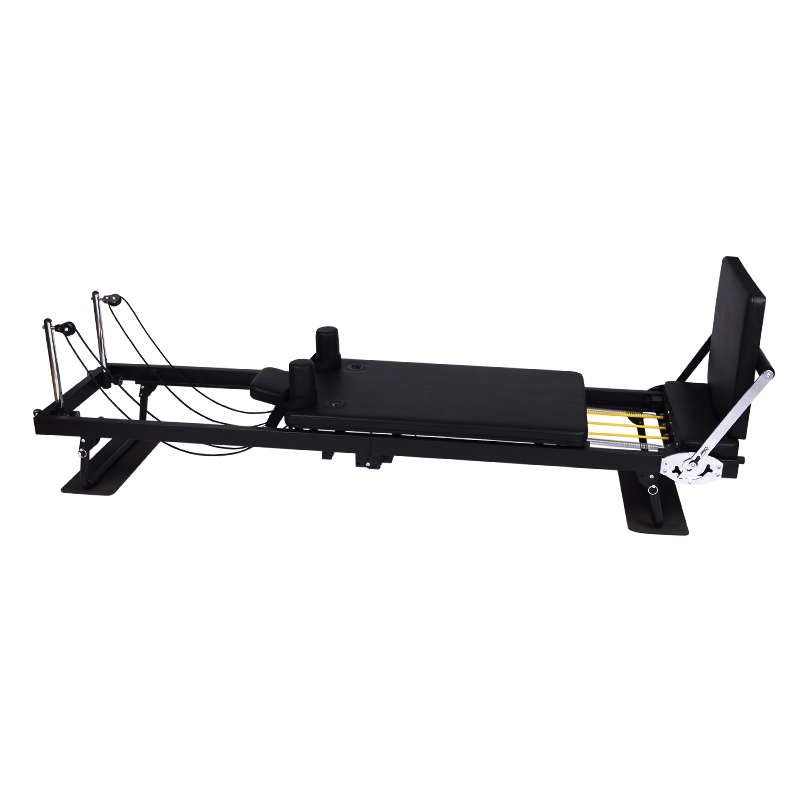
- The Magic of Resistance: Targeted Muscle ActivationThe Reformer's springs add resistance to every movement, forcing your muscles to work dynamically to maintain alignment. Exercises like the Hundred (core endurance) and Spine Corrector (thoracic extension) specifically target the muscles that pull your shoulders back and lift your chest, combating the "text neck" and rounded shoulders epidemic. Unlike mat Pilates, the Reformer's adjustable resistance allows for progressive overload, ensuring muscles grow stronger over time to hold better posture effortlessly.
- Precision Over Flow: A Structured Approach to FormPilates thrives on precision. Every movement has a specific starting position, range of motion, and muscle focus. Instructors are trained to cue anatomical details—think "draw your shoulder blades down your back" or "engage your pelvic floor"—ensuring you're not just going through the motions but actively correcting imbalances. This level of specificity is rare in group yoga classes, where teachers often can't adjust each student's alignment individually.
- Rehabilitation Roots: Fixing Imbalances at the SourcePilates was born in physical therapy clinics, making it ideal for addressing postural dysfunction caused by injuries or muscle asymmetries. For example, if one hip is tighter than the other (a common issue from sitting), Reformer exercises like Side Leg Lifts with spring resistance can strengthen the weaker side and stretch the tighter one, gradually balancing your pelvis. Yoga, while adaptable, lacks this systematic approach to correcting specific structural flaws.
- Research-Backed Results: The 12-Week Posture TransformationStudies show that consistent Reformer Pilates practice (3 times a week for 12 weeks) significantly improves postural strength and reduces lower back pain. The controlled, resistance-based movements enhance muscle endurance, meaning your body can maintain upright posture for longer—even during long days at the office. Yoga, while beneficial, hasn't shown the same level of consistent structural improvement in clinical trials, likely due to its varied intensity and focus on flexibility over controlled strength.
- Uniform Certification: Quality You Can TrustPilates certifications, especially for Reformer training, are notoriously rigorous. Instructors must complete hundreds of hours of hands-on training and demonstrate mastery of anatomical principles. This standardization means you're far less likely to encounter poor form guidance in Pilates studios compared to yoga classes, where certification requirements can be minimal. When it comes to posture, which relies on precise muscle activation, this consistency is key.
Head-to-Head: Yoga vs. Reformer Pilates for Key Postural Goals
|
Criteria
|
Yoga
|
Reformer Pilates
|
|
Core Engagement
|
Focuses on superficial core muscles (rectus abdominis) in poses like Plank; balance-driven core activation.
|
Targets deep core stabilizers (transverse abdominis, multifidus) through sustained, resisted movements; core is the foundation of every exercise.
|
|
Spinal Alignment
|
Encourages spinal awareness through mindful poses; may lack targeted correction for specific curves (e.g., excessive kyphosis in the upper back).
|
Uses springs and straps to traction the spine, decompress discs, and actively engage muscles to maintain natural spinal curves; ideal for fixing hunching.
|
|
Muscle Balance
|
Stretches tight muscles but may not equally strengthen weak ones, especially in complex poses.
|
Systematically addresses muscle imbalances by isolating weak areas (e.g., underactive glutes) and challenging them with resistance, ensuring balanced strength.
|
|
Consistency of Results
|
Highly dependent on instructor skill and student mindfulness; results vary widely.
|
Structured programming and precise cues lead to predictable improvements in alignment and muscle endurance.
|
|
Adaptability for Pain
|
Modifiable for injuries but requires self-awareness to avoid strain in deep stretches.
|
Rehab-focused; springs allow for low-impact, pain-free resistance training that supports healing while improving posture.
|
Who Should Choose Which? A Practical Guide
Choose Yoga If...
- You value stress relief and mental relaxation alongside physical benefits.
- You prefer fluid, rhythmic movement and enjoy the spiritual/philosophical aspects of practice.
- You have good baseline core strength and want to enhance flexibility and body awareness.
Choose Reformer Pilates If...
- Your primary goal is structural alignment and correcting specific postural issues (e.g., rounded shoulders, anterior pelvic tilt).
- You have a history of injury or muscle imbalances—Pilates' rehabilitation focus is ideal for safe, targeted strengthening.
- You thrive in a structured, goal-oriented environment with clear progress metrics (e.g., improved ability to hold a neutral spine all day).
The Best of Both Worlds: Combining Yoga and Pilates
While I'm advocating for Reformer Pilates as the posture powerhouse, there's no reason to ditch yoga entirely. Pairing Pilates' core stability and structural correction with yoga's flexibility and mindfulness creates a synergistic effect:
- Pilates first: Build a strong, aligned foundation with Reformer sessions.
- Yoga second: Use gentle stretching and breathwork to maintain mobility and reinforce the mind-body awareness of good posture.
Beyond the Mat: Other Posture Tools to Consider
If sweating isn't your style, practices like the Alexander Technique (teaching conscious movement to eliminate tension) or Feldenkrais Method (improving movement through neuroplasticity) offer non-exercise approaches to alignment. However, for active, measurable change, Pilates—especially on the Reformer—remains unmatched in its ability to rebuild your body from the core out.
The Verdict: Reformer Pilates for Posture, Yoga for the Soul
As a yoga teacher, it pains me to say it, but the evidence is clear: Reformer Pilates is more effective for achieving and sustaining optimal posture. Its focus on precise, resisted core activation, rehabilitation-oriented programming, and standardized instruction addresses the mechanical flaws caused by modern life far better than even the most mindful yoga practice. That's not to say yoga doesn't have its place—its benefits for mental health, flexibility, and overall body awareness are invaluable. But when it comes to fixing postural imbalances and creating a strong, aligned body that can withstand the pressures of daily life, Reformer Pilates takes the crown.
.png?w=1400&h=1400)
.jpeg?w=1400&h=1400)
.jpeg?w=4000&h=4000)
.jpeg?w=4000&h=4000)
.jpeg?w=2560&h=2560)

.jpeg?w=800&h=800)
.jpeg?w=743&h=743)