.png?w=1400&h=1400)
.png?w=1200&h=1200)
.png?w=1000&h=1000)
.png?w=1400&h=1400)
.jpeg?w=800&h=800)
.jpeg?w=800&h=800)
-0.jpeg?w=800&h=800)
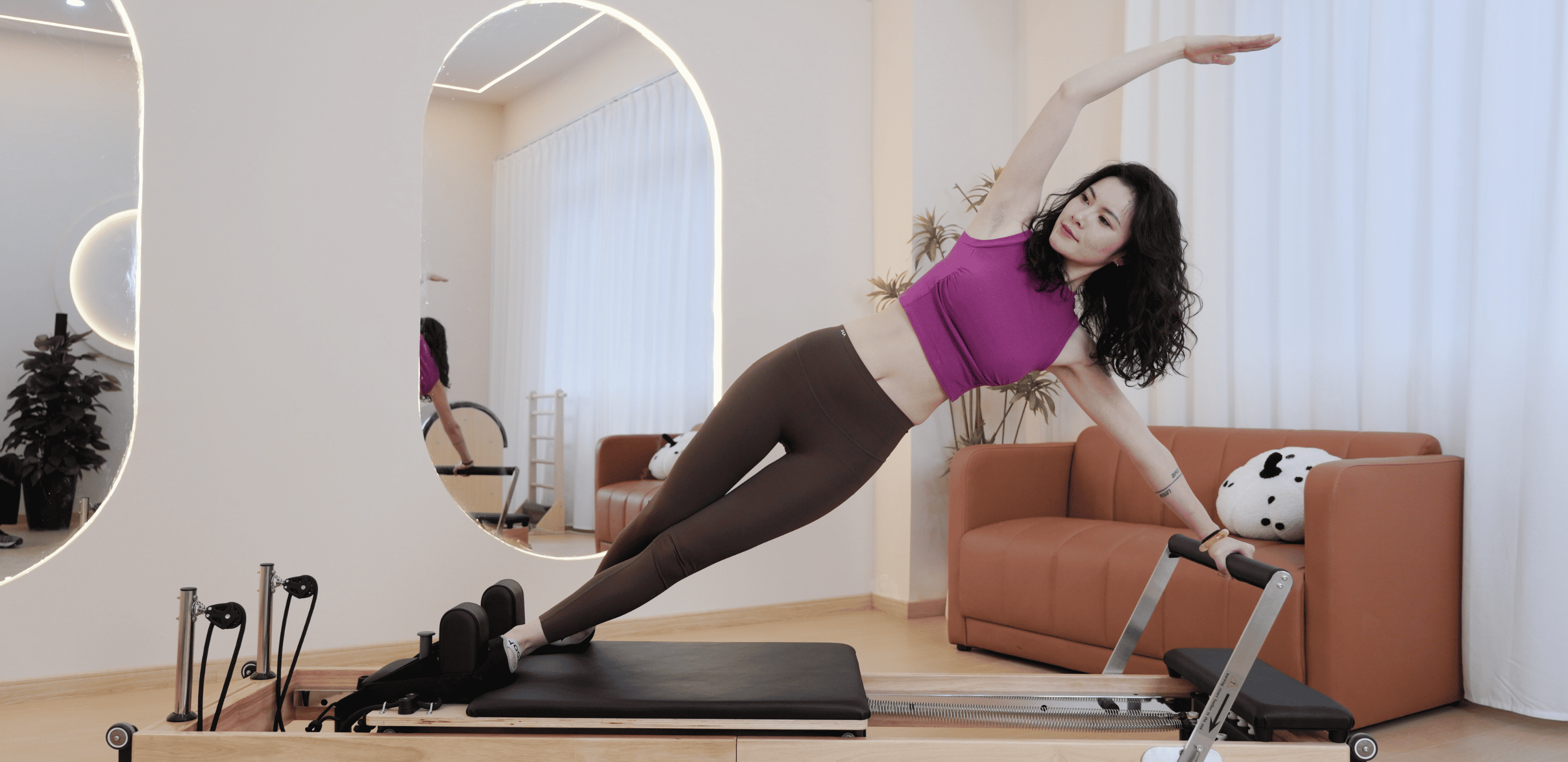
Enhancing Core Strength: Pilates places a special emphasis on the exercise of the core muscle group, which is crucial for maintaining body balance, improving posture, preventing back pain, and increasing the efficiency of daily activities. The core muscles serve as the foundation of the body, providing stability and support for all movements. By strengthening these muscles, Pilates helps to create a strong center that can lead to better athletic performance and a reduced risk of injury.
- Improving Posture and Alignment: Pilates helps to correct poor posture and alignment through precise movement control and body alignment exercises, leading to a more upright and graceful body. By focusing on proper alignment, Pilates can help alleviate the strain on the spine and joints, resulting in a more comfortable and pain-free existence.
- Increasing Flexibility and Mobility: The stretching and flexibility training in Pilates can increase joint flexibility and range of motion, reducing the risk of injury. This increased flexibility can also contribute to a greater ease of movement and a higher quality of life, especially as we age.
- Enhancing Muscular Endurance and Coordination: Pilates movements require precise control of muscle contraction and relaxation, thereby improving muscular endurance and coordination. This heightened awareness of muscle control can lead to more efficient and effective movement patterns, which can be beneficial in all aspects of daily life and sports.
- Promoting Cardiorespiratory Health: Pilates can also promote cardiorespiratory function to some extent, especially when combined with breathing exercises, which can effectively improve respiratory efficiency and enhance cardiorespiratory endurance. This can lead to better oxygen utilization and overall fitness levels.
- Relieving Back Pain: Pilates trains deep abdominal and pelvic floor muscles, which support internal organs like a scaffold, protecting and stabilizing the spine. By strengthening these often-neglected muscles, Pilates can provide significant relief from back pain and improve spinal health.
- Preventing Injuries: Pilates balances the body's muscles, preventing them from being overly lax or overly tense, thereby reducing the risk of sports injuries. This balanced approach to muscle training can lead to a more resilient body that is better equipped to handle the demands of physical activity.
- Bringing Energy to the Body: By focusing on breathing, Pilates improves the trainee's cardiorespiratory function, bringing energy to the body. The deep, controlled breathing used in Pilates not only enhances lung capacity but also promotes relaxation and stress reduction.
- Improving Muscle Imbalance: Pilates can correct muscle imbalances, strengthen core strength in the waist and abdomen, and improve body shape to prevent chronic strain. By targeting specific muscle groups and promoting symmetry in strength and flexibility, Pilates can help to create a more harmonious and efficient body.
- Rehabilitation Therapy: Pilates rehabilitation exercises are comparable to physical therapy, helping to treat muscle injuries and improve conditions such as hunched back, pelvic retroversion, and anteversion, which are related to spine or skeletal diseases. The low-impact nature of Pilates makes it an ideal form of exercise for those recovering from injuries or managing chronic pain.
Practicing Pilates at home offers numerous benefits, including flexibility in scheduling, personalized training tailored to your fitness goals, significant cost savings on gym memberships and classes, and the convenience of a private space that accommodates your practice anytime. It also enhances family interaction, allows for environmental control, reduces stress, and provides a focused, customizable setup that optimizes your workout experience.
- Flexibility: Practicing Pilates at home allows you to adjust your practice time according to your own schedule, without being limited by the operating hours of a gym.
- Personalized Training: You can design a personalized Pilates training plan based on your physical condition and health goals, making the training more tailored to individual needs.
- Cost Savings: In the long run, practicing Pilates at home can save on gym membership fees and individual class costs, making it an economical and efficient way to stay fit.
- Family Interaction: Family members can participate in Pilates practice together, enhancing interaction and connection while pursuing a healthy lifestyle as a family.
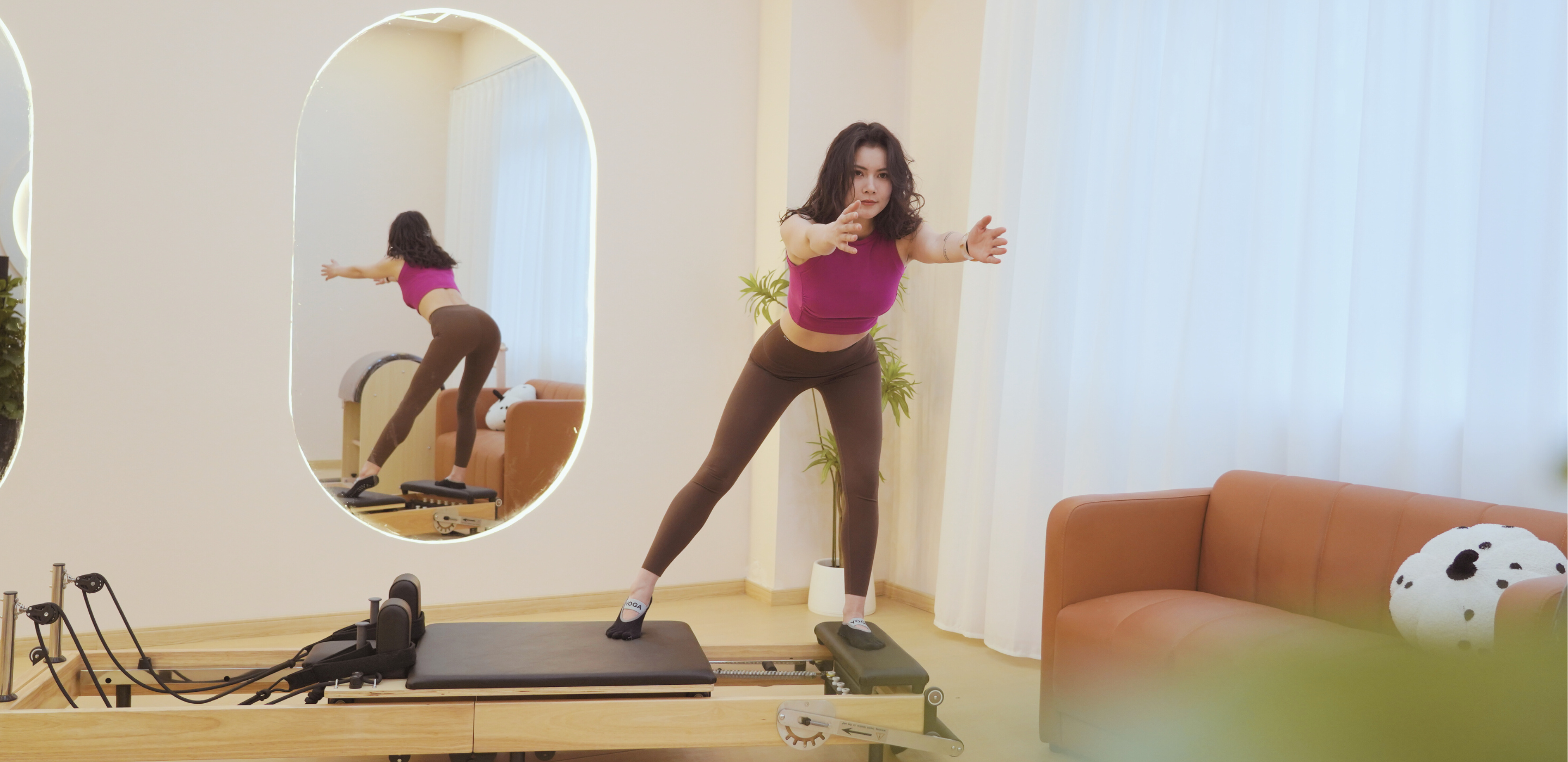
- Environment Control: You can control factors such as temperature, humidity, and music in your home Pilates space, creating an environment that is most suitable for your practice.
- Reduced Stress: Practicing Pilates at home can reduce the stress and anxiety of going to a gym, allowing you to relax more in a familiar and comfortable environment.
- Private Space: Practicing Pilates at home allows you to have a completely private space, free from external distractions, where you can exercise more relaxed and comfortably.
- Convenience: Having a home Pilates space means you can start practicing at any time, without the need to go to a gym or Pilates studio, saving time and transportation costs.
- Focused Environment: Your home Pilates space can be set up according to personal preferences, creating a quiet and focused practice environment that helps improve the effectiveness of your workouts.
- Customizable Equipment: You can choose and customize Pilates equipment that suits your physical condition and exercise needs, such as a Pilates Reformer or a Pilates circle.
Setting up a home Pilates studio requires careful planning. Key requirements include a designated space with appropriate flooring for grip and cushioning, ample natural or artificial lighting for visibility, and a layout that accommodates multifunctional use. Adequate storage for equipment, a soothing decor to inspire focus, and stringent safety measures are also essential. This creates a comfortable, efficient, and motivating environment for your Pilates practice.
- Appropriate Flooring Materials: Selecting the right flooring is essential for a home Pilates studio. Rubber mats or specialized Pilates flooring not only offer the necessary grip to prevent slipping but also provide cushioning that can help protect joints during exercises, especially those that involve jumping or heavy impact.
- Adequate Natural Light or Lighting: Good lighting is crucial for a home Pilates space. Natural light can enhance the mood and provide a more energizing environment, while proper artificial lighting ensures that you can see your form clearly, which is vital for performing Pilates exercises with precision and preventing injuries.
- Multifunctionality: Designing a multifunctional Pilates room allows you to maximize the use of your space. This room can double as a yoga studio, a stretching area, or a general home gym, accommodating a variety of fitness activities and ensuring that your investment in equipment and space is well-utilized.
- Storage Space: Ample storage solutions are key to keeping your Pilates space organized and clutter-free. This could include shelves, cabinets, or racks specifically designed to hold mats, resistance bands, small weights, and other equipment, making it easy to find and use what you need for your workout.
- Decoration and Atmosphere: Personal touches like plants, artwork, and calming color schemes can transform your Pilates space into a sanctuary that motivates you to work out. These elements can help create a serene and uplifting environment, which is conducive to focus and relaxation during your practice.
- Safety Measures: Prioritizing safety in your Pilates room is non-negotiable. In addition to non-slip mats and first aid kits, consider installing mirrors for form checking, using corner guards to prevent injuries from sharp edges, and ensuring that all equipment is well-maintained and in good working order to avoid accidents during your practice. A safe space encourages confidence in your movements and reduces the risk of injury.
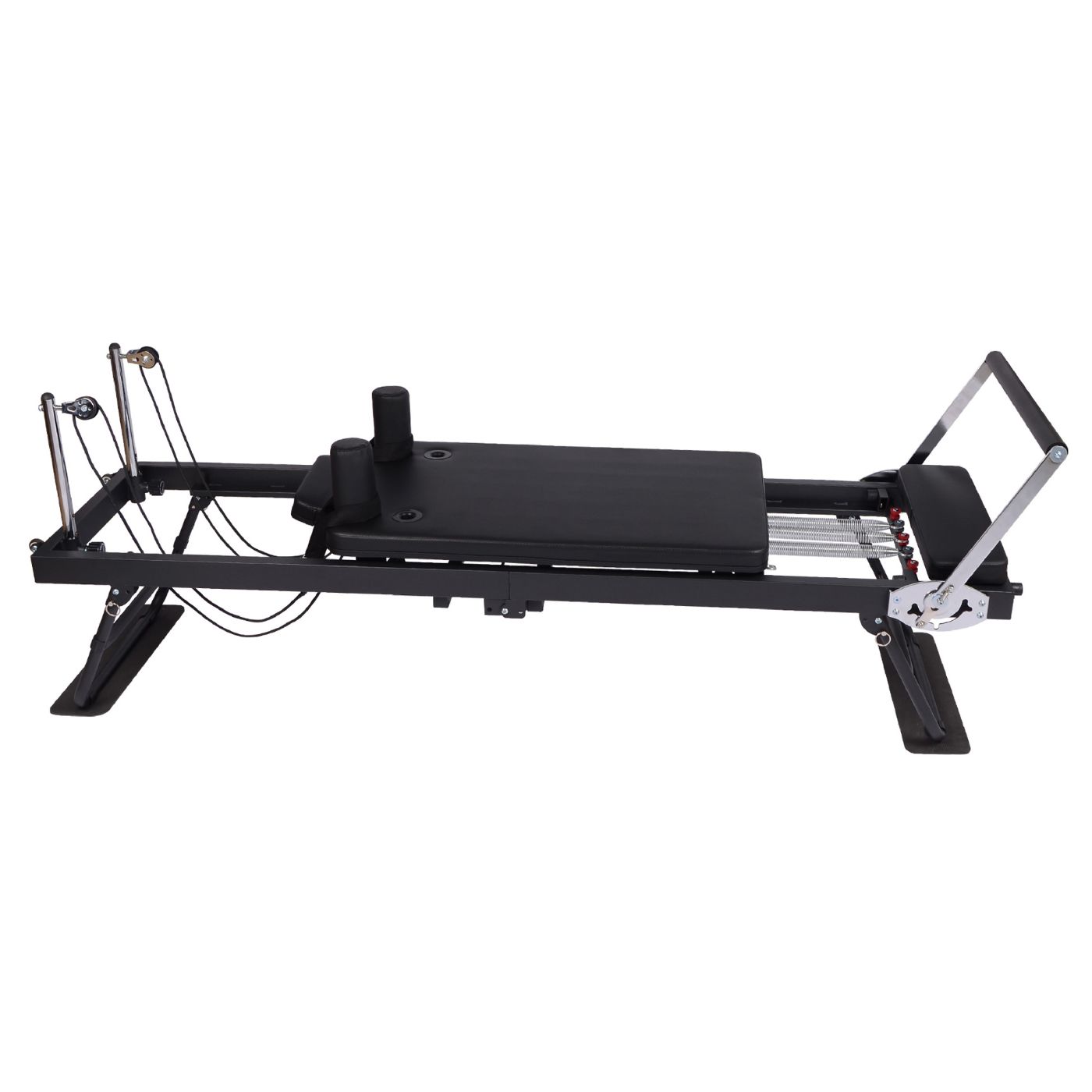
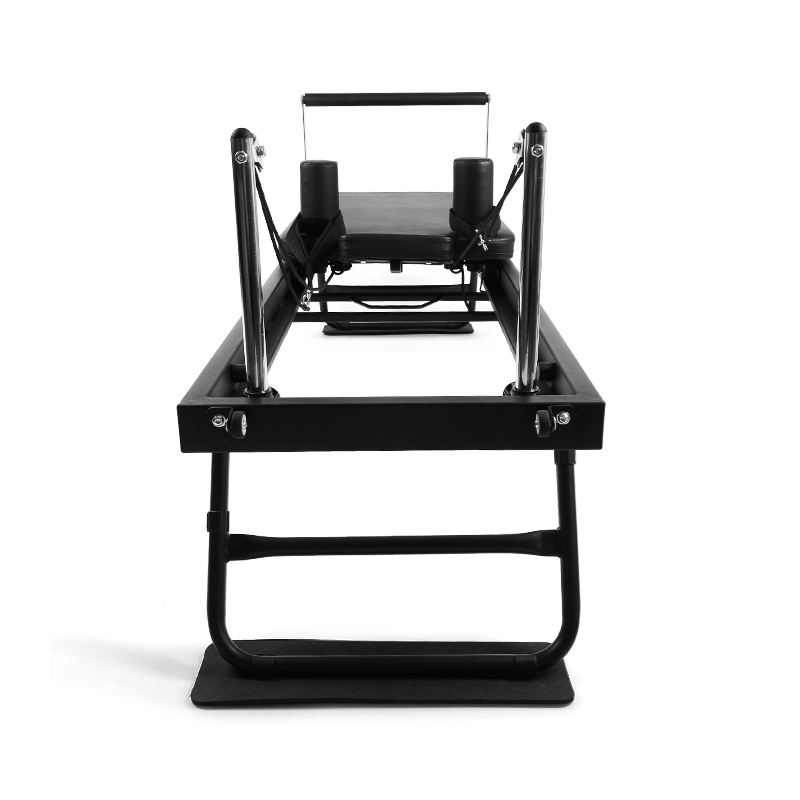
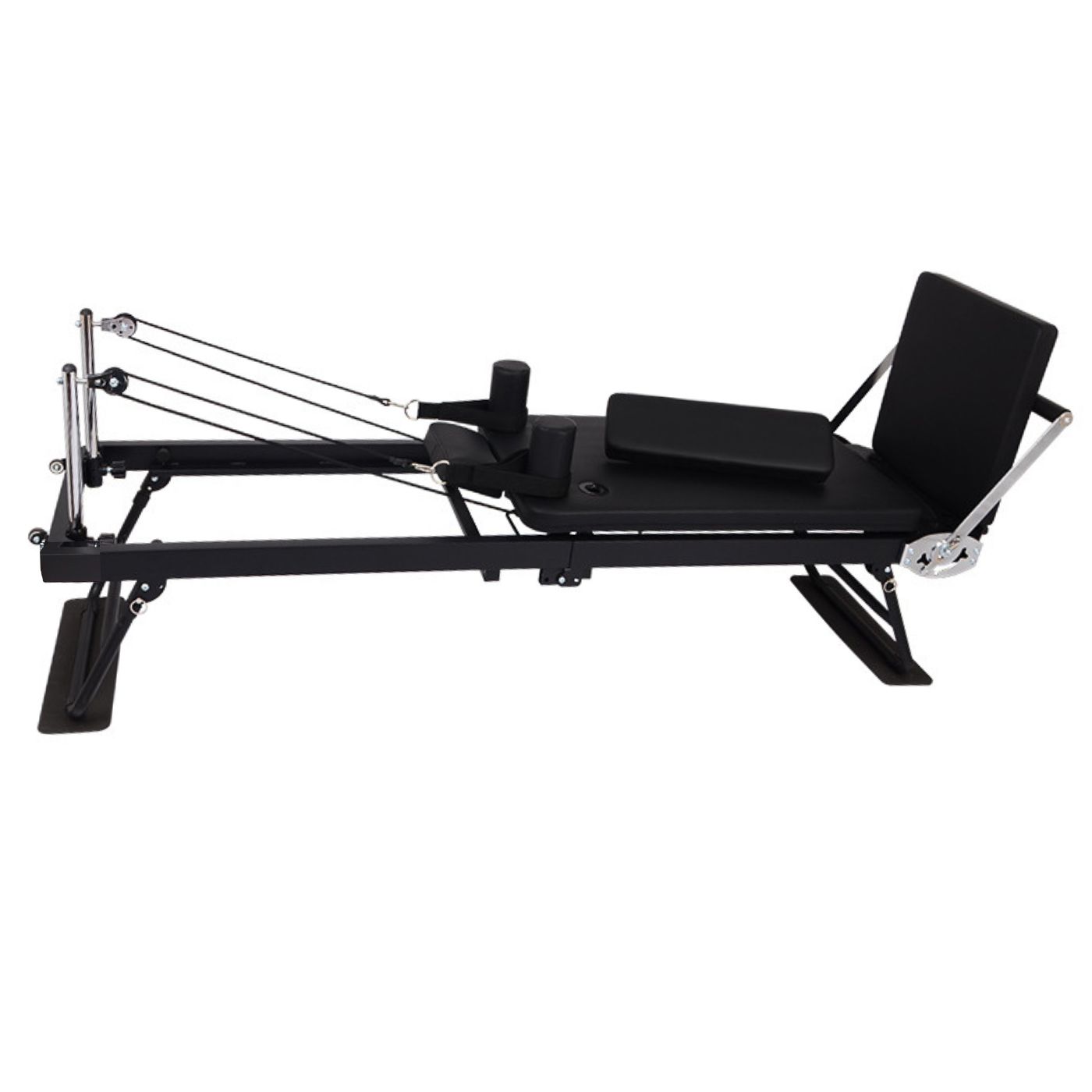
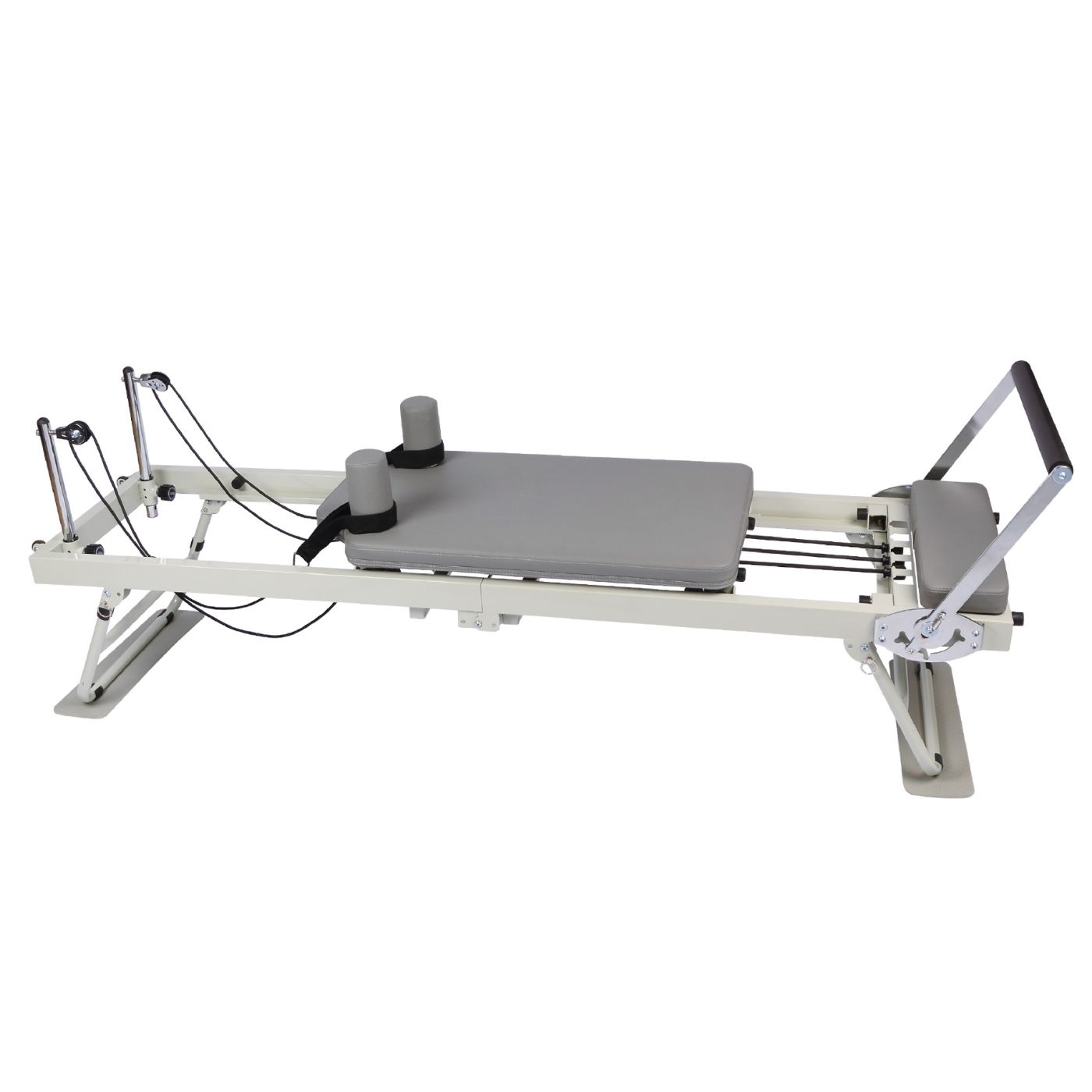
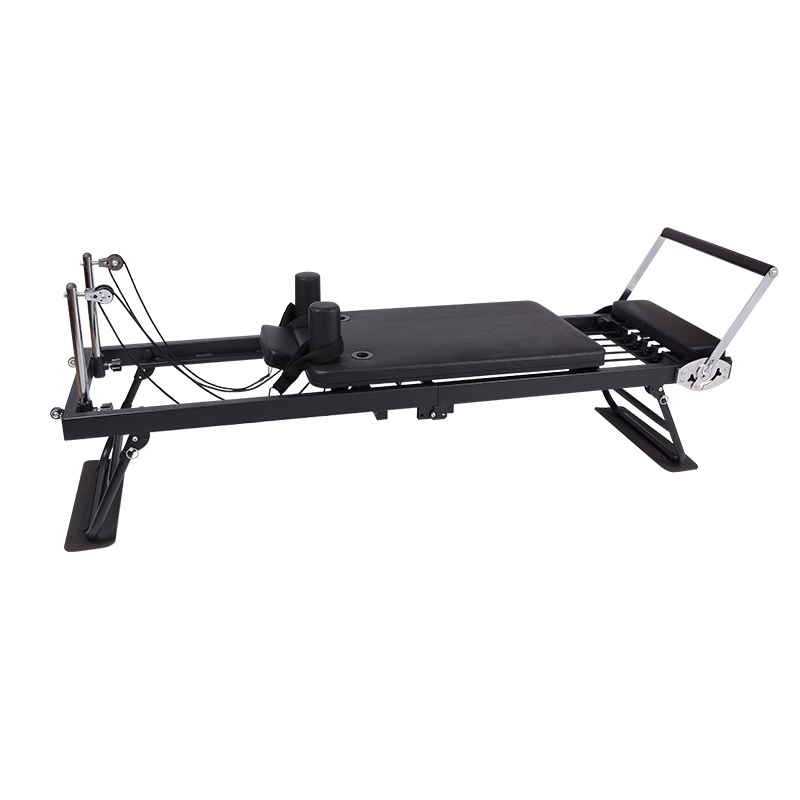
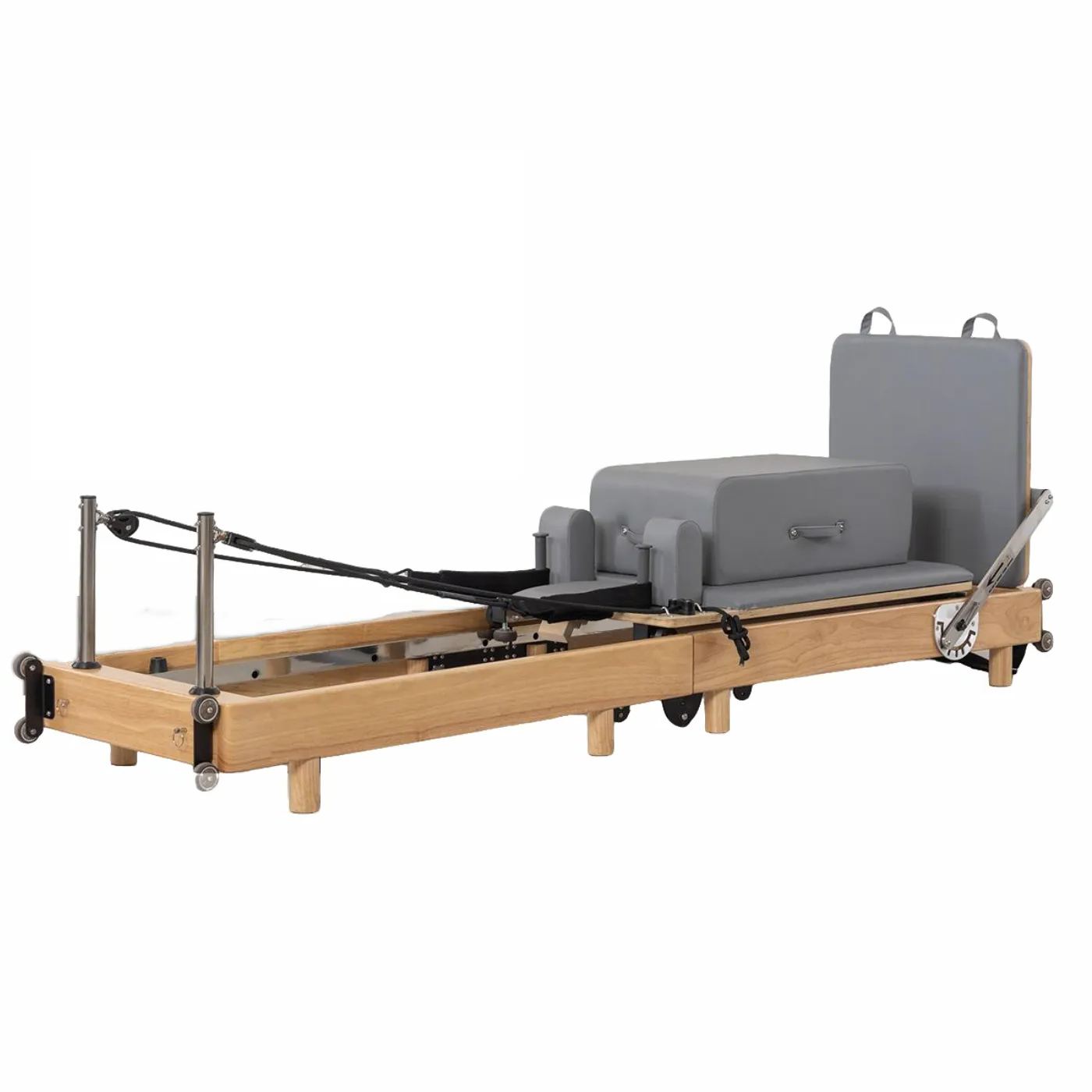
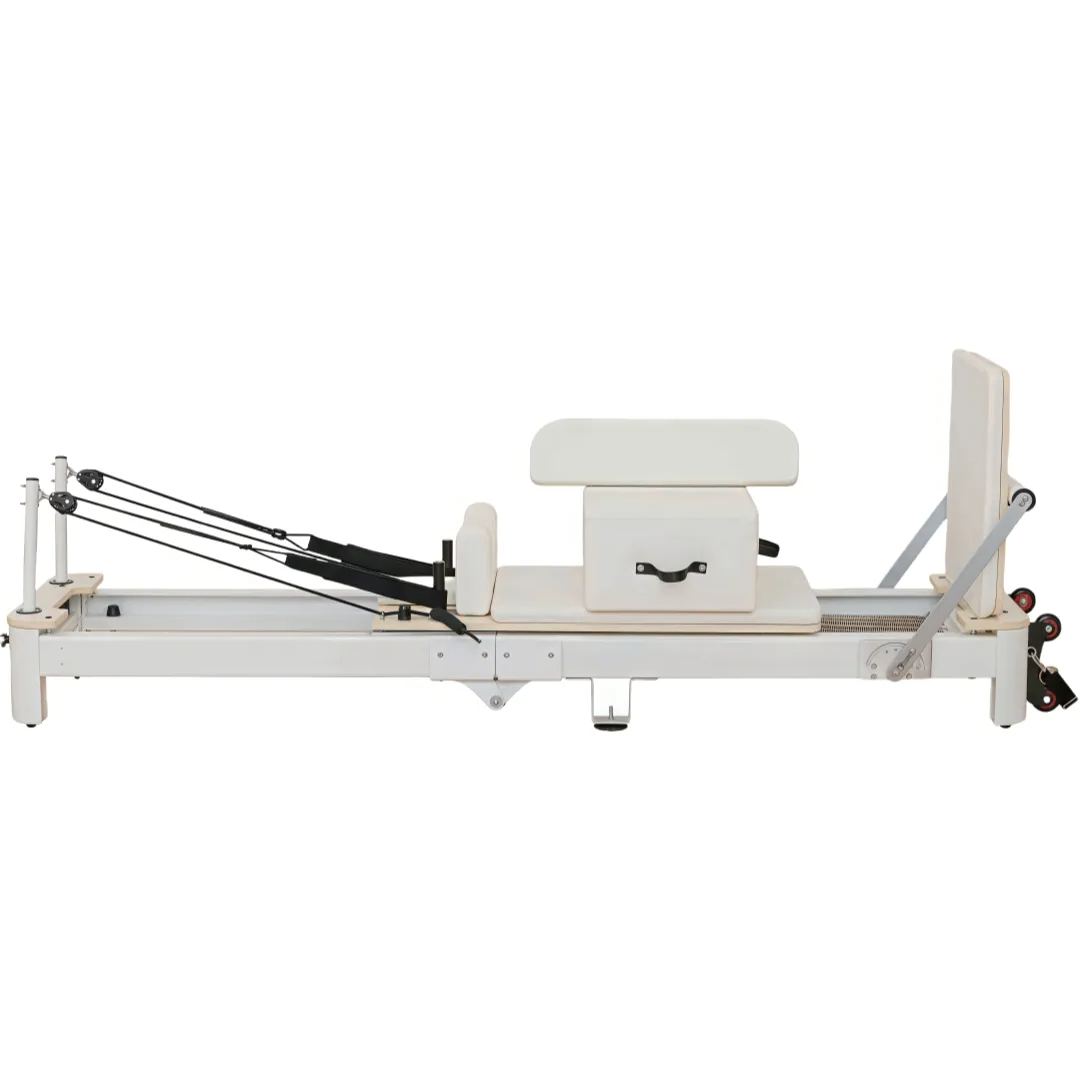
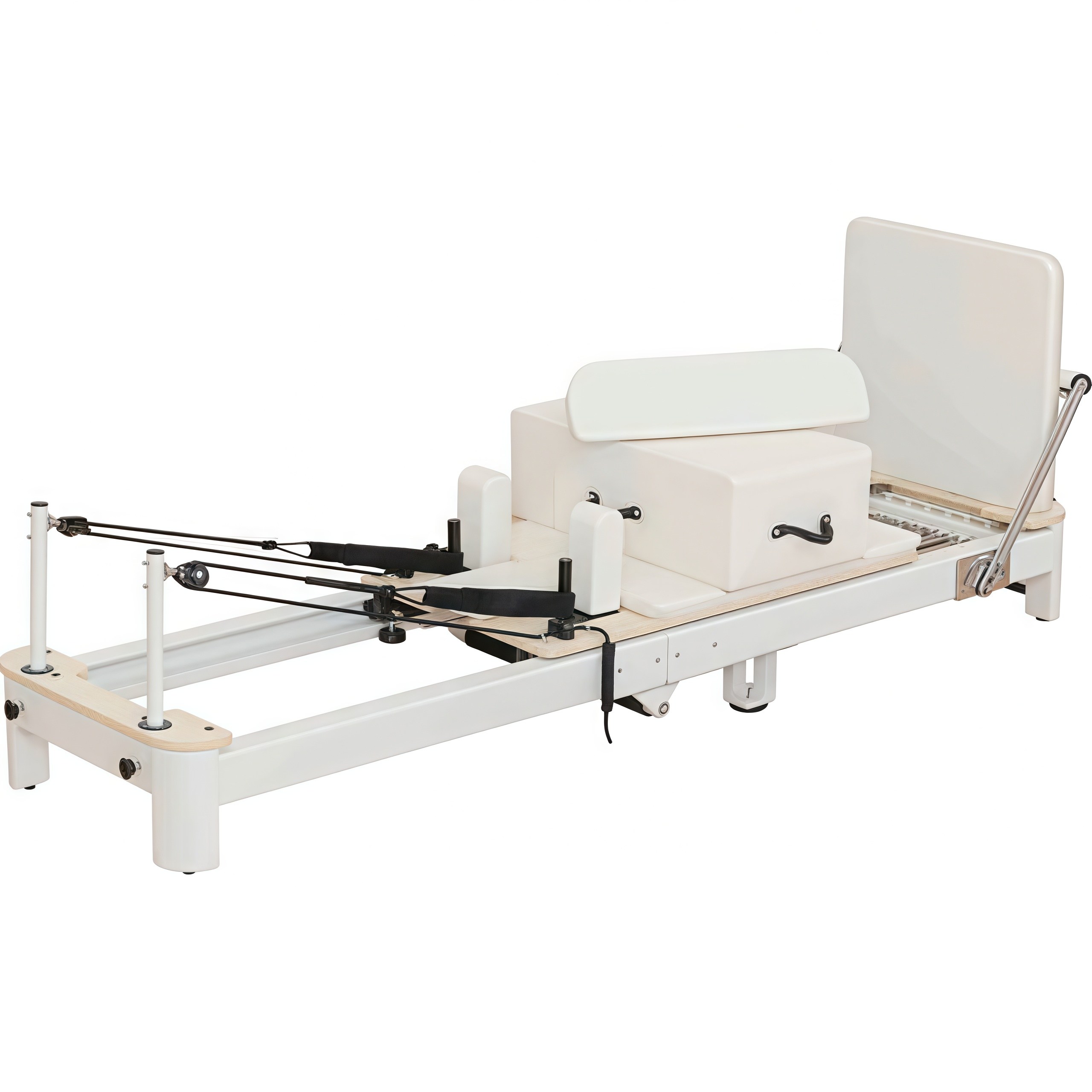
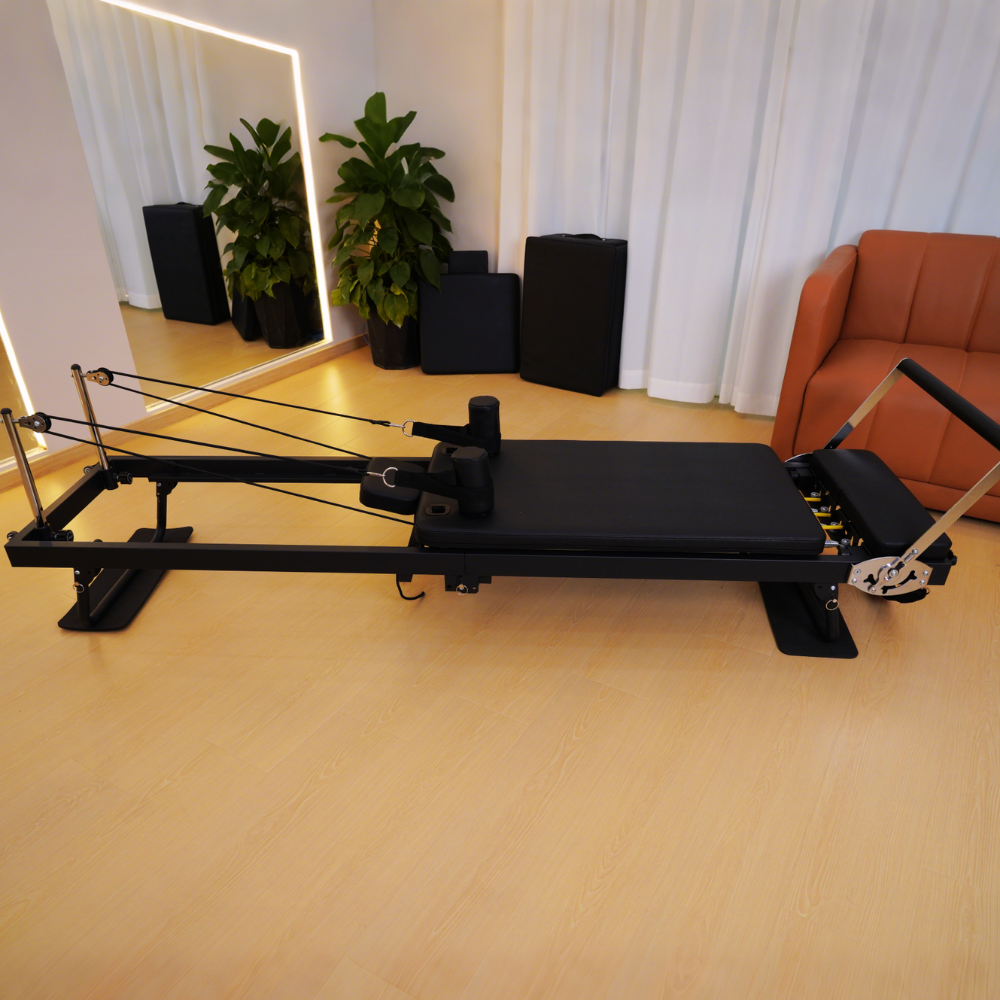
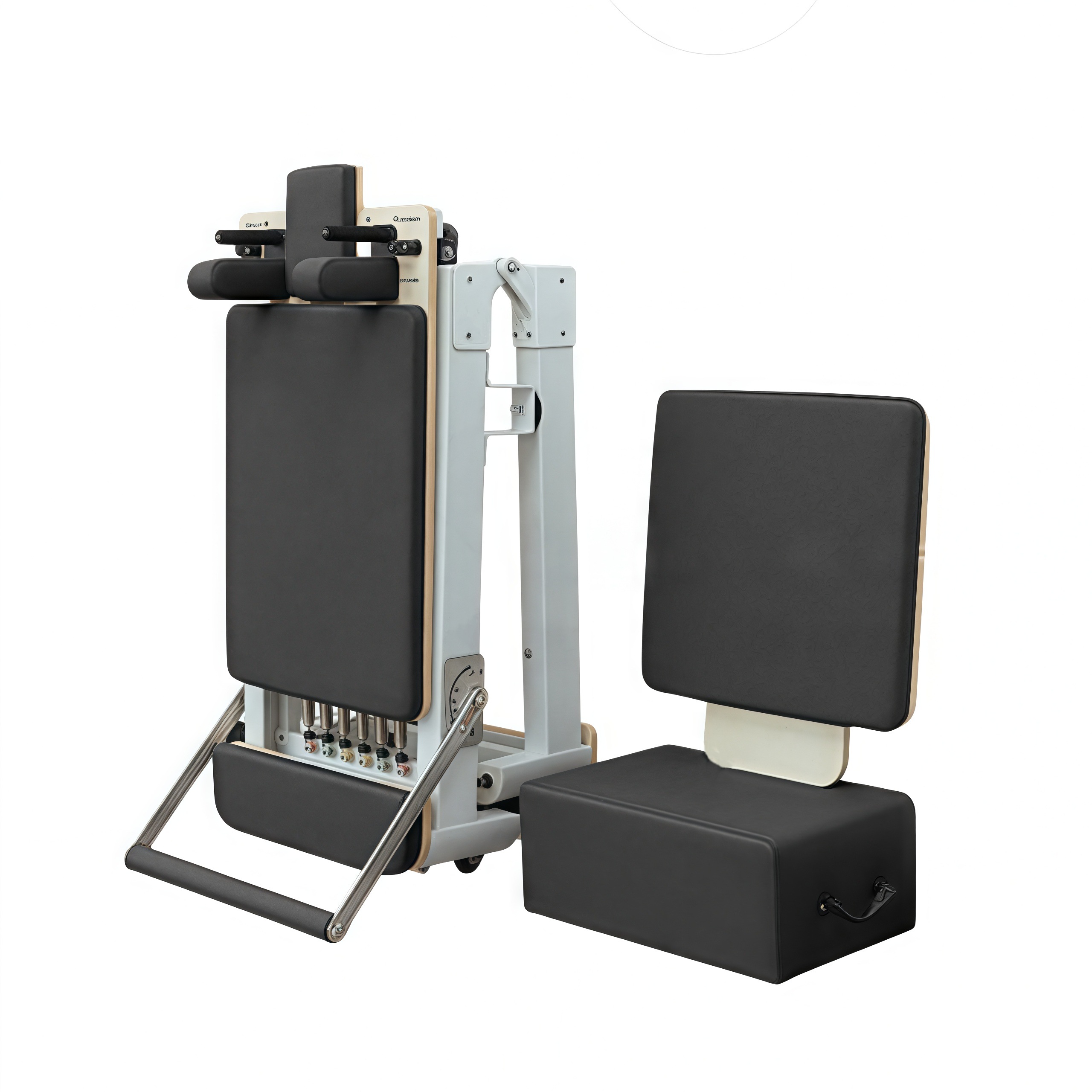
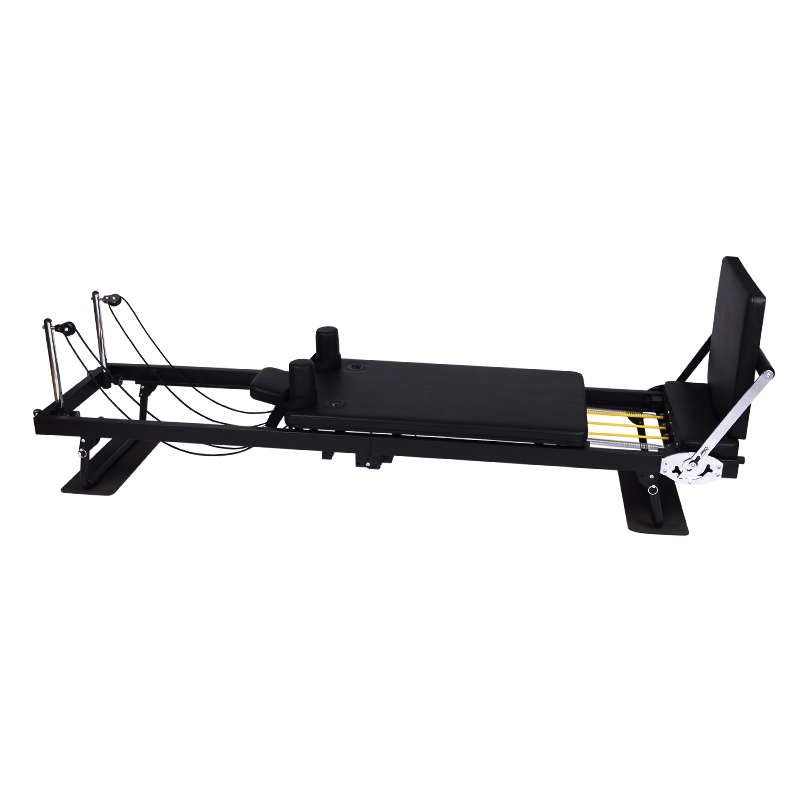
- Pilates Reformer (Reformer): This piece of equipment uses spring resistance to provide a full-body workout. It is versatile and can be used for a variety of exercises that target different muscle groups, improving strength, flexibility, and coordination.
- Pilates Circle (Magic Circle): Also known as the resistance circle, this small, circular device with a foam-covered steel ring is used to add resistance to arm and leg exercises, enhancing muscle toning and strength.
- Fitness Ball (Stability Ball or Swiss Ball): This inflatable ball is used to improve balance and core control. It can be used for a range of exercises that challenge stability and engage the core muscles, promoting better posture and overall body awareness.
- Pilates Mat: A non-slip mat designed for mat-based Pilates exercises, providing a stable surface for various floor exercises. It helps with proper alignment and is essential for a comfortable practice.
- Cadillac/Trapeze Table: A more advanced piece of equipment that combines the benefits of the Reformer with additional features like a trapeze bar, allowing for a wider range of exercises and greater challenge.
- Wunda Chair: A compact piece of equipment that offers a variety of exercises targeting the arms, shoulders, and core. It is a great addition for those looking to increase the intensity of their workouts.
- Ladder Barrel: This curved wooden barrel with rungs is used for stretching, strengthening, and balance exercises. It can help to improve flexibility and body control.
- Toning Balls: These are small, weighted balls that can be used to add resistance to exercises, particularly those targeting the hands and arms.
- Thera-Band Resistance Bands: These colorful bands come in different levels of resistance and can be used to add variety to your Pilates routine, focusing on specific muscle groups.
- Foam Roller: While not specific to Pilates, a foam roller can be used for myofascial release and muscle recovery after workouts, enhancing flexibility and reducing muscle soreness.
- Hand Weights: These can be used to add extra resistance to certain Pilates exercises, particularly those that target the arms and shoulders.
- Stretch Strap: A long strap that can be used to assist in stretching and to deepen the range of motion in various Pilates exercises.
- Fundamental Stretch:This exercise is a great starting point for Pilates Reformer workouts, waking up the muscles with a series of fluid stretches to improve flexibility. Pay attention to body alignment and coordinated breathing to ensure each stretch is taken to the limit without overstretching.
- Short Box:This exercise strengthens the arms and shoulders by simulating boxing movements. Keep your back stable and use your core muscles to control the movements to prevent shoulder injuries.
- Long Box:This exercise requires full arm extension, providing a deeper workout for the chest, shoulders, and arms. Maintain body stability and avoid excessive arching of the back.
- Leg Series:Including exercises like leg stretch and leg circle, these movements strengthen the thighs, buttocks, and calves, enhancing lower body strength and stability. Focus on leg alignment and control to avoid overextension of the knees.
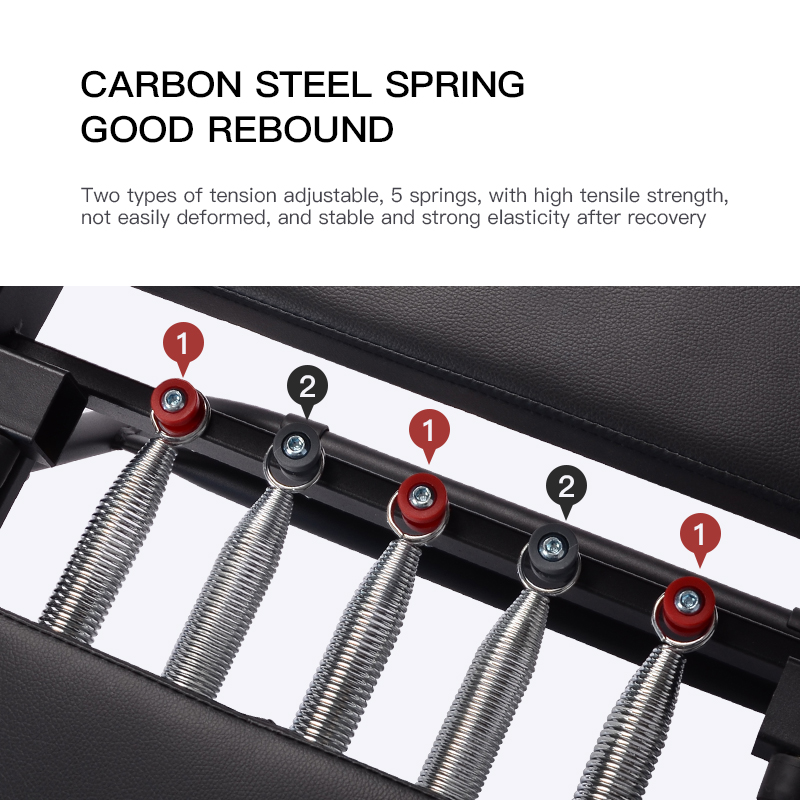
- Push Through Bar:This exercise increases difficulty by adjusting the resistance of the springs, effectively working the chest, shoulders, and arms. Keep the body in a straight line and use the core to stabilize the body.
- Seated Series:This series of exercises focuses on strengthening the core muscles, especially the lower back and abdomen. Pay attention to the stability of the sitting bones and the neutral position of the spine to avoid excessive bending of the waist.
- Spine Twist:This exercise works the oblique abdominal muscles by twisting the spine, improving spinal flexibility and core stability. Control the speed of the twist to avoid moving too quickly or forcefully.
- Archer:Simulating the archery stance, this exercise strengthens the back muscles and improves body coordination and balance. Focus on the extension of the back and control of the legs to avoid overextension.
- Swimming:Mimicking the swimming stroke, this exercise strengthens the back, shoulders, and arms while improving cardiovascular endurance. Coordinate body movements with breathing to avoid hasty movements.
- Knee Stretch:This exercise strengthens the legs and abdominal muscles through knee flexion and extension, particularly improving abdominal control. Tighten the abdominals and control the legs to avoid overextension.
- Hip Bridge:Lying on the Reformer, lift the hips to work the glutes and the back of the thighs, improving hip strength and stability. Tighten the hips and maintain a neutral spine to avoid excessive arching of the lower back.
- Single Leg Stretch:This exercise strengthens the leg muscles through single-leg extension, improving hip joint flexibility and stability. Maintain body balance and leg control to avoid overextension.
- Full Body Stretch:Combining upper and lower body movements, this full-body stretch improves overall flexibility and coordination. Ensure body alignment and coordinated breathing, stretching to the limit without overstretching.
- Track Progress: Home Pilates practice offers the unique advantage of being able to monitor your progress in a consistent setting. The familiarity of your environment allows for more accurate self-assessment, enabling you to notice subtle improvements in flexibility, strength, and posture over time. This consistency can also lead to more detailed record-keeping, whether through journaling, photography, or video, providing a visual and measurable archive of your fitness journey.
- Improve Discipline: The discipline required for a home Pilates practice extends beyond the mat. By committing to a regular practice without external cues or class schedules, you reinforce self-motivation and time management skills. This enhanced discipline can translate into other areas, leading to increased productivity and success in personal and professional life.
- Avoid Waiting for Equipment: Having your own Pilates equipment at home means you can dive into your workout without delay. This eliminates the frustration of waiting for machines or space at a gym, allowing you to capitalize on spontaneous bursts of energy or to stick to a strict workout schedule without interruptions.
- Safety and Hygiene: Exercising at home gives you control over the cleanliness of your equipment and space, which is especially important during times of heightened health concerns. You can maintain a rigorous cleaning routine, ensuring that your practice is as safe as possible from germs and bacteria, and that your equipment is always ready for use.
- Combine with Other Activities: Integrating Pilates into a broader wellness routine that includes yoga, meditation, and other forms of exercise allows for a more holistic approach to health. This multifaceted regimen can improve overall physical and mental well-being, creating a balanced lifestyle that addresses the needs of the body and mind in tandem.
- Personalization: A home Pilates studio allows for personalization of your workouts. You can tailor your practice to target specific areas or goals, whether that's injury rehabilitation, sport-specific training, or general wellness. This customization can lead to more effective and enjoyable practice, as you focus on exercises that resonate with your personal needs and preferences.
When performing Pilates Reformer exercises, correct posture and execution are crucial. Each movement should be fluid and controlled, avoiding explosive force. Always activate the core muscles to protect the spine from stress. If you are a beginner, it is recommended to start Pilates Reformer exercises under the guidance of a professional instructor to ensure safety and effectiveness. As you progress, you can gradually increase the difficulty and challenge more advanced Pilates Reformer exercises for better results.
.png?w=1400&h=1400)
.jpeg?w=1400&h=1400)
.jpeg?w=4000&h=4000)
.jpeg?w=4000&h=4000)
.jpeg?w=2560&h=2560)
.jpeg?w=800&h=800)
.jpeg?w=743&h=743)