.png?w=1400&h=1400)
.png?w=1200&h=1200)
.png?w=1000&h=1000)
.png?w=1400&h=1400)
.jpeg?w=800&h=800)
.jpeg?w=800&h=800)
-0.jpeg?w=800&h=800)
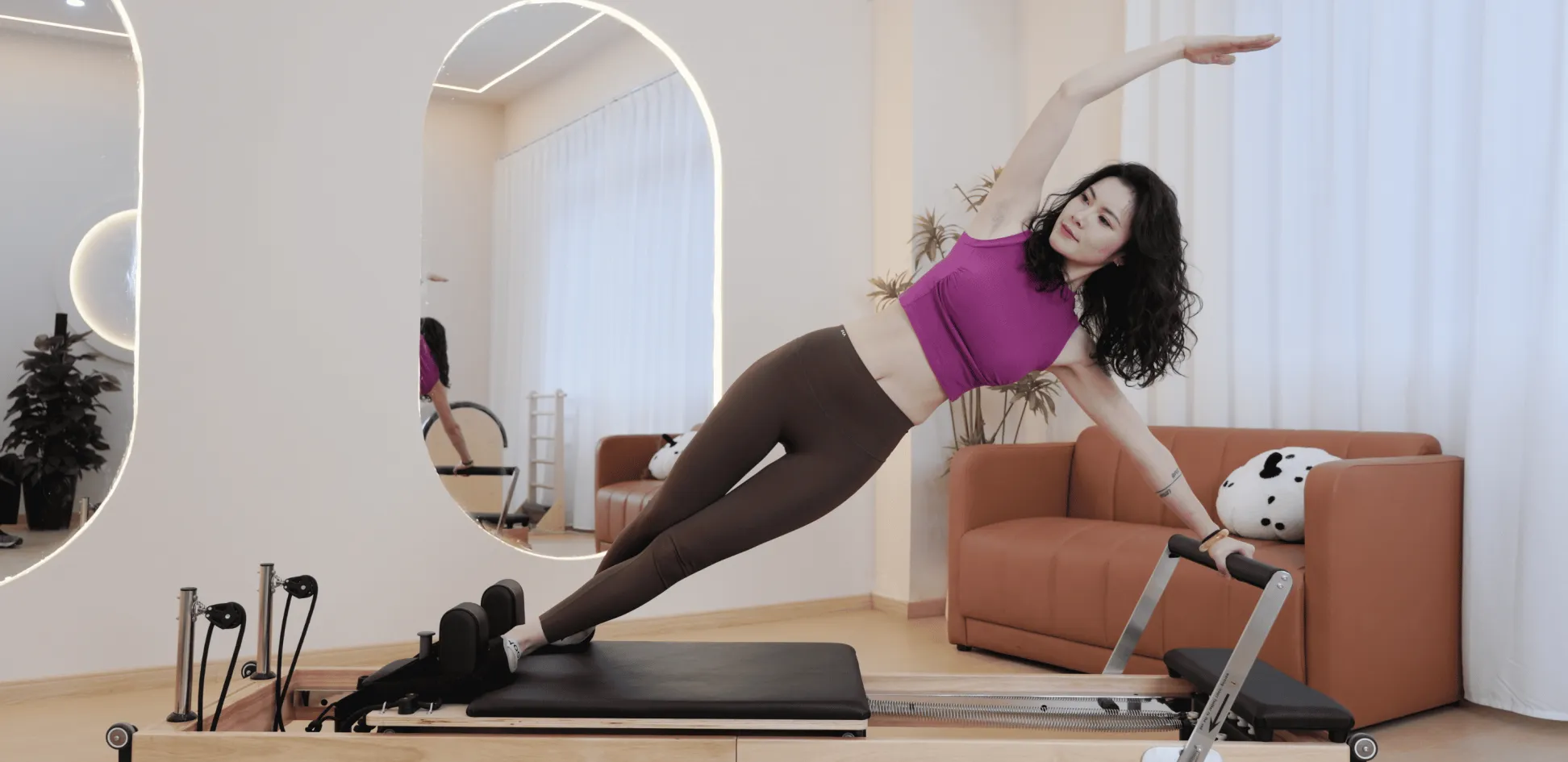
Pilates Reformer has become one of the most popular, low-impact, full-body conditioning methods in modern fitness. It blends controlled resistance, precision alignment, and mindful movement to build deep core strength, improve joint stability, enhance posture, and sculpt lean muscles. Yet, despite its popularity, one question remains the most frequently asked by beginners, enthusiasts, and even long-term practitioners: How often should you do Pilates Reformer to achieve the best results? The answer is not a simple number; it depends on your body’s adaptation, your goals, your experience level, and how your muscles respond to the unique resistance and control that the Reformer requires. This comprehensive guide explores the ideal frequency from multiple perspectives—physiology, training science, posture correction, recovery needs, and practical lifestyle integration—while highlighting essential points so you can design a routine that works for you.
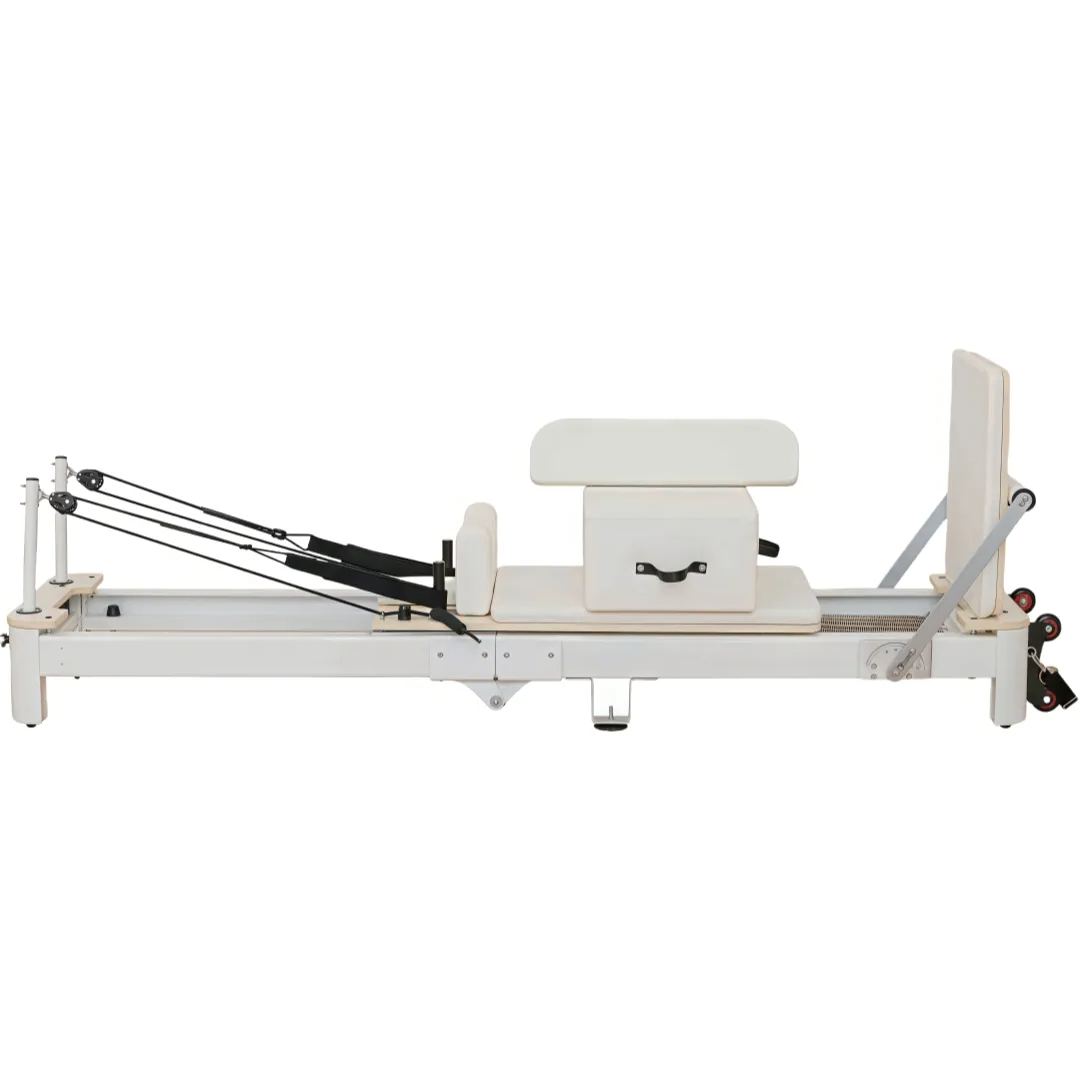
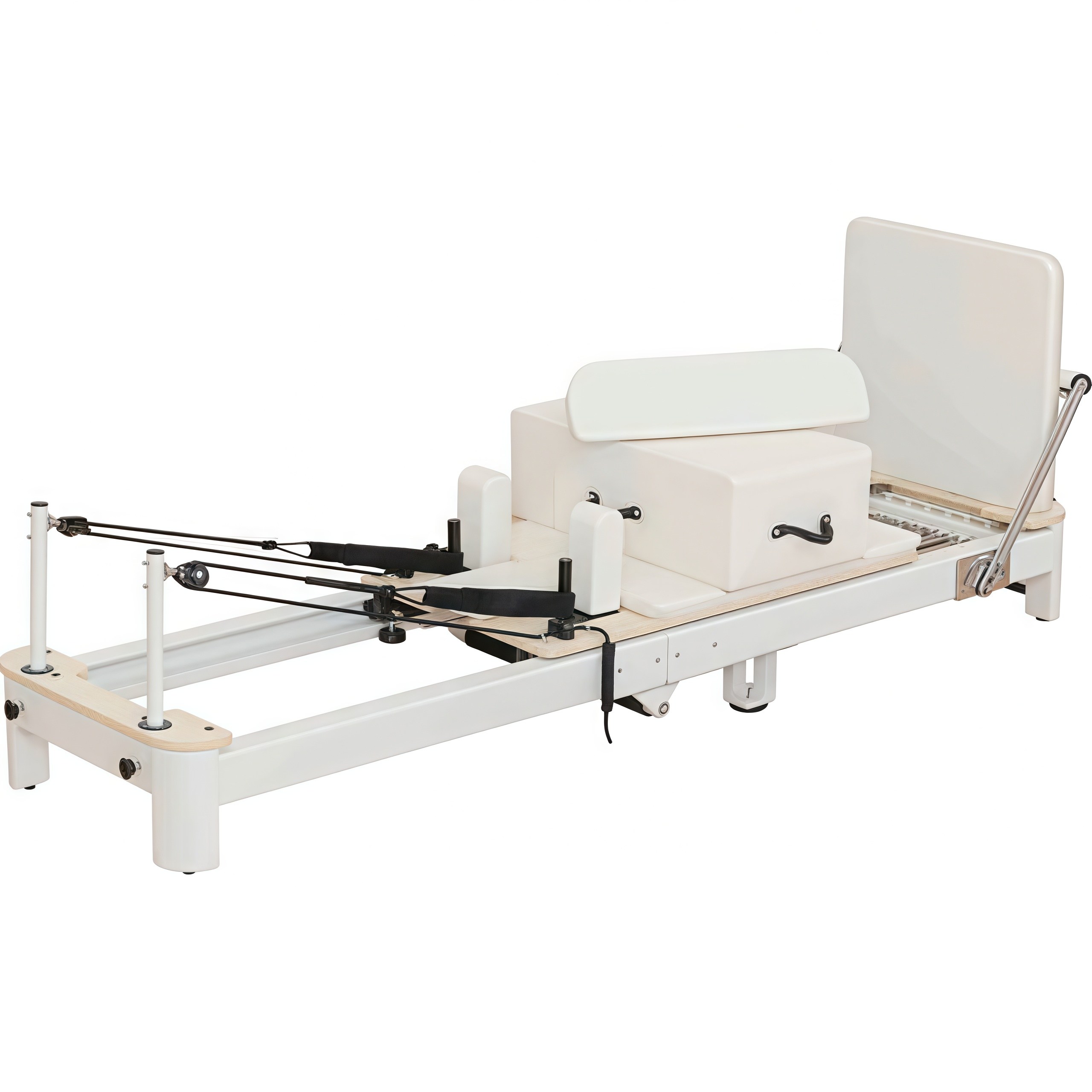
To understand training frequency, it’s important to recognize what sets Reformer Pilates apart. Unlike traditional strength training that isolates muscles, the Reformer creates whole-body integration through coordinated movement, spring resistance, and controlled alignment, requiring not just strength but also precision and neuromuscular coordination. With each exercise, the machine facilitates a blend of eccentric muscle work, deep-core activation, and balanced engagement, making it both a strengthening and rehabilitative practice. Because it does not overload joints or rely on maximum exertion, it allows for more frequent training compared to heavy lifting. Still, because the movements require significant stability and control, your body needs time—especially early on—to learn the patterns safely.
For complete beginners, the ideal frequency is generally 2–3 sessions per week, allowing your muscles and nervous system time to learn the foundational patterns. Early-stage practice focuses on understanding breathing, spinal articulation, deep-core activation, and alignment. This frequency is enough to build familiarity without overwhelming stabilizing muscles that aren’t used to sustained tension. Beginners typically notice early improvements—such as reduced tension, better posture, and increased body awareness—within four to six weeks. The key at this stage is not volume but consistent, controlled practice, avoiding heavy springs or advanced sequences too early.
Once you progress into the intermediate stage, typically between three and twelve months of regular practice, your body becomes more capable of handling coordinated movement sequences, mixed spring loads, and longer flow-based sessions. At this point, 3–4 sessions per week becomes ideal. This frequency supports significant improvements in muscle tone, stamina, hip and thoracic mobility, and more complex coordination. You’ll also begin to feel stronger in the core and glutes, and daily movements—such as walking, bending, and standing—will start to feel more fluid and aligned. At this level, you can begin alternating between strength-focused days and mobility-focused days to balance muscular development and recovery.
For advanced practitioners, who have trained consistently for one to three years or more, the body is capable of handling 4–5 sessions per week without undue fatigue. This frequency is ideal for sculpting long, lean muscles, refining movement precision, mastering advanced techniques, and maintaining a strong, fluid posture in daily life. Many advanced bodies can recover quickly because Reformer Pilates emphasizes precision over force, and the springs provide variable load rather than fixed, heavy resistance. Advanced practitioners may mix powerful spring sessions, light-spring mobility sessions, and full-flow routines that challenge coordination and endurance. As long as recovery is sufficient, this frequency offers the best long-term results.
For individuals with athletic backgrounds or those using Reformer Pilates to complement high-performance training, frequency can increase to 4–6 sessions per week. Athletes often use Reformer Pilates as a corrective and balancing tool: building rotational stability for golfers and tennis players, improving spinal mechanics for runners, enhancing balance and mobility for cyclists, and reducing injury risk across all sports. Because the Reformer decompresses joints and reinforces symmetrical alignment, frequent sessions help counteract asymmetrical loading commonly found in sports training.
Training frequency also depends heavily on your goals. If the goal is weight loss or body shaping, the most effective approach is 4–5 sessions per week, focusing on routines that elevate the heart rate while maintaining muscle engagement. Reformer flows, jumpboard intervals, and full-body spring routines all contribute to raising caloric burn while toning the body. When paired with smart nutrition and daily movement, this frequency yields visible results within 8–12 weeks.
If your goal is mobility, flexibility, or joint health, a frequency of 3–5 times per week is highly beneficial. Mobility improvements depend on consistent repetition; the Reformer’s guided carriage movement naturally encourages lengthening through the hamstrings, hip flexors, spine, and shoulders. The more regularly you practice, the more fluid your movement patterns become, and the more aligned your posture feels.
For posture correction, pain relief, or rehabilitation, the ideal frequency is 2–4 sessions per week. Reformer training is widely recommended by physiotherapists because it strengthens intrinsic stabilizers such as the transverse abdominis, multifidus, deep hip rotators, and the muscles surrounding the shoulder girdle. Consistency is essential here: small, frequent activations yield better results than sporadic intense sessions. The Reformer’s controlled motion retrains movement patterns that may have been disrupted by years of poor posture, sedentary habits, or asymmetrical muscle use.
To support all levels and goals, it helps to understand why Reformer Pilates can be practiced more frequently than many forms of exercise. First, it is low-impact, meaning joints experience controlled tension rather than abrupt load. Second, its eccentric-focused work strengthens muscles while reducing inflammation and soreness compared to concentric-dominant training like weightlifting. Third, the Reformer naturally guides joints into alignment, decreasing the risk of overuse issues caused by improper biomechanics. Finally, because deep-core muscles respond well to frequent activation, the body benefits from regular engagement without requiring prolonged rest periods.
Still, training every day is not automatically beneficial. Your body will tell you whether your frequency is appropriate. If you feel stronger, more stable, more energized, and recover well between sessions, you’re training at an optimal pace. But if you notice consistent fatigue, hip flexor tightness, low-back discomfort, or reduced motivation, it's a sign you need more recovery time. Pilates is gentle, but overtraining the stabilizers can still cause imbalances if rest is insufficient.
Most Reformer sessions last 45–60 minutes, which is the ideal duration for full-body conditioning, but even shorter 20–30 minute sessions can produce excellent results when performed regularly. The principle behind Pilates has always emphasized quality over quantity, but when quality remains consistent, increased frequency amplifies progress.
Overall, the recommended frequencies are clear: 2–3 times per week for beginners, 3–4 for intermediate practitioners, 4–5 for advanced users, and 2–4 for rehabilitation, with athletes benefiting from 4–6 sessions depending on intensity. These numbers provide a balanced guideline that matches the body’s adaptive ability to the training style of the Reformer. But the most important principle remains this: the best frequency is the one you can sustain consistently, because long-term practice—not short bursts of intensity—is what transforms strength, posture, and movement patterns.
.png?w=1400&h=1400)
.jpeg?w=1400&h=1400)
.jpeg?w=4000&h=4000)
.jpeg?w=4000&h=4000)
.jpeg?w=2560&h=2560)

.jpeg?w=800&h=800)
.jpeg?w=743&h=743)