.png?w=1400&h=1400)
.png?w=1200&h=1200)
.png?w=1000&h=1000)
.png?w=1400&h=1400)
.jpeg?w=800&h=800)
.jpeg?w=800&h=800)
-0.jpeg?w=800&h=800)
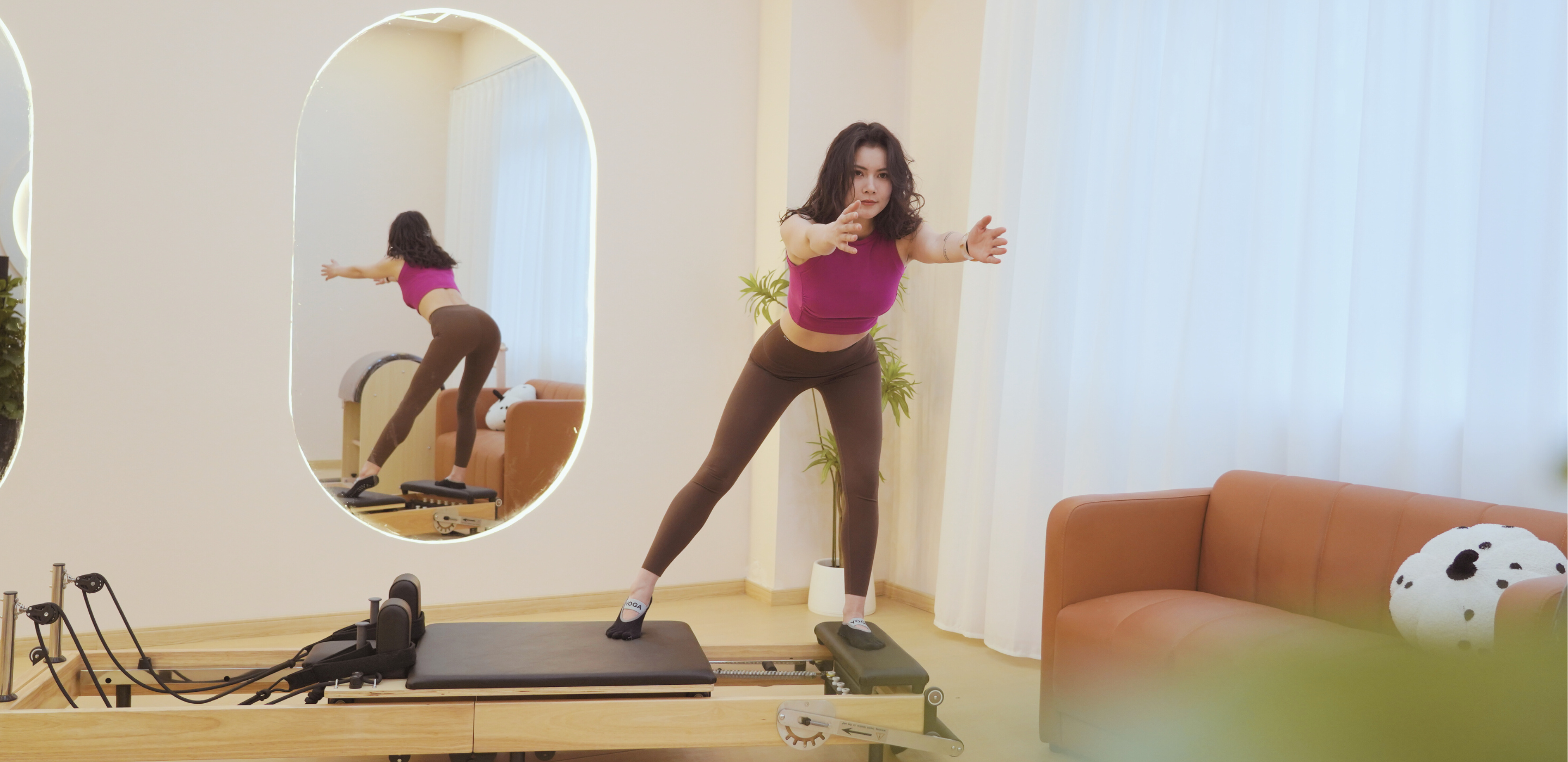
If you’re new to Pilates, stepping into a studio filled with strange-looking equipment like the Pilates reformer machine can feel intimidating. You might wonder: Should I start with mat Pilates instead? While mat Pilates is popular, it’s not always beginner-friendly. As one instructor bluntly put it: “Mat Pilates is the hardest because you’re fighting gravity without assistance.”
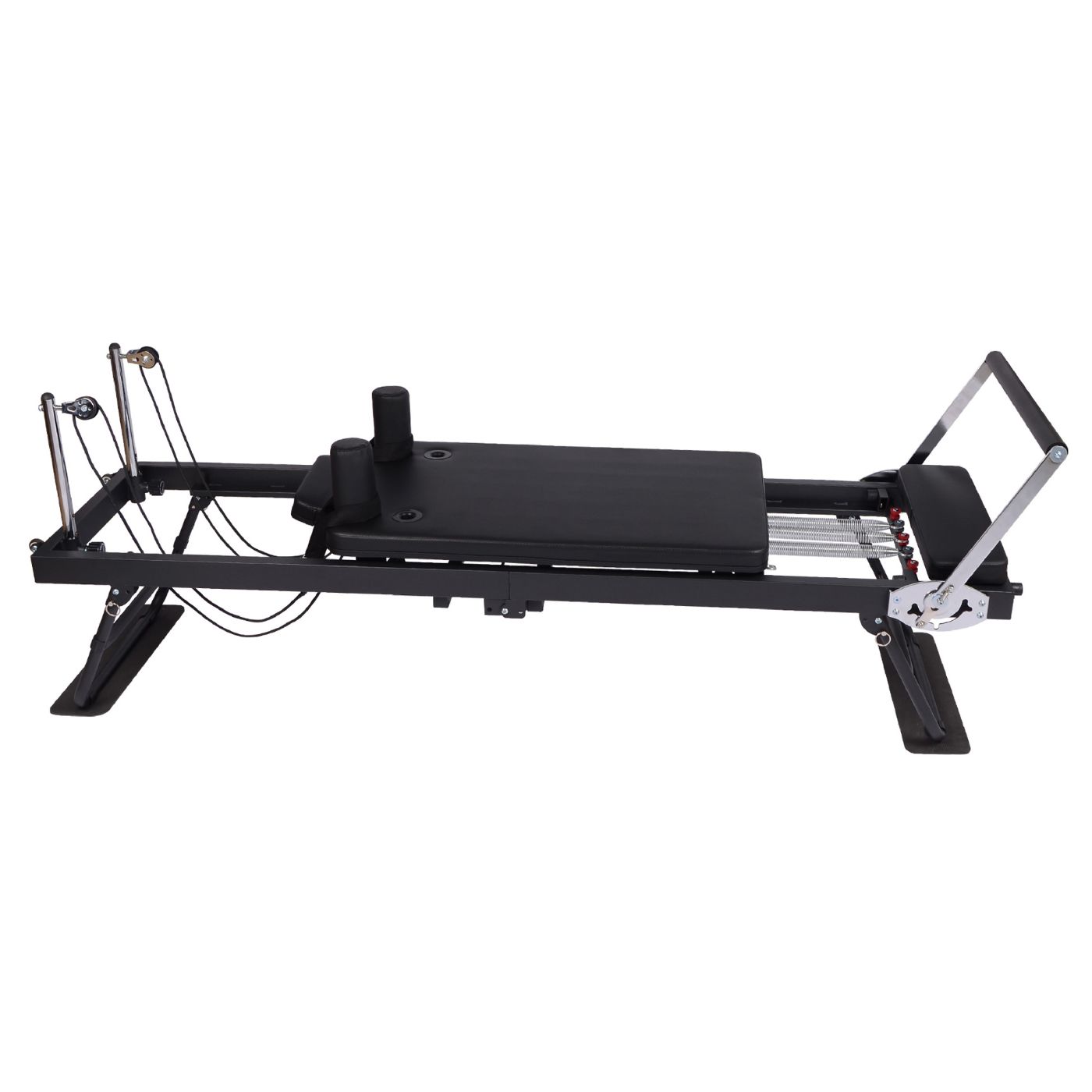
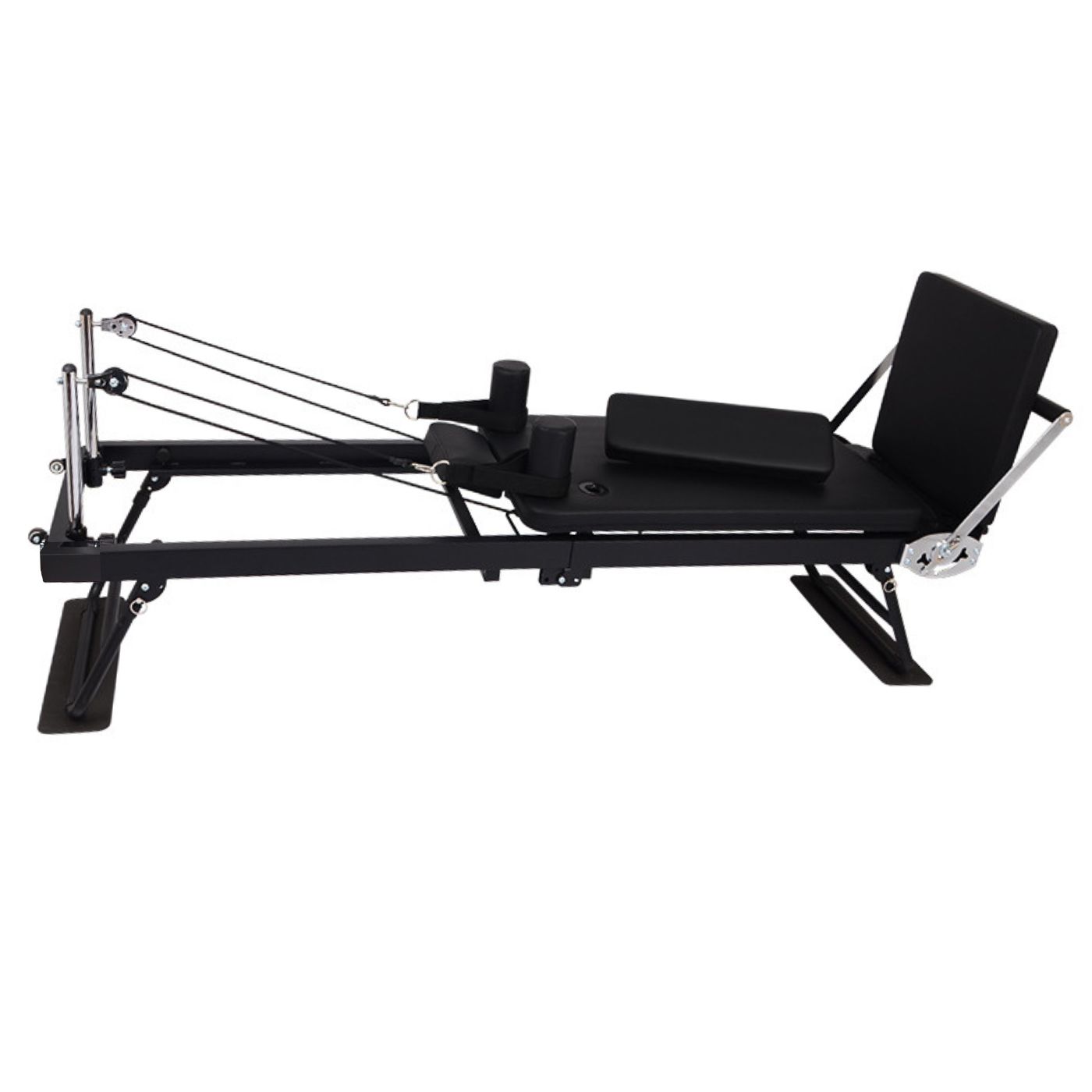
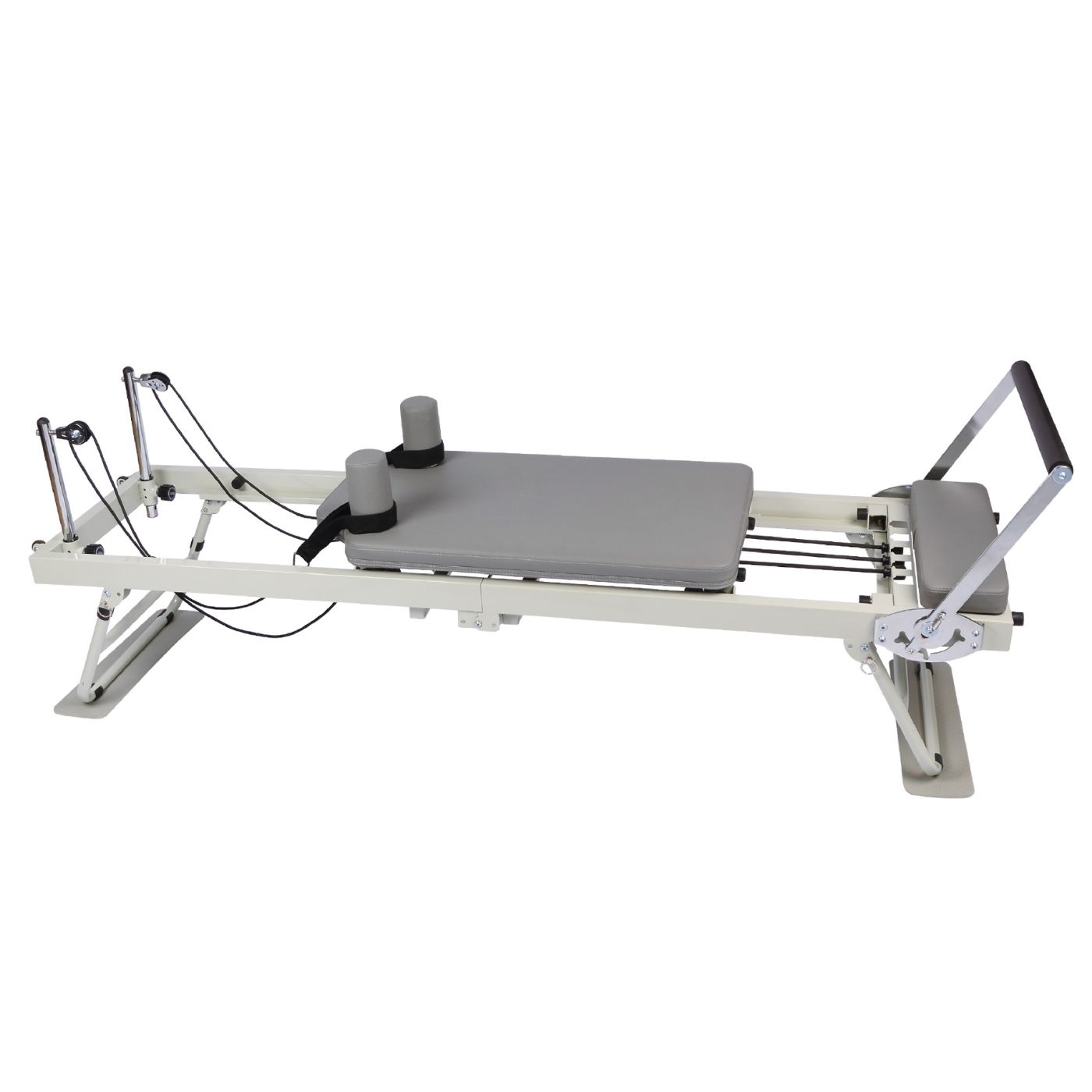
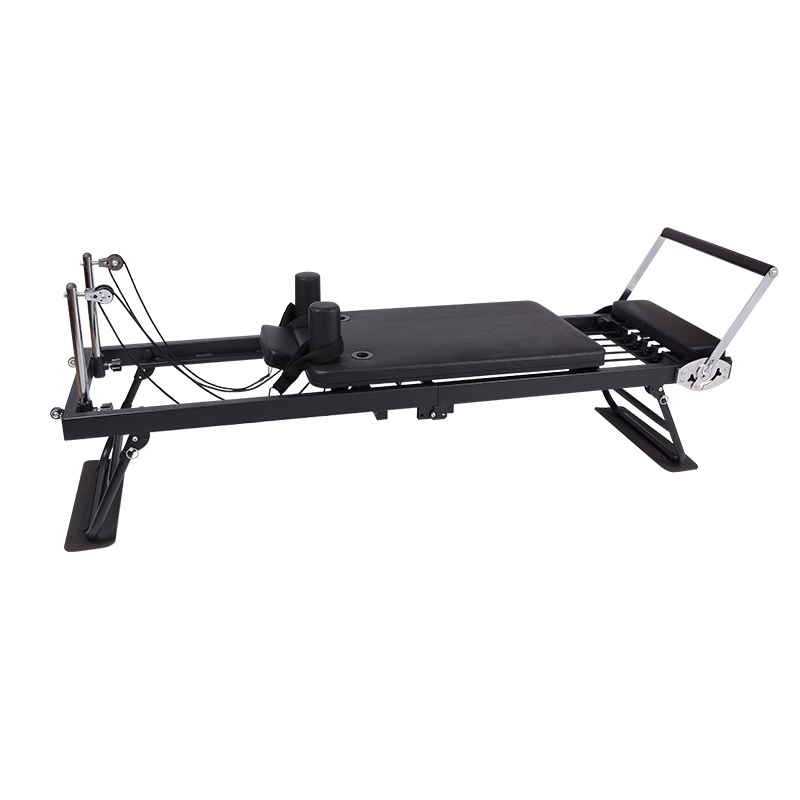
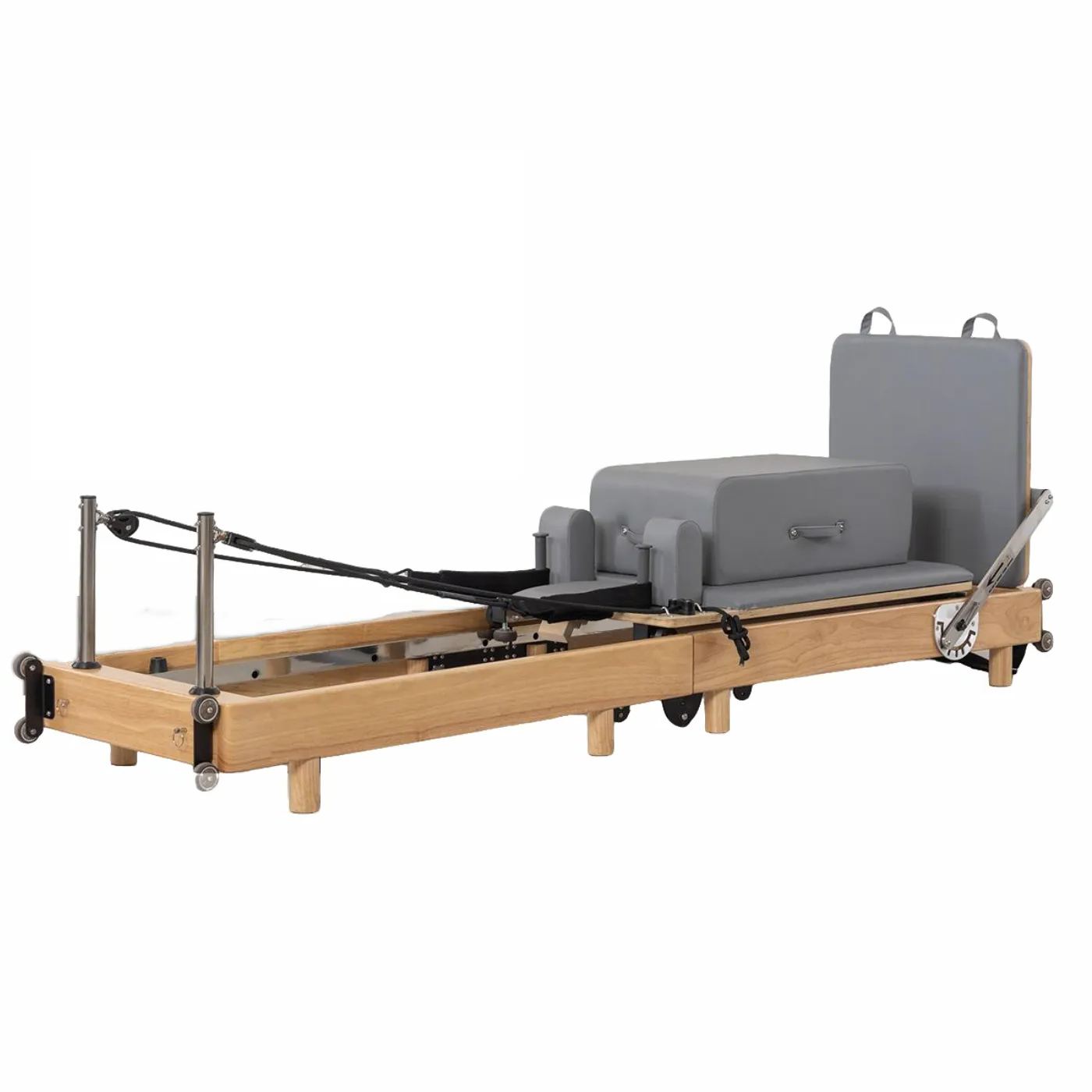
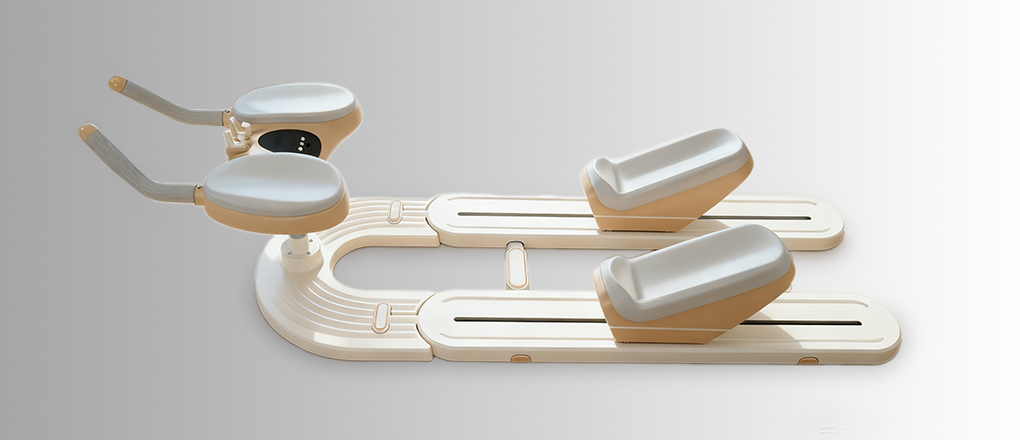
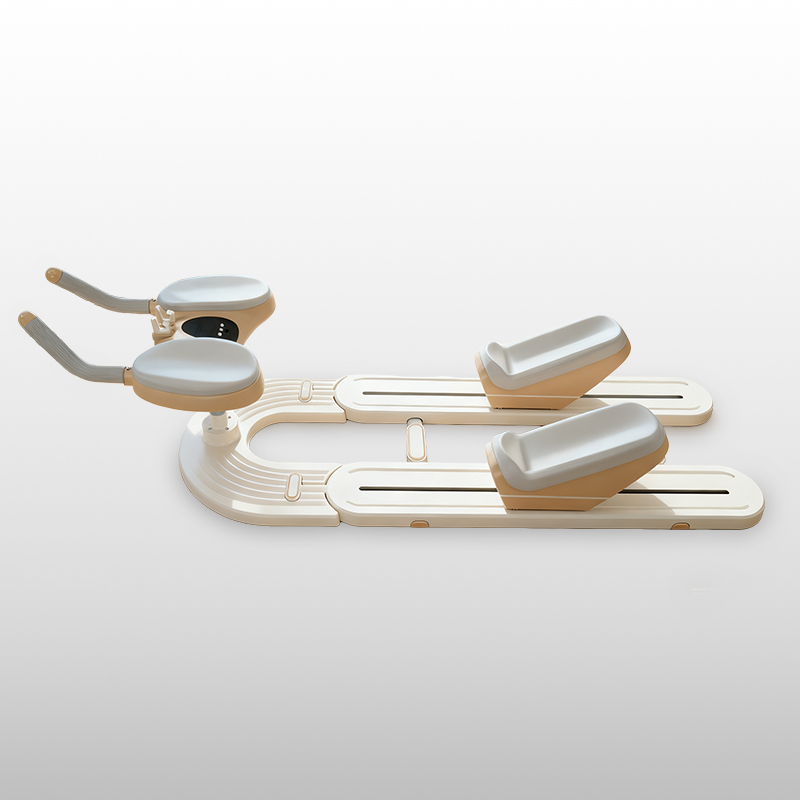
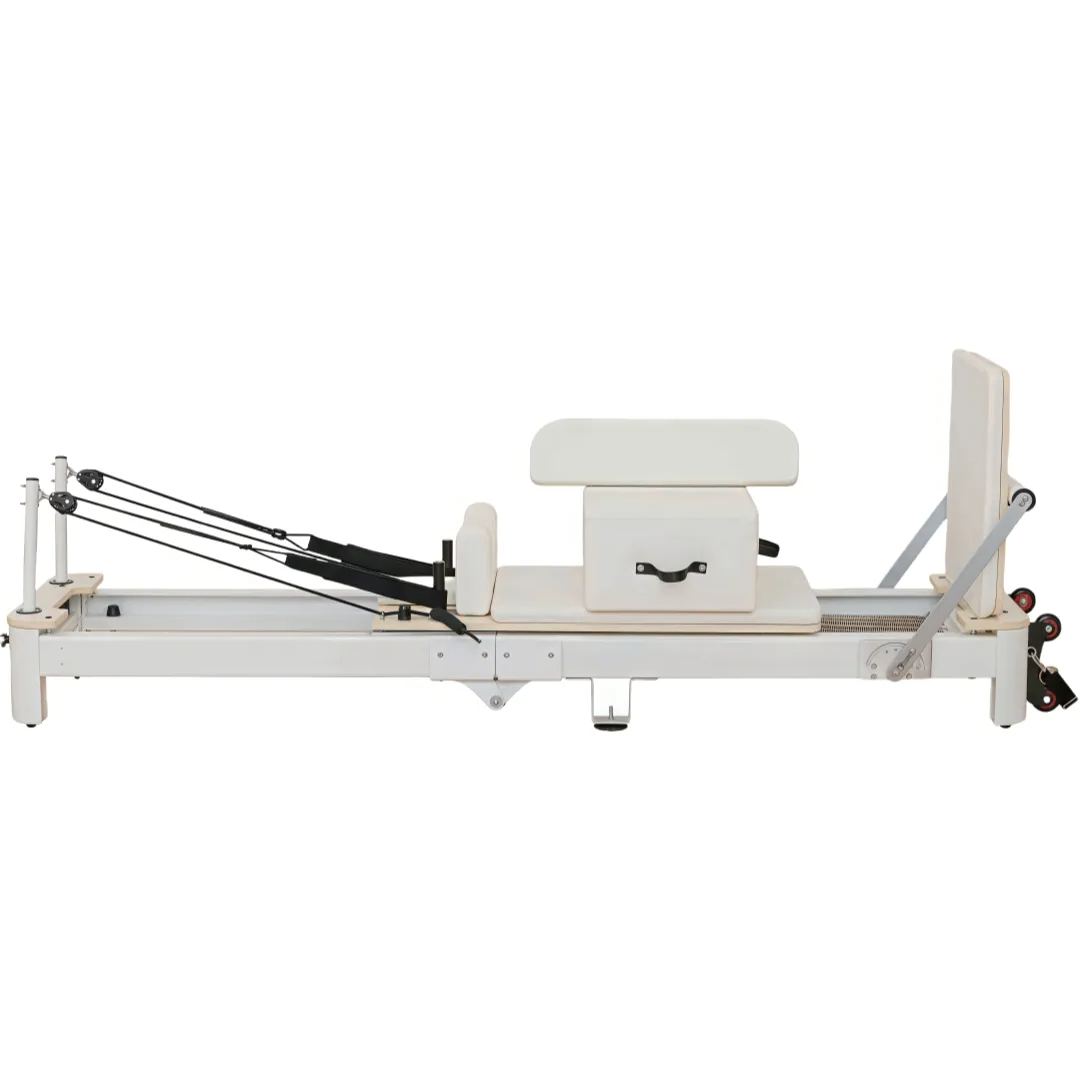
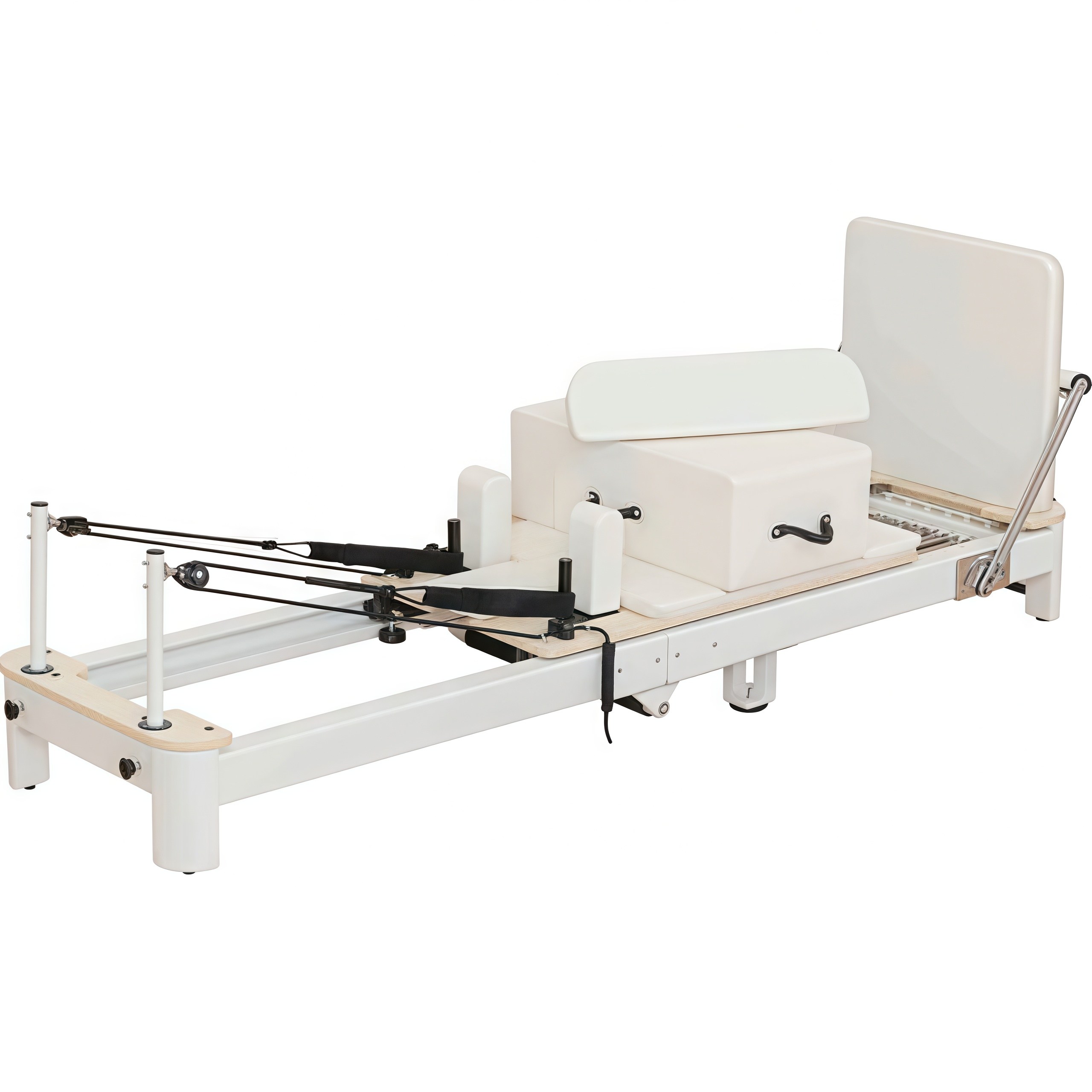
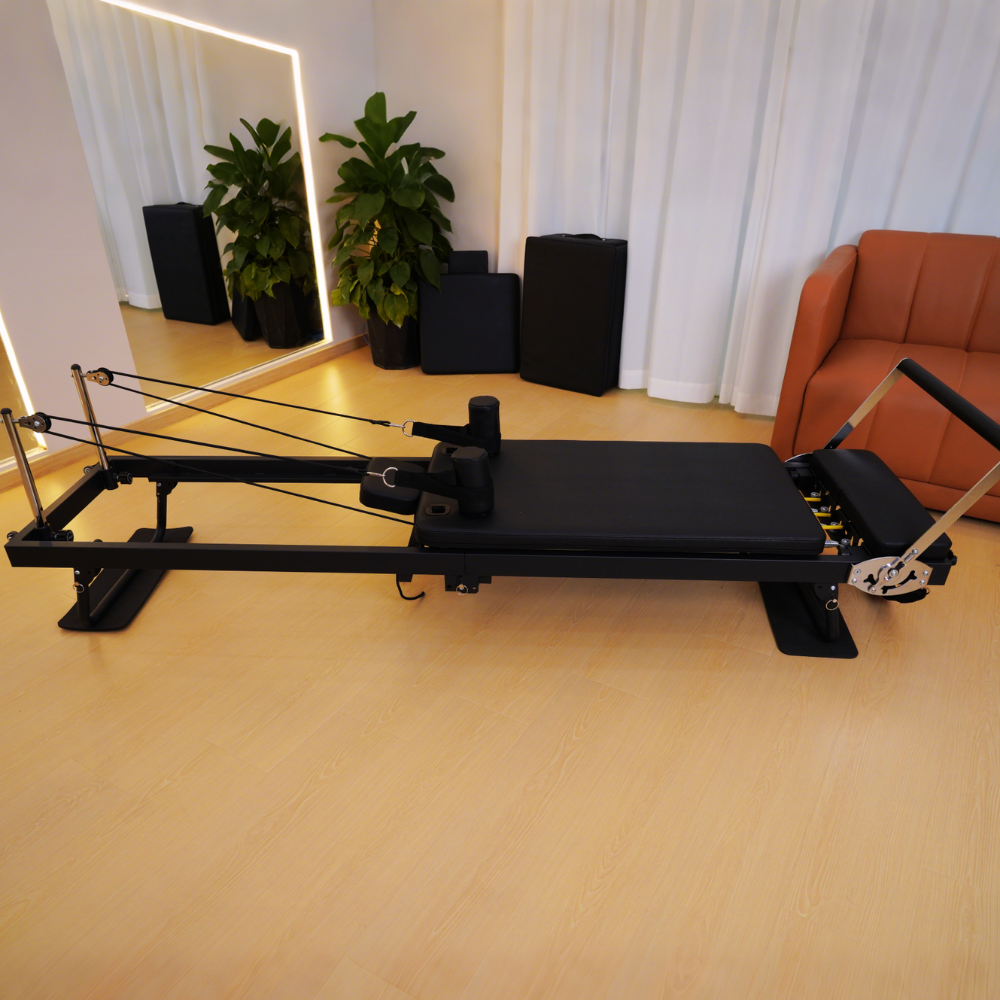
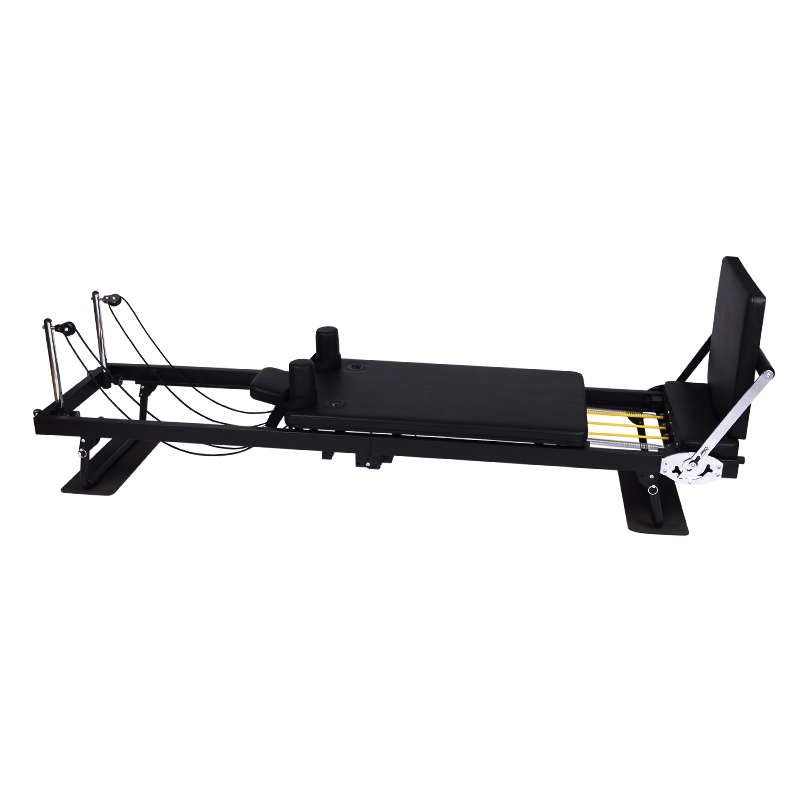
This is where the Pilates reformer shines. With its adjustable springs, pulleys, and sliding carriage, the reformer provides support, resistance, and versatility that mat work simply can’t match. In this guide, we’ll break down why the Pilates reformer is ideal for beginners, how it compares to mat Pilates, and what to consider if you’re looking to buy a Pilates reformer machine for home use.
Reformer vs. Mat Pilates: Why Machines Win for Beginners
Joseph Pilates, the founder of the method, originally designed his exercises around specialized equipment like the reformer, not the mat. His philosophy emphasized controlled movement with resistance, which the reformer’s springs and cables provide. Mat Pilates, while effective, strips away that support, demanding greater core strength and stability from the start.
A 2018 study published in the Journal of Bodywork and Movement Therapies found that Reformer Pilates improved core endurance and flexibility more effectively than mat-based routines for sedentary adults. The machine’s guided movements reduce strain on joints while allowing precise adjustments for different fitness levels.
Key advantages of the Pilates reformer:
-
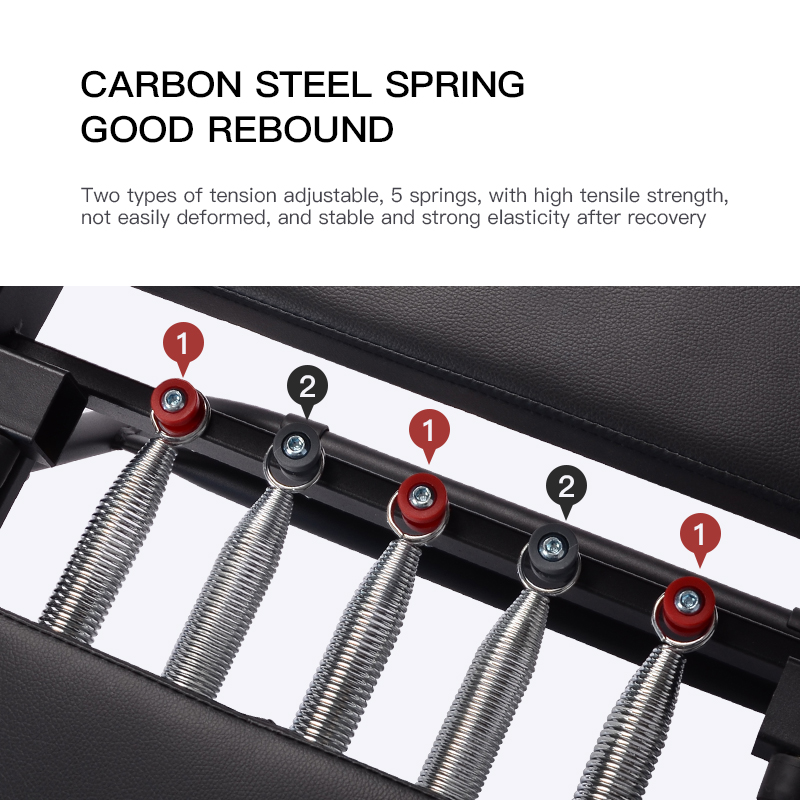
Assisted resistance: Springs provide adjustable support, making movements like roll-ups or leg circles achievable for beginners.
-
Reduced injury risk: The carriage’s glide minimizes impact on the spine and joints.
-
Full-body engagement: Cables and straps activate smaller stabilizing muscles often neglected in mat work.
The Hidden Cost of Mat Pilates (It’s Not Just Sweat)
Mat Pilates looks deceptively simple—after all, it’s just you and a sticky mat, right? But here’s the catch: proper form is everything, and without the tactile feedback of a Pilates reformer machine, beginners often compensate with incorrect muscle groups. For example, a “teaser” on the mat requires intense abdominal control to avoid straining the neck or lower back. On the reformer, foot straps and spring tension help align the body, teaching muscle memory safely.
As noted by the Pilates Method Alliance, improper mat Pilates technique can lead to overuse injuries, especially in those with pre-existing conditions like lower back pain. The reformer’s structure acts as a “teacher,” guiding users into optimal alignment.
Investing in a Pilates Reformer Machine: What to Know Before You Buy
1. Budget Breakdown: Balancing Cost and Quality
The price of a Pilates reformer varies dramatically, Key factors influencing cost include, you can check more details here:
-
Material Durability
-
Spring Resistance
-
Brand Reputation
2. Space Optimization: Choosing the Right Size
Reformers range from foldable portable units to sprawling studio machines. Consider:
-
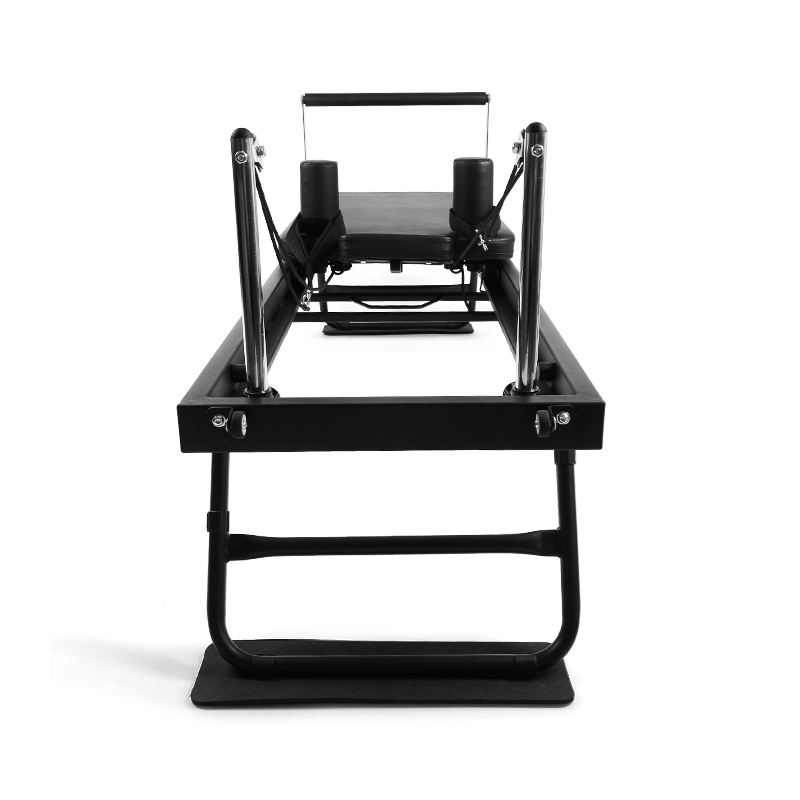
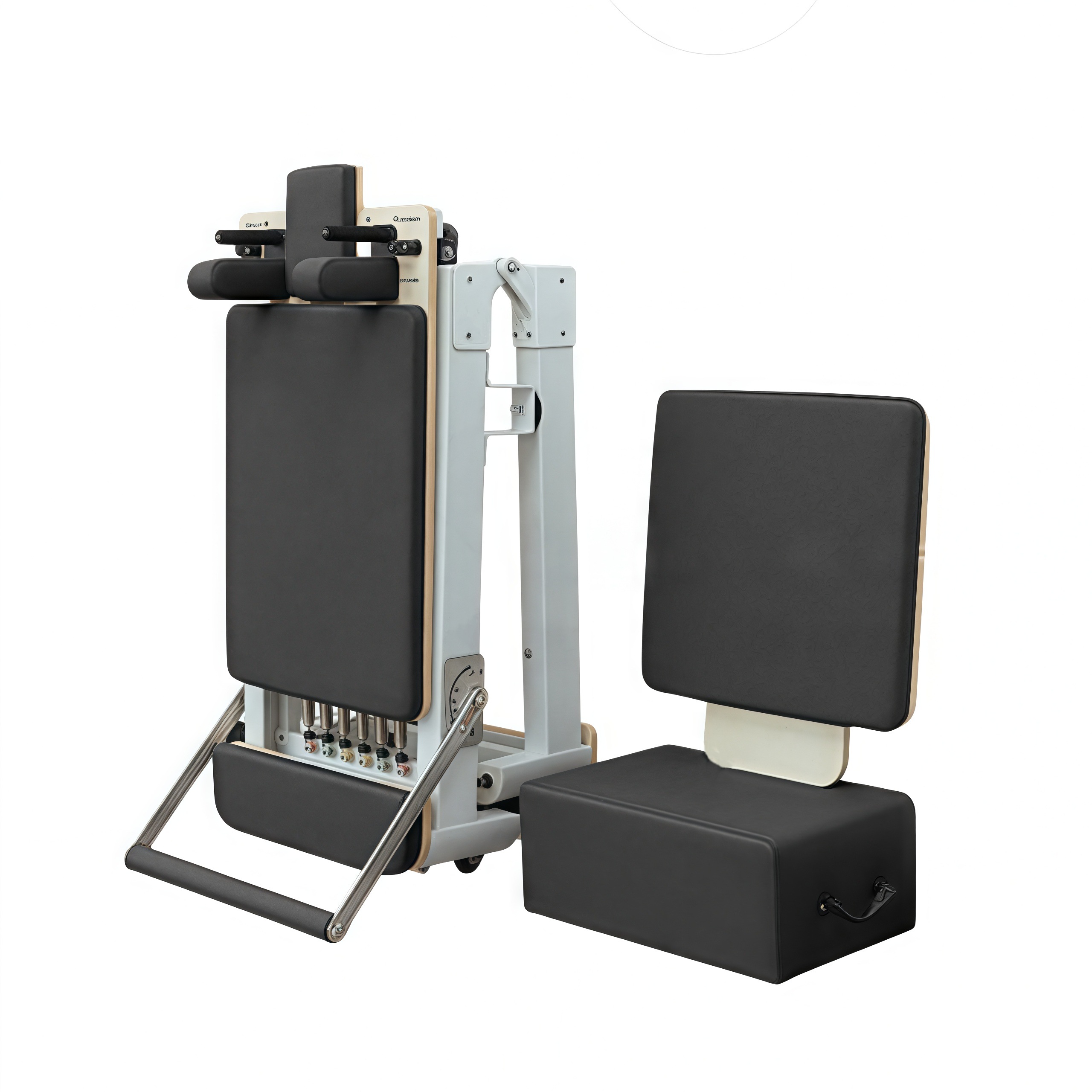
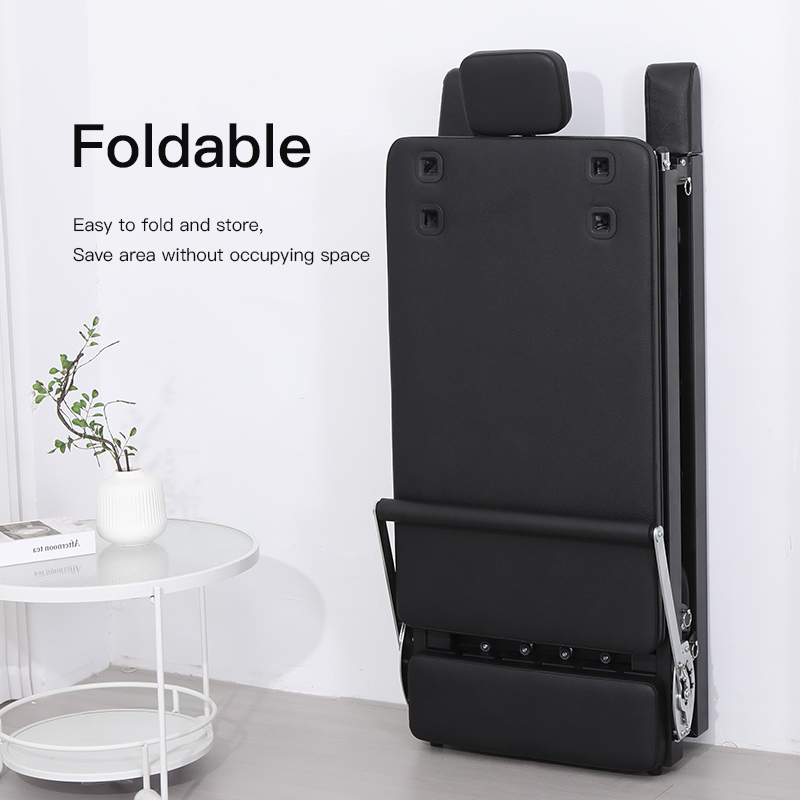
Home Use: Compact Pilates Reformers fit in small spaces, while foldable options like the Foldable Pilates Reformer.
-
Studio Use: Heavy-duty reformers require dedicated floor space but offer stability for high-intensity workouts.
-
Storage: Wall-mounted reformers or models with vertical storage capabilities maximize space efficiency.
3. Features That Matter: Beyond the Basics
While adjustable springs and a smooth-gliding carriage are non-negotiable, advanced features enhance versatility:
-
Convertible Towers: Attachments like jump boards or Pilates box exercise options for strength training and cardio.
-
Adjustable Footbars: Accommodate users of varying heights and flexibility levels.
-
Digital Integration: Some reformers sync with apps for guided workouts and progress tracking.
Avoid: Gimmicks like built-in screens or excessive accessories—focus on core functionality first.
4. Safety and Maintenance: Protecting Your Investment
-
Spring Replacement: High-use reformers require spring changes every 1–2 years. Check if the brand offers replacement parts.
-
Frame Stability: Wobbly frames strain joints. Test weight limits—studio reformers typically support 300–400 lbs, while budget models may cap at 250 lbs.
-
Cleaning: Opt for reformers with wipeable, non-porous upholstery to prevent bacterial growth. Check more about the maintenace of JuSai Pilates Reformer.
Start Smart, Progress Faster
Reformer Pilates isn’t a “cheat code”—it’s a tool that meets you where you are. Whether you’re rehabbing an injury or building strength, the machine’s adaptability makes progress tangible. As Joseph Pilates famously said: “In 10 sessions, you’ll feel the difference. In 20, you’ll see it. In 30, you’ll have a new body.”
Ready to take the leap? Explore trusted retailers for Pilates reformer equipment, and remember: investing in quality now pays off in results (and fewer injuries) later.
Looking for a Pilates reformer for sale? Check out our curated list of the best Pilates reformer machines here.
.png?w=1400&h=1400)
.jpeg?w=1400&h=1400)
.jpeg?w=4000&h=4000)
.jpeg?w=4000&h=4000)
.jpeg?w=2560&h=2560)
.jpeg?w=800&h=800)
.jpeg?w=743&h=743)